
How to Clean Under a Dental Bridge Without Getting Frustrated
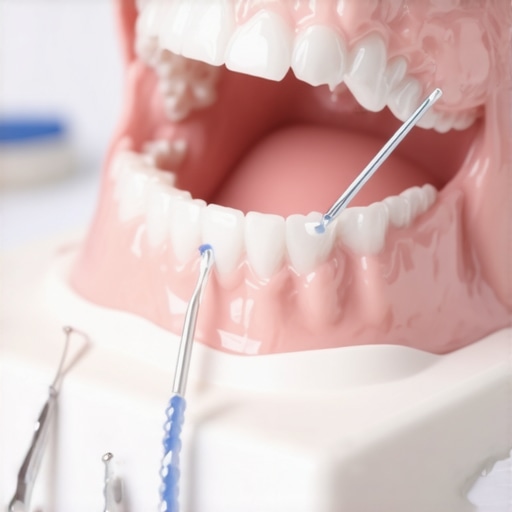
It was one of those mornings—I was brushing my teeth before work, expecting a routine clean, when suddenly I nearly gagged. There it was: a stubborn food particle lodged under my dental bridge, causing discomfort and frustration. I realized then that this was a battle I hadn’t fully prepared for. If you’ve ever faced the same, you know exactly what I mean—the sneaky food traps, the difficulty in reaching those tricky spots, and the growing sense of hopelessness. But don’t worry, I’ve been there, and today I’ll share how I finally cracked the code.
Why Cleaning Under a Dental Bridge Can Feel Like a Battle
Dental bridges are fantastic at restoring your smile, but they come with their own set of challenges—especially when it comes to maintaining oral hygiene. The space underneath can easily trap food debris, plaque, and bacteria if not cleaned properly. This isn’t just about keeping your mouth fresh; neglecting these areas can lead to bad breath, decay, or even gum disease.
I used to think that brushing alone was enough. Spoiler: it’s not. Early on, I made the mistake of ignoring the importance of specialized tools, thinking a regular toothbrush or floss would do the trick. Turns out, that’s like trying to clean a window with a squeegee—ineffective and frustrating. After a few sore gums and a lingering taste of something awful, I knew I needed better solutions. And that’s exactly what I’m going to help you achieve today.
So, if you’re tired of struggling with unreachable spots and want simple, effective methods to maintain your dental health without pulling your hair out, stick around. We’re about to turn your frustration into confidence.
Is It Really Worth the Hassle? My Early Mistake That Almost Wrecked My Smile
Honestly, I got lazy early on. I skipped regular flossing, I didn’t invest in the right tools, and I thought I could ‘wing it’ with just a toothbrush. Big mistake. Over time, that led to minor infections and a bit of regret. The lesson? Proper maintenance is crucial. If you’ve ever felt overwhelmed or wondered if it’s worth the effort, know that it absolutely is—especially when you realize how simple adjustments can save your smile and your peace of mind. For more on maintaining dental work, check out family dentistry tips.
Now, let’s dive into the straightforward strategies I’ve learned—so you can keep your smile bright without the daily hassle. Ready to get started? I promise, it’s easier than you think.
Use Specialized Tools to Clean Hard-to-Reach Areas
During my own journey, I discovered that standard flossing wasn’t enough to keep beneath my dental bridge clean. I started using interdental brushes—tiny, flexible brushes designed to reach between teeth and under bridges. I vividly remember one morning when I gently inserted an interdental brush under my bridge, twisting it slowly to dislodge trapped food. The debris instantly came loose, and the fresh sensation that followed was a game-changer. Investing in these tools made a significant difference, and you should consider adding them to your routine.
Proper Flossing Technique Ensures No Spillover
It’s tempting to brush and assume the job’s done, but flossing is crucial. I used to struggle with ribbon floss, pulling it through the bridge and risking gum irritation. Then I switched to a floss threader—a flexible, plastic tool resembling a large needle—that makes threading floss beneath the bridge effortless. By threading a long strand of floss through the threader and guiding it under the bridge, I could scrub away plaque without causing discomfort. Remember: gentle, consistent flossing keeps bacteria away and prevents future complications.
Integrate Water Flossers for Daily Maintenance
On some mornings, I found myself pressed for time, but neglecting water flossers was not an option. Using a water flosser with a targeted nozzle allowed me to spray pressurized water beneath the bridge, reaching spots my brush couldn’t access. The pulsating stream dislodged stubborn particles, leaving my mouth feeling remarkably clean. When I first started, I adjusted the pressure to the lowest setting to avoid gum sensitivity. Over time, I increased it—always listening to my body’s signals— and my oral health improved dramatically. Incorporate this step into your routine for a deeper clean.
Leveraging Proper Brushing Technique to Protect Your Gums
Besides focusing on the tricky spots, I learned that gentle brushing around the bridge prevents gum recession. I switched to an electric toothbrush with a soft-bristled head, which provides consistent, gentle vibrations. Using circular motions rather than harsh scrubbing protected my gums from irritation. I also made it a point to hold the brush at a 45-degree angle to better clean along the gum line. This simple change reduced bleeding and kept my gums healthy, reinforcing the importance of correct brushing technique.
Incorporate Routine Dental Checkups and Professional Cleanings
Despite my diligent at-home care, I scheduled regular visits to my dentist—every six months—to catch any lurking issues early. During these visits, professional cleanings and inspections ensured nothing was overlooked. I vividly recall one appointment where the hygienist pointed out early signs of plaque buildup beneath my bridge, which I couldn’t detect myself. Acting on this advice prevented more serious problems down the line, illustrating that professional guidance complements daily efforts perfectly.
Be Vigilant for Signs of Trouble and Seek Prompt Help
Listening to my body helped me catch potential problems before they escalated. I noticed slight soreness and a metallic taste when biting down—red flags prompting me to visit my dentist. Prompt attention prevented the development of infections or damage. If you experience persistent discomfort or notice changes in your oral health, don’t hesitate to seek professional help at Smile Gum Care. Recognizing early symptoms ensures your dental investments, like bridges, veneers, or implants, last longer and stay healthy.
When it comes to cosmetic and family dental procedures, many people fall prey to misconceptions that can jeopardize their results or lead to unnecessary expenses. Let’s dig deeper into some of the most overlooked nuances and myths—even among those who think they know it all.
Why Believing All Veneers Are Created Equal Could Harm Your Smile
Many assume that all veneers are just porcelain shells applied the same way. Reality is, the quality of veneers varies significantly based on the material, thickness, and artistry involved. For example, lab-made veneers using high-quality porcelain are more durable and natural-looking than quick-fix, thin-shell options. Additionally, some practitioners cut corners by reducing the thickness excessively, leading to a bulky feel or gagging sensation. If you’re considering veneers, explore the nuances that distinguish premium choices from subpar alternatives.
Invisalign Success Is Less About Hardware and More About Technique
Many people think that Invisalign aligners work purely because they are invisible or because they are custom-made. In fact, the key lies in the detailed planning and precise wear schedule prescribed by an experienced orthodontist. Overusing or ignoring instructions can lead to prolonged treatment time or suboptimal results. For instance, some overlook the importance of correctly handling attachments or fail to wear aligners for the recommended 22 hours daily. For a smarter approach, read about the advanced Invisalign techniques that can make a difference.
Are Teeth Whitening Products Causing More Damage Than You Think?
Everyone knows about bleaching gels and whitening strips, but few realize the risks involved. Over-the-counter products often lack precise formulations, leading to uneven whitening, increased sensitivity, or enamel damage. The myth that whitening is always safe if it’s over-the-counter is dangerous. Professional whitening, especially with custom trays, ensures consistent results and minimizes harm, but only if the procedure is done correctly. For insights into safe whitening practices, check out this detailed guide.
What Advanced Mistakes Do People Make When Considering Cosmetic Dental Work?
A common oversight involves not anticipating the long-term health implications of cosmetic procedures. For instance, some opt for veneers without considering their impact on enamel thickness or gum health. Similarly, unsuitable whitening treatments can increase tooth sensitivity or worsen existing cracks. These mistakes underscore that cosmetic upgrades should be paired with a comprehensive assessment of dental health, and done by practitioners who understand the complex biomechanics involved. For professional tips, visit expert recommendations.
Don’t fall into these traps—your smile deserves informed choices. Have you ever fallen into this trap? Let me know in the comments, and stay proactive with your dental health by consulting trusted professionals.Maintaining your smile after procedures like veneers, Invisalign, or teeth whitening requires more than just good intentions—it demands the right tools and consistent effort. Over the years, I’ve refined my routine by selecting equipment that delivers precise results and stands the test of time, and I want to share these insights with you. Investing in quality tools doesn’t just make cleaning easier; it extends the lifespan of your dental investments, saving you money and discomfort down the line.
How do I maintain my dental upgrades long-term?
The foundation of long-lasting results begins with the tools you use daily. I personally rely on interdental brushes, specifically the GumChucks Interdental Cleaners, because their innovative design allows gentle yet thorough cleaning between teeth and around veneers or braces. Unlike traditional floss, which often misses hard-to-reach areas, these brushes contour seamlessly around dental work, removing plaque before it can cause trouble. our contact page if you’re looking for personalized advice on selecting the best tools for your needs.
Electronics also play a critical role in maintaining a pristine smile. I use the Phillips Sonicare DiamondClean Smart electric toothbrush because it combines uv sterilization with deep cleaning modes. Its AI-powered app tracks your brushing habits, reminding you to spend adequate time on areas prone to plaque buildup, especially around veneers and implants. In the future, I predict smart toothbrushes will become even more integrated, providing real-time feedback to optimize oral hygiene routines.
For optimal whitening retention post-treatment, I recommend the Opalescence Go whitening trays combined with a high-performance LED curing light. Regular use of this kit keeps stains at bay, especially if you love coffee or red wine. Professional-grade tools like these are game-changers when it comes to preserving brightness.
Why regular check-ins matter
While advanced tools significantly improve daily maintenance, nothing replaces professional guidance. I schedule checkups every six months, during which my dentist performs ultrasounds and professional cleanings, ensuring no issues go unnoticed. Equipment like the stain-resistant veneers are only as good as the care they receive. Regular professional assessments combined with your at-home tools create a robust defense against common problems like plaque buildup or gum recession.
Looking ahead, I believe innovations such as AI-driven oral scanners and personalized oral care devices will revolutionize how we maintain our smiles. These will provide real-time feedback, alerting you to early signs of trouble and guiding your routine adjustments seamlessly. Embracing these advancements now can set you up for a lifetime of healthy, radiant teeth.
So, why not try upgrading your daily regimen today? Incorporate an interdental brush like GumChucks and see how much easier maintaining your veneers or Invisalign becomes. Your future self will thank you for taking proactive steps now to keep your smile stunning.
The Hidden Truths That Transformed My Smile Journey
One of the most valuable lessons I learned was that maintaining dental work isn’t just about the tools or techniques but about understanding the unique needs of each type of procedure. For example, I realized that veneers require different care than Invisalign trays, and recognizing these nuances prevents future issues. Moreover, I discovered that small, consistent actions—like daily interdental cleaning—compound over time, safeguarding my investment in my smile. This insight was a game-changer, showing me that informed habits are the foundation of lasting beauty and health.
My Go-To Arsenal for Smile Preservation
Over the years, I’ve curated a collection of trusted resources that truly make a difference. The GumChucks interdental brushes are my top pick for reaching tricky spots around veneers. The Phillips Sonicare DiamondClean toothbrush ensures gentle yet thorough cleaning. For whitening touch-ups, the Opalescence Go trays help maintain that bright smile without sensitivity. These tools are reliable, easy to use, and have become staples in my daily routine, giving me confidence that I’m doing my best for my dental health.
Embrace the Journey: Your Confidence Awaits
Choosing to invest in your smile is a bold step towards self-assurance and well-being. Remember, the knowledge and habits you build today lay the groundwork for a future filled with radiant, healthy teeth. Don’t hesitate to seek guidance from experts—your future self will thank you for taking action now. Whether you’re considering veneers, Invisalign, or whitening, the key is consistency and informed decisions. Your best smile is within reach—start today, and enjoy every step of your transformation.