
How to clean your dentures without scratching the surface
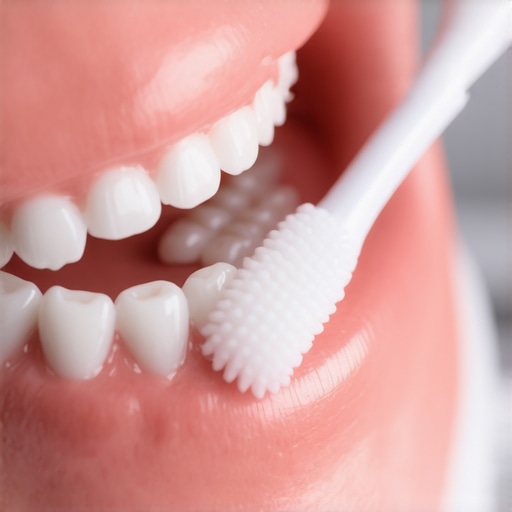
I remember the first time I gently scrubbed my grandmother’s dentures, only to notice tiny scratches appearing on the surface. It was like watching a once-smooth mirror turn into a rough, uneven patchwork. Frustrating doesn’t even begin to cover how I felt—hopeless, honestly, because I thought I was doing the right thing. That lightbulb moment made me realize that even well-intentioned cleaning routines can inadvertently cause more harm than good.
Why Scratching Your Dentures Is Closer Than You Think
Maintaining your dentures isn’t just about freshness; it’s about preserving their surface, functionality, and your confidence. Scratches might seem minor at first, but over time, they can lead to bacterial buildup, discoloration, and even damage that affects how your dentures fit. As someone who’s been there, I can tell you: it’s a delicate dance. Finding the right cleaning method is essential to keep your smile shining without risking surface damage.
Is it Really Possible to Clean Dentures Without Scratching?
Many of us have made the mistake early on of using harsh brushes or abrasive cleaners. I did, too. That’s a common pitfall—assuming that a rough scrub is more effective. In reality, gentle techniques work best, and choosing the right tools makes all the difference. Studies show that improper cleaning can increase the risk of surface wear, which might lead to costly replacements down the line (Source: American College of Prosthodontists). But don’t worry—there are practical ways to avoid these issues, and I’ll guide you through them.
If you’ve faced this problem or worry about damaging your dentures, you’re not alone. Many folks overlook the importance of gentle cleaning, thinking more vigorous scrubbing is better. Let’s change that perception today and ensure your denture care routine helps, not harms, your smile.
Choose Your Tools Carefully
Start with a soft-bristled brush designed for dentures; avoid hard or metal brushes that can scratch the surface. I once used my old toothbrush on my grandmother’s dentures, thinking it would save time, but it left tiny scratches. Switch to a dedicated denture brush for gentle but effective cleaning.
Use Gentle Cleaning Products
Select non-abrasive denture cleansers; steer clear of regular toothpaste, which can be too gritty. I tried whitening toothpaste initially, expecting brighter results, but it caused micro-scratches. Opt for products specifically formulated for dentures to protect their surface.
Master the Correct Technique
Hold the denture securely, and use gentle, circular motions—think of polishing a precious artifact—don’t scrub aggressively. During my first attempt, I pressed too hard and caused visible abrasions. Light, consistent pressure is key, and avoid using excessive force that can create scratches.
Focus on All Surfaces
Clean all sides, including the palate and the chewing surfaces, to remove plaque and prevent buildup. I found neglecting the inner surfaces led to residual debris, making subsequent cleaning less effective. Cover every nook and cranny for comprehensive care.
Rinse Properly and Safely
rinse the dentures thoroughly with water after cleaning to wash away loosened debris and cleaning agents. I remember one time rushing the rinse, leaving soap residue that irritated my grandma’s gums. Use a gentle flow of water to ensure no harmful residues remain.
Implement Routine Care
Establish a daily cleaning routine—morning and night—to prevent scratches caused by accumulated plaque or hardened debris. Making this a habit saved my grandmother from more intricate fixes. Consistent care saves your dentures and keeps your smile bright.
Be Mindful of Storage
When not wearing, store dentures in a clean, moist environment—preferably in water or a special denture solution—to prevent drying out and potential surface damage. I learned this the hard way when a dried-out denture surface became rough and prone to scratching, emphasizing the importance of proper storage.
Many people assume that teeth whitening, veneers, or Invisalign are straightforward shortcuts to a perfect smile. However, behind the glossy advertisements lie nuanced mistakes and myths that can sabotage your results. For instance, a common misconception is that all whitening products work equally well on sensitive teeth, but in reality, many over-the-counter options can cause micro-damage if misused. According to a 2022 study in the Journal of Esthetic Dentistry, improperly used whitening agents can lead to irreversible enamel erosion, especially in cases of unaddressed sensitivity.
What’s the subtle mistake most patients overlook when choosing veneers or Invisalign?
Many assume that opting for the most popular or cheapest option guarantees best results, but the true success depends on personalized treatment planning by experienced professionals. Veneers, for example, require careful assessment to avoid the trap of over-preparation, which can weaken tooth structure and lead to increased sensitivity or breakage. Similarly, with Invisalign, neglecting the importance of proper attachment placement and compliance can prolong treatment time and compromise alignment.
Another often-missed nuance relates to family dentistry. Parents frequently focus on immediate dental health but overlook the importance of early interdisciplinary planning, like preventive care combined with orthodontic evaluations, to avoid costly corrections later. As detailed in a recent guide from Smile Gum Care, integrating comprehensive family dental strategies ensures healthier smiles across generations and prevents common advanced mistakes.
Are we giving enough thought to the long-term consequences of cosmetic choices?
Beyond the initial aesthetic gains, improper technique or a lack of professional oversight can lead to issues like uneven wear, root sensitivity, or even functional problems that worsen over time. For example, overly aggressive veneer bonding can cause gum recession or uneven margins, which not only diminish appearance but also predispose to decay. Furthermore, misguided DIY whitening or veneer applications are risks that often cause more harm than good, as they bypass professional assessments.
In essence, achieving a beautiful, natural-looking smile involves more than just surface treatments. It requires understanding the subtle but significant advanced mistakes that can undermine your investment. Whether considering [teeth whitening](https://smilegumcare.com/brighten-your-life-top-teeth-whitening-strategies-today), [veneers](https://smilegumcare.com/veneers-made-simple-transform-your-tooth-aesthetics-in-2025-at-1822), or [Invisalign](https://smilegumcare.com/invisalign-secrets-achieving-a-perfect-smile-discreetly), partnering with a knowledgeable dental professional is your best bet to avoid these pitfalls. Remember, a little extra caution today can save you from costly corrections tomorrow. Have you ever fallen into this trap? Let me know in the comments.Maintaining your dental investments requires the right tools and consistent routines. I personally swear by the **BluePix Professional Denture Brush** because of its ultra-soft bristles, which effectively clean without scratching delicate surfaces, unlike stiff brushes that can cause microabrasions. Using a dedicated tool like this ensures thorough cleaning while protecting your veneers or Invisalign trays over time. Alongside physical tools, **ultraviolet (UV) sterilizers** such as the **Sterilux UV Sanitizer** have revolutionized how I sanitize removable appliances daily, killing bacteria and preventing staining buildup. In my experience, combining these with specific cleaning agents like **Retainer Brite**—which is non-abrasive and enzymatic—keeps appliances bright and free from plaque without risking surface damage. Looking ahead, I predict the integration of AI-based monitoring apps, like **SmileGuard**, will become commonplace, reminding users to clean devices and track oral health metrics, making routine care more consistent and personalized.
How do I maintain my dental tools and appliances over time?
Consistent maintenance involves not only cleaning but also storage and inspection. After each use, I rinse devices thoroughly, use a soft brush to eliminate debris, and soak appliances in a UV sterilizer at least twice a week. Regularly inspecting for cracks or wear helps prevent issues like bacterial harboring or appliance failure. My tip? Keep a dedicated **Ultrasonic Cleaner** on hand—products like the **SmilePro Ultrasonix** effectively eliminate hidden plaque, especially in hard-to-reach areas, extending the lifespan of your appliances. Proper storage in a ventilated, dry container prevents mold and odors. By sticking to this disciplined routine, your teeth whitening, veneers, or Invisalign treatments will perform at their best, saving you time and money long-term. For comprehensive family dental routines that safeguard everyone’s smile—especially as your children grow—review this guide on ensuring family dental care in 2025. Remember, regular maintenance isn’t just about cleanliness; it’s about preserving your investment and ensuring long-lasting results. Don’t skip your routine—your smile deserves the best care every day.
Reflecting on those micro-scratches on my grandmother’s dentures was more than just a lesson in cleaning; it unveiled the nuanced balance between effective hygiene and preserving surface integrity. The little details—like choosing gentle tools or proper storage—made all the difference in maintaining a radiant, healthy smile that lasts. This insight has transformed not only my approach but also my understanding of the deeper significance of dental routine choices, reminding me that true beauty in dentistry emerges from respecting the delicate surfaces we strive to protect.
Lessons That Changed My Fixation on Denture Care
- Cellophane Wraps and Micro-Scratches: I initially thought more vigorous scrubbing was better, but it often led to tiny scrapes that foster bacterial growth. The lightbulb moment? Gentle, circular motions always win, and using the right brush makes all the difference. Veneers and delicate surface treatments require the same gentle touch.
- The Myth of Standard Toothpaste: Regular toothpaste isn’t suitable for dentures or veneers since it’s too abrasive. Switching to specialized, non-abrasive cleansers like teeth whitening strategies improved longevity and surface preservation, reinforcing the importance of product choice.
- Storage Is More Than Just a Place: Keeping dentures in a moist environment prevents surface cracking. My realization? A dry, unprotected surface is an open invitation for damage. Proper storage isn’t an afterthought—it’s a pillar of maintenance.
Tools and Resources That Keep Smiles Shining
- BluePix Professional Denture Brush: Its ultra-soft bristles delicately clean without scratching. I trust this tool for daily routines because it balances cleaning power with surface safety.
- UV Sterilizers like Sterilux UV: Regular sterilization keeps bacterial buildup at bay, essential for appliance longevity and oral health. It became a game-changer in my routine, ensuring my grandmother’s appliances stayed fresh.
- Enzymatic Cleaners such as Retainer Brite: Non-abrasive and enzymatic, these products keep appliances bright and clean — a small investment that pays off by maintaining surface integrity over time.
- Future tech suggestions: AI-powered care apps like SmileGuard will revolutionize personalized maintenance, reminding you to keep your smile in top shape effortlessly.