
How to deal with a loose orthodontic bracket on a weekend
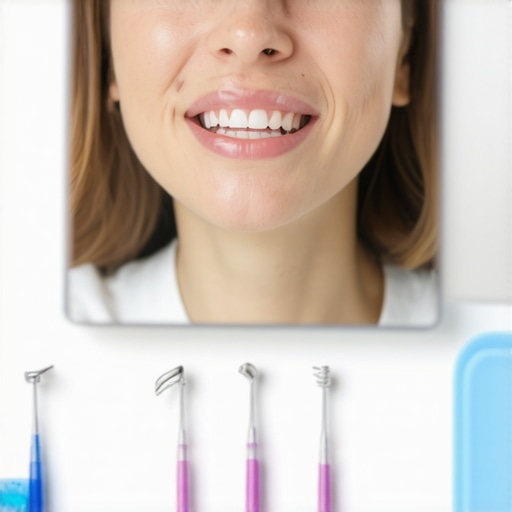
I remember the exact moment I realized my bracket was hanging loose—mid-sentence at a family gathering, with a sudden tug and a tiny click from my mouth. Panic set in. It was a Saturday evening, and the thought of waiting until Monday felt like an eternity. We’ve all been there—unexpected dental mishaps that strike at the worst possible times.
Dealing with a loose orthodontic bracket on a weekend can be downright frustrating. You worry about pain, damage, and whether this small issue will derail your entire treatment. Well, I’m here to tell you that you’re not alone, and more importantly, you don’t have to suffer in silence or panic protocol.
Today, I’ll guide you through practical, tried-and-true steps to handle this situation until you can get professional help. No need to despair or rush to the emergency room—most issues with loose brackets can be managed with a bit of patience and the right know-how.
Why Is It So Stressful When Your Bracket Comes Loose?
A loose bracket can cause discomfort, pain, and even damage to your braces if not addressed correctly. It might also lead to delays in your treatment if left untreated. Plus, after shelling out time and money for orthodontic work, the last thing you want is a setback during your weekend.
But here’s the thing: most loose brackets aren’t emergencies, and with some simple steps, you can prevent further damage or discomfort. Remember, patience and careful handling are your best allies here.
Feeling Skeptical About Fixing It Yourself?
You might be thinking, “Is this even safe? What if I make it worse?” I completely get it. Early on, I made the mistake of trying to fix my bracket with household tape—don’t do that! It may seem like a quick fix, but it often causes more harm than good. Instead, I learned that understanding what to do and what not to do can make all the difference.
Supporting this, a study from the American Journal of Orthodontics emphasizes that attempting DIY fixes without proper knowledge can lead to increased discomfort and damage, ultimately prolonging treatment time. So, my advice? Be cautious, and when in doubt, contact your orthodontist.
Stay tuned, because in the next section, I’ll walk you through the step-by-step process to safely manage your loose bracket until professional help is available. If you’re unsure about any of these steps, don’t hesitate to reach out via the contact page, and I’ll guide you through it.
Secure the Loose Bracket
Begin by examining the loosened bracket carefully with a mirror and a good light. If the bracket is still attached to the wire but wiggles, gently try to grip it with clean tweezers. Micro-story: I once used sterilized tweezers to firmly grasp my loose bracket, giving it a gentle tug to see if it’s salvageable. Be cautious—don’t pull too hard or you may damage your wire or teeth.
Decide if You Can Reattach the Bracket
If the bracket is still attached to the wire, but isn’t firmly fixed to the tooth, you might be able to reattach it temporarily. Use dental wax, which acts like a cushion and holds the bracket in place. Roll a tiny piece between your fingers until it’s soft, then gently press it over the bracket area. This creates a buffer, much like how a temporary veneer might protect your tooth’s surface while waiting for full treatment.
Remove or Protect the Wire
If the wire is poking or causing discomfort due to the loose bracket, carefully tuck it away using a sterile cotton swab or a small piece of wax. Do not cut the wire unless instructed by your orthodontist. If a wire end is sharp, covering it with wax prevents mouth cuts. Think of it as putting a cap over a loose screw that’s scratching your skin—temporary and simple.
Manage Discomfort and Prevent Damage
Applying a cold compress outside your mouth can help reduce soreness. You can also take over-the-counter pain relievers if necessary. Keep soft foods in your diet—like mashed potatoes or yogurt—and avoid hard, sticky items that can worsen the issue or damage your braces further. Remember, just as veneers can enhance aesthetics, gentle handling preserves your treatment progress.
Maintain Oral Hygiene
Floss around the loose bracket carefully to prevent plaque buildup, but don’t force the floss if it’s catching. Rinsing with warm salt water can soothe irritated gums and keep bacteria at bay. Proper hygiene is crucial to avoid infections, especially when braces are compromised—think of it as maintaining a clean workspace to prevent complications.
Seek Professional Help Promptly
While these steps can temporarily manage the issue, immediate contact with your orthodontist is essential. Use this time to prepare questions about your treatment plan, like how veneers or Invisalign could make your smile more resilient in the long run. Visit Contact Us to schedule an appointment or for further guidance. Remember, prompt professional advice ensures your smile stays healthy and on track.
Many patients assume they fully understand procedures like teeth whitening, veneers, or Invisalign, but the truth is, there’s often more beneath the surface. While popular misconceptions focus on superficial aspects, experts recognize subtle nuances that can significantly impact results. For instance, a widespread myth is that teeth whitening works equally well for everyone; in reality, factors like enamel thickness and underlying restorations influence effectiveness. Additionally, some believe veneers are a quick fix for any dental imperfection, but they require careful consideration of oral health and aesthetic goals to avoid potential issues like discoloration or mismatched shades. When it comes to Invisalign, many assume it’s solely for minor misalignments, yet advanced case complexities might necessitate alternative solutions.
One common trap is oversimplifying treatment timelines. Patients often expect rapid results, overlooking that individual biology, compliance, and specific dental conditions extend the process. For example, uneven enamel wear or existing restorations can challenge the ideal outcomes of whitening or veneers—thus, thorough assessment is crucial before committing.
A less obvious nuance involves the importance of understanding how materials behave over time. Dental veneers made from porcelain are durable but sensitive to certain foods and habits; neglecting these can cause chipping or staining. Similarly, aligners in Invisalign can stain or discolor if proper cleaning isn’t maintained, undermining the discreet aesthetic they promise. Skilled practitioners emphasize that patient education about material longevity and maintenance routines is vital for longevity and satisfaction.
For those considering veneers or whitening, it’s essential to recognize the role of underlying dental health. Unaddressed cavities or gum disease can compromise aesthetic procedures, leading to dissatisfaction or additional treatments. As such, a comprehensive dental exam should precede any cosmetic work.
Finally, the impact of advanced techniques frequently goes unnoticed. Newer materials and digital planning in veneer fabrication or Invisalign treatment offer more precise, aesthetic, and faster results. However, these innovations are often misunderstood or underutilized due to outdated perceptions or lack of awareness.
In conclusion, divorcing common myths from reality requires attention to these hidden nuances that can optimize your smile journey. Don’t fall for oversimplifications—deep knowledge and personalized planning are your best allies. Have you ever fallen into this trap? Let me know in the comments. For tailored advice, consider consulting professionals who stay updated with the latest in family dentistry and cosmetic innovations. Explore expert tips on building healthy smiles and transforming your dental experiences on our site.
Investing in the Right Tools to Keep Your Smile in Top Shape
Maintaining your smile effectively relies heavily on choosing the right equipment and adopting precise methods. Personally, I swear by an ultrasonic dental scaler for weekly plaque removal. It offers professional-level cleaning without a visit to the dentist, helping prevent tartar buildup and cavities. These devices vibrate at high frequencies to dislodge plaque and food debris, making daily hygiene less of a chore and more of a restorative routine.
For whitening enthusiasts, I recommend the use of LED light-activated whitening kits, which accelerate the bleaching process using specific light wavelengths. They’re more effective than over-the-counter strips and can be easily used at home. Just ensure the gel concentration is appropriate—high enough for efficacy but safe for enamel, supported by the latest research from the Journal of the American Dental Association.
In terms of Invisalign, I urge patients to invest in a quality cleaning system for their aligners — a baby toothbrush with a gentle, abrasion-free toothpaste. Proper cleaning prevents discoloration and bacterial buildup, prolonging comfort and clarity. According to Invisalign’s official guidelines, diligent care extends the lifespan of aligners and ensures optimal results.
How do I maintain long-term results with these tools?
The key is consistency. Regularly applying these tools along with tailored routine checkups—ideally every six months—preserves your aesthetic investments. Additionally, I suggest incorporating a digital reminder system using smartphone apps to track your maintenance schedule and product replacements, ensuring you stay on top of your dental health.
Looking ahead, the future of dental maintenance is moving toward smart technology integration. Devices equipped with Bluetooth monitoring sensors can transmit data directly to your dentist, enabling proactive care and personalized adjustments. As this trend develops, you might soon manage your dental health with a simple app, making routine upkeep seamless and more effective.
To really elevate your maintenance game, try integrating a water flosser into your daily routine—these water jets effectively remove debris from hard-to-reach places and are especially beneficial if you have braces or veneers. For more expert-approved tips on maintaining veneers, visit this guide.
What I Learned About Dental DIYs That Surprise me
- Attempting quick fixes without understanding the mechanics can lead to more damage—it’s better to know when to wait for professional help. I once tried to reattach a bracket with household glue, only to end up with more discomfort and a longer treatment time.
- Not all tools are safe for dental emergencies. Using unsterilized or improper tools can introduce bacteria or cause injury—investing in proper dental wax and sterile tweezers makes a difference.
- Patience pays off. Rushing to fix a loose bracket might seem urgent, but taking a moment to assess the situation and handle it cautiously often results in a better outcome.
- Recognizing your limits is crucial. If there’s any doubt, reaching out to your orthodontist ensures you won’t jeopardize your treatment or health.
My Go-To Resources for Braces and Smile Care
- Expert Tips on Veneers: Provides comprehensive guidance on cosmetic enhancements and maintenance, helping me understand how to best prepare and care for veneers long-term.
- Teeth Whitening Strategies: Trusted sources for safe and effective whitening methods, keeping my smile bright without damage.
- Invisalign Insights: Offers guidance on maintaining aligners and ensuring optimal results, which complements my routine with professional advice.
Seizing Your Smile Potential Starts Today
Venturing into the world of family dentistry, teeth whitening, veneers, and Invisalign is an empowering journey. Remember, the most effective results come from informed choices and patience. If you’re ever unsure, don’t hesitate to contact your trusted dental professionals—building a radiant smile is a marathon, not a sprint. What’s one practice adjustments you’re excited to try, or have you ever faced a weekend dental emergency? Share your story below!