
How to deal with the lisp caused by your new lingual braces
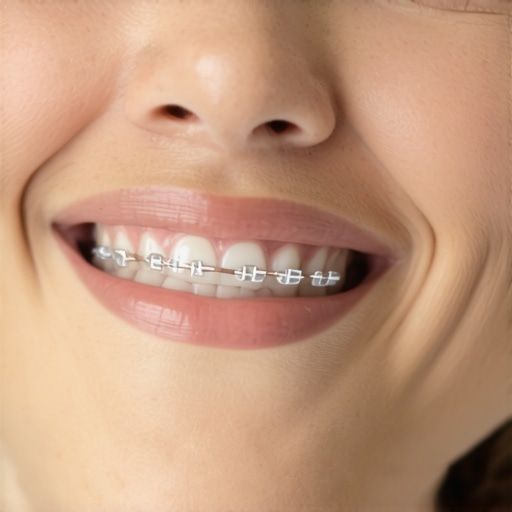
It happened during a family dinner, and I felt my cheeks flush with embarrassment. There I was, trying to explain a funny story, only to realize my words sounded slurred, odd, almost unrecognizable. That lightbulb moment made me painfully aware of just how much my new lingual braces affected my speech—specifically, giving me that annoying, self-conscious lisp. At first, I thought it was temporary, a mere adjustment period. But weeks went by, and I found myself avoiding social situations, dreading the day I’d have to speak in public or even have a simple phone call.
Why Speech Changes Matter When You Get Braces
Speech isn’t just about talking; it’s about connection, confidence, and self-expression. When your speech becomes inconsistent or distorted, it can chip away at your self-esteem, making you second-guess every word. For many of us, the most unsettling part is that this lisp isn’t just a minor inconvenience—it can feel like a barrier between you and the world. The good news is, this problem isn’t permanent. I’ll share how I turned my speech around and, more importantly, how you can too. Today, we’ll dive into practical tips and techniques that helped me retrain my tongue and speech muscles, so you don’t have to suffer in silence or avoid speaking altogether. Are you tired of feeling tongue-tied because of your lingual braces? Let’s get you back to confident talking.
Your Biggest Skepticism: Is This Normal or Just Temporary?
When I first noticed my speech slipping, I wondered if this was just a short-term side effect or a sign that I’d be stuck with a lisp forever. I made the mistake early on of ignoring the issue, thinking it would just fade away. That was a mistake. According to dental professionals, speech alterations caused by lingual braces are quite common, especially during the initial adjustment phase. The key is addressing the problem early and practicing specific exercises consistently. Failure to do so can prolong discomfort and hinder your confidence. If you’ve experienced similar doubts, know that with patience and the right techniques, your speech can improve significantly. For more tips on managing braces side effects, check out [this guide on maintaining a healthy smile for your family](https://smilegumcare.com/family-dentistry-tips-creating-a-healthy-smile-for-your-kids-at-0915). Now, let’s explore the exercises and strategies that helped me—and can help you—speak normally again.
Master Your Speech by Practicing Consistent Exercises
Begin with simple tongue movement drills, like pressing your tongue against the roof of your mouth while saying “t” and “d” sounds. During my own experience, I set aside five minutes after brushing to focus solely on these exercises. Initially, it was messy—my tongue would stumble, and the sounds would distort. But repeated practice gradually trained my muscles, leading to clearer pronunciation within a week.
Use Mirror Feedback to Adjust Your Tongue Position
Stand before a mirror and watch your tongue as you speak or practice specific sounds. I found that visual cues helped me identify when my tongue was too far back or too high. For example, when practicing “s” and “z” sounds, I kept my tongue relatively flat and close to the front teeth. This immediate feedback accelerated my learning curve and minimized embarrassments during conversations.
Incorporate Slow Speech to Reinforce Muscle Memory
Slow down your speech intentionally, focusing on each word and sound. I remember creating a mini game where I would read aloud from a book, consciously elongating words to ensure proper tongue placement. Over time, my mouth adapted to faster speech, and my lisp diminished significantly. Patience is key; rushing can reinforce bad habits or cause frustration.
Seek Professional Guidance for Targeted Support
Consult your orthodontist or a speech therapist for personalized exercises tailored to your specific issues. During my consultation, they recommended phonetic exercises and provided a schedule to follow. I coupled their guidance with online tutorials, cross-referencing tips from Invisalign techniques that emphasize tongue placement, which improved my overall speech pattern.
Maintain Regular Practice and Monitor Progress
Consistency is vital. Dedicate time daily, even if just ten minutes. Keep a journal or record your voice to track improvements over days or weeks. I did this and was surprised at my progress after a month, noticing fewer slips and clearer pronunciation. If you encounter setbacks, remember that progress is non-linear, and persistence pays off. For further tips, check out how to improve oral hygiene as good hygiene also supports better speech function.
Many people believe that teeth whitening, veneers, Invisalign, and family dentistry are straightforward solutions for achieving a perfect smile, but the reality is more nuanced. A common myth is that teeth whitening is a one-size-fits-all procedure; however, for individuals with sensitive enamel or stain-prone teeth, over-the-counter options can cause more harm than good. According to a 2021 study published in the Journal of Esthetic and Restorative Dentistry, improper whitening techniques can lead to increased sensitivity and even enamel erosion, emphasizing the importance of professional guidance.
Are You Overlooking the Fine Print in Dental Treatments?
While veneers and Invisalign are often marketed as quick fixes, they come with potential pitfalls that many overlook. For example, veneers require removal of enamel, which is irreversible, and can sometimes lead to increased sensitivity or uneven wear if not applied correctly. Invisalign, though discreet and effective, demands strict compliance; neglecting wear schedules can prolong treatment or cause bite issues. Avoiding these common mistakes involves understanding the nuances of your chosen treatment and consulting with experienced dental professionals. Want a comprehensive overview of the latest advancements? Visit our veneers guide for in-depth insights.
Why Do Many People Miss the Nuances Between Different Whitening Options?
One of the biggest pitfalls is assuming all whitening products are equal. Professional whitening performed by a dentist is often safer and more effective because it adapts to your specific dental condition, minimizing risks like uneven results or sensitivity. Non-professional methods, while tempting for their convenience and lower cost, frequently lead to inconsistent outcomes and can damage your enamel. My advice? Always consider the long-term health of your teeth over short-term savings. For tips on safe whitening strategies, check out top teeth whitening strategies.*
Another aspect often missed is the importance of maintaining oral hygiene post-treatment, which can significantly impact the lasting effect of whitening or veneers. Regular dental check-ups and proper brushing are essential components of any smile enhancement plan.
So, what should you really prioritize? The answer lies in matching your specific needs with professional guidance, understanding the limitations of each technique, and avoiding shortcuts that could compromise your dental health. If you want tailored advice, don’t hesitate to reach out to our specialists. Have you ever fallen into this trap? Let me know in the comments and share your experiences!Maintaining your dazzling smile requires more than just the initial treatment; it involves adopting the right tools and practices for long-term success. One of the most reliable devices I personally recommend is an ultrasonic toothbrush, like the Philips Sonicare DiamondClean. This toothbrush uses high-frequency vibrations to thoroughly remove plaque and surface stains, reaching areas manual brushes often miss, especially around veneers or brackets. Its timers and various modes help ensure you brush for the optimal two minutes, improving overall oral health.
How do I keep my whitened teeth shining?’
To preserve whitening results, I incorporate a professional-grade whitening pen such as the AuraGlow Brightening Pen into my routine. Its gel contains carbamide peroxide, and I use it in the evenings after brushing. It’s subtle but effective, retouching minor stains and maintaining a bright appearance without frequent trips to the dentist. Pairing this with a daily use of fluoride rinse helps strengthen enamel and prevent sensitivity, especially around veneers or after whitening treatments.
Why consider digital tools for dental maintenance?
Smartphone apps like DentalMonitoring offer remote check-ins with your dentist. I use it to upload photos of my ongoing treatment progress, which my dentist reviews to catch minor issues early—like early signs of decay or veneer chipping. This proactive approach minimizes emergency visits and ensures my smile stays perfect longer. Future trends indicate a rise in AI-driven dental diagnostics, offering personalized care plans based on your habits and habits analysis.
Best practices for long-term results
Regularly replacing your toothbrush—preferably every three months—is essential. I mark my calendar to remind me. Additionally, I schedule semi-annual professional cleanings, which are invaluable for removing built-up plaque and tartar. Using interdental brushes for between-tooth cleaning enhances maintenance around veneers and braces, preventing staining and decay.
Scaling your dental care as your smile evolves
As you age or your dental needs change, so should your tools. For instance, if you’re considering Invisalign, investing in a specialized cleaning device like the SmileGuard Portable Cleaner keeps aligners germ-free without harsh chemicals. For veneers, I recommend periodic professional evaluations to assess their integrity—sometimes a simple polishing can prolong their whiteness and luster.
Looking ahead in dental maintenance techniques
I believe that in the future, smart materials embedded with antimicrobial agents will make veneers and crowns even more resistant to stains and decay. Additionally, advances in saliva analysis could customize whitening or cleaning routines tailored precisely to your oral microbiome, optimizing both health and aesthetics.
Ensure your smile remains radiant by adopting these advanced tools today
Don’t settle for just ordinary maintenance. Try incorporating an ultrasonic toothbrush and a whitening pen into your routine and see the difference it makes in preserving your smile’s brilliance. If you’d like tailored guidance on the best upkeep for your dental restorations or treatments, consider reaching out through our contact page for expert advice. Remember, a radiant smile is a lifelong asset, and maintaining it is an ongoing journey—start now to keep your confidence shining for years to come.My biggest takeaway from my journey with teeth whitening, veneers, and Invisalign is that patience paired with education is your most powerful asset. I once believed quick fixes were the answer, but over time, I realized that understanding the nuances—like how to properly care for veneers or the hidden risks of over-the-counter whitening—makes all the difference. Investing in professional guidance and honest research saved me from costly mistakes and genuine disappointment. The truth is, lasting confidence stems from knowing your options and embracing a proactive attitude towards oral health.