
How to Fix a Loose Invisalign Attachment Without Panic
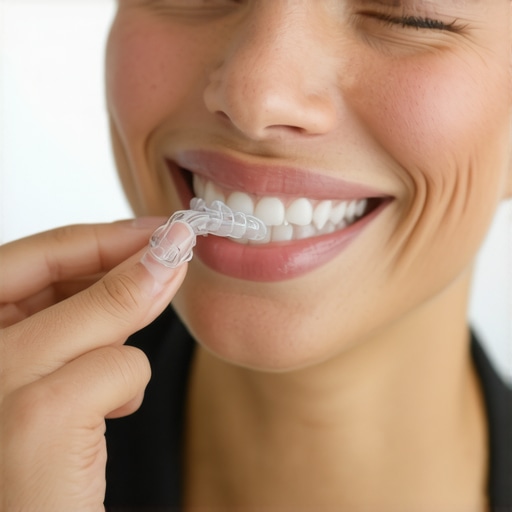
I remember the day clearly. I was mid-sentence during a family dinner when I felt that unsettling wobble in my smile — one of my Invisalign attachments had come loose. My heart sank. Panic started creeping in because I wasn’t sure what to do, and the last thing I wanted was to derail my entire treatment schedule. If you’ve ever experienced a loose Invisalign attachment, you know that instant feeling of worry. But let me tell you, it’s more common than you think, and there are simple, effective ways to handle it.
Why A Loose Invisalign Attachment Can Feel Like a Crisis
Getting a loose or fallen attachment can seem like a major setback. When I first faced this, I thought my treatment was ruined — that I’d have to see the orthodontist immediately or risk losing progress. Truth is, a loose attachment doesn’t mean you have to panic or seek emergency care right away. Often, it’s minor and fixable with a little know-how. Recognizing this can save you stress, time, and even money. Plus, knowing how to handle this situation confidently helps keep your treatment on track without unnecessary delays.
Is a Loose Attachment a Sign of Trouble? My Early Mistake
Early in my Invisalign journey, I ignored minor issues, thinking everything would fix itself. I even tried to push the attachment back into place myself — a mistake that made things worse. I learned that patience and proper technique are crucial. If you’re cautious and aware, you can often resolve minor problems without an emergency visit. Studies show that small mishaps like this are typical during orthodontic treatment, and knowing how to manage them reduces frustration and risk of further damage (source: American Association of Orthodontists).
Are you currently worried about a loose attachment? Or maybe this has already happened to you, and you’re unsure what to do next. Don’t worry — in the following sections, I’ll walk you through the step-by-step process to fix it safely and effectively. Keep reading, because your next move could be simpler than you think and exactly what you needed to keep your smile shining bright.
Secure the Attachment Immediately to Prevent Further Damage
When I first noticed my attachment wobbly during a lunch meeting, I gently pressed around the area with clean fingers to assess looseness—never try to force it back into place. I found that a light touch prevented it from falling off entirely. The key is to avoid attempting to reattach it yourself with anything but professional guidance, as this could cause harm or complicate the fix.
Identify the Severity and Decide on Your Next Move
Check if the attachment is barely loose or completely detached
My experience showed that minor wiggles could often be managed with simple steps. If it’s just slightly loose, you might be able to handle it at home temporarily, but if it’s fully off, professional help is mandatory. Remember, do not attempt to rebond or glue the attachment yourself. For full detachment, schedule an appointment with your orthodontist without delay.
Temporary Fixes Without Compromising Safety
I remembered my dentist’s advice: never try DIY repairs that involve adhesives or household glues. Instead, I used a small piece of orthodontic wax or dental silicone temporarily to hold the attachment in place—just enough to wear my aligners comfortably until my appointment. This method is safe and prevents debris from accumulating, which could irritate your gums or damage your aligners.
Strengthen Your Approach with Proper Care
Protect the loose attachment from further damage by avoiding hard or sticky foods that could dislodge it completely. I cut out crunchy snacks and sticky candies for a few days. These foods—like nuts or caramel—are the enemies of attachments, and skipping them can prevent unnecessary setbacks. Also, maintain excellent oral hygiene by gently brushing around the area to keep it free from plaque, which can impede reattachment or cause soreness.
Plan Your Visit to the Dentist or Orthodontist
Scheduling an appointment is the best step. When I called my orthodontist, they emphasized that professional reattachment is the safest and most effective solution—using specialized dental adhesives designed for this purpose. They also checked my other attachments to prevent future issues. Remember, a loose attachment is typically a minor problem but needs expert handling to keep your treatment on track.
Ensure Correct Alignment After Fixing
Post-repair, you might notice slight discomfort or minor misalignment temporarily. That’s normal as your teeth readjust. I was advised to wear my aligners diligently and avoid skipping any doses to ensure the new attachment held firmly and that my overall treatment progressed smoothly. Patience and adherence to professional advice are crucial here.
Learn from Your Experience and Prevent Future Loosening
To minimize the risk of attachments coming loose again, I made a habit of avoiding chewy, sticky foods and not eating with my aligners in. Regularly cleaning and inspecting your attachments can also alert you to early signs of looseness, allowing prompt action before they fall off. Staying vigilant doesn’t just save time; it maintains the integrity of your entire treatment plan.
In case you’re curious about other orthodontic innovations that streamline treatment, check out the latest Invisalign innovations which reduce the chances of such issues. Remember, proactive care and professional appointments are your best allies in this journey toward a perfect smile.
While many believe teeth whitening, veneers, Invisalign, and family dentistry are straightforward solutions, the reality is far more nuanced. A common misconception is that all whitening treatments are equally effective and safe; however, over-the-counter kits often cause sensitivity or uneven results because they lack professional supervision (source: [teeth whitening secrets](https://smilegumcare.com/teeth-whitening-secrets-for-a-sparkling-smile-in-2025-at-1248)). Similarly, many assume veneers are just cosmetic upgrades, but improperly done veneers can lead to issues like talk with a slight lisp or gum recession if not planned meticulously, as detailed in [veneer tips](https://smilegumcare.com/veneers-made-simple-transform-your-tooth-aesthetics-in-2025-at-1822). When it comes to Invisalign, the myth persists that it’s a quick fix; in reality, advanced cases require careful planning, including bone density assessments, highlighted in [Invisalign advancements](https://smilegumcare.com/invisalign-innovation-invisible-braces-changing-smiles-in-2025-at-1537). And finally, many underestimate the importance of family dentistry by thinking it’s just regular check-ups — but in truth, establishing a vigilant routine helps prevent complex issues later, as discussed in [family dental tips](https://smilegumcare.com/family-dentistry-tips-creating-a-healthy-smile-for-your-kids-at-0915).
Are Your Expectations Realistic or Just Wishful Thinking?
A sophisticated understanding reveals that dental treatments demand precise execution, patient compliance, and ongoing professional care. Overconfidence in DIY fixes or quick results can lead to costly complications—like gum damage or ineffective treatments—that could have been avoided. Recognizing that each procedure carries nuances enhances your ability to make informed decisions and avoid common pitfalls. Always consult with a qualified specialist before starting or adjusting your dental routines, and remember, the best outcomes often stem from realistic expectations and expert guidance. Have you ever fallen into this trap? Let me know in the comments.Maintaining your smile after teeth whitening, veneers, or Invisalign requires more than just routine brushing. Investing in specialized tools ensures long-lasting results and prevents premature damage. First, I highly recommend using an electric toothbrush with adjustable settings, like the Sonicare DiamondClean, because its sonic vibrations effectively remove plaque without compromising delicate veneers or gum tissue, unlike manual brushes which can be too abrasive.
Next, flossing should never be overlooked. I prefer using a water flosser such as Waterpik’s Ultra, which makes reaching around veneers or along wire attachments easier and more thorough. It also minimizes the risk of dislodging attachments or damaging sensitive areas—a common concern among patients. Proper tools make daily hygiene easier and more effective, extending the lifespan of your dental work.
In terms of professional care, scheduling regular check-ups with your dentist or orthodontist is critical. During these visits, professionals can monitor the condition of veneers, detect early signs of decay or gum issues, and perform necessary touch-ups. Modern imaging technology, like digital X-rays, can reveal problems invisible to the naked eye, which is crucial for early intervention.
How do I maintain my dental work over time?
Adopting a tailored cleaning routine tailored to your specific devices is key. For example, if you wear Invisalign trays, I suggest investing in a specialized cleaning device like a UV sanitizer, which kills bacteria and prevents cloudiness or odor buildup. Additionally, make sure to use toothpaste formulated for sensitive teeth and delicate restorations, avoiding abrasive formulas that can scratch or wear down surfaces over time. Looking ahead, I believe advancements in antimicrobial coatings for veneers and aligners will further improve long-term bacterial resistance and ease of maintenance.
Remember, the right tools and consistent care are the backbone of preserving your smile’s functionality and appearance. I’ve personally found that combining a high-quality electric toothbrush, a water flosser, and regular professional visits keeps my dental health optimal. For more insights into maintaining your dental investments, check out this comprehensive guide on veneer upkeep. Don’t forget to try out an ultrasonic cleaner for your aligners—it’s a game-changer for long-term cleanliness and device integrity. Stay vigilant, and your smile will reward you for years to come.
The Hidden Truths I Wish I Knew About Smile Transformations
One of the toughest lessons I learned was that perfection doesn’t happen overnight—and sometimes, small setbacks can be the biggest teachers. For instance, a loose Invisalign attachment isn’t a failure; it’s a reminder that attention to detail in daily care is essential. I also discovered that DIY fixes, while tempting, often do more harm than good. Recognizing genuine issues versus minor inconveniences early can save you time, money, and frustration.
My Toolkit for a Brighter Future
Over the years, I’ve come to rely on trusted resources that truly make a difference. The comprehensive guides on veneers maintenance and Invisalign innovations have helped me stay ahead. Professional tools like ultrasonic cleaners and specific toothpaste for restorations have become staples in my routine. These tools not only preserve my smile but also empower me to be proactive about my oral health.
Your Smile is a Journey—Embrace It
If you’re feeling hesitant or overwhelmed, remember that every step you take toward better dental care adds up. Whether it’s scheduling regular check-ups or perfecting your at-home routine, each action brings you closer to your ideal smile. Patience, consistency, and leaning on expert advice will ensure that your smile remains vibrant and healthy for years to come. So, what’s your next move in mastering your dental health? Share your thoughts below and let’s support each other on this journey.