
How to Fix the Plastic Taste from Brand New Aligners
Ever had that moment when you pop in your brand-new aligners and suddenly, your mouth is filled with a strange, bitter plastic flavor? It caught me off guard the first time, and honestly, I thought something was wrong. That initial shock of an unpleasant taste can really throw you off your confidence and enjoyment of your smile journey.
Why that weird plastic flavor happens and what it means for you
Let’s be real—new aligners are a game changer for straightening teeth, but that lingering plastic taste? It’s more common than you think and not a sign that your treatment is going awry. In fact, it’s a byproduct of the manufacturing process and the initial exposure to saliva and oral environment. This initial taste usually dissipates in a few days, but if you’re like me, you dislike that lingering foul flavor and want it gone ASAP.
Did you know that some people report this taste lasting for weeks? That’s when frustration kicks in. I made the mistake early on of ignoring it, thinking it would just go away. But knowing the root cause helped me find better solutions instead of just enduring it. If you’ve faced this issue, you’re not alone!
And here’s the good news: there are effective methods to minimize and even eliminate that plastic aftertaste quickly. Before we dive into those, let’s address a common worry—”Is this taste a sign of poor-quality aligners or something more serious?” If that crossed your mind, rest assured. That strange flavor isn’t necessarily a red flag but rather a temporary phase of your aligners settling into your mouth.
Now, with that cleared up, let me share the practical tips that worked for me—and can definitely help you get your fresh, clean feeling back without waiting for the smell to fade on its own. It’s time to take control of that plastic taste and enjoy your aligner journey.
Master Your Rinsing Routine to Clear the Taste
Start by rinsing your mouth thoroughly with warm water immediately after removing your aligners. This helps wash away saliva and any manufacturing residues that contribute to that bitter flavor. I remember during my first week, I would spend a full minute rinsing to get rid of the plastic taste, which made a noticeable difference in how fresh my mouth felt throughout the day.
Use Dietary Adjustments to Mask and Reduce Flavor
Chewing sugar-free gum or sucking on a mint can temporarily mask the plastic taste. I found that mint-flavored gum not only masked the flavor but also kept my breath fresh, boosting my confidence during social interactions. Just be sure to avoid sugar, as it can promote cavity formation.
Opt for a Proper Cleaning Method
Regularly cleaning your aligners with a soft toothbrush and mild, non-abrasive toothpaste can help remove residual manufacturing chemicals. I once used a harsh scrub, which left scratches on my aligners, making the taste worse. Instead, gentle cleaning preserves the surface and reduces bitterness.
Soak Aligners in Effective Cleaning Solutions
Soaking your aligners in a mixture of equal parts white vinegar and water for 15 minutes can eliminate plastic residues that cause foul tastes. I did this once during a particularly stubborn week, and the difference was immediate. Just remember to rinse thoroughly afterward to prevent vinegar flavor from transferring.
Manage Saliva and Oral Environment
Keeping your mouth moisturized with sugar-free mints or water spritzers helps dilute saliva, which can carry plastic traces, contributing to the aftertaste. During my busy days, I kept a small bottle of water at hand, ensuring my mouth remained moist, reducing the plastic flavor perception.
Consult Your Dentist for Quality Checks
If the plastic taste persists beyond a couple of weeks, it might be worth scheduling a checkup. Sometimes, manufacturing flaws or materials used in certain brands might cause longer-lasting tastes. I learned that reputable brands, like those discussed in Invisalign innovations, usually have minimal residual taste due to advanced manufacturing standards. Regular professional advice can ensure your aligners are in top condition without contributing to unwanted flavors.Many people assume they fully understand what family dentistry, veneers, Invisalign, and teeth whitening truly entail, but the truth is, there’s often a hidden nuance that many overlook. For instance, a common misconception is that veneers are a quick fix for teeth discoloration or minor chips, but in reality, **they require careful consideration of durability and maintenance**, as discussed in veneer longevity tips.
Another myth revolves around Invisalign—many believe it’s suitable for all orthodontic issues, but **complex misalignments might not respond well to clear aligners**, especially if there’s significant bite correction needed. Choosing the right orthodontic solution involves understanding the limitations and strengths of each method, which is why consulting with an expert is crucial.
In the realm of teeth whitening, countless think all whitening treatments are equal, but in fact, professional whitening often yields better, longer-lasting results compared to over-the-counter products. Even more nuanced is understanding the chemistry behind whitening agents—some may inadvertently cause sensitivity or damage if not used properly, as detailed in professional cleaning and whitening safety.
A noteworthy trap to avoid across all these procedures is neglecting individual oral health conditions which might contraindicate certain treatments. For example, dental restorations or gum disease can impact the success rate of cosmetic procedures and should always be addressed first. This underscores the importance of thorough diagnostic assessments before jumping into solutions.
Diving deeper, one area many miss is the significance of material choice in veneers and crowns—**not all porcelain is created equal**. Some materials may stain or discolor over time, compromising your smile’s appearance after just a few years. Knowing the specifics about material quality can save you from frequent replacements and additional costs.
What’s the takeaway? Your dental journey is nuanced. It’s not just about flashy results but ensuring that all aspects—from material quality to individual health factors—are considered. This is where expert insights and thorough consultations become invaluable, helping you dodge common pitfalls and maintain a healthy, radiant smile.
Have you ever fallen into this trap? Let me know in the comments. For more personalized advice, feel free to reach out to us and start your journey to a better smile today.Maintaining your dental enhancements requires more than just good habits; it involves using the right tools and adopting effective methods to ensure long-term results. Investing in quality equipment and following proven routines can significantly extend the lifespan of veneers, Invisalign aligners, or whitened teeth. For example, I personally swear by using a sonic toothbrush like the Oral-B Genius Pro 8000—its multiple cleaning modes and pressure sensors help me clean thoroughly without damaging delicate restorations or enamel. Additionally, I regularly incorporate interdental cleaners, such as Waterpik water flossers, which I find superior for removing debris around braces and veneers, preventing plaque buildup and potential staining. Regular professional checkups, as advised in family dentistry tips, complement these tools by catching issues early and ensuring everything remains in optimal condition.
Looking toward the future, I believe smart dental devices, integrated with AI technology, will revolutionize how we monitor oral health at home. Imagine toothbrushes that automatically track your brushing habits and provide real-time feedback via an app—this is not far off and will empower us to maintain our smile health proactively.
How do I maintain my dental tools over time?
Proper care of your dental tools is essential. For instance, replace your toothbrush head every three months or sooner if bristles fray—continuing with worn brushes can compromise cleaning effectiveness and damage restorations. Regularly descaling water flossers prevents mineral build-up, which can harbor bacteria. Always store tools in dry, clean environments; for example, using a ventilated toothbrush holder reduces mold and bacteria growth. These habits ensure your tools perform optimally and last longer.
Remember, your daily routine — complemented by high-quality instruments — plays a crucial role in preserving your smile. Try upgrading your toothbrush to a sonic model and see the difference it makes, especially when cleaning around veneers or after whitening treatments. Below is an image of one of my favorite devices in action:
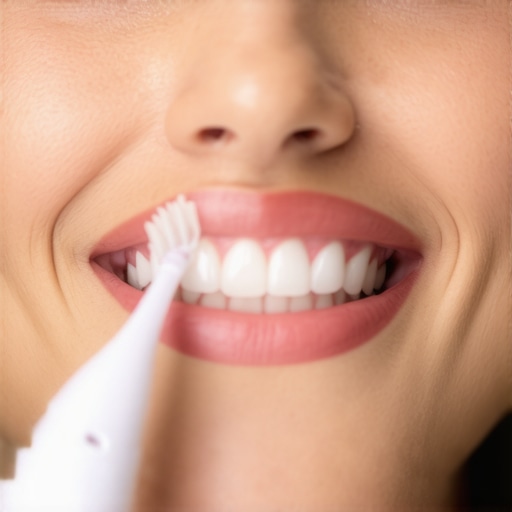
Image Prompt: A modern sonic toothbrush cleaning teeth with visible plaque removal, emphasizing advanced dental technology.
Incorporating these tools into your routine isn’t just about cleaning; it’s about making a long-term investment in your smile’s health and aesthetics. Stay consistent, stay informed, and watch your smile shine for years to come.The most eye-opening lesson I learned about family dentistry, veneers, Invisalign, and teeth whitening is that patience and informed choices are your best allies. I once believed that quick fixes and the latest trends would deliver instant results, but real transformation comes from understanding your unique needs and trusting experienced professionals. Discovering that material quality in veneers directly impacts their longevity taught me that ‘buying cheap’ often costs more in the long run. Moreover, I realized that consistent routine and proper maintenance hold the key to preserving your beautiful smile for decades, rather than relying solely on expensive procedures. Lastly, I found out that transparent communication with your dentist uncovers options tailored specifically to your lifestyle and oral health, avoiding unnecessary disappointment. These lessons transformed my approach from impulsive to strategic—ensuring my smile remains radiant and healthy over time.