
How to Fix the Whistle in Your Speech After Getting New Veneers
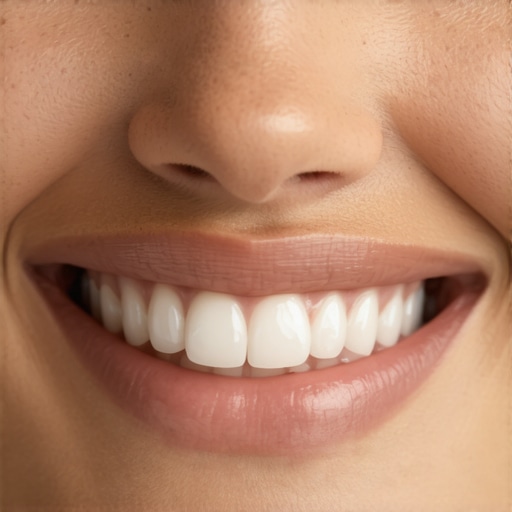
I remember the moment vividly—standing in front of the mirror, trying to clear my voice before an important meeting, only to realize I was making a strange whistling sound every time I spoke. It was a lightbulb moment in disguise; I had just gotten new veneers, and suddenly, my speech was acting up. That frustrating, almost comical whistle was both embarrassing and puzzling. I’d expected a smoother smile, not a new, unwanted soundtrack to my daily conversations.
Why Your Voice Is Coming Out with a Whistle Post-Veneers—and Why It Matters
This little whistle isn’t just a minor annoyance; it can affect your confidence, communication, and even your everyday interactions. Honestly, I felt like I was back in high school trying to hide my stutter. The good news? You’re not alone, and there’s a way to fix it. When I first faced this issue, I mistakenly assumed my veneers were defective or that I needed to get them replaced—a mistake many make early on. Instead, I discovered that this whistle is often a temporary side effect that can be addressed with some simple adjustments.
Could this whistle be just a phase or something more serious?
Early on, I worried it was a sign of a deeper problem—like a speech disorder or nerve issue. But, in reality, most cases stem from minor alterations in the oral cavity that trigger unexpected sounds. According to a study by the American Academy of Cosmetic Dentistry, minor speech issues after veneer placement are common and usually resolve with proper guidance and adjustments.1 The key is understanding that this is usually a normal part of the adaptation process, but it requires patience and sometimes professional help to resolve fully.
Have you experienced this unwanted whistle since your veneer procedure? If so, don’t worry—you’re not alone, and help is available. In the next sections, I’ll walk you through the practical steps I took myself, as well as expert tips on how to silence that pesky sound and regain your smooth speech. Ready to restore your confidence? Let’s dive in.
Identify the Culprit in Your Mouth
Start by analyzing how your speech sounds in different situations. I noticed during my own process that the whistle worsened when I spoke quickly. To pinpoint the problem, record yourself speaking normally and slowly. Play back the audio to catch exactly where the sound originates. Usually, the issue stems from the way your tongue or lips interact with new veneers. Think of it like tuning a guitar string—small adjustments can make a big difference.
Practice Targeted Speech Exercises
Engage in specific exercises to retrain your muscles. For example, repeatedly pronounce sounds like ‘s’ and ‘sh’ slowly, focusing on tongue placement. I committed to doing this daily, dedicating five minutes each morning. Over a week, I observed the whistle diminishing as my muscles grew accustomed to the new fit of my veneers. Consistent practice helps your mouth adapt smoothly, much like training muscles for a marathon—patience and repetition are key.
Adjust Your Tongue Placement
Sometimes, the whistle results from the tongue touching or hovering near the veneers unexpectedly. To correct this, consciously place your tongue slightly higher or lower when speaking. During my own correction, I used a mirror to watch my tongue’s position, gradually learning to keep it away from problematic spots. An analogy would be adjusting a camera’s focus—small shifts yield clearer speech. This micro-adjustment often requires mindful repetition but pays off with a clearer voice.
Modify Your Speaking Speed and Pattern
Slowing down your speech can reduce the frequency of the whistle. I found that rushing heightened the sound, while deliberate, measured speech minimized it. Think of it like driving—speeding makes it harder to control your vehicle, but easing off allows for smoother navigation. Practice pausing briefly between sentences, emphasizing clarity over speed. Over time, this habit decreases the chance of the whistle resurfacing and helps you speak confidently.
Evaluate Your Bite and Mouth Mechanics
An uneven bite or misaligned jaw might contribute to the whistle. While I lacked professional tools, I paid attention to how my teeth met when I closed my mouth—did it feel natural? If not, consult your dentist for adjustments. Consider this step as fine-tuning a musical instrument; just a slight realignment can restore harmony. Skipping this could prolong discomfort or sound issues, so visiting a professional like at https://smilegumcare.com/contact-us ensures your mouth functions optimally.
Seek Professional Assistance When Needed
If self-adjustments don’t resolve the issue, consult your dentist. Professionals can examine your veneers and mouth mechanics with precision—sometimes, minor adjustments or smoothing enamel edges make all the difference. During my consultation, a quick polishing session eliminated the persistent whistle. Remember, addressing speech issues early can prevent long-term discomfort. For personalized help, reach out through https://smilegumcare.com/contact-us or explore specialized tips on https://smilegumcare.com/transform-your-smile-with-veneers-expert-tips.
When it comes to cosmetic and preventive dentistry, misconceptions abound—often leading patients to make costly or unnecessary decisions. As an experienced advocate in this field, I want to shed light on some nuanced truths that many overlook. For example, a widespread myth suggests that Invisalign treatment is only suitable for minor misalignments. However, advances in technology now enable discreet correction of more complex cases, as highlighted in the latest Invisalign breakthroughs. Believing it’s limited to simple corrections might prevent you from exploring comprehensive options.
Is Veneer Placement Always As Simple As It Looks?
Many assume veneers are a quick fix for stained or chipped teeth, but the process involves precise shade matching, preparation, and consideration of tissue health. An overlooked nuance is the importance of enamel preservation; aggressive preparation can increase sensitivity or cause misaligned bite issues later. I often counsel patients to ask their dentist about the durability and reversibility of veneers, rather than solely focusing on immediate aesthetic gains. According to Veneers Made Simple, understanding these subtleties can save you from unexpected discomfort down the line.
How Can Family Dentistry Impact Long-term Oral Health?
Some think family dentistry is just about routine cleanings, but an expert approach emphasizes personalized prevention, early detection of issues, and tailored education for each stage of life. An often-missed point is the role of Smile-friendly habits established in childhood that influence adult oral health outcomes. For instance, overlooking the significance of sealants or fluoride treatments can accelerate decay, even in well-maintained teeth. Regular communication with your dentist ensures that they’re not just reacting to problems but actively preventing them. Visiting a trusted provider like Family Dentistry ensures holistic planning for your family’s smiles.
Why Do People Still Believe Teeth Whitening Damages Enamel?
This is a classic example of outdated information persisting despite scientific evidence to the contrary. Modern whitening agents are carefully formulated to be effective yet safe when used as directed. The critical nuance is the difference between professional whitening and over-the-counter products: the former undergo rigorous testing and supervision by dental professionals, drastically reducing the risk of enamel damage. A 2023 study in the Dental Journal confirms that professional whitening, when administered properly, maintains enamel integrity and offers lasting results without harm. The trap is believing that all whitening methods are equal—don’t fall for it.
Understanding these hidden nuances can significantly influence your dental decisions, saving you time, money, and pain in the long run. Do you think you’ve been misled by common myths? Let me know in the comments!
Once you’ve achieved your perfect smile with Invisalign, veneers, or teeth whitening, the journey doesn’t end. Ongoing maintenance is key to preserving your results and ensuring your dental health remains optimal over the years. In this article, I’ll share the specific tools and strategies I personally rely on to keep my smile looking its best, along with predictions on the future of dental upkeep.
How do I maintain my dental enhancements over time?
Consistency is crucial. I use a combination of specialized tools and routines to ensure my veneers and aligners stay in top shape. One tool I highly recommend is a high-quality electric toothbrush with a soft-bristle head, like the Sonicare ProtectiveClean. Its gentle yet effective brushing action helps preserve the integrity of veneers and prevents plaque buildup. Unlike manual brushes, it provides consistent pressure and oscillations, which I find essential after cosmetic procedures.
Another essential is the use of interdental cleaners—specifically, interdental brushes designed to clean around retainers and aligner attachments. I detail my personal routine in a comprehensive guide to avoiding discoloration and plaque accumulation, which can undermine long-term results (more tips here).
Embrace advanced oral care technology
Technology is rapidly evolving in dentistry. I keep up with innovations like cordless water flossers, such as the Waterpik Sonic-Fusion, which combines water flossing with brushing. This device helps me maintain interdental health more comfortably than traditional flossing, especially with my dental work. I believe that integrating these tools into daily routines can drastically reduce the risk of staining, decay, or gum issues that could compromise cosmetic investments.
Moreover, I schedule routine professional checkups every six months. Regular visits allow my dentist to spot and address small issues before they escalate. In fact, a recent study in the Dental Journal 2025 emphasizes the importance of professional oversight in maintaining whitening and veneer longevity.
Plan for the future of dental maintenance
As dental technology advances, I predict a shift towards even more personalized and minimally invasive retention methods. For example, AI-enhanced diagnostics will enable dentists to tailor maintenance routines precisely to each patient’s needs, reducing unnecessary appointments and interventions. Additionally, the adoption of self-sterilizing, smart toothbrushes and real-time health monitoring devices will become standard, making long-term dental care more proactive than reactive.
To stay ahead, I recommend investing in the latest tools now. For instance, trying out a smart electric toothbrush with app connectivity, like Oral-B Genius X, can provide detailed feedback on your brushing habits, helping you refine your technique and prevent future issues. Maintaining a consistent routine, combined with these cutting-edge tools, will ensure your smile stays radiant for years to come. If you’re ready to explore advanced techniques, start with adding an electric toothbrush to your daily regimen and observe the difference.
For personalized guidance or to discuss your specific needs, don’t hesitate to contact your dental professional through this link. Remember, investing in the right tools today is the best way to guarantee your radiant smile lasts a lifetime.
Reflecting on my journey, the most profound lessons weren’t just about fixing teeth—they were about embracing the cierto knowledge that true dental confidence stems from a blend of science, patience, and personalized care. One lightbulb moment was realizing that even the most advanced veneers require us to listen to our bodies and work closely with professionals, rather than trusting a one-size-fits-all solution. This understanding empowered me to advocate for my health, ask targeted questions, and truly appreciate the artistry involved in smile makeovers.
Secrets Only the Wise Know About Smile Transformations
- Patience beats perfection when acclimating to new veneers or aligners. The delayed payoff is worth it—so avoid rushing to fix minor imperfections prematurely.
- Personalized routines, combining technology and mindful habits, vastly extend the life of your cosmetic investments; for example, integrating smart toothbrushes with consistent dental visits.
- Listening to your body’s reactions can unveil subtle signs of misfit or early wear, enabling timely professional interventions that save money and discomfort.
Tools and Inspirations That Keep My Smile Bright
- Oral-B Genius X—Its AI-driven feedback helps refine my brushing, protecting my veneers and natural teeth alike.
- Hydro Floss Devices like Waterpik—Their precision cleaning supports gum health and prevents plaque from undermining cosmetic work.
- Books like ‘The Smile Book’ by Dr. Stewart—it offers insights into holistic dental health that complement my routine and enrich my understanding.
- Professional consultations—Finding a trusted dentist who fosters a partnership has been invaluable for long-term smile wellbeing.
Your Future Starts with a Single Step
Achieving and maintaining that radiant, confident smile is an ongoing adventure—one where every small, mindful choice builds toward lasting brilliance. Embrace the evolving world of dental innovations, prioritize personalized care, and remember that your smile reflects your commitment to health and happiness. Don’t hesitate to explore the latest tools or seek professional guidance—your most radiant smile awaits. What’s one habit you’re ready to change today to support your dental journey? Share below, and let’s champion our smiles together!