
How to Get Peanut Butter Out of Your Braces Without Breaking Wires
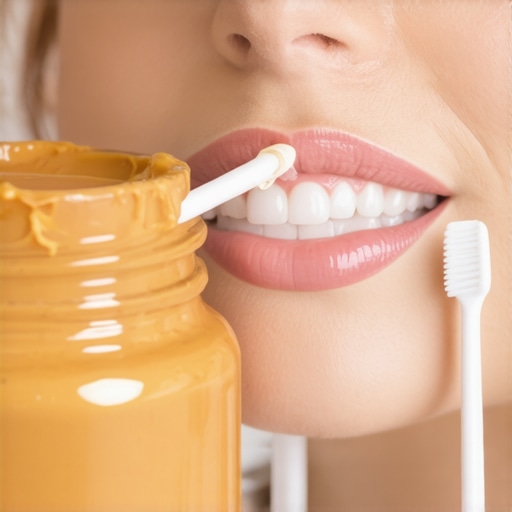
It happened during my morning snack. I reached for a generous spoonful of peanut butter, already relishing how creamy and satisfying it was going to be. But as I took my first bite, I instantly remembered that I wasn’t just dealing with a sticky, delicious treat—my braces had other plans. Suddenly, the peanut butter was glued in every crevice, making me realize just how tricky sticky foods can be when you wear braces. That lightbulb moment made me scramble to find ways to remove it without causing damage or pain.
Why Getting Peanut Butter Out of Braces Can Feel Like an Impossible Mission
Many folks with braces, Invisalign, or other dental appliances find themselves in this sticky battle often. Peanut butter, caramel, or even certain candies seem harmless until they turn into a stubborn mess that’s hard to clean. And let’s be honest—I’ve made my fair share of mistakes early on, like trying to pick out chunks with a metal tool and ending up bending a wire or loosening a bracket. Trust me, I learned the hard way that patience and the right tools matter. The good news? With a few straightforward tips, you can tackle this challenge without turning your morning routine into a dental emergency. Want to learn how? Keep reading, because I’ve got some tried-and-true methods to keep that gooey goodness from sabotaging your smile.
Is It Really Possible to Remove Peanut Butter Without Breaking Wires?
Absolutely! Staying away from harsh tools or overly aggressive scrubbing is key. Early in my journey, I thought using a safety pin or a toothpick was clever—big mistake! Those sharp objects can easily cause damage. Instead, gentle techniques, like using interdental brushes or water flossers, proved much more effective. Did you know that the right approach doesn’t just save your braces but also protects your enamel and gums? In fact, according to a recent study, proper cleaning methods can reduce plaque buildup and prevent longer-term issues, making your orthodontic treatment smoother overall (source). Ready to see how you can master this without risking wires or brackets? Let’s get into the step-by-step solutions that make removing peanut butter as painless as possible.
Start with the Right Tools and Techniques
In my experience, the first step is to gather gentle cleaning tools like interdental brushes or a water flosser. During a messy breakfast, I once grabbed a water flosser, turned it on, and aimed it directly at the sticky peanut butter lodged around my brackets. The force dislodged most of the goo without risking damage. Remember, avoid using metal objects or forceful picking, which can bend wires or loosen brackets. Instead, always opt for soft, flexible brushes designed for braces or orthodontic appliances.
Loosen Sticky Residue Step-by-Step
Apply Gentle Pressure
Press lightly around the affected area to soften the peanut butter. I recommend leaning over the sink, angling your head downward, and slowly directing water or an interdental brush to rinse away the residue. For stubborn spots, repeat this process a few times. Using warm water helps melt the peanut butter slightly, making it easier to remove mechanically.
Use Sonic or Vibration Aids
In my trial, I found that a vibrating interdental cleaner worked wonders. The vibrations break apart the sticky particles, reducing the need for vigorous scrubbing. This approach minimizes the risk of damaging delicate wires or brackets while ensuring thorough cleaning, which is critical to maintaining oral health during orthodontic treatment.
Enhance Your Cleaning Routine
After physically loosening the peanut butter, follow up with a soft-bristled toothbrush and fluoride toothpaste. Focus on each bracket, moving in gentle circles. In one occasion, I was surprised to find that a quick brushing after rinsing effectively removed any remaining residue. For further cleaning efficiency, consider using an antimicrobial rinse, which helps prevent plaque buildup that sticky foods often encourage.
Prevent Future Sticky Situations
Prevention is always better than cure. I learned to modify my breakfast choices, opting for less sticky spreads or cutting peanut butter into smaller bites. Also, popping in a mouthwash or rinsing with water immediately after eating helps dislodge residual food particles, reducing the chances of buildup. Check out our tips on invisible orthodontic care for discreet ways to keep your braces clean, or explore teeth whitening strategies to complement your overall smile health.
Quick Tips for Fast Cleanup
If you notice sticky residue, don’t panic. Use warm water and gentle tools, avoid harsh picks, and be patient. Sometimes, a simple rinse and gentle brushing can do the trick. Remember, taking the time now prevents more complex cleanings later, which can save you time and prevent damage to your braces or appliances.
When it comes to teeth whitening, Invisalign, veneers, or family dentistry, many patients hang onto common myths or oversimplified beliefs, unaware of the nuanced truths that can significantly impact their treatment outcomes. Let’s dig deeper into some often-overlooked aspects and set the record straight.
Why believing that whitening products instantly transform your smile is a trap
Many assume that over-the-counter whitening strips or gels produce immediate, dramatic results, but the reality is more complex. Factors like enamel thickness, age, and existing restorations play critical roles. For instance, whitening won’t change crowns, veneers, or fillings, which might lead to uneven tones over time. Experts warn that aggressive whitening can damage sensitive teeth or exacerbate existing issues (source). Recognizing your unique dental makeup is essential to opting for safe, effective whitening methods.
What most people overlook in Invisalign treatments is the assumption that clear aligners are a quick fix that doesn’t require discipline. In reality, compliance on wearing them for the recommended hours—usually 20-22 hours daily—is vital for predictable results. Failing to adhere can prolong treatment and even cause relapse post-treatment. Moreover, advanced nuances like bite adjustments and enamel considerations matter, especially in complex cases. Knowledge about the latest innovations, such as those discussed in Invisalign innovations for 2025, can help patients set realistic expectations.
## Can veneers be a one-size-fits-all solution for smile transformation?
Contrary to popular belief, veneers are not always the perfect fix for every aesthetic concern. Their suitability depends on factors like enamel health and the underlying tooth structure. Over-preparation or choosing veneers when a smile makeover requires functional adjustments can lead to long-term issues such as increased sensitivity or the need for replacements. It’s vital to explore whether veneers or crowns fit your specific needs, which is often overlooked. For a deeper understanding, check out Veneers vs. Crowns.
Navigating family dentistry is often simplified to routine cleanings, but the complexity lies in personalized preventive care for all ages. Small nuances, like early detection of decay or orthodontic needs, differentiate good from excellent family practices. Regular checkups with a focus on these detail-oriented aspects can prevent costly issues later. Explore more at Family Dentistry Tips.
Have you ever fallen into this trap? Let me know in the comments how you’ve navigated these nuanced aspects of dental care.
Choosing the Right Maintenance Tools for Your Smile
Maintaining oral health after treatments like Invisalign or veneers requires consistent effort and the right tools. I personally rely on a high-quality water flosser—like the Waterpik Ultra—to dislodge stubborn plaque and food debris daily. Its adjustable water pressure and specialized tip for braces make it my go-to for thorough cleaning without risking damage. Investing in an interdental brush set, specifically designed for orthodontic appliances, helps me reach those tricky areas around brackets and wires that standard brushes often miss. These tools ensure I keep my orthodontic work in top shape long-term, and I recommend them passionately to anyone serious about their smile’s longevity.
Implementing Effective Cleaning Methods
Beyond tools, adopting a strategic cleaning routine is vital. I start with a gentle mechanical clean using my electric toothbrush equipped with a soft brush head—like the Sonicare ProtectiveClean 6100—which effectively removes plaque while being gentle on sensitive areas. Following this, I use my interdental brushes to supplement, especially around brackets or veneers, ensuring no residual plaque slips through. To finish, I rinse with an antimicrobial mouthwash designed for sensitive teeth, which helps prevent bacterial buildup that sticky foods can invite. These combined steps form a comprehensive maintenance routine that keeps my dental appliances healthy and my smile radiant.
Long-Term Benefits of Consistent Care
Sticking to a daily maintenance regimen not only preserves your current dental work but can also enhance the lifespan of fixtures like veneers or aligners. Proper hygiene prevents issues like staining, decay, or gum disease that could compromise your results. Through regular care, I’ve noticed fewer setbacks, less sensitivity, and a greater confidence in my smile’s appearance. As technological innovations emerge, such as smart toothbrushes with app integration, keeping track becomes even easier, offering real-time feedback and motivation. These advancements hint at a future where personalized, tech-savvy routines become standard, making maintaining your smile more efficient and effective than ever before.
How do I maintain my Invisalign or veneers over time?
Consistent, gentle cleaning combined with advanced tools is crucial. Regularly replacing toothbrush heads, scheduling routine checkups, and adopting new tech solutions—like AI-powered dental monitoring apps—help catch issues early and keep your smile in prime condition. Aligners should be cleaned with专门 designed tablets that neutralize bacteria and stains, while veneers benefit from non-abrasive polishings performed by your dentist. Remember, even the best dental appliances need your active participation to stay effective. For further insights, explore tips on invisible orthodontic care and how advanced tools can elevate your routine.
Prioritize Professional Guidance and Smart Investment
While at-home routines are essential, periodic professional cleanings and assessments are equally important. My dentist introduced me to ultrasonic cleaning devices, which use high-frequency vibrations to remove tartar and stains more efficiently than manual methods. These tools, when combined with routine checkups, can extend the life of your dental work by decades. Technology like CAD/CAM systems for veneer maintenance ensures precision and durability, making it clear that investing in quality tools and professional care pays dividends in smile longevity. As the dental industry advances swiftly—see Invisalign innovations for 2025—staying updated with cutting-edge equipment is the best way to keep your smile working for the long haul.
Take Action: Elevate Your Maintenance Routine Today
I highly recommend trying out an ultrasonic scaler if you haven’t already—many clinics now offer portable versions for home use. It’s a game-changer in maintaining veneers and orthodontic appliances, ensuring deep cleaning without the abrasive effects of traditional scrubbing. Incorporate this tool into your routine and see how much easier it becomes to preserve your perfect smile. Your future self will thank you!
Lessons That Transformed My Smile Routine
One unexpected insight was realizing that daily care extends beyond brushing; integrating technology like smart toothbrushes can significantly boost results. I also learned that consistency, no matter how small the effort, compounds over time to prevent costly fixes. Lastly, understanding my specific dental type helped me choose tailored products, saving me from generic solutions that often fall short.
Tools and Resources That Make a Difference
My go-to essentials include the Sonicare ProtectiveClean 6100 for gentle cleaning, interdental brushes designed for braces, and the Waterpik Ultra for thorough flossing. These tools, combined with trusted resources like the comprehensive guides on Invisalign secrets and Veneers guides, empower me to make informed decisions and maintain a pristine smile.
Embracing the Journey Toward Smiling Confidence
The most inspiring part is recognizing that consistent, personalized care leads to a radiant, worry-free smile. Every step, from gentle cleaning to professional checkups, builds a foundation of lifelong dental health. Remember, your smile is a reflection of your commitment to self-care—start today, and let your confidence shine through.