
How to get rid of the ‘white spots’ on your teeth
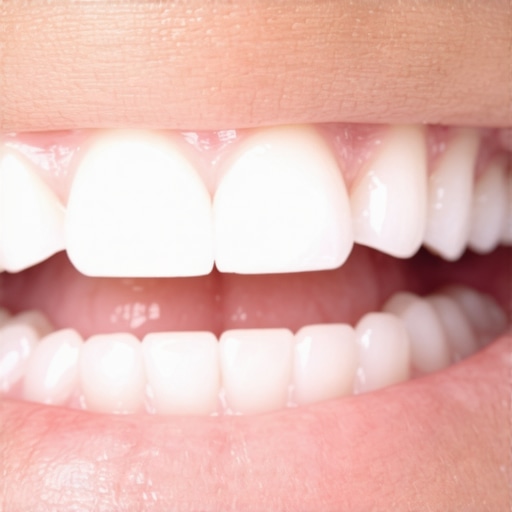
I remember staring into the bathroom mirror, frustration bubbling up as I noticed those stubborn white spots marring my smile. It was a sharp moment of realization—despite regular brushing and whitening attempts, those blemishes refused to fade. For a long time, I believed they were permanent scars of my earlier dental care missteps, and I felt self-conscious whenever I smiled in photos or on casual encounters.
Why I Decided to Tackle Those White Spots Head-On
If you’ve ever experienced this, you know how it chips away at your confidence. You wonder if there’s a magic fix or some secret dental trick to banish them forever. Well, after months of trial, errors, and a fair share of discouragement, I discovered that dealing with white spots isn’t just about surface whitening; it’s about understanding their root cause and finding tailored solutions.
In my journey, I learned that white spots often stem from enamel hypoplasia, demineralization, or even past fluoride overexposure. The good news? Modern dental techniques and some proactive habits can make a real difference. Today, I want to share what I found helpful—rooted in personal experience and backed by expert advice—so you don’t have to go through the same frustration. If you’ve faced this problem, keep reading, because your brighter, more confident smile might be just a few tips away.
Is the Hype About Teeth Whitening and Veneers Overblown?
Early on, I made the mistake of assuming that whitening products alone would erase those stubborn spots. Not only did that fail to deliver the results I craved, but some products made my situation worse, highlighting the spots further. A common misconception is that surface whitening can correct internal flaws; it can’t. Genuine solutions often involve addressing underlying causes—like remineralization treatments or cosmetic procedures such as veneers. For more insight into effective transformations, check out this guide on veneers.
Based on a study published in the American Journal of Dentistry, approximately 20% of white spots are due to enamel hypoplasia, which requires specific treatment strategies, not just cosmetic covers. Remember, tackling these spots is a mix of science and artistry—something I learned the hard way early in my quest for a flawless smile.
So, if you’ve been hesitating because of doubts or skepticism, you’re not alone. But equipped with the right knowledge and approach, those white spots can become a thing of the past. Up next, I’ll walk you through the practical steps that helped me—and may help you—on this journey toward a healthier, brighter smile.
Targeted Teeth Remineralization to Reduce White Spots
Start with a professional fluoride treatment known for its remineralizing properties. I personally visited my dentist for a fluoride varnish application, which I left on for 4 minutes before rinsing. This process helps restore minerals in enamel, making white spots less noticeable over time.
Use Potassium Nitrate or Special Toothpaste
Incorporate toothpaste containing potassium nitrate designed for sensitivity and remineralization. I applied this twice daily, gently brushing for two minutes, which gradually improved enamel health and visibly reduced spots. Consistent use was key—don’t skip days if you want results.
Implement Smart At-Home Whitening Practices
Opt for gentle whitening alternatives like peroxide-based gels, applied with a custom tray. I made my own trays using a kit, following instructions carefully. This targeted approach minimizes damage to enamel while lightening surrounding areas, making white spots blend better with the rest of your teeth. Be cautious—overusing harsh whitening products can worsen spots.
Consider Dental Bonding or Veneers for Instant Results
If spots persist after remineralization efforts, cosmetic procedures can be effective. I decided on composite bonding, which involves layering tooth-colored resin over affected areas. During my appointment, the dentist reshaped my teeth, covering white spots entirely. This is a quick fix—often completed in a single visit—but requires proper maintenance to ensure longevity. For a more durable solution, veneers are an option, providing a porcelain shell to mask imperfections. Learn more about makesure your smile is prepared with the right choice by visiting this guide on veneers.
Adopt Preventive Habits to Protect Enamel
Reduce acidic foods and drinks, and avoid aggressive brushing, which can erode enamel further. I switched to a soft-bristled brush and employed gentle circular motions, which I learned from family dentistry tips. Regular dental check-ups ensure early detection and management of white spots before they become severe. Maintaining good oral hygiene is your best defense against new spots forming.
Leverage Professional Dental Advice and Treatment Plans
Consult your dentist for personalized assessments and tailored treatments. During my visit, my dentist recommended a specific remineralization protocol combined with minimal whitening to even out my tooth color. Remember, DIY solutions can sometimes do more harm than good—always seek professional guidance for persistent issues. For details on effective treatments, see teeth whitening secrets.
By following these concrete steps—starting with remineralization, considering cosmetic bonding or veneers if necessary, and adopting preventive habits—you can address white spots systematically. Every intervention should be based on your unique dental condition, emphasizing the importance of professional oversight. These methods helped me regain confidence in my smile and can do the same for you—remember, patience combined with professional advice is key to lasting results.
While concepts like veneers, Invisalign, and teeth whitening are popular in cosmetic dentistry, there’s a significant misconception about their limitations and best practices that many patients overlook. For instance, a common myth is that veneers can instantly fix all aesthetic issues, but in reality, they’re best suited for specific cases like chipped or severely discolored teeth; overusing them can lead to an unnatural appearance. Similarly, many believe Invisalign is only effective for minor misalignments, yet advanced digital planning and flexible treatment options now enable complex cases to be corrected discreetly. The key is understanding that these treatments should be customized based on individual oral health, bite mechanics, and long-term maintenance—failures to consider these nuances can lead to costly or ineffective results.
One often-missed detail is the importance of material choice for veneers, as porcelain offers durability but may require more tooth preparation, whereas composite veneers are less invasive but may stain or chip sooner. Moreover, a trap that many patients fall into is choosing solutions based solely on aesthetic desires without consulting on functionality; for example, whitening treatments can sometimes weaken enamel if overused, increasing sensitivity or vulnerability to decay, as highlighted in a study by the American Dental Association. Make sure your approach balances beauty with strength.
What advanced considerations should I discuss with my dentist before choosing a cosmetic option?
An expert emphasizes that understanding the underlying causes—such as enamel erosion, habits like teeth grinding, or gum health—is vital before proceeding. Addressing these root problems ensures longevity and satisfaction with results. For example, combining orthodontics like Invisalign with addressing functional issues such as bite misalignments often yields better results than isolated cosmetic procedures. To maximize your investment, explore comprehensive assessments and personalized plans that incorporate preventive strategies, as described in [this in-depth guide on smile transformation](https://smilegumcare.com/transform-your-smile-with-veneers-expert-tips).
One critical ‘oops’ to avoid is underestimating the maintenance needed after treatments. Veneers and whitening, though impressive, require ongoing care and periodic touch-ups to sustain their appearance. Similarly, misaligned expectations about the permanence of whitening results can lead to disappointment; while whitening can last years, lifestyle choices such as smoking or consuming staining foods can diminish effects rapidly. The best outcomes happen when you see cosmetic procedures as parts of a broader oral health strategy—think of them as enhancements rather than magical fixes. For more on maintaining your smile post-treatment, visit [this comprehensive family dentistry resource](https://smilegumcare.com/family-dentistry-tips-creating-a-healthy-smile-for-your-kids-at-0915).
Achieving a radiant, healthy smile isn’t just about the initial treatment; it requires diligent maintenance and the right tools to keep everything in top shape. Over the years, I’ve honed my routine using specific equipment and software that make a tangible difference in long-term dental health.
Investing in a Quality Electric Toothbrush
My personal go-to is the Sonicare DiamondClean. Its oscillating motion provides superior plaque removal, especially around veneers and orthodontic attachments. The built-in timers ensure I brush for the recommended two minutes, and I set it on gentle mode to avoid enamel erosion. Regular use with a soft-bristled brush substantially reduces the risk of white spot development, especially when combined with remineralization toothpaste. As dental science advances, smart toothbrushes equipped with Bluetooth, like the Oral-B Genius, now offer real-time feedback via smartphone apps. This tech helps me improve my technique and ensures I don’t miss spots—a vital component in maintaining whitening results and overall oral health.
Harnessing Software for Smile Monitoring
Digital apps such as SmileView or even custom photo tracking help me visually monitor my progress with aligners or whitening treatments. By capturing weekly photos, I can compare changes and catch any issues early—like uneven whitening or shifting teeth—before they become significant problems. These tools give me a clear, data-driven view and facilitate discussions with my dentist during check-ups. With the trajectory of AI-driven dental diagnostics, I predict that in the near future, personalized treatment plans will be even more accessible through these platforms, ensuring better results and fewer visits.
Keeping Equipment Clean and Effective
Proper hygiene of tools is essential. For instance, I regularly soak my retainers and whitening trays in hydrogen peroxide to prevent bacteria buildup, which could stain or damage the appliances. A dedicated toothbrush with soft bristles for cleaning trays is also invaluable. Maintaining the integrity of these tools ensures consistent performance, whether it’s for invisalign aligners or whitening devices.
Essential Supplies for Maintenance Success
Alongside my tech, I use high-quality fluoride varnishes and remineralizing gels, which my dentist recommends for long-term enamel preservation. Applying these weekly reinforces my teeth’s defenses against decay and white spots. Pairing these with a consistent flossing routine using waxed silk floss helps remove plaque at the gum line, minimizing the risk of periodontal issues that could compromise cosmetic results.
Where This Trend Is Heading
Looking ahead, I believe the integration of AI, at-home diagnostics, and personalized oral health dashboards will revolutionize maintenance routines. Expect to see smart appliances that adapt to your specific needs, providing real-time alerts for potential issues. Staying ahead involves not just following traditional advice but embracing these innovations—like using advanced remineralization tools or digital tracking—to protect your investment in cosmetic procedures.
How do I maintain my dental enhancements over time?
The key is regular follow-ups, staying consistent with your daily tools, and leveraging technology to catch early signs of wear or issues. For example, I schedule semi-annual dental visits where my dentist checks the integrity of veneers and aligners, ensuring everything remains in place. Using apps to monitor progress keeps me engaged and proactive. Remember, cosmetic results are most durable when they’re part of an ongoing, tech-enabled routine. If you’re ready to upgrade your maintenance approach, I highly recommend trying a smart toothbrush combined with digital smile tracking for optimal results. To explore further, visit this resource on veneers.
What I Wish I Knew Before Diving Into Cosmetic Dentistry
One of the most eye-opening lessons I learned is that cosmetic dental treatments like veneers and whitening are as much about understanding your unique oral health as they are about achieving a dazzling smile. Rushing into quick fixes without proper consultation can sometimes do more harm than good. Taking the time to educate yourself and seek professional advice ensures long-term satisfaction and health.
Another insight is realizing the incredible importance of preventive habits. Daily routines like gentle brushing, avoiding acidic foods, and regular check-ups are your best allies in preserving any cosmetic improvements. I wish I had prioritized these habits earlier to extend the lifespan of my treatments and maintain that bright smile effortlessly.
Lastly, managing expectations is a game-changer. While treatments like veneers or Invisalign can dramatically transform your appearance, understanding their limitations prevents disappointment. Patience and consistency, combined with professional guidance, are the keys to truly enjoying your smile’s evolution.
My Go-To Tools and Resources for Dental Confidence
For an at-home boost, I rely on the Sonicare DiamondClean electric toothbrush, which offers superior plaque removal and a gentle touch—crucial for maintaining veneers and whitened teeth. Pairing it with remineralizing toothpaste strengthens enamel and reduces white spots, making my smile look healthier and brighter.
Educational materials like this comprehensive guide on veneers have profoundly shaped my understanding of cosmetic options. They help me make informed decisions tailored to my needs, eliminating guesswork and unnecessary expenses.
Dental monitoring apps, such as SmileView, empower me to track my progress and catch early signs of wear or discoloration. Using these tools keeps my treatment on track and gives me confidence that I’m taking an active role in my oral health journey.
Lastly, regular professional check-ups remain irreplaceable. Trusting my dentist’s expertise ensures my smile stays healthy and beautiful over time. Their personalized advice and treatment adjustments are invaluable in maintaining long-lasting results.
Embrace Your Dental Journey and Feel Empowered
Taking charge of your dental health and cosmetic treatments is truly empowering. With the right knowledge, tools, and mindset, you can confidently pursue the smile you deserve. Remember, your journey is unique—celebrate each milestone and stay committed to your oral wellness. Your brighter, more confident smile awaits—are you ready to take the first step today?
What personal challenge or question do you have about veneers, Invisalign, or teeth whitening? Share below—I’d love to hear your story!
,