
How to Handle the Persistent Metal Taste from Old Silver Fillings
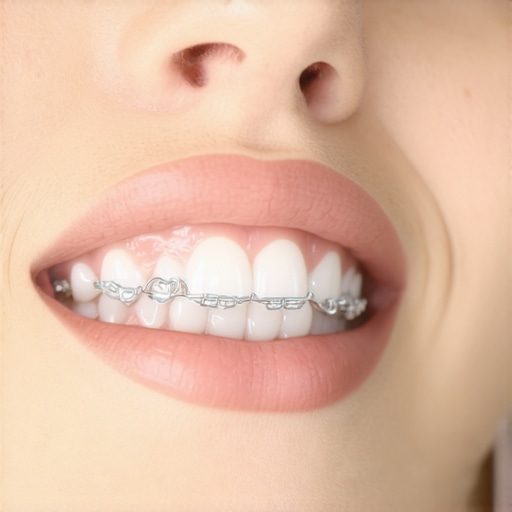
Have you ever been mid-sip of your morning coffee or mid-bite of your favorite meal when suddenly, that unmistakable metallic taste hits your tongue? For me, it was a wake-up call that something was off. I used to brush it off as just a temporary oddity, but over time, this persistent metal flavor became a frustrating part of my daily routine, especially after getting older silver amalgam fillings. That familiar taste wasn’t just a minor annoyance; it made me question my dental health and the choices I made years ago.
Why the Metal Taste Won’t Go Away and Why It Should Matter to You
This experience made me realize how common and tricky this issue can be. Old silver fillings often contain mercury and other metals, which can leach out over time, especially with exposure to acids from food and drinks. The result? A lingering metallic flavor that refuses to fade, affecting your enjoyment of food and sometimes even your confidence. But here’s the thing: it’s more than just an unpleasant sensation. This persistent taste could hint at underlying problems like corrosion of fillings or even mercury exposure concerns, which you shouldn’t take lightly.
Is the Metal Taste Actually a Sign of Something Serious?
Early in my journey, I made the mistake of dismissing it as harmless. I thought, “It’s just metallic taste; it’ll pass.” That was a mistake. Persistent metal flavor can sometimes indicate that your fillings are breaking down, causing potential health risks. According to the American Dental Association, amalgam fillings are safe for most people, but as they age, corrosion and deterioration can occur, leading to these unpleasant tastes and other oral health issues. Don’t ignore it. If you’ve faced this problem, know that there are ways to address it effectively.
Today, I’m going to share what I’ve learned from personal experience and research, so you don’t have to suffer in silence or assume it’s just a minor inconvenience. Whether your fillings are old, or you’ve noticed a strange taste that just won’t leave, this guide will introduce practical solutions to help you regain control and enjoy your food again.
Ready to dive into the steps that can make a real difference? Let’s get started.
Start with a Dental Check-up
My first step was booking an appointment with my dentist to assess the condition of my silver amalgam fillings. During the visit, my dentist examined the fillings for signs of corrosion or deterioration. This hands-on inspection helped identify if the fillings were leaking or breaking down, which could cause the persistent metallic taste. Schedule your check-up today to pinpoint the root cause—click here for easy contact options.
Replace Old Fillings Safely
Choose Modern Restorations
Instead of risking ongoing metal leakage, consider replacing old amalgam fillings with composite resin or ceramic materials. These options are biocompatible, won’t leach metals, and can resemble natural teeth. I opted for resin fillings, which improved my taste and boosted my confidence. Discuss this with your dentist to determine the best replacement for your needs and explore veneers or other aesthetic options here.
Maintain Optimal Oral Hygiene
Next, I ramped up my brushing and flossing routine. Using fluoride-free toothpaste helped reduce acidity that might accelerate corrosion. I also incorporated daily rinses with a gentle, alcohol-free mouthwash to minimize bacterial buildup around fillings. Regular professional cleanings help prevent plaque from increasing corrosion risk. Think of it like cleaning rust from metal—preventive maintenance extends the life of your fillings and prevents bad tastes.
Adjust Your Diet to Reduce Metal Leaching
I discovered that acidic foods and drinks, such as citrus or soda, can erode fillings faster, releasing more metal particles. I paused on acidic beverages and focused on neutral pH foods to keep my dental restorations stable. This reduces the chance of metal leaching and consequently, the metallic flavor. For more detailed guidance, check out this article.
Practical Home Solutions
In addition to professional care, I experimented with cleansing my mouth with baking soda rinses, which neutralize acids and clear any loose metal particles. Swishing with water after consuming acidic foods further minimized metal exposure. Be cautious not to overuse abrasive rinses, as they can damage enamel. Remember, patience is key—sometimes, these steps require time to show results.
Explore Cosmetic Alternatives
If your fillings are old or problematic, cosmetic options like veneers can improve appearance and eliminate source issues. Veneers offer a durable, aesthetic fix, and typically don’t involve metals that could cause bad tastes. Learning about veneers can help you decide if this path suits you.
Seek Specialized Treatments
For persistent issues, some opt for advanced procedures like laser whitening or invisalign to align teeth and reduce gaps where debris and bacteria accumulate, which may exacerbate taste problems. Always consult professionals to find tailored solutions. Discover how Invisalign can reshape your smile discreetly.
While many people believe they understand the basics of dental treatments like teeth whitening, veneers, or Invisalign, there are often overlooked nuances that can make a significant difference in outcomes. For instance, a widespread myth is that all whitening treatments are equally effective and safe for everyone. In reality, individual factors such as enamel thickness and underlying tooth color play crucial roles, and some whitening options can cause sensitivity or damage if not properly chosen. According to the American Academy of Cosmetic Dentistry, personalized assessments are essential to determine the most suitable whitening method—more info can be found here.
Another common misconception surrounds veneers, with many assuming they are a quick fix for any cosmetic concern. In truth, the longevity and success of veneers depend heavily on proper preparation, material choice, and patient habits. A frequently missed aspect is the risk of gum recession or pigmentation issues if veneers are placed without considering surrounding tissues or future wear. For advanced insights, see this article.
When it comes to Invisalign, many assume it’s a straightforward process suitable for all orthodontic issues. However, complex cases involving significant crowding, bite problems, or bone density considerations require more specialized planning. Failing to recognize these nuances can lead to extended treatment times or suboptimal results. A detailed study highlights the importance of thorough diagnostics, including 3D imaging, before commencing Invisalign therapy—more details are available here.
Making these assumptions without understanding the sophisticated nuances can result in costly corrections or compromised health. Many might fall into pitfalls like underestimating potential sensitivity during whitening or overlooking prerequisite health conditions before veneer placement. An essential tip is to consult with a knowledgeable specialist who can tailor a comprehensive treatment plan for your unique needs.
The real challenge is recognizing these hidden aspects—are you aware of the potential pitfalls in your dental journey? Have you ever fallen into this trap? Let me know in the comments.
Keeping It Working: Tools I Recommend for Ongoing Dental Success
Maintaining your dental improvements isn’t a set-it-and-forget-it process. It requires reliable tools and consistent habits to ensure long-term results, especially when you’ve invested in whitening, veneers, or Invisalign. From high-quality oral hygiene products to advanced digital solutions, choosing the right tools can make all the difference in preserving your smile’s brilliance and health.
Why I Trust Personal Oral Care Devices
My go-to in daily maintenance is an electric toothbrush with a pressure sensor. I personally use the SonicCare because it provides consistent, gentle cleaning, reducing the risk of gum recession around veneers and whitening-sensitive teeth. The built-in timers help me brush for the optimal two minutes, ensuring thorough plaque removal without overdoing it. Using a device like this prevents decay and supports the longevity of treatments like Invisalign aligners and veneers.
Technology That’s Changing the Game
Digital tools such as 3D oral scanners are now essential for ongoing assessments. They allow your dentist to monitor wear patterns, detect early signs of complications, and plan precise maintenance steps. I recommend scheduling regular digital scans to catch issues early before they become costly repairs. These tools make it easier to keep your results looking perfect and prevent long-term damage.
Edge in Long-Term Results with Proper Products
For long-term whitening, I swear by custom-fitted bleaching trays combined with take-home gels. Unlike over-the-counter products, these trays ensure uniform application and protect your gums from harsh chemicals. Regular use can maintain that dazzling smile without frequent costly professional whitening sessions. Similarly, ultrafine polishing pastes are excellent for removing surface stains gently — just a quick brush a few times a week keeps the luster alive.
Scaling Up Your Smile: Preparing for Future Success
If you’re planning future enhancements, consider investing in professional tools like laser whitening devices or aligner tracking software. These investments reduce unpredictability and improve the durability of your results. For example, using professional-grade whitening kits that incorporate advanced technology can deliver consistent, lab-quality results at home.
Looking ahead, the trend is moving toward smarter, more individualized dental care. AI-powered diagnostics and at-home monitoring apps will become more prevalent, offering real-time feedback and personalized maintenance plans. This evolution will empower you to take control of your smile while reducing reliance on frequent dental visits.
How Do I Maintain My Dental Tools Over Time?
Properly caring for your tools is as important as using them correctly. Regularly replace brushes and check batteries in electric devices to ensure optimal performance. Disinfect reusable trays and devices with appropriate solutions; for instance, sterilize aligner trays with UV sanitizers or use compatible cleaning tablets. Keeping your equipment in top shape prevents bacterial buildup and mechanical failures that could compromise your results. For comprehensive guidance, visit our privacy policy for recommended cleaning practices.
As technology advances, staying updated with the latest tools will help sustain your investment in dental aesthetics and health. Implement these suggested tools and maintenance routines, and you’ll be well-positioned to enjoy that winning smile for years to come. Don’t forget to try out a high-tech option like a pressure-sensing electric toothbrush — your future self will thank you!
The Hardest Lesson I Learned About Family Dentistry
One of the most eye-opening experiences I had was realizing that not all dental advice is created equal. Early on, I followed generic tips that didn’t suit my unique dental health, leading to setbacks like recurring sensitivity and unexpected discoloration. It taught me the value of personalized care and trusting specialists who understand your specific needs, rather than generic solutions that promise universal results.
My Essential Toolkit for Maintaining Veneers and Whitening Results
Over the years, I’ve curated a set of trusted tools—like a pressure-sensitive electric toothbrush and custom whitening trays—that keep my smile bright and veneers intact. These tools have consistently delivered professional-level results at home, saving me time and money. I recommend exploring high-quality products and consulting your dentist for tailored recommendations to prolong your smile’s brilliance.
What I Wish I Knew About Invisalign Before Starting
Starting Invisalign without understanding its nuances led to minor issues like slight speech adjustments and the need for attachments. But the biggest lesson was the importance of patient compliance and understanding the treatment timeline. Knowing these details upfront can help you set realistic expectations and fully embrace the journey towards a straighter smile.
This Changed How I View Dental Aging
Watching my older family members experience gum recession and tooth wear made me aware of the importance of early intervention. Regular check-ups and investing in preserving tooth vitality now can prevent more invasive procedures later. It’s a lesson in proactive care that I wish I had embraced sooner, emphasizing that your future smile depends on the choices you make today.
Curated Resources for Your Smile Evolution
For anyone looking to elevate their dental care routine, I trust the comprehensive guides on SmileGumCare. Their articles on teeth whitening and veneer longevity have been invaluable. Additionally, consulting with a specialist through their contact page ensures personalized attention. Don’t overlook the power of education and professional guidance—it’s your best investment in a lifetime of confident smiles.
Keep Moving Forward, Bright Minds
Your journey to a radiant, healthy smile is unique and ongoing. Embrace the lessons learned, utilize trusted tools, and stay informed through reputable sources. Remember, your smile is your best accessory—nurture it daily, and it will serve you well for years to come. If you’ve faced challenges or have questions about family dentistry, teeth whitening, veneers, or Invisalign, share your experiences below. Let’s learn and grow together!