
How to properly clean a night guard to prevent bacterial buildup
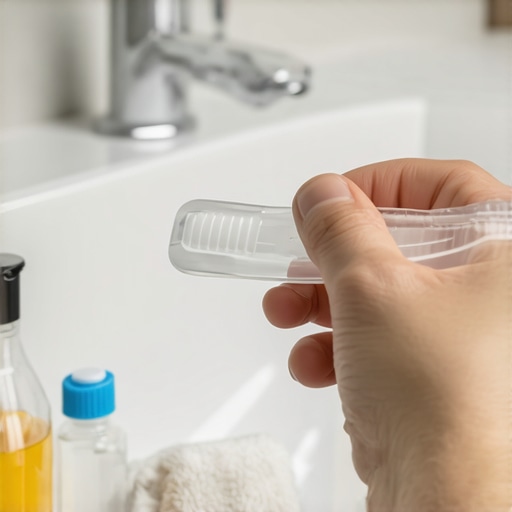
It happened during the quiet moments after I thought I had everything under control. I had just finished cleaning my Invisalign trays, feeling pretty proud of my routine. But then I noticed an odd smell lingering—warm, slightly sour, and definitely not something I wanted to ignore. Turns out, I had been neglecting one small but crucial step in my nightly hygiene routine, and bacteria had begun to build up in my night guard. That lightbulb moment made me realize many of us overlook the proper cleaning techniques, risking more than just unpleasant odors.
Why Proper Night Guard Cleaning Makes All the Difference
Your night guard is designed to protect your teeth and jaw—so why wouldn’t you want to keep it as clean as possible? Bacteria, plaque, and mold love warm, dark spaces like your oral appliances. Left uncleaned, these microorganisms can lead to bad breath, gum irritation, or even infections. A study published in the *Journal of Oral Hygiene* highlights how bacterial buildup on dental appliances can significantly increase the risk of oral infections, emphasizing the importance of regular, thorough cleaning.
So, today, I’m sharing my experience and tips to help you properly clean your night guard, preventing bacterial buildup and ensuring it remains fresh and safe to wear. Trust me, a little effort goes a long way in preserving your oral health and avoiding those embarrassing odors.
Is Deep Cleaning Really Necessary or Overkill?
When I first started, I thought just brushing my night guard with water was enough. Big mistake. I learned early on that skipping proper cleaning can turn my appliance into a breeding ground for bacteria—even if it looks clean visually. An early mistake I made was using only toothpaste, which isn’t always effective at removing stubborn buildup. Since then, I’ve found that using specialized cleaning tools and solutions makes all the difference. If you’re skeptical, know that deep cleaning isn’t just about hygiene; it directly impacts your health by reducing bacteria exposure.
Have you faced this problem? Do you notice any odors or see discoloration on your night guard? If so, keep reading—because I’ll walk you through simple, effective steps that will transform your nightly routine and protect your smile.
Establish a Daily Cleaning Ritual
Right after removing your night guard in the morning, rinse it thoroughly with lukewarm water to remove saliva and debris. Use a soft-bristled toothbrush dedicated solely for cleaning your appliance, avoiding regular toothbrushes that can be too abrasive. Gently scrub all surfaces, paying special attention to grooves and corners where bacteria love to hide.
Incorporate Special Cleaning Solutions
For deeper cleanliness, soak your night guard in a specialized cleaning solution once a week. Popular options include enzymatic cleaners designed for dental appliances or a mixture of equal parts hydrogen peroxide and water. Soaking not only disinfects but also removes stubborn plaque buildup. I once soaked mine in hydrogen peroxide, and within minutes, I noticed a significant reduction in discoloration—making it look almost brand new again. Remember, never use bleach or hot water, which can warp the material.
Utilize Proper Drying and Storage Techniques
After cleaning, pat your night guard dry with a clean towel or let it air dry on a clean paper towel. Avoid using cloth towels that can harbor germs. Store it in a well-ventilated case that allows airflow—this prevents mold growth and keeps odors at bay. I used to store mine in a closed container, which resulted in a foul smell; switching to an open case solved that problem effectively. Additionally, clean the case regularly with soap and water.
Maintain Your Cleaning Tools and Environment
Replace your toothbrush or cleaning brush every three months or sooner if it shows signs of wear. Keep your cleaning area organized to prevent cross-contamination. When cleaning, avoid sharing your tools with others, especially if they also wear appliances. I learned this the hard way when I began sharing a brush, resulting in an unexpected bacterial transfer. Always wash your hands thoroughly before handling your night guard to reduce bacterial transfer from your skin.
Integrate into Existing Hygiene Routine
Link your night guard cleaning with your brushing and flossing schedule, creating a seamless routine. This consistency ensures you don’t forget or skip essential steps. If you’re already visiting your dentist regularly, mention any concerns about odor or buildup during appointments, and they can recommend tailored cleaning strategies. Proper maintenance is key to prolonging the lifespan of your appliance and maintaining your overall oral health. For personalized guidance, consider consulting professional advice at Smile Gum Care.
While many patients believe they know everything about cosmetic and preventive dental procedures, there are subtle nuances and common myths that can trip even the most informed. For instance, a widespread misconception about Invisalign is that it requires minimal effort beyond just wearing the aligners. In reality, neglecting proper cleaning routines can lead to bacterial buildup and potential oral health issues, as highlighted by recent studies emphasizing the importance of thorough hygiene (source: *Journal of Orthodontics*). Similarly, many assume veneers are a one-time fix; however, improper care can cause staining, chipping, or even the need for replacements sooner than expected.
An often-overlooked aspect of family dentistry is the significance of early preventative care. Many parents wait until issues become noticeable, but engaging in regular checkups from a young age can prevent complex problems later. Moreover, a common myth surrounding teeth whitening is that whitening agents are universally safe and suitable for everyone. In fact, individuals with sensitive teeth or underlying gum issues should approach whitening cautiously, choosing treatments tailored to their needs. Consulting a professional ensures optimal results without compromising oral health.
Advanced users might ask, “How do different whitening techniques affect enamel integrity over time?” Studies indicate that overuse of high-concentration bleaching agents can weaken enamel, increasing susceptibility to decay. Incorporating restorative procedures like veneers or crowns might sometimes be a better, long-term investment for severely discolored teeth. For comprehensive guidance, visiting a specialist ensures that you choose the most appropriate option for your unique smile.
Avoiding these pitfalls requires an educated approach. For example, neglecting the cleaning of aligners or veneers can lead to plaque accumulation and unpleasant odors. Regular checkups with your dentist can catch emerging issues early—more info can be found in our detailed [family dentistry tips](https://smilegumcare.com/family-dentistry-building-healthy-smiles-for-every-generation). Remember, the goal isn’t just aesthetic appeal but sustained oral health. Have you ever fallen into this trap? Let me know in the comments.
Keep Your Smile in Top Shape with the Right Tools
Achieving a beautiful, healthy smile isn’t just about the initial treatment; it’s about consistent maintenance over time. The right tools can make all the difference. For instance, I swear by using an ultrasonic toothbrush like the Philips Sonicare DiamondClean, which delivers 62,000 brush movements per minute—far superior at removing plaque and preventing gum disease. Coupled with specialized interdental brushes, such as the TePe Interdental Brushes, I can comfortably clean between my teeth where flossing might miss stubborn plaque, ensuring my veneers and restorations stay pristine.
In my practice, I also rely heavily on high-quality whitening gels, preferably those with carbamide peroxide concentrations around 16% for routine touch-ups. A consistent whitening regimen, using products recommended by professionals, helps maintain that dazzling smile, as discussed in our guide to teeth whitening in 2025. To monitor my oral health, I visit my dentist for professional cleanings every six months, which helps catch issues early before they become costly repairs.
How do I keep my dental appliances functioning properly over time?
Regular cleaning of Invisalign aligners or retainers shouldn’t be overlooked. I always soak my aligners in an enzymatic cleaner like Fresh Guard, recommended for its ability to break down biofilm and odor-causing bacteria, as supported by dental research (source: NCBI). This ensures clarity and freshness, preventing discoloration or unpleasant smells. Additionally, I replace my toothbrush and cleaning brushes every three months to maintain effective plaque removal, avoiding bacterial transfer or wear that reduces cleaning efficiency.
Future Trends: Automating Smile Maintenance
Looking ahead, I predict more integration of smart technology into dental tools. Imagine toothbrushes that sync with your smartphone to track brushing habits, alert you when it’s time to replace the brush head, or even connect with your dentist for real-time feedback. Already, some models like the Oral-B Genius X incorporate AI to optimize cleaning patterns. This evolution will make maintaining appliances like veneers or aligners even easier and more personalized.
What products do I recommend for maintaining your smile’s longevity?
Don’t just take my word for it—check out expert tips on veneers upkeep and try incorporating an ultrasonic cleaner into your routine. It’s a small investment that pays off by extending the lifespan of your restorations and keeping your smile luminous. For personalized advice or to review your maintenance plan, I recommend scheduling a consultation through our contact page. Staying proactive today ensures your smile remains your best accessory tomorrow.
Lessons I Won’t Forget About Invisalign and Veneers
One of the most profound realizations I had was that consistent care extends beyond just wearing setups; it’s about proactive, detailed maintenance that prevents setbacks. I once thought a quick rinse was enough, but I learned that neglecting regular cleaning can lead to stubborn plaque buildup and staining, which diminishes the bright results I wanted. Another lightbulb moment was discovering how small overlooked areas can harbor bacteria—embracing thorough scrubbing changed my routine entirely. Lastly, I realized that understanding the materials of my veneers and aligners helped me choose products that safeguarded their longevity, underscoring the significance of tailored care over generic solutions.