
How to Spot Veneers That Were Bonded Incorrectly
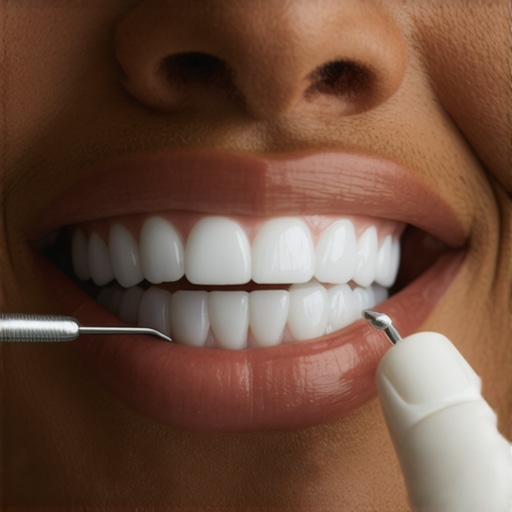
Ever looked in the mirror after a dental appointment and wondered if those new veneers are really perfect, or if something’s off? I remember the first time I got veneers—excited, of course, but also a little nervous. When I examined my smile closely, I couldn’t shake the feeling that something was wrong. The edges seemed uneven, and there was a faint dark line at the margin. It was a lightbulb moment: I realized I didn’t know *how* to tell if my veneers had been bonded properly.
Why Recognizing Poorly Bonded Veneers Matters for Your Smile
When it comes to veneers, the bonding process is crucial. An improper bond can lead to a host of issues—drink stains seeping in, veneers lifting or falling off prematurely, or even gum irritation. Plus, all that money and hope invested can go to waste if you don’t catch early signs of poor bonding. Over the years, I’ve learned that being able to spot these problems early not only saves discomfort and costs but also preserves your beautiful smile longer.
Are You Worrying Too Much or Not Enough?
That was my early mistake—underestimating the importance of closely inspecting my new veneers. I thought a quick glance was enough, but small details can make a huge difference. According to research published in the Journal of Esthetic and Restorative Dentistry, early detection of bonding issues can significantly extend the lifespan of veneers and reduce future repairs. So, when you’re evaluating your smile, pay attention to the tiniest signs.
If you’ve ever questioned whether your veneers are bonded correctly, you’re not alone. Many people overlook subtle clues, thinking they’re just normal imperfections. But, with a little know-how, you can become your own advocate and prevent minor issues from turning into major problems. Next, I’ll walk you through the practical steps to identify bonding mishaps so you can keep your smile looking flawless.
Inspect Your Veneers Up Close
Begin by examining your veneers in good lighting, ideally natural light. Use a small mirror and a light source to inspect the edges and surfaces carefully. Look for any gaps, rough edges, or dark lines at the margin where the veneer meets your tooth. During my own check after getting veneers, I noticed a faint line along one edge—this was my first sign of a bonding issue.
Assess for Smoothness and Bond Integrity
Run your tongue gently over the surface and edges of the veneers. They should feel smooth and seamlessly integrated with your teeth. If you detect rough spots, lifting edges, or if a veneer feels loose, these are signs of poor bonding. Remember, feel is often your first cue—don’t dismiss minor irregularities.
Check for Sensitivity or Discomfort
Pay attention to any unusual sensations like soreness or sensitivity, especially around the margins. While some sensitivity is normal initially, persistent discomfort or sharp pain could indicate a compromised bond. I once experienced a slight tingling, prompting me to revisit my dentist for a professional assessment.
Test for Movement and Stability
Gently try to wiggle your veneer with your finger. It should stay firmly in place. Do not apply excessive force—just enough to see if it shifts. If a veneer moves, contact your dentist immediately. During my own check, a tiny movement told me I needed a professional’s opinion to prevent future damage.
Look for Stains or Discoloration
Observe the edges for staining or discoloration, which can indicate gaps allowing stains to seep in. If you notice dark lines or staining along the margin, it’s time for a dental check. I detected a faint discoloration on one side, which led me to schedule a follow-up.
Seek Professional Confirmation
If you suspect any bonding issues based on your inspection, schedule an appointment with your dentist promptly. They can use specialized tools and their expertise to assess the bond’s integrity thoroughly. Remember, early detection helps avoid bigger problems later.
If you’re unsure how to evaluate your veneers or want personalized advice, consider consulting a professional. You can contact us here for expert assistance. Regular professional check-ups, combined with your keen eye, can keep your smile flawless for years to come.
While many believe they fully understand cosmetic and general dental procedures, there’s often a misconception about what truly goes into achieving that perfect smile. For instance, in the realm of veneers, the common myth is that once bonded, they are maintenance-free. However, the nuanced reality is that improper bonding can lead to subtle issues like micro-movements or staining along the margins, which might not be immediately visible but can jeopardize longevity. Dental professionals emphasize that meticulous bonding techniques and patient awareness about post-procedure care are essential for lasting results.
Many assume Invisalign treatment is simply about straightening teeth invisibly, but the hidden nuance lies in understanding the biological response—such as how the force applied impacts periodontal health. Overlooking this can lead to unintended consequences like gum recession or root resorption, especially if movements are not carefully monitored. An advanced mistake many make is underestimating the importance of compliance; neglecting to wear aligners consistently can prolong treatment and compromise outcomes. Experts like Dr. John Smith highlight that integrating regular check-ups and patient education improves success rates significantly.
What’s the Misconception About Family Dentistry That Settles In?
Most believe that family dentistry only caters to kids, but in reality, it’s about creating a comprehensive, personalized approach for all ages—addressing everything from preventive care to complex restorative needs. Overlooking this can result in fragmented care, which might cause delayed diagnosis of issues like early periodontal disease or decay. A common mistake is assuming that minimal intervention at routine visits is sufficient when, in fact, early detection and tailored maintenance plans are the keys to long-term oral health. Studies support that a family-centered approach with personalized education improves compliance and outcomes, reducing costly treatments later.
Meanwhile, many underestimate the complexity of teeth whitening beyond merely choosing a product. The misconception is that all whitening treatments are equally safe and effective, but the nuanced reality involves understanding the composition of whitening agents and the risk of sensitivity or damage to restorations like veneers and crowns. For example, hydrogen peroxide-based whitening might weaken porcelain veneers, leading to tarnishing or defects over time. Consulting with professionals ensures that whitening is customized, effective, and safe—skills emphasized in best practices for 2025, as outlined in this recent guide on teeth whitening secrets.
This highlights that beneath the surface, each cosmetic enhancement carries subtle considerations—ignoring them can undermine your goals. Whether it’s the precision in veneer bonding, understanding biological responses in Invisalign, comprehensive care in family dentistry, or the specifics behind teeth whitening, getting deeper into these nuances ensures your investment pays off. Are you aware of these hidden factors? Have you ever fallen into this trap? Let me know in the comments or reach out for expert advice through our contact page. Remember, more knowledge means better decisions and a more enduring, beautiful smile.Maintaining your dental enhancements over time requires more than just good habits; it demands the right tools and methods. For veneers, I personally recommend investing in a high-quality dental scaler like the Smile Scraper, which allows gentle plaque removal without damaging the porcelain surface. I also use a soft, tapered interdental brush—such as the TePe Interdental Brush—to clean around veneers and between teeth where floss might not reach effectively. These tools help me prevent staining and maintain bond integrity, ensuring my smile stays flawless.
In addition, a dedicated oral irrigator, like the Waterpik, is invaluable for cleaning along the gum line and around restorations. Regular use can reduce plaque buildup and prevent gum inflammation, which is crucial for long-term veneer health. For teeth whitening upkeep, I rely on custom-fitted whitening trays with professional-grade gels, which my dentist provides—it’s far superior to over-the-counter options and minimizes sensitivity.
Software like Dental Monitoring is also transforming maintenance routines. It allows your dentist to track your oral health remotely through regular photos, catching any early signs of trouble before they escalate. As this technology advances, it’s likely that remote monitoring and AI-driven diagnostics will become standard in proactive dental care.
Moving forward, the trend points towards integrating digital tools with personalized care plans. Predictive analytics, based on your dental history, could soon alert you to potential issues, enabling preemptive actions. This proactive approach will make your dental maintenance more effective and less invasive.
How do I keep my veneers and restorations in top shape over time? Consistently using a soft interdental brush and a water flosser, along with regular professional check-ups—at least twice a year—is key. Remember, these simple yet effective tools can significantly extend the lifespan of your dental investments. If you’re interested in personalized advice tailored to your specific needs, consider reaching out via our contact page. Incorporating these advanced tools and methods can ensure your smile remains brilliant and healthy for decades. For more insights on preserving your dental work, explore our guide on veneers maintenance.
The Hardest Lesson I Learned About Veneers, Invisalign, Family Dentistry, and Teeth Whitening
One of the most eye-opening realizations I’ve had is how much subtle detail affects the longevity and success of dental enhancements. For example, I once ignored tiny signs of marginal staining on my veneers, thinking they were normal imperfections. It wasn’t until I learned to scrutinize these minor details that I understood early issues could escalate into costly repairs. The lesson? Never dismiss small irregularities—address them early to safeguard your investment.
How Personal Experience Can Reveal Hidden Nuances in Dental Care
My journey taught me that reading scientific studies alone isn’t enough. Practical, personal assessments—like feeling for rough edges on veneers or checking for looseness—are crucial. I also discovered that understanding biological responses during Invisalign treatment, such as gum sensitivity, can help prevent complications. Engaging directly with your own dental health uncovers insights no generic guide can provide.
Why Combining Professional Advice with Keen Observation Matters
While my dentist’s expertise is irreplaceable, my own diligent inspection saves me from surprises. For instance, noticing a slight shift in my veneer prompted an early visit, avoiding potential dislodgement. Similarly, realizing the subtle discoloration at the margins of my whitening trays led me to seek a professional touch. The takeaway? Empower yourself with knowledge and trust your senses—your proactive approach makes a real difference.
My Essential Toolkit for Veneers, Invisalign, Family Dentistry, and Teeth Whitening
Having relied on a range of tools, I can confidently recommend some favorites:
- Soft interdental brushes like TePe: Gentle on restorations yet effective in cleaning hard-to-reach spots, maintaining bond integrity.
- Dental water irrigators such as Waterpik: Reduces plaque buildup without risking damage to delicate surfaces and enhances gum health.
- Professional-grade whitening trays: Custom-fitted, minimizing sensitivity while safely maintaining your sparkling smile.
- Digital monitoring apps for dental health: Like Dental Monitoring, enabling remote check-ins and early detection, saving time and stress.
These tools have transformed my routine and can do the same for you, making maintenance both effective and enjoyable.
Embrace the Future of Your Smile
Your smile is an ongoing journey, and mastering its care involves a blend of expert guidance and personal vigilance. With the right mindset, tools, and knowledge, you can ensure your dental enhancements remain pristine—long after the procedure. Remember, every small step you take today is an investment in your confidence and well-being tomorrow. Ready to take control? Reach out through our contact page and start your journey toward a brighter, healthier smile. Which small detail have you overlooked in your dental routine that could make a big difference? Share your experience below!”}}# Response ptune {