
How to Stop Food from Getting Trapped Behind Your New Veneers
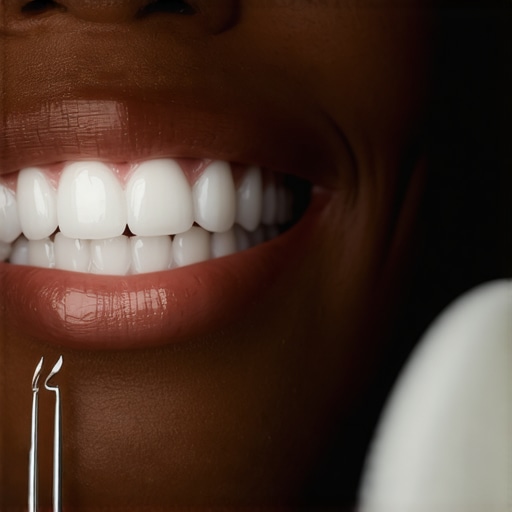
I vividly remember the moment I realized my brand-new veneers were turning into tiny food traps. It was after a hearty steak dinner; I took a bite, chewed, and then noticed that pesky piece of spinach stuck firmly behind one of my new teeth. No matter how much I brushed and flossed, it refused to budge. Frustration set in—I felt like my smile was betraying me every time I ate. That lightbulb moment made me realize I needed to figure out how to prevent food from getting trapped behind my veneers, instead of just cleaning after the fact.
Why Food Getting Stuck Is More Than Just Annoying
Having food caught behind your veneers isn’t just embarrassing at the table—it can lead to real dental issues. Leftover particles can cause plaque buildup, leading to decay or gum inflammation. Over time, this might compromise your veneers or even harm your natural teeth underneath. Knowing this, I started digging into the best ways to keep my smile fresh and healthy without constantly battling food debris. And you know what? There’s a lot I wish I had known earlier—mistakes I made early on that only made the problem worse.
Is Flossing Enough Or Am I Missing Something?
When I first got veneers, I thought regular brushing and flossing would do the trick. Turns out, I was overlooking critical details—like proper floss technique around the edges of my veneers. Early on, I made the mistake of neglecting to use floss with the correct tension, which left food particles behind and worsened my discomfort. Learning the right flossing techniques made a huge difference. If you’re curious about other tips for cosmetic dental success, check out this comprehensive guide to veneers.
Now, I want to share some practical steps that will help you keep your veneers spotless and food-free, no matter how many meals you enjoy. But first, let’s tackle one common concern many face: is this issue actually fixable? Read on.
Mastering Your Daily Dental Routine
To prevent food from sneaking behind your veneers, start with a meticulous approach to flossing. Use a waxed dental floss, and gently slide it along the gumline, hugging each tooth’s curve. Avoid snapping or applying too much pressure, which can damage the veneer edges. During my own routine, I discovered that using a floss threader made the process smoother, especially in hard-to-reach areas, reducing food debris significantly. Incorporating interdental brushes around the veneers can also dislodge stubborn particles, making cleaning more effective.
Choose the Right Tools and Techniques
Invest in Specialized Floss and Brushes
Consider upgrading your tools—opt for super-floss or floss picks with stiff ends to thread easily between teeth. Interdental brushes with narrow heads can reach spaces that regular floss misses, especially at the veneer margins. I once struggled with leftover bits after meals, but switching to a combination of floss picks and interdental brushes dramatically improved my oral hygiene. Integrating these tools into your routine can cut down on trapped food and prevent plaque buildup.
Use Rinses and Water Flossers
Water flossers, like the Waterpik, deliver a pulsating stream that dislodges particles lodged behind veneers without aggressive brushing. I started using mine after meals, which made a noticeable difference in keeping my smile food-free. Regular rinsing with an antiseptic mouthwash can also reduce bacteria and freshen breath, especially if food particles are stubborn. Combining mechanical and liquid cleaning methods amplifies effectiveness, promoting healthier gums and longer-lasting veneers.
Adopt Smart Eating Habits
Diet matters. Avoid sticky, fibrous foods that tend to cling to teeth. Cut hard foods into smaller pieces to minimize dislodging debris. When I enjoyed a steak, I made sure to chew slowly and on the opposite side to reduce pressure on the veneers and prevent food from getting wedged behind them. Be cautious with chewing gum—sugar-free options are better, but excessive chewing can still push food into small gaps. Choose crunchier vegetables like carrots and celery, which naturally help clean teeth during mastication.
Implement Routine Professional Checks
Regular dental visits are crucial. Dentists can spot areas where food tends to collect and professionally clean those spots. During my checkups, my dentist used ultrasonics to remove any deposits missed at home. Ask about sealants or complementary products that can improve the sealing of veneer margins. Scheduling biannual cleanings ensures that food trapping issues don’t become chronic, protecting both veneers and natural teeth.
Reinforce with Proper Oral Care Education
Learn and practice correct techniques. Many dental clinics offer instructional sessions or videos—take advantage of these resources. I found that watching tutorials helped me refine my flossing and brushing habits, reducing accidental damage to the veneers. Remember, proper technique is more important than frequency; skilled cleaning prevents food traps without harming your smile.
By combining precise tools, mindful eating, routine checkups, and proper techniques, you can keep food from slipping behind your veneers—saving you discomfort, expense, and embarrassment. The next step is to integrate these practices into your everyday routine seamlessly, turning good habits into second nature.
Many patients assume that procedures like teeth whitening, Invisalign, veneers, and family dentistry are straightforward, but in reality, misconceptions abound. One common myth is that whitening treatments work equally well on all types of stains, but studies show that tetracycline or fluorosis stains often require specialized methods or even combined treatments for effective results. Similarly, many think Invisalign is just about straightening teeth invisibly; however, understanding the nuances of material quality and tray adjustments can drastically impact treatment success, as detailed in this guide on Invisalign innovations. When it comes to veneers, the misconception is that they are permanent and unchangeable. But choosing the wrong material thickness or bonding technique can lead to issues like chipping or gum irritation, which underscores the importance of expert planning. In family dentistry, many overlook the significance of early preventive measures, mistakenly believing that cavities and misalignments are inevitable with age, while in fact, proactive care can significantly reduce long-term costs and discomfort. A critical trap to avoid across all these areas is underestimating the importance of tailored, professional guidance versus DIY solutions or generic advice from unverified sources. For advanced cases, especially involving complex discoloration or misalignment, consulting specialists ensures optimal outcomes, as highlighted by ongoing research from dental experts. Remember, engaging with a qualified professional and understanding the nuanced differences in material science and technique can make all the difference. Have you ever fallen into this trap? Let me know in the comments.
Equipment That Keeps Your Smile Bright and Healthy
Maintaining shiny, beautiful teeth requires more than just good habits—it demands the right tools. After experimenting with various products, I discovered that investing in quality dental tools makes a significant difference in long-term results. For example, I personally swear by the Philips Sonicare DiamondClean toothbrush. Its sonic technology oscillates at over 31,000 strokes per minute, providing a deep clean that effectively removes plaque and surface stains. Unlike standard brushes, this device reaches into tight spaces, maintaining the health of veneers and ensuring your whitening efforts last longer.
Complementing the toothbrush, I recommend the Waterpik Aquarius water flosser. It pulsates at up to 1200 pulses per minute, dislodging debris from hard-to-reach areas behind veneers and along the gumline. Regular flossing is essential, but water flossers can be gentler on delicate veneer edges and more effective at removing trapped food, especially around brackets or attachments used in Invisalign treatments. I’ve noticed that adding this to my routine cut down food trapping significantly and gave me peace of mind during long-term maintenance.
For interdental cleaning, interdental brushes are a game-changer. I prefer narrow-tipped brushes with brass handles, which I use daily to clean around veneers without risking damage. The key is selecting a size that fits snugly without forcing your gums or veneer margins open. Using these tools consistently minimizes plaque buildup and prevents staining, preserving my whitening results from professional treatments like professional whitening.
How do I maintain my dental tools over time?
Proper maintenance of your dental equipment ensures longevity and optimal performance. Regularly replace your toothbrush head every three months—worn bristles are ineffective and can harbor bacteria. Clean your water flosser and interdental brushes with warm, soapy water after each use; for the water flosser, descale monthly to prevent mineral buildup that could hinder functionality. Storing tools in a dry, clean place helps prevent mold and bacteria growth. Additionally, if you notice any cracks or excessive wear, replacing tools immediately avoids injury and maintains cleaning efficacy. Leveraging high-quality, durable tools like those mentioned here will keep your smile shining for years to come.
Looking ahead, advancements in ultrasonic and laser dental technologies will make maintenance even more effective and less invasive. Emerging innovations aim to integrate smart sensors that monitor oral health and recommend cleaning routines tailored to your needs, much like the AI-driven diagnostics seen in modern dental checkups. Embrace these tools now, and you’ll set a solid foundation for maintaining your dazzling smile into the future. For personalized advice or to explore the latest tech, don’t hesitate to reach out.
Uncovering the Lessons No One Tells You About Veneers and Invisalign
One of the most impactful lessons I learned was that small details—like the angle your floss bends when navigating the edges—can significantly influence your results. It took me trial, error, and a handful of embarrassing moments to realize that consistent technique personalization matters more than just doing the routine mechanically.
Another deep insight was understanding that not all dental tools are created equal. Investing in quality interdental brushes and water flossers paid off by dramatically reducing trapped food and preserving my aesthetic investments longer than I thought possible. Even minor upgrades, like a soft toothbrush with advanced bristles, made a surprising difference in my comfort and cleaning efficiency.
Perhaps most surprisingly, I discovered that diet and habits exert control over my dental health and appearance. Being mindful about sticky foods and chewing slowly around veneers prevented unnecessary chipping or food trapping, reinforcing that proactive choices trump reactive cleaning.
Finally, the importance of regular professional checkups transformed my approach from reactive to preventative. My dentist’s insights helped catch subtle issues at their early stages, saving me time, money, and discomfort in the long run. This holistic perspective reshaped my entire dental routine—making maintenance less of a chore and more of a care ritual.
My Go-To Arsenal for a Radiant Smile
Over the years, I’ve curated a set of tools that truly support my smile goals. The Philips Sonicare DiamondClean toothbrush remains my top choice because of its superior plaque removal—crucial for veneer longevity. The Waterpik Aquarius water flosser is a game changer, reaching those tricky behind-the-veneers spots with ease. For interproximal cleaning, narrow interdental brushes tailored to your gaps are indispensable, and I trust the brands that offer durability and a gentle touch.
Besides tools, I rely heavily on expert-recommended resources. The comprehensive guides and tutorials from trusted dental professionals help me refine my techniques and stay abreast of innovations, like the latest in veneer material science or Invisalign advancements. Before making any big decisions, I consult these sources and my dentist to ensure my routine evolves with my needs.
Staying informed gives me confidence—knowing I’m proactively protecting my investment and health. You can explore trusted sources and expert advice on sites like Invisalign breakthroughs or veneers essentials.
Embrace Your Smile Journey Today
Remember, your smile reflects your confidence and well-being. Every small step you take toward better care and informed choices will compound into remarkable results over time. The path to a healthier, brighter smile is ongoing, and with the right mindset and tools, you’re already on your way to making that transformation lasting and truly rewarding.
Have you ever found a tip or routine that unexpectedly improved your dental care? Share your experiences below and let’s build a community of smiles!
Comments are closed.