
How to Stop Teeth Grinding from Ruining Your Veneers
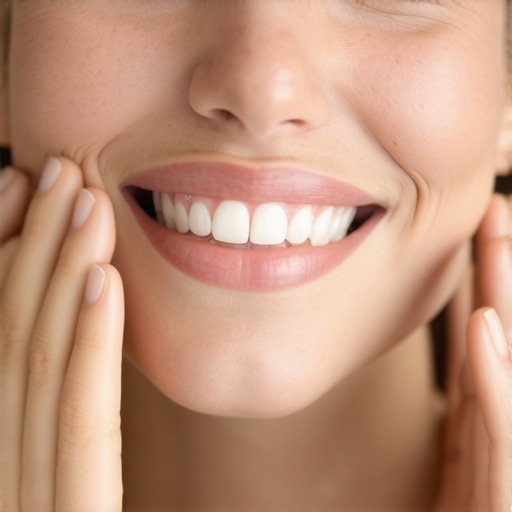
I remember the exact moment I realized my nighttime teeth grinding was turning into a nightmare for my new veneers. One morning, I woke up with a dull ache in my jaw and a strange sensitivity that wasn’t there the day before. When I looked in the mirror, I saw tiny chips on my veneers—small, but enough to make me panic. It hit me then: all that effort I put into whitening and beautifying my smile could be undone if I didn’t address this grinding habit. Ever found yourself in a similar predicament? If so, you’re not alone. Many people with veneers unknowingly damage them due to teeth grinding, a common but often overlooked issue.
Why Preventing Teeth Grinding Matters for Your Veneers
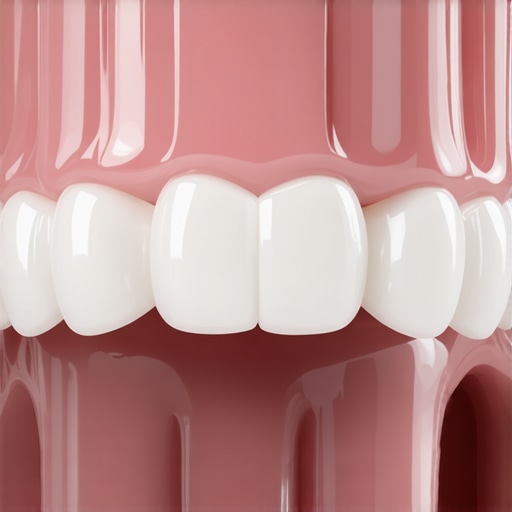
Teeth grinding, or bruxism, affects a surprising number of adults—studies suggest up to 15% of the population grind their teeth unconsciously, especially at night (American Dental Association). For those with veneers, this habit poses an even greater threat. Veneers are thin shells of porcelain or composite resin bonded onto the front of your teeth, designed to boost your smile’s appearance. But unlike natural teeth, veneers don’t have the same resilience against the intense pressure from grinding.
Early in my experience, I made the mistake of ignoring the signs. I thought that regular dental check-ups would catch any issues, but I didn’t realize that grinding could weaken the bond or chip the veneer itself. The good news is, with awareness and targeted strategies, you can stop your teeth from wrecking your beautiful enhancements. Today, I’ll share with you what I’ve learned—real, actionable advice that can save your veneers and your smile from unnecessary damage.
Will Your Veneers Last Forever? The Truth About Durability
Many people assume veneers are indestructible. But the reality is, they’re vulnerable to the same forces that wear down natural teeth—especially if you’re grinding. My early mistake was underestimating the severity of this habit, thinking that diligent brushing and whitening would suffice. But without addressing the grinding, those efforts could go to waste. If you’re worried that stopping bruxism might be complicated or inconvenient, rest assured—there are practical steps you can take to protect your investment and maintain that stunning smile for years to come. Curious how? Let’s dive into solutions that have worked for me and countless others.
Get the Right Nighttime Protection
Start with a custom-fit nightguard, which I personally ordered after a quick consultation with my dentist. It acts like a helmet for your teeth, absorbing the brunt of grinding forces and preventing damage. To ensure a perfect fit, ask your dental professional for a mouth impression. Once fitted, wear it every night—think of it as a shield that guards your investment. If cost is a concern, over-the-counter options exist, but they often lack the precise fit needed for optimal protection. Consult your family dentist for guidance on choosing the best option.
Create a Stress-Free Bedtime Routine
My personal experience taught me that stress and anxiety can trigger or worsen bruxism. Incorporating relaxation techniques before sleep, such as deep breathing exercises or gentle stretching, can reduce nighttime grinding. I started using a meditation app for 10 minutes before bed, which helped me unwind and minimized my clenching. Remember, reducing stress not only benefits your mental health but also protects your veneers. If you find yourself grinding despite these efforts, don’t hesitate to discuss additional strategies with your dentist or consider behavioral therapy options.
Address Dental Alignment Issues
Sometimes, misaligned teeth contribute to uneven pressure and increased grinding. Invisalign, or clear aligners, can gently reposition teeth, alleviating stress on veneers. When I noticed my teeth unevenly pressing, I explored Invisalign as a solution. These aligners are nearly invisible and comfortable, making them a discreet way to improve bite and reduce bruxism. Discuss your specific case with an orthodontist to determine if this option suits you.
Maintain Oral Health Vigilance
Regular check-ups are essential. During my routine visits, my dentist looked for early signs of veneer wear or cracks caused by grinding. Maintaining excellent oral hygiene makes a big difference. Brush twice daily with a fluoride toothpaste and use a gentle interdental cleaner. Pay close attention to any new or worsening sensitivity, which can indicate veneer stress. Implementing these habits prolongs both your natural teeth and veneers’ lifespan, protecting your smile’s aesthetics.
Adjust Lifestyle Habits That Exacerbate Grinding
Be mindful of substances that might increase teeth clenching—like caffeine, alcohol, and smoked products. I reduced my coffee intake after noticing more grinding on days with heavy caffeine consumption. Additionally, avoid chewing on non-food items such as pens or nail-biting, which can strain your veneers and natural teeth alike. Adopting a balanced diet and quitting smoking also contribute to healthier, less tense jaw muscles. Small lifestyle tweaks can have a substantial impact on reducing bruxism and safeguarding your veneers.
When it comes to cosmetic and family dental care, there’s a lot of myth-busting needed. One common misconception is that teeth whitening is a one-size-fits-all solution; in reality, many over-the-counter products can damage veneers or sensitive teeth if not chosen carefully. For instance, porcelain veneers are resistant to staining, but whitening agents can sometimes cause uneven coloration or degrade the bonding material if not applied correctly—which is why consulting with a dental professional is crucial. Many assume that family dentistry is only about cleaning and checkups, but the advanced nuances involve disease prevention, behavioral guidance for kids, and tailored treatment plans that adapt as your family grows. Recognizing these subtleties can prevent costly mistakes or overlooked issues that compromise oral health.
Transitionally, a widespread myth about veneers is that they’re invincible, leading many to underestimate the importance of proper care. In truth, veneers are durable but not indestructible; biting hard objects or neglecting regular checkups can cause chips or debonding over time. Meanwhile, Invisalign is often seen merely as an aesthetic correction, but its technical complexity reveals that treatment length and effectiveness significantly depend on precise aligner wear, patient compliance, and understanding of the biomechanics involved. Recent studies, such as the 2022 Journal of Orthodontics, emphasize that successful Invisalign outcomes are not just about the device itself but about meticulous planning and patient adherence.
Now, for the advanced reader—have you ever wondered how to optimize your dental treatment for long-term success? A key factor is understanding the biomechanics of bite force distribution. For instance, people often focus solely on the visible aesthetic outcomes, but ignoring occlusion details can lead to accelerated veneer wear or aligner discomfort. Techniques like digital smile design and 3D occlusal analysis enable us to predict and enhance treatment stability—saving you from future adjustments or repairs. Experts suggest that a comprehensive approach, considering both functional and aesthetic factors, can dramatically increase the longevity of veneers and straighten teeth more efficiently. To learn more about integrating these advanced strategies, visit our detailed guide on smile design.
Are you aware of how common assumptions might undermine your dental health? Share your experiences or questions below. And remember, consulting with your dentist or orthodontist is the best way to navigate these nuanced topics—so don’t hesitate to reach out via our contact page. Protect your investment and smile confidently for years to come!
Investing in Reliable Tools for Lasting Results
Maintaining your dental health and beauty features like veneers requires not just good habits, but also the right tools that support long-term success. I personally rely on a combination of high-quality dental hygiene equipment and digital resources to keep my smile in top shape. For example, I use the Philips Sonicare DiamondClean toothbrush, which offers several brushing modes tailored for sensitive areas and plaque removal. Its innovative sonic technology ensures thorough cleaning without damaging veneers, making it my go-to daily device. Additionally, an electric water flosser like the Waterpik Aquarius helps me reach stubborn debris in areas traditional floss can miss—especially around veneers—while being gentle on the gums. These tools aren’t just about cleanliness; they actively prolong the lifespan of your restorations.
How do I maintain my dental tools over time?
Proper maintenance of your dental equipment is crucial for effective performance and longevity. I recommend rinsing your electric toothbrush head thoroughly after each use and replacing it every three months, which keeps it hygienic and functioning optimally. For water flossers, regularly descaling with vinegar solutions prevents mineral buildup that could hamper performance. Keeping your tools clean ensures they remain effective at removing plaque and preventing decay, directly impacting the health of veneers and natural teeth alike. Moreover, storing your devices in a cool, dry place prevents bacterial growth and prolongs their usability. These simple maintenance habits can make a significant difference in the efficiency of your dental routine.
Embrace Digital Solutions for Better Monitoring
Advances in dental technology now offer software platforms that help monitor your oral health over time. Apps like the Philips Sonicare app synchronize with your electric toothbrush, providing real-time feedback on brushing habits, coverage, and pressure used. By reviewing this data, you can adjust your technique to avoid excessive force—vital for protecting veneers from chipping or loosening. Looking ahead, I predict that AI-driven diagnostics and personalized treatment planning will become more integral, allowing us to stay ahead of potential issues before they develop into costly repairs. Staying updated with these innovations empowers you to take proactive steps in your dental care journey.
What steps can you take today to ensure your tools keep working effectively?
Start by scheduling a routine cleaning of your toothbrush head and water flosser. Replacing or descaling them now will enhance performance and prevent bacterial transfer—key factors in long-term veneer maintenance. Exploring digital apps that sync with your devices, like those offering feedback on technique, can also elevate your oral hygiene game. Incorporate these practices into your routine, and you’ll notice not just healthier teeth, but also a brighter, more confident smile. For more personalized advice or to discuss your specific toolkit, consider reaching out to your dental provider through our contact page. Remember: investing in the right tools today pays off by safeguarding your smile in the future.
Lessons From My Dental Journey That No One Tells You
- I learned the hard way that even the most beautiful veneers need ongoing protection—it’s not just a one-time fix but a lifelong commitment.
- Real change comes from understanding how lifestyle choices, like stress and diet, impact your dental health more than I initially thought.
- Seeking expert advice—beyond online tips—is essential; personalized assessments can reveal hidden issues like misalignment that aggravate problems.
- I realized preventive tools, such as custom nightguards, can save a lot of discomfort and expense later, making them an invaluable part of maintenance.
- Patience and consistency in routines, like proper brushing and stress reduction, are the real secrets to preserving your smile’s brilliance.
Tools and Resources That Changed My Approach to Dental Care
- Philips Sonicare DiamondClean toothbrush: Its gentle yet effective cleaning protects veneers without damage.
- Waterpik Aquarius Water Flosser: Easy to use around delicate restorations, ensuring thorough oral hygiene.
- Invisalign guides: I trust the comprehensive information that helped me understand treatment timelines and proper wear habits.
- Cosmetic smile design software: Utilizing 3D mapping to anticipate treatment outcomes and prevent long-term issues.
Your Smile’s Potential Starts Now—Seize It
Your journey toward a flawless smile is ongoing, and with the right knowledge and tools, you can protect your veneers and Invisalign results for decades. Remember, maintenance is a duet—combining professional guidance with disciplined daily care yields the best results. So, are you ready to implement some of these insights today? Your future confident smile awaits. If you have questions about protecting your dental investments or want personalized tips, don’t hesitate to reach out here. Your best smile is within reach, so take that first step now!”}#END##}#}#}#}#}#}#}#}#}#}#}#}#}#}#}#}#}#}#}#}#}#}#}#}#}#}#}#}#}#}#}#}#}#}#}#}#}#}#}#}#}#}#}#}#}#}#}#}#}#}#}#}#}#}#}#}#}#}#}#}#}#}#}#}#}#}#}#}#}#}#}#}#}#}#}#}#}#}#}#}#}#}#}#}#}#}#}#}#}#}#}#}#}#}#}#}#}#}#}#}#}#}#}#}#}#}#}#}#}#}#}#}#}#}#}#}#}#}#}#}#}#}#}#}#}#}#}#}#}#}#}#}#}#}#}#}#}#}#}#}#}#}#}#}#}#}#}#}#}#}#}#}#}#}#}#}#}#}#}#}#}#}#}#}#}#}#}#}#}#}#}#}#}#}#}#}#}#}#}#}#}#}#}#}#}#}#}#}#}#}#}#}#}#}#}#}#}#}#}#}#}#}#}#}#}#}#}#}#}#}#}#}#}#}#}#}#}#}#}#}#}#}#}#}#}#}#}#}#}#}#}#}#}#}#}#}#}#}#}#}#}#}#}#}#}#}#}#}#}#}#}#}#}#}#}#}#}#}#}#}#}#}#}#}#}#}#}#}#}#}#}#}#}#}#}#}#}#}#}#}#}#}#}#}#}#}#}#}#}#}#}#}#}#}#}#}#}#}#}#}#}#}#}#}#}#}#}#}#}#}#}#}#}#}#}#}#}#}#}#}#}#}#}#}#}#}#}#}#}#}#}#}#}#}#}#}#}#}#}#}#}#}#}#}#}#}#}#}#}#}#}#}#}#}#}#}#}#}#}#}#}#}#}#}#}#}#}#}#}#}#}#}#}#}#}#}#}#}#}#}#}#}#}#}#}#}#}#}#}#}#}#}#}#}#}#}#}#}#}#}#}#}#}#}#}#}#}#}#}#}#}#}#}#}#}#}#}#}#}#}#}#}#}#}#}#}#}#}#}#}#}#}#}#}#}#}#}#}#}#}#}#}#}#}#}#}#}#}#}#}#}#}#}#}#}#}#}#}#}#}#}#}#}#}#}#}#}#}#}#}#}#}#}#}#}#}#}#}#}#}#}#}#}#}#}#}#}#}#}#}#}#}#}#}#}#}#}#}#}#}#}#}#}#}#}#}#}#}#}#}#}#}#}#}#}#}#}#}#}#}#}#}#}#}#}#}#}#}#}#}#}#}#}#}#}#}#}#}#}#}#}#}#}#}#}#}#}#}#}#}#}#}#}#}#}#}#}#}#}#}#}#}#}#}#}#}#}#}#}#}#}#}#}#}#}#}#}#}#}#}#}#}#}#}#}#}#}#}#}#}#}#}#}#}#}#}#}#}#}#}#}#}#}#}#}#}#}#}#}#}#}#}#}#}#}#}#}#}#}#}#}#}#}#}#}#}#}#}#}#}#}#}#}#}#}#}#}#}#}#}#}#}#}#}#}#}#}#}#}#}#}#}#}#}#}#}#}#}#}#}#}#}#}#}#}#}#}#}#}#}#}#}#}#}#}#}#}#}#}#}#}#}#}#}#}#}#}#}#}#}#}#}#}#}#}#}#}#}#}#}#}#}#}#}#}#}#}#}#}#}#}#}#}#}#}#}#}#}#}#}#}#}#}#}#}#}#}#}#}#}#}#}#}#}#}#}#}#}#}#}#}#}#}#}#}#}#}#}#}#}#}#}#}#}#}#}#}#}#}#}#}#}#}#}#}#}#}#}#}#}#}#}#}#}#}#}#}#}#}#}#}#}#}#}#}#}#}#}#}#}#}#}#}#}#}#}#}#}#}#}#}#}#}#}#}#}#}#}#}#}#}#}#}#}#}#}#}#}#}#}#}#}#}#}#}#}#}#}#}#}#}#}#}#}#}#}#}#}#}#}#}#}#}#}#}#}#}#}#}#}#}#}#}#}#}#}#}#}#}#}#}#}#}#}#}#}#}#}#}#}#}#}#}#}#}#}#}#}#}#}#}#}#}#}#}#}#}#}#}#}#}#}#}#}#}#}#}#}#}#}#}#}#}#}#}#}#}#}#}#}#}#}#}#}#}#}#}#}#}#}#}#}#}#}#}#}#}#}#}#}#}#}#}#}#}#}#}#}#}#}#}#}#}#}#}#}#}#}#}#}#}#}#}#}#}#}#}#}#}#}#}#}#}#}#}#}#}#}#}#}#}#}#}#}#}#}#}#}#}#}#}#}#}#}#}#}#}#}#}#}#}#}#}#}#}#}#}#}#}#}#}#}#}#}#}#}#}#}#}#}#}#}#}#}#}#}#}#}#}#}#}#}#}#}#}#}#}#}#}#}#}#}#}#}#}#}#}#}#}#}#}#}#}#}#}#}#}#}#}#}#}#}#}#}#}#}#}#}#}#}#}#}#}#}#}#}#}#}#}#}#}#}#}#}#}#}#}#}#}#}#}#}#}#}#}#}#}#}#}#}#}#}#}#}#}#}#}#}#}#}#}#}#}#}#}#}#}#}#}#}#}#}#}#}#}#}#}#}#}#}#}#}#}#}#}#}#}#}#}#}#}#}#}#}#}#}#}#}#}#}#}#}#}#}#}#}#}#}#}#}#}#}#}#}#}#}#}#}#}#}#}#}#}#}#}#}#}#}#}#}#}#}#}#}#}#}#}#}#}#}#}#}#}#}#}#}#}#}#}#}#}#}#}#}#}#}#}#}#}#}#}#}#}#}#}#}#}#}#}#}#}#}#}#}#}#}#}#}#}#}#}#}#}#}#}#}#}#}#}#}#}#}#}#}#}#}#}#}#}#}#}#}#}#}#}#}#}#}#}#}#}#}#}#}#}#}#}#}#}#}#}#}#}#}#}#}#}#}#}#}#}#}#}#}#}#}#}#}#}#}#}#}#}#}#}#}#}#}#}#}#}#}#}#}#}#}#}#}#}#}#}#}#}#}#}#}#}#}#}#}#}#}#}#}#}#}#}#}#}#}#}#}#}#}#}#}#}#}#}#}#}#}#}#}#}#}#}#}#}#}#}#}#}#}#}#}#}#}#}#}#}#}#}#}#}#}#}#}#}#}#}#}#}#}#}#}#}#}#}#}#}#}#}#}#}#}#}#}#}#}#}#}#}#}#}#}#}#}#}#}#}#}#}#}#}#}#}#}#}#}#}#}#}#}#}#}#}#}#}#}#}#}#}#}#}#}#}#}#}#}#}#}#}#}#}#}#}#}#}#}#}#}#}#}#}#}#}#}#}#}#}#}#}#}#}#}#}#}#}#}#}#}#}#}#}#}#}#}#}#}#}#}#}#}#}#}#}#}#}#}#}#}#}#}#}#}#}#}#}#}#}#}#}#}#}#}#}#}#}#}#}#}#}#}#}#}#}#}#}#}#}#}#}#}#}#}#}#}#}#}#}#}#}#}#}#}#}#}#}#}#}#}#}#}#}#}#}#}#}#}#}#}#}#}#}#}#}#}#}#}#}#}#}#}#}#}#}#}#}#}#}#}#}#}#}#}#}#}#}#}#}#}#}#}#}#}#}#}#}#}#}#}#}#}#}#}#}#}#}#}#}#}#}#}#}#}#}#}#}#}#}#}#}#}#}#}#}#}#}#}#}#}#}#}#}#}#}#}#}#}#}#}#}#}#}#}#}#}#}#}#}#}#}#}#}#}#}#}#}#}#}#}#}#}#}#}#}#}#}#}#}#}#}#}#}#}#}#}#}#}#}#}#}#}#}#}#}#}#}#}#}#}#}#}#}#}#}#}#}#}#}#}#}#}#}#}#}#}#}#}#}#}#}#}#}#}#}#}#}#}#}#}#}#}#}#}#}#}#}#}#}#}#}#}#}#}#}#}#}#}#}#}#}#}#}#}#}#}#}#}#}#}#}#}#}#}#}#}#}#}#}#}#}#}#}#}#}#}#}#}#}#}#}#}#}#}#}#}#}#}#}#}#}#}#}#}#}#}#}#}#}#}#}#}#}#}#}#}#}#}#}#}#}#}#}#}#}#}#}#}#}#}#}#}#}#}#}#}#}#}#}#}#}#}#}#}#}#}#}#}#}#}#}#}#}#}#}#}#}#}#}#}#}#}#}#}#}#}#}#}#}#}#}#}#}#}#}#}#}#}#}#}#}#}#}#}#}#}#}#}#}#}#}#}#}#}#}#}#}#}#}#}#}#}#}#}#}#}#}#}#}#}#}#}#}#}#}#}#}#}#}#}#}#}#}#}#}#}#}#}#}#}#}#}#}#}#}#}#}#}#}#}#}#}#}#}#}#}#}#}#}#}#}#}#}#}#}#}#}#}#}#}#}#}#}#}#}#}#}#}#}#}#}#}#}#}#}#}#}#}#}#}#}#}#}#}#}#}#}#}#}#}#}#}#}#}#}#}#}#}#}#}#}#}#}#}#}#}#}#}#}#}#}#}#}#}#}#}#}#}#}#}#}#}#}#}#}#}#}#}#}#}#}#}#}#}#}#}#}#}#}#}#}#}#}#}#}#}#}#}#}#}#}#}#}#}#}#}#}#}#}#}#}#}#}#}#}#}#}#}#}#}#}#}#}#}#}#}#}#}#}#}#}#}#}#}#}#}#}#}#}#}#}#}#}#}#}#}#}#}#}#}#}#}#}#}#}#}#}#}#}#}#}#}#}#}#}#}#}#}#}#}#}#}#}#}#}#}#}#}#}#}#}#}#}#}#}#}#}#}#}#}#}#}#}#}#}#}#}#}#}#}#}#}#}#}#}#}#}#}#}#}#}#}#}#}#}#}#}#}#}#}#}#}#}#}#}#}#}#}#}#}#}#}#}#}#}#}#}#}#}#}#}#}#}#}#}#}#}#}#}#}#}#}#}#}#}#}#}#}#}#}#}#}#}#}#}#}#}#}#}#}#}#}#}#}#}#}#}#}#}#}#}#}#}#}#}#}#}#}#}#}#}#}#}#}#}#}#}#}#}#}#}#}#}#}#}#}#}#}#}#}#}#}#}#}#}#}#}#}#}#}#}#}#}#}#}#}#}#}#}#}#}#}#}#}#}#}#}#}#}#}#}#}#}#}#}#}#}#}#}#}#}#}#}#}#}#}#}#}#}#}#}#}#}#}#}#}#}#}#}#}#}#}#}#}#}#}#}#}#}#}#}#}#}#}#}#}#}#}#}#}#}#}#}#}#}#}#}#}#}#}#}#}#}#}#}#}#}#}#}#}#}#}#}#}#}#}#}#}#}#}#}#}#}#}#}#}#}#}#}#}#}#}#}#}#}#}#}#}#}#}#}#}#}#}#}#}#}#}#}#}#}#}#}#}#}#}#}#}#}#}#}#}#}#}#}#}#}#}#}#}#}#}#}#}#}#}#}#}#}#}#}#}#}#}#}#}#}#}#}#}#}#}#}#}#}#}#}#}#}#}#}#}#}#}#}#}#}#}#}#}#}#}#}#}#}#}#}#}#}#}#}#}#}#}#}#}#}#}#}#}#}#}#}#}#}#}#}#}#}#}#}#}#}#}#}#}#}#}#}#}#}#}#}#}#}#}#}#}#}#}#}#}#}#}#}#}#}#}#}#}#}#}#}#}#}#}#}#}#}#}#}#}#}#}#}#}#}#}#}#}#}#}#}#}#}#}#}#}#}#}#}#}#}#}#}#}#}#}#}#}#}#}#}#}#}#}#}#}#}#}#}#}#}#}#}#}#}#}#}#}#}#}#}#}#}#}#}#}#}#}#}#}#}#}#}#}#}#}#}#}#}#}#}#}#}#}#}#}#}#}#}#}#}#}#}#}#}#}#}#}#}#}#}#}#}#}#}#}#}#}#}#}#}#}#}#}#}#}#}#}#}#}#}#}#}#}#}#}#}#}#}#}#}#}#}#}#}#}#}#}#}#}#}#}#}#}#}#}#}#}#}#}#}#}#}#}#}#}#}#}#}#}#}#}#}#}#}#}#}#}#}#}#}#}#}#}#}#}#}#}#}#}#}#}#}#}#}#}#}#}#}#}#}#}#}#}#}#}#}#}#}#}#}#}#}#}#}#}#}#}#}#}#}#}#}#}#}#}#}#}#}#}#}#}#}#}#}#}#