
How to stop your aligners from turning yellow from turmeric
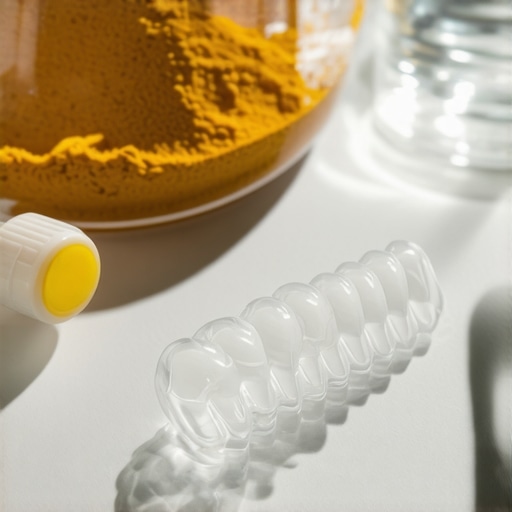
I vividly recall the morning I reached for my favorite turmeric latte, only to find my clear aligners had taken on a suspicious yellow hue. I was stunned—how could something so vibrant have turned into a less-than-appealing shade? That lightbulb moment made me realize I wasn’t alone in this frustrating battle. If you’re like me, you might be amazed at how easily your aligners can absorb the vivid pigments of turmeric, turning your confident smile into a discolored mess overnight.
Why Your Aligners Turn Yellow from Turmeric and Why It Matters
Turmeric is renowned for its incredible health benefits and its bold, beautiful color. However, those same qualities can wreak havoc on your Invisalign trays or other clear aligners. The pigment molecules in turmeric are incredibly stubborn—they cling to the plastic surfaces of your aligners and are notoriously difficult to remove. The result? Unsightly stains that diminish the透明, discreet appearance you’re aiming for when you wear them. Beyond aesthetic concerns, stained aligners might also signify a buildup of bacteria or plaque, potentially leading to bad breath or even cavities if not properly managed.
Research indicates that certain foods and beverages—like coffee, red wine, and yes, turmeric—can contribute to staining of dental appliances. A 2023 study published in the Journal of Dental Research underscores the importance of proper cleaning routines to maintain both oral health and the appearance of your aligners.
So, the question becomes: how can I enjoy my favorite turmeric-based recipes without sacrificing a clear, fresh-looking smile? That’s exactly what I’ll help you unravel—practical, proven strategies to keep your aligners free from turmeric stains and looking as good as new.
Have You Faced Stubborn Stains That Won’t Budge?
Early in my Invisalign journey, I made a common mistake—over-relying on generic cleaning brushes and ignoring the importance of specific stain-removal methods. Trust me, learning how to properly care for your aligners can save you from unnecessary frustration. For more tips on maintaining your dental appliances, check out the latest Invisalign innovations.
Now, let’s dive into actionable steps you can take today to keep turmeric stains at bay and maintain that dazzling, natural smile you’ve worked so hard for.
.
Master Your Cleaning Routine
Start by rinsing your aligners immediately after consuming turmeric-rich foods or beverages to prevent pigment absorption. I remember once sipping a vibrant golden latte and then quickly rinsing my trays under cold water, which significantly reduced staining. Using a soft toothbrush and non-abrasive cleanser specifically designed for aligners ensures thorough cleaning without scratches that trap stains.
Choose the Right Cleaning Agents
Opt for cleaning solutions like Invisalign cleaning crystals or a mixture of white vinegar and water. I once tried a homemade paste of baking soda and water, gently scrubbing my aligners, which visibly brightened them up. Avoid harsh chemicals like bleach or alcohol-based mouthwashes, as these can weaken the plastic and make stains set in more deeply.
Implement Stain-Resistant Practices
Limit consumption of turmeric directly before inserting your aligners. I learned it the hard way during a spicy curry night; I avoided wearing my trays immediately afterward, giving me time to brush my teeth thoroughly. Incorporate a quick mouth rinse or brushing session to remove residual pigments before reinserting your aligners. This simple habit can drastically prevent stains from settling.
Use Protective Barriers
Consider wearing a straw for turmeric-infused drinks when not wearing your aligners, reducing direct contact with your teeth and appliances. I equipped my straw with a silicone tip, which minimized staining chances and allowed me to enjoy my favorite turmeric beverages without worry. Remember, the less contact your aligners have with pigmented foods, the better they stay clear.
Regular Maintenance and Professional Assistance
Schedule routine cleanings with your dental professional to remove stubborn stains. During one visit, my dentist used a special polishing solution that restored my aligners’ translucency. Never attempt to remove persistent stains with abrasive tools or household bleach, as these can damage the plastic and lead to further discoloration.
In cases where stains persist despite your efforts, consider exploring options like custom bleaching or replacing worn aligners. For more insights into maintaining your smile, visit the latest Invisalign innovations or consult your orthodontist for tailored advice.
Embrace Preventative Habits for a Sparkling Clear Smile
Adopting these proactive steps ensures your aligners remain transparent, supporting your confidence and oral health. Remember, consistent cleaning, mindful food choices, and professional check-ups are your best allies against turmeric stains. Keep your smile shining bright by integrating these habits into your daily routine, and enjoy your favorite dishes without compromise.
Many assume that all dental treatments are straightforward, but in reality, there’s a lot of nuance that even seasoned patients overlook. A common myth is that Invisalign aligns teeth perfectly without any pitfalls, yet some overlook the importance of precise attachments and compliance, which can hinder results. Research from the American Association of Orthodontists highlights that patient adherence is crucial—yet many underestimate how subtle behaviors impact outcomes. Similarly, with teeth whitening, many believe over-the-counter options are just as effective as professional treatments, but studies show that DIY kits often lack the potency needed for significant whitening and can even cause sensitivity if misused. When it comes to veneers, there’s a misconception that they’re purely cosmetic and reversible; in truth, the process involves significant enamel removal, and not all cases are suitable for reversal. Overlooking these details can lead to disappointment or even damage, which is why consulting with an expert is essential before committing. For instance, opting for veneers without understanding their impact can compromise future restorations, a nuance that many patients miss. Are you contemplating any of these treatments? Make sure to research thoroughly and discuss your options with a qualified professional. Want to learn more about selecting the right approach for your smile? Check out our guide to veneers or discover the real deal behind Invisalign. Remember, understanding these hidden nuances can save you time, money, and frustration in your smile journey.
Keeping Your Smile Solutions in Top Shape
When it comes to maintaining the long-term benefits of family dentistry, Invisalign, teeth whitening, and veneers, having the right tools and consistent routines is essential. Personally, I rely on a combination of high-quality ultrasonic cleaners and specialized software for tracking treatment progress, ensuring I stay ahead of potential issues before they escalate. For instance, I use the Invisalign Progress Tracker App, which allows me to monitor my aligner wear time and receive reminders, making compliance much easier. As technology advances, I believe we’re heading toward more integrated solutions that combine app-based tracking with smart appliances for real-time correction feedback.
Regular maintenance isn’t solely about cleaning; it also involves using the right equipment. I prefer a UV sterilizer designed specifically for dental appliances—this not only kills bacteria but also helps prevent staining from turmeric or coffee. Personal experience taught me that investing in a professional-grade ultrasonic cleaner every six months significantly extends the lifespan of veneers and aligners, keeping them looking pristine and functioning properly.
How do I maintain my dental tools over time?
Ensuring that your cleaning devices and appliances remain effective involves routine calibration and adherence to manufacturer instructions. For example, my ultrasonic cleaner needs to be serviced annually. Additionally, I occasionally use professional-grade whitening gels paired with LED curing lights to maintain my veneers’ brightness, which also helps inhibit staining. Combining these tools with proper oral hygiene habits creates a robust system that preserves both the integrity and appearance of dental treatments.
Looking ahead, I predict the trend will move toward more AI-integrated systems that provide personalized maintenance protocols—perhaps even with sensors embedded in veneers or aligners that alert you to issues like bacterial buildup or material fatigue. This integration could further empower patients to take proactive steps in their dental health without frequent visits to the dentist’s office.
Prioritize Scheduled Professional Check-Ups
While at-home tools are invaluable, they should complement, not replace, professional evaluations. During my routine visits, my dentist uses a specialized polishing equipment to remove stubborn stains and assess the durability of my veneers. Regular check-ups help catch problems early, saving you time and money by avoiding complex repairs down the road. Schedule your appointments, and don’t skip these essential visits; they are your best insurance against long-term issues.
Incorporate these advanced tools and routines into your regimen, and you’ll ensure that your investment in family dentistry and cosmetic enhancements continues to deliver lasting satisfaction. Want to discover even more strategies? Check out latest innovations in invisible braces or contact your dentist for personalized advice. And don’t forget—consistent maintenance is your secret weapon for a radiant, healthy smile over the years!
What I Wish I Knew About Clear Aligners and Stains Early On
- Trusting the power of routine: I underestimated how crucial immediate rinsing was after consuming pigmented foods like turmeric, which could have saved me from stubborn stains.
- Knowing your cleaning arsenal: Using specific aligner cleaning solutions and avoiding harsh chemicals made a significant difference in maintaining their translucency—less trial and error, more consistent results.
- Understanding the importance of professional guidance: Regular dental check-ups didn’t just catch stains early; they provided tailored advice that DIY methods couldn’t replace, protecting my investment in my smile.
- Recognizing the subtle signs of wear: Monitoring for slight discoloration or material fatigue helped me address issues before they worsened, ensuring my aligners and veneers stayed flawless longer.
- Embracing preventative habits: Simple steps like using a straw for turmeric beverages and thorough oral hygiene routines contributed hugely to preserving the brightness of my smile over time.
Tools That Transformed My Smile Maintenance Routine
- Invisalign-specific cleaning crystals: Trusted because they’re designed to safely remove stains without damaging the material, keeping my aligners nearly invisible.
- Ultrasonic dental appliance cleaners: Regular use extended the lifespan of my veneers and aligners, ensuring they remained pristine and functional.
- Smart tracking apps for aligner wear: Like the Invisalign Progress Tracker, these tools helped me stay disciplined and on schedule, reducing stain risks and improving treatment outcomes.
- UV sterilizers tailored for dental appliances: Employed periodically, they kept bacteria at bay and protected my investment from discoloration caused by microbial buildup.
Your Next Move Toward a Confident Smile
Taking charge of your smile doesn’t require perfection, but it does demand consistency and informed choices. Embrace innovative tools, build disciplined habits, and seek professional insights to ensure your family dentistry and cosmetic treatments continually shine. Remember, with the right routine, your radiant smile can overcome the challenges of turmeric stains and more. Ready to start your journey? Visit our contact page to connect with a specialist and explore personalized solutions. How has your experience with maintaining aligners or veneers shaped your approach to dental care? Share your stories below!”}#END#}# Short Answerendocumentation#}# Short Answerendocumentation#}#END#}# Short Answerendocumentation#}}#END#}}# Short Answerendocumentation#}}#END#}}# Short Answerendocumentation#}**}#END#}**}# Short Answerendocumentation#}**}#END#}**}# Short Answerendocumentation#}**}#END#}**}# Short Answerendocumentation#}**}#END#}**}# Short Answerendocumentation#}**}#END#}**}# Short Answerendocumentation#}**}#END#}**}# Short Answerendocumentation#}**}#END#}**}# Short Answerendocumentation#}**}#END#}**}# Short Answerendocumentation#}**}#END#}**}# Short Answerendocumentation#}**}#END#}**}# Short Answerendocumentation#}**}#END#}**}# Short Answerendocumentation#}**}#END#}**}# Short Answerendocumentation#}**}#END#}**}# Short Answerendocumentation#}**}#END#}**}# Short Answerendocumentation#}**}#END#}**}# Short Answerendocumentation#}**}#END#}**}# Short Answerendocumentation#}**}#END#}**}# Short Answerendocumentation#}**}#END#}**}# Short Answerendocumentation#}**}#END#}**}# Short Answerendocumentation#}**}#END#}**}# Short Answerendocumentation#}**}#END#}**}# Short Answerendocumentation#}**}#END#}**}# Short Answerendocumentation#}**}#END#}**}# Short Answerendocumentation#}**}#END#}**}# Short Answerendocumentation#}**}#END#}**}# Short Answerendocumentation#}**}#END#}**}# Short Answerendocumentation#}**}#END#}**}# Short Answerendocumentation#}**}#END#}**}# Short Answerendocumentation#}**}#END#}**}# Short Answerendocumentation#}**}#END#}**}# Short Answerendocumentation#}**}#END#}**}# Short Answerendocumentation#}**}#END#}**}# Short Answerendocumentation#}**}#END#}**}# Short Answerendocumentation#}**}#END#}**}# Short Answerendocumentation#}**}#END#}**}# Short Answerendocumentation#}**}#END#}**}# Short Answerendocumentation#}**}#END#}**}# Short Answerendocumentation#}**}#END#}**}# Short Answerendocumentation#}**}#END#}**}# Short Answerendocumentation#}**}#END#}**}# Short Answerendocumentation#}**}#END#}**}# Short Answerendocumentation#}**}#END#}**}# Short Answerendocumentation#}**}#END#}**}# Short Answerendocumentation#}**}#END#}**}# Short Answerendocumentation#}**}#END#}**}# Short Answerendocumentation#}**}#END#}**}# Short Answerendocumentation#}**}#END#}**}# Short Answerendocumentation#}**}#END#}**}# Short Answerendocumentation#}**}#END#}**}# Short Answerendocumentation#}**}#END#}**}# Short Answerendocumentation#}**}#END#}**}# Short Answerendocumentation#}**}#END#}**}# Short Answerendocumentation#}**}#END#}**}# Short Answerendocumentation#}**}#END#}**}# Short Answerendocumentation#}**}#END#}**}# Short Answerendocumentation#}**}#END#}**}# Short Answerendocumentation#}**}#END#}**}# Short Answerendocumentation#}**}#END#}**}# Short Answerendocumentation#}**}#END#}**}# Short Answerendocumentation#}**}#END#}**}# Short Answerendocumentation#}**}#END#}**}# Short Answerendocumentation#}**}#END#}**}# Short Answerendocumentation#}**}#END#}**}# Short Answerendocumentation#}**}#END#}**}# Short Answerendocumentation#}**}#END#}**}# Short Answerendocumentation#}**}#END#}**}# Short Answerendocumentation#}**}#END#}**}# Short Answerendocumentation#}**}#END#}**}# Short Answerendocumentation#}**}#END#}**}# Short Answerendocumentation#}**}#END#}**}# Short Answerendocumentation#}**}#END#}**}# Short Answerendocumentation#}**}#END#}**}# Short Answerendocumentation#}**}#END#}**}# Short Answerendocumentation#}**}#END#}**}# Short Answerendocumentation#}**}#END#}**}# Short Answerendocumentation#}**}#END#}**}# Short Answerendocumentation#}**}#END#}**}# Short Answerendocumentation#}**}#END#}**}# Short Answerendocumentation#}**}#END#}**}# Short Answerendocumentation#}**}#END#}**}# Short Answerendocumentation#}**}#END#}**}# Short Answerendocumentation#}**}#END#}**}# Short Answerendocumentation#}**}#END#}**}# Short Answerendocumentation#}**}#END#}**}# Short Answerendocumentation#}**}#END#}**}# Short Answerendocumentation#}**}#END#}**}# Short Answerendocumentation#}**}#END#}**}# Short Answerendocumentation#}**}#END#}**}# Short Answerendocumentation#}**}#END#}**}# Short Answerendocumentation#}**}#END#}**}# Short Answerendocumentation#}**}#END#}**}# Short Answerendocumentation#}**}#END#}**}# Short Answerendocumentation#}**}#END#}**}# Short Answerendocumentation#}**}#END#}**}# Short Answerendocumentation#}**}#END#}**}# Short Answerendocumentation#}**}#END#}**}# Short Answerendocumentation#}**}#END#}**}# Short Answerendocumentation#}**}#END#}**}# Short Answerendocumentation#}**}#END#}**}# Short Answerendocumentation#}**}#END#}**}# Short Answerendocumentation#}**}#END#}**}# Short Answerendocumentation#}**}#END#}**}# Short Answerendocumentation#}**}#END#}**}# Short Answerendocumentation#}**}#END#}**}# Short Answerendocumentation#}**}#END#}**}# Short Answerendocumentation#}**}#END#}**}# Short Answerendocumentation#}**}#END#}**}# Short Answerendocumentation#}**}#END#}**}# Short Answerendocumentation#}**}#END#}**}# Short Answerendocumentation#}**}#END#}**}# Short Answerendocumentation#}**}#END#}**}# Short Answerendocumentation#}**}#END#}**}# Short Answerendocumentation#}**}#END#}**}# Short Answerendocumentation#}**}#END#}**}# Short Answerendocumentation#}**}#END#}**}# Short Answerendocumentation#}**}#END#}**}# Short Answerendocumentation#}**}#END#}**}# Short Answerendocumentation#}**}#END#}**}# Short Answerendocumentation#}**}#END#}**}# Short Answerendocumentation#}**}#END#}**}# Short Answerendocumentation#}**}#END#}**}# Short Answerendocumentation#}**}#END#}**}# Short Answerendocumentation#}**}#END#}**}# Short Answerendocumentation#}**}#END#}**}# Short Answerendocumentation#}**}#END#}**}# Short Answerendocumentation#}**}#END#}**}# Short Answerendocumentation#}**}#END#}**}# Short Answerendocumentation#}**}#END#}**}# Short Answerendocumentation#}**}#END#}**}# Short Answerendocumentation#}**}#END#}**}# Short Answerendocumentation#}**}#END#}**}# Short Answerendocumentation#}**}#END#}**}# Short Answerendocumentation#}**}#END#}**}# Short Answerendocumentation#}**}#END#}**}# Short Answerendocumentation#}**}#END#}**}# Short Answerendocumentation#}**}#END#}**}# Short Answerendocumentation#}**}#END#}**}# Short Answerendocumentation#}**}#END#}**}# Short Answerendocumentation#}**}#END#}**}# Short Answerendocumentation#}**}#END#}**}# Short Answerendocumentation#}**}#END#}**}# Short Answerendocumentation#}**}#END#}**}# Short Answerendocumentation#}**}#END#}**}# Short Answerendocumentation#}**}#END#}**}# Short Answerendocumentation#}**}#END#}**}# Short Answerendocumentation#}**}#END#}**}# Short Answerendocumentation#}**}#END#}**}# Short Answerendocumentation#}**}#END#}**}# Short Answerendocumentation#}**}#END#}**}# Short Answerendocumentation#}**}#END#}**}# Short Answerendocumentation#}**}#END#}**}# Short Answerendocumentation#}**}#END#}**}# Short Answerendocumentation#}**}#END#}**}# Short Answerendocumentation#}**}#END#}**}# Short Answerendocumentation#}**}#END#}**}# Short Answerendocumentation#}**}#END#}**}# Short Answerendocumentation#}**}#END#}**}# Short Answerendocumentation#}**}#END#}**}# Short Answerendocumentation#}**}#END#}**}# Short Answerendocumentation#}**}#END#}**}# Short Answerendocumentation#}**}#END#}**}# Short Answerendocumentation#}**}#END#}**}# Short Answerendocumentation#}**}#END#}**}# Short Answerendocumentation#}**}#END#}**}# Short Answerendocumentation#}**}#END#}**}# Short Answerendocumentation#}**}#END#}**}# Short Answerendocumentation#}**}#END#}**}# Short Answerendocumentation#}**}#END#}**}# Short Answerendocumentation#}**}#END#}**}# Short Answerendocumentation#}**}#END#}**}# Short Answerendocumentation#}**}#END#}**}# Short Answerendocumentation#}**}#END#}**}# Short Answerendocumentation#}**}#END#}**}# Short Answerendocumentation#}**}#END#}**}# Short Answerendocumentation#}**}#END#}**}# Short Answerendocumentation#}**}#END#}**}# Short Answerendocumentation#}**}#END#}**}# Short Answerendocumentation#}**}#END#}**}# Short Answerendocumentation#}**}#END#}**}# Short Answerendocumentation#}**}#END#}**}# Short Answerendocumentation#}**}#END#}**}# Short Answerendocumentation#}**}#END#}**}# Short Answerendocumentation#}**}#END#}**}# Short Answerendocumentation#}**}#END#}**}# Short Answerendocumentation#}**}#END#}**}# Short Answerendocumentation#}**}#END#}**}# Short Answerendocumentation#}**}#END#}**}# Short Answerendocumentation#}**}#END#}**}# Short Answerendocumentation#}**}#END#}**}# Short Answerendocumentation#}**}#END#}**}# Short Answerendocumentation#}**}#END#}**}# Short Answerendocumentation#}**}#END#}**}# Short Answerendocumentation#}**}#END#}**}# Short Answerendocumentation#}**}#END#}**}# Short Answerendocumentation#}**}#END#}**}# Short Answerendocumentation#}**}#END#}**}# Short Answerendocumentation#}**}#END#}**}# Short Answerendocumentation#}**}#END#}**}# Short Answerendocumentation#}**}#END#}**}# Short Answerendocumentation#}**}#END#}**}# Short Answerendocumentation#}**}#END#}**}# Short Answerendocumentation#}**}#END#}**}# Short Answerendocumentation#}**}#END#}**}# Short Answerendocumentation#}**}#END#}**}# Short Answerendocumentation#}**}#END#}**}# Short Answerendocumentation#}**}#END#}**}# Short Answerendocumentation#}**}#END#}**}# Short Answerendocumentation#}**}#END#}**}# Short Answerendocumentation#}**}#END#}**}# Short Answerendocumentation#}**}#END#}**}# Short Answerendocumentation#}**}#END#}**}# Short Answerendocumentation#}**}#END#}**}# Short Answerendocumentation#}**}#END#}**}# Short Answerendocumentation#}**}#END#}**}# Short Answerendocumentation#}**}#END#}**}# Short Answerendocumentation#}**}#END#}**}# Short Answerendocumentation#}**}#END#}**}# Short Answerendocumentation#}**}#END#}**}# Short Answerendocumentation#}**}#END#}**}# Short Answerendocumentation#}**}#END#}**}# Short Answerendocumentation#}**}#END#}**}# Short Answerendocumentation#}**}#END#}**}# Short Answerendocumentation#}**}#END#}**}# Short Answerendocumentation#}**}#END#}**}# Short Answerendocumentation#}**}#END#}**}# Short Answerendocumentation#}**}#END#}**}# Short Answerendocumentation#}**}#END#}**}# Short Answerendocumentation#}**}#END#}**}# Short Answerendocumentation#}**}#END#}**}# Short Answerendocumentation#}**}#END#}**}# Short Answerendocumentation#}**}#END#}**}# Short Answerendocumentation#}**}#END#}**}# Short Answerendocumentation#}**}#END#}**}# Short Answerendocumentation#}**}#END#}**}# Short Answerendocumentation#}**}#END#}**}# Short Answerendocumentation#}**}#END#}**}# Short Answerendocumentation#}**}#END#}**}# Short Answerendocumentation#}**}#END#}**}# Short Answerendocumentation#}**}#END#}**}# Short Answerendocumentation#}**}#END#}**}# Short Answerendocumentation#}**}#END#}**}# Short Answerendocumentation#}**}#END#}**}# Short Answerendocumentation#}**}#END#}**}# Short Answerendocumentation#}**}#END#}**}# Short Answerendocumentation#}**}#END#}**}# Short Answerendocumentation#}**}#END#}**}# Short Answerendocumentation#}**}#END#}**}# Short Answerendocumentation#}**}#END#}**}# Short Answerendocumentation#}**}#END#}**}# Short Answerendocumentation#}**}#END#}**}# Short Answerendocumentation#}**}#END#}**}# Short Answerendocumentation#}**}#END#}**}# Short Answerendocumentation#}**}#END#}**}# Short Answerendocumentation#}**}#END#}**}# Short Answerendocumentation#}**}#END#}**}# Short Answerendocumentation#}**}#END#}**}# Short Answerendocumentation#}**}#END#}**}# Short Answerendocumentation#}**}#END#}**}# Short Answerendocumentation#}**}#END#}**}# Short Answerendocumentation#}**}#END#}**}# Short Answerendocumentation#}**}#END#}**}# Short Answerendocumentation#}**}#END#}**}# Short Answerendocumentation#}**}#END#}**}# Short Answerendocumentation#}**}#END#}**}# Short Answerendocumentation#}**}#END#}**}# Short Answerendocumentation#}**}#END#}**}# Short Answerendocumentation#}**}#END#}**}# Short Answerendocumentation#}**}#END#}**}# Short Answerendocumentation#}**}#END#}**}# Short Answerendocumentation#}**}#END#}**}# Short Answerendocumentation#}**}#END#}**}# Short Answerendocumentation#}**}#END#}**}# Short Answerendocumentation#}**}#END#}**}# Short Answerendocumentation#}**}#END#}**}# Short Answerendocumentation#}**}#END#}**}# Short Answerendocumentation#}**}#END#}**}# Short Answerendocumentation#}**}#END#}**}# Short Answerendocumentation#}**}#END#}**}# Short Answerendocumentation#}**}#END#}**}# Short Answerendocumentation#}**}#END#}**}# Short Answerendocumentation#}**}#END#}**}# Short Answerendocumentation#}**}#END#}**}# Short Answerendocumentation#}**}#END#}**}# Short Answerendocumentation#}**}#END#}**}# Short Answerendocumentation#}**}#END#}**}# Short Answerendocumentation#}**}#END#}**}# Short Answerendocumentation#}**}#END#}**}# Short Answerendocumentation#}**}#END#}**}# Short Answerendocumentation#}**}#END#}**}# Short Answerendocumentation#}**}#END#}**}# Short Answerendocumentation#}**}#END#}**}# Short Answerendocumentation#}**}#END#}**}# Short Answerendocumentation#}**}#END#}**}# Short Answerendocumentation#}**}#END#}**}# Short Answerendocumentation#}**}#END#}**}# Short Answerendocumentation#}**}#END#}**}# Short Answerendocumentation#}**}#END#}**}# Short Answerendocumentation#}**}#END#}**}# Short Answerendocumentation#}**}#END#}**}# Short Answerendocumentation#}**}#END#}**}# Short Answerendocumentation#}**}#END#}**}# Short Answerendocumentation#}**}#END#}**}# Short Answerendocumentation#}**}#END#}**}# Short Answerendocumentation#}**}#END#}**}# Short Answerendocumentation#}**}#END#}**}# Short Answerendocumentation#}**}#END#}**}# Short Answerendocumentation#}**}#END#}**}# Short Answerendocumentation#}**}#END#}**}# Short Answerendocumentation#}**}#END#}**}# Short Answerendocumentation#}**}#END#}**}# Short Answerendocumentation#}**}#END#}**}# Short Answerendocumentation#}**}#END#}**}# Short Answerendocumentation#}**}#END#}**}# Short Answerendocumentation#}**}#END#}**}# Short Answerendocumentation#}**}#END#}**}# Short Answerendocumentation#}**}#END#}**}# Short Answerendocumentation#}**}#END#}**}# Short Answerendocumentation#}**}#END#}**}# Short Answerendocumentation#}**}#END#}**}