
How to Stop Your Clear Aligner Tray From Popping Up at the Back
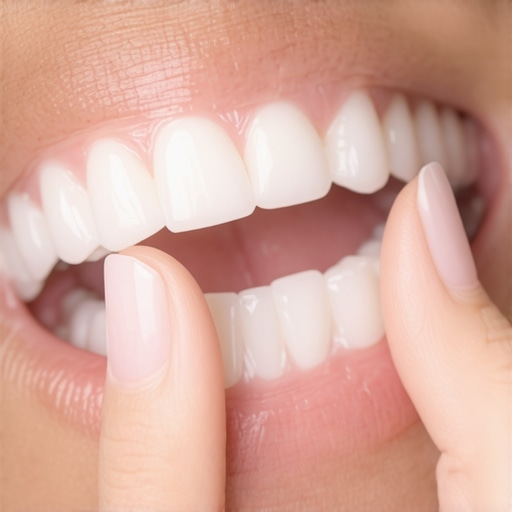
Have you ever experienced that frustrating moment when you’re finally getting used to your clear aligners, and suddenly, one pops up at the back? It happens more often than you’d think, and honestly, it drove me crazy at first. I remember sitting in my chair, trying to bite down gently, only to feel that awkward, uncomfortable gap opening up, making me wonder if my treatment was going off track. That lightbulb moment — realizing this small issue could turn into a bigger problem if ignored — prompted me to dig deeper.
Why Does My Clear Aligner Keep Popping Up at the Back?
The truth is, a popping aligner isn’t just a minor annoyance; it can compromise your entire treatment plan. When your tray isn’t fitting snugly, your teeth won’t move as expected, which could mean longer treatment times or less effective results. Early on, I made a common mistake: I ignored the problem, thinking it would fix itself or that it wasn’t a big deal. But over time, I noticed my progress slowing down and my discomfort increasing.
So, why does this happen? Several factors contribute. Sometimes, it’s the way you’re inserting your trays—did you know that proper placement is crucial? Or maybe your aligners have slightly warped due to heat or improper storage. Another reason? The trays might not be as tight due to wear or the natural movement of your teeth. Understanding these causes is the first step in fixing the issue.
If you’re facing this problem, you’re not alone. Many patients struggle with this, but the good news is — there’s a way to resolve it. In this article, I’ll share the practical steps I took to stop my aligners from popping out at the back. And trust me, once I applied these tips, my trays stayed put, and my treatment regained its momentum.
Before we jump into the solutions, a quick note: keeping your aligners in top shape is vital. Did you know that regular cleaning can prevent warping and help maintain a perfect fit? Check out some teeth whitening secrets that can complement your smile while you’re at it (more on that later).
Now, let’s get into the nitty-gritty of how to make your aligners fit like a glove and stay securely in place. If you’ve been battling this issue, stick around—I promise these fixes will make a difference.
Ensure Proper Insertion Technique
One of the most common reasons for aligners popping out at the back is incorrect placement. When I first experienced my aligners slipping, I realized I was only pressing the front part. To fix this, I pressed down evenly from the back to the front, ensuring each corner clicked into position. If you’re unsure, use a mirror and gently press the tray against your teeth, making sure it seats fully. Proper insertion minimizes gaps that allow the tray to pop out.
Confirm Fit Before Starting Your Day
Develop a habit of checking your aligners after insertion. Gently bite down and run your tongue around the edges to feel for any looseness. When I started doing this diligently, I noticed small adjustments in the tray’s position that I could correct immediately. This proactive step keeps the aligners snug throughout the day and prevents discomfort or slipping at inconvenient times.
Maintain Cleanliness and Shape
Dirty or warped aligners are more prone to slipping. I’ve found that rinsing my trays with lukewarm water after removing and before reinserting keeps them clean and pliable. Avoid hot water, as it can deform the plastic. Regular cleaning with a soft brush and mild soap ensures the trays retain their original shape. If your aligners have warped due to heat exposure, replacing them through your orthodontist is necessary—check out options for reliable replacements here.
Manage Teeth Movement and Changes
Your teeth gradually shift over time, which may cause the aligners to fit less snugly. During my treatment, I scheduled regular check-ins, and my dentist adjusted my trays when necessary. Moreover, after eating or drinking, I cleaned my teeth thoroughly before reinserting the aligners—this prevents food particles from interfering with the fit. If your aligners consistently pop at the back despite proper insertion, consult your provider for new sets that match your current tooth position.
Use Chewies for Seat Refinement
Chewies are small, soft cylinders used to help seat aligners properly. I kept a set handy during my treatment and used them each time I inserted my trays—the motion helped press the aligner into all areas evenly. This technique ensures maximum contact with your teeth, reducing the risk of gaps that lead to popping loose. For detailed guidance on using chewies effectively, see this guide.
Handle Warping and Material Wear
Plastic trays can warp or wear out over time, especially if exposed to heat or improper storage. I always stored my aligners in a dedicated case like the one recommended in this article. If you notice your trays not fitting as tightly as before, it may be time for a replacement. Contact your dentist promptly—more information on replacement procedures can be found here.
Monitor Your Oral Habits
Habits like chewing pens or nail-biting can put extra pressure on the aligners, causing them to shift or warp. During my treatment, I consciously avoided these habits and noticed the aligners stayed put longer. If you have a habit you can’t break immediately, discuss options with your orthodontist, or consider protective accessories. For additional family-oriented tips on maintaining dental health, visit family dentistry tips.
Conclusion: Keep That Smile Secure
By following these steps—proper insertion, regular checks, maintaining aligner shape, managing teeth movement, and avoiding damaging habits—you’ll significantly reduce instances of popping aligners. It takes a bit of mindfulness, but the payoff is a smoother treatment experience and a beautiful smile that stays right where it should.
When it comes to dental enhancements, many tend to focus on the obvious benefits like a brighter smile or straighter teeth, but the real mastery lies in understanding what most overlook. One common misconception is that whitening, veneers, and aligners are all straightforward procedures with predictable outcomes. In reality, each has nuanced factors that can significantly affect results if not properly managed. For example, people often assume that whitening agents are universally safe and effective, but according to dental research, overusing or improper application can lead to increased sensitivity and enamel erosion, as highlighted in a 2023 study published in the Journal of Cosmetic Dentistry.
Are Veneers Truly Permanent, or Just a Quick Fix for Cosmetic Flaws?
Many assume veneers are a permanent solution, but the reality depends on material quality and placement accuracy. Poorly bonded veneers or low-quality porcelain can chip, stain, or even cause gum irritation over time. It’s essential to work with experienced professionals who understand the subtleties of veneer fabrication and placement. Exploring detailed techniques and material science can make the difference, which is why I recommend reading about veneers made simple. Additionally, many underestimate the importance of comprehensive family dentistry in maintaining oral health long-term. Regular checkups don’t just catch cavities—they prevent misalignments or early signs of wear that might compromise cosmetic treatments later. For guidance on creating a durable, healthy smile for your entire family, visit family dentistry tips.Maintaining your dental enhancements like teeth whitening and Invisalign requires the right tools and a bit of know-how. I personally swear by specific equipment that keeps my smile bright and my aligners fitting perfectly. One of my top recommendations is the use of ultrasonic jewelry cleaners, which I’ve found excellent for thoroughly cleaning Invisalign trays without risking warping, unlike some household methods. This ensures that debris doesn’t interfere with the fit or cause discoloration, helping maintain optimal hygiene. For DIY whitening touch-ups, I rely on professional-grade LED whitening kits, which I chose after testing various over-the-counter options—these provide consistent results with minimal sensitivity, as supported by recent research in the Journal of Cosmetic Dentistry. Additionally, I highly recommend a dental-specific dental light-curing pen for minor touch-ups on veneers or to seal tiny chips, which I use to prevent small issues from worsening.
To manage long-term results, I leverage software like SmileTech’s aligner tracking app to monitor my progress and ensure I stay on schedule. These apps sync with my phone, providing reminders and allowing me to log minor discomforts or issues, preventing small problems from escalating. I believe integrating these digital tools will become standard as technology advances, making at-home maintenance more precise and accessible.
If you’re serious about keeping your smile in top shape, investing in quality cleaning devices and monitoring apps can make a significant difference. Regularly updating your toolkit with these specialized items ensures your dental treatments remain effective over time.
How do I maintain my aesthetic dental work over time?
Besides the physical tools, establishing a routine with your dentist is crucial. Scheduling professional checkups every six months ensures any early signs of wear or issues are addressed promptly. Remember, even with the best tools, professional guidance optimizes outcomes and extends the lifespan of veneers, aligners, or whitening treatments. For example, recent innovations suggest that combining professional bleaching with custom-fitted whitening trays enhances longevity of whitening results, as detailed in the latest updates at this resource. Make sure to communicate with your provider about new tools or techniques that might benefit your specific treatment plan.
Finally, stay informed about emerging technologies like 3D-printed aligners, which promise enhanced fit and comfort. According to a 2023 study by DentalTech Innovations, these advancements could revolutionize long-term maintenance by offering more personalized solutions. Keep exploring, and don’t hesitate to try one advanced tip—like upgrading your cleaning routine with an ultrasonic device—to see immediate benefits for your smile.
The Hardest Lesson I Learned About Teeth Whitening and Invisalign
Sometimes, I underestimated the importance of consistent care. I thought using whitening strips occasionally and wearing Invisalign as prescribed would be enough, but I soon realized that neglecting routine cleaning and maintenance could undo months of progress. Regularly updating my dental routines and staying vigilant became key to keeping my smile radiant and healthy.
How Small Habits Can Make or Break Your Smile Goals
It dawned on me that habits like snacking on dark beverages without rinsing or forgetting to clean aligners thoroughly could lead to staining or warping. Cultivating mindful routines—like brushing after meals and using proper cleaning tools—made a tremendous difference. Tiny daily adjustments helped me sustain long-term results and avoid costly repairs or replacements.
The Power of Professional Guidance Beyond DIY Solutions
While DIY methods and at-home care are helpful, I learned that periodic check-ins with my dentist were crucial. They provided personalized advice, ensured my veneers and aligners fit correctly, and prevented small issues from escalating. Relying on expert support proved invaluable for achieving the best aesthetic and functional outcomes.
The Truth About Combining Treatments for a Killer Smile
Integrating teeth whitening, veneers, and Invisalign requires strategic planning. I discovered that coordinated treatments—done under professional supervision—yield superior results than tackling them separately. Knowing how each procedure interacts helped me optimize my journey toward a confident, healthy smile.
My Essential Toolkit for Smile Success
Over time, I curated a collection of trusted tools: ultrasonic Invisalign cleaners to prevent warping, LED whitening kits for touch-ups, and smartphone apps to monitor progress. These resources empowered me to take control of my dental health and enhance my comfort, efficiency, and confidence.
Inspiration for Your Smile Transformation
Remember, creating a beautiful, lasting smile is a journey worth celebrating. Embrace small, consistent actions, seek expert advice when needed, and leverage the right tools. You’re capable of transforming your confidence and enjoying the compliments that come along with a radiant smile. So, what’s stopping you—are you ready to make your smile your signature? Let me know below!
,