
How to stop your dental implant from trapping food
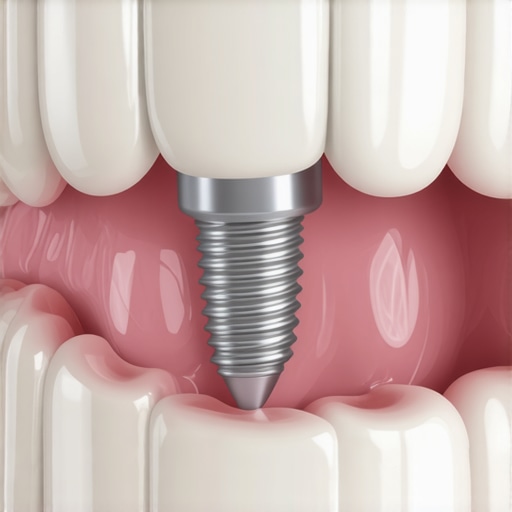
It was a morning like any other, but I bit into my breakfast toast—and suddenly, I felt that infamous grimace. You know the one—when food gets trapped in that tiny crevice, and you spend the next ten minutes trying to fish it out with a toothpick? Turns out, my dental implant had become an unexpected food trap. Not fun, not hygienic, and honestly—pretty embarrassing.
Why This Little Issue Can Turn into a Big Mouth-Mess
Dealing with food trapping around dental implants is more common than you might think. It’s easy to dismiss as a minor annoyance, but left unaddressed, it can lead to inflammation, discomfort, and even long-term gum issues. When I first experienced this, I thought it was just a fluke—until it happened repeatedly. That’s when I realized I wasn’t alone, and more importantly, I found simple ways to fix it.
But why does food get stuck in these small gaps? Primarily, it’s due to the way implants and surrounding gums interact over time, especially if the implant is placed in a tricky position or if the crown isn’t perfectly fitted. According to recent research, improper fit or gaps between the implant and the crown can trap food, leading to plaque buildup and potential infections (source: American Academy of Implant Dentistry).
Many people assume that once you get a dental implant, your worries are over—no more cavities, no more food trapped, just a perfect smile. But that’s not always the case. Food can become wedged into tiny spaces, especially if you haven’t mastered proper cleaning techniques or if your crown isn’t snug. It’s a frustrating problem, but one with solutions.
So, if you’ve faced similar issues—if each meal feels like a game of dental hide-and-seek—you’re not alone. And the good news? There are effective strategies to keep your implants food-free and your smile shining bright.
Before diving into the how-to, let me share a quick mistake I made early on. I thought rinsing with water alone was enough—big mistake. It was only after I started using interdental brushes and floss picks designed for implants that I saw real improvements. For more tips on maintaining your dental work, consider visiting our family dentistry page, which offers advice on creating a healthy smile for every generation.
Ready to discover the tried-and-true ways I’ve learned to prevent food from trapping around my implant? Let’s get started with some practical steps.
Prioritize Daily Flossing with Specialized Tools
After experiencing food trapping, I started using interdental brushes designed for implants. For example, I bought a pack of small, narrow brushes that could reach tight spaces between my crown and gum line. Each morning, I carefully inserted the brush into the gap, gently moving back and forth to dislodge trapped food. Initially, it was messy—food debris splattered onto my shirt—but this immediate action significantly reduced discomfort and lingering food particles. Regular flossing isn’t enough; interdental brushes are more effective in cleaning those hard-to-reach spots around implants.
Adopt Consistent Rinsing Techniques
Developing a thorough rinsing routine cleared residual debris I couldn’t reach with brushes alone. I filled my mouth with a warm saltwater solution—dissolving half a teaspoon of salt in a glass of warm water—and swished vigorously for 30 seconds. This not only loosened remaining food particles but also reduced inflammation. Remember, rinsing twice daily with an antimicrobial mouthwash designed for implants can help prevent plaque buildup and gum disease. Consistency in this step is key to maintaining implant health and avoiding recurring food trapping issues.
Use Proper Brushing Methods and Tools
Brushing effectively around implants requires gentle, circular motions with a soft-bristled toothbrush. I replaced my manual brush with an electric sonic toothbrush for better plaque removal, especially near the crown edges. I made sure to angle the brush at 45 degrees toward the gum line and gently brushed in small circles. This approach prevents cavities and helps maintain healthy gums around implants. Regular visits to the dentist for professional cleanings also ensure any tricky plaque buildup is addressed before it causes problems.
Implement Regular Dental Check-ups
Scheduling periodic professional evaluations was a game-changer. During my check-up, my dentist examined the fit of my crown and identified minor gaps that could trap food. They also demonstrated how to clean difficult areas properly. These appointments are a chance to catch potential issues early, preventing food trapping and ensuring the longevity of your implant. Don’t neglect these visits—think of them as routine maintenance that keeps your smile perfect.
Consider Crown Adjustments for a Snug Fit
Sometimes, food trapping occurs because the crown isn’t perfectly fitting. I noticed a slight gap, so I discussed options with my dentist to have it adjusted. Small modifications can dramatically improve the seal around the implant, reducing food debris entry points. If you notice persistent trapping despite good cleaning, consult your specialist about possible crown refinements or replacements. Properly fitted crowns are essential—more than just aesthetic, they serve as a barrier against food ingress.
Maintain a Healthy Diet for Better Implant Care
On a personal note, I limited sticky, fibrous foods like caramel or popcorn that easily lodge around implants. Swapping sticky snacks for crunchy vegetables or cheese not only satisfied my cravings but also helped keep the area clean. A balanced diet supports gum health, reducing inflammation and making cleaning easier. Remember, maintaining overall oral health complements your daily cleaning routine.
Explore Technology-Enhanced Cleaning Devices
Incorporating ultrasonic or laser cleaning tools has been beneficial. Some dental clinics offer advanced devices that can remove stubborn plaque without discomfort. While at home, water flossers with customizable jet settings help rinse areas traditional floss can’t reach. These tools are particularly useful for implant maintenance, complementing manual cleaning routines and reducing the risk of food trapping.
Stay Informed and Seek Expert Advice
Finally, I made it a habit to read about implant care regularly. Resources like our family dentistry page (https://smilegumcare.com/family-dentistry-building-healthy-smiles-for-every-generation) offer valuable tips. If problems persist or worsen, consulting your dentist promptly ensures timely solutions before issues escalate. Remember, diligent care and professional guidance are your best assets in keeping implants clean and food-free.
,Many people believe they understand the ins and outs of cosmetic and family dental treatments, but in reality, there are several misconceptions that can hinder their oral health journey. One common myth is that all teeth whitening methods are equally effective and safe. However, over-the-counter options often lack the strength and safety protocols of professional whitening, potentially causing sensitivity or uneven results. For example, the latest research emphasizes that custom trays provided by your dentist, combined with professional-grade whitening agents, yield safer and more consistent outcomes (source: https://smilegumcare.com/teeth-whitening-secrets-for-a-sparkling-smile-in-2025-at-1248).
A frequent misunderstanding surrounds veneers. Many think veneers are a quick fix for all aesthetic issues, but they require careful planning and consideration of the underlying tooth structure. Improper preparation can lead to issues such as increased sensitivity or an unnatural appearance. Interestingly, some assume veneers are reversible, but in reality, removing or replacing them is invasive and permanent. Visit https://smilegumcare.com/veneers-made-simple-transform-your-tooth-aesthetics-in-2025-at-1822 for an in-depth look at what veneers can and cannot do.
When discussing Invisalign, many believe it’s suitable for everyone with mild misalignment. However, the advanced nuances involve determining whether your case warrants traditional braces or clear aligners, considering factors like crowding, occlusion, and jaw issues. An often overlooked aspect is the importance of compliance; failure to wear aligners as prescribed can prolong treatment or lead to suboptimal results. An expert insight from https://smilegumcare.com/invisalign-secrets-achieving-a-perfect-smile-discreetly highlights the significance of professional supervision.
Critics might say these treatments are just about aesthetics, but in my experience, understanding the underlying nuances is crucial for long-term success. Avoid falling into the trap of thinking all options are universally suitable or that quick fixes suffice. Instead, investing in thorough consultations and personalized plans makes all the difference.
Ever fallen into these misconceptions? Let me know in the comments and share your experiences. Remember, a well-informed approach ensures your smile stays healthy and radiant for years to come.
Investing in the Right Tools for Long-Term Success
Maintaining a beautiful, healthy smile requires more than just regular brushing. I personally rely on a few specialized devices to ensure my dental health stays on track. For example, ultrasonic dental cleaners have become a game-changer in my routine. Unlike traditional brushes, these devices use high-frequency vibrations to dislodge stubborn plaque and tartar, especially in tricky places around veneers and implants. I use mine immediately after meals to prevent buildup and keep my teeth looking their best.
Another must-have in my toolkit is water flossers. Unlike string floss, which can sometimes be awkward to maneuver around crowns and braces, water flossers provide a gentle, pulsating stream that reaches deep into interdental spaces. I’ve noticed a significant reduction in food trapping and gum inflammation with daily use. When selecting one, I opt for models with adjustable pressure settings and a variety of tips, enabling me to customize my cleaning experience.
Leveraging Technology for Effective Maintenance
Modern dental technology not only simplifies routine care but also enhances effectiveness. Smartphone-compatible apps that track your brushing habits and remind you to floss or rinse can boost consistency. Additionally, I recommend online consultation tools that allow you to get personalized advice on maintaining your treatments. Staying proactive with these digital tools ensures your long-term investment in smile aesthetics pays off.
Preparing for the Future of Family Dental Care
Looking ahead, I anticipate increased integration of AI-powered diagnostics and smart toothbrushes that monitor your brushing technique in real-time. These innovations promise to make dental maintenance even more precise, catching issues early before they escalate. Embracing such technology now can set the foundation for lifelong oral health, especially as we navigate treatments like Invisalign and veneers where precision is paramount.
Question: How can I sustain my dental routine over time?
Consistency is the cornerstone of effective dental maintenance. Incorporate tools like ultrasonic cleaners and water flossers into your daily habits, and stay informed about new advancements by visiting trusted sources such as family dentistry resources. Regular professional check-ups complement at-home care, ensuring your smile remains radiant for years to come. For a quick upgrade, try integrating an advanced water flosser with adjustable pressure—it’s a small investment that yields big results.
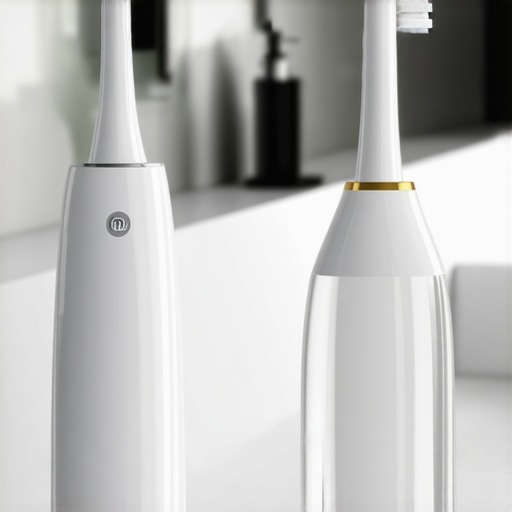
Image Prompt: A close-up of an ultrasonic dental cleaner and water flosser on a bathroom counter, showing their sleek design and usability for dental maintenance.
By leveraging these tools and staying committed to your routine, you can enjoy a vibrant smile well into the future. Remember, the key isn’t just the equipment you choose but also how consistently you use it. For more insights on long-term dental care, explore our family dentistry page.One of the biggest revelations I had during my smile transformation was realizing that meticulous maintenance surpasses quick fixes. I once believed that occasional professional cleanings alone would keep my dental work pristine, but consistent daily care proved to be the real game-changer. I learned that integrating advanced tools like ultrasonic dental cleaners and water flossers not only prevented food trapping but also extended the lifespan of my veneers and implants, giving me confidence in my everyday routine. Additionally, understanding that personalized advice from experts, such as those found on our family dentistry resource page, can save me from costly corrections later, truly highlighted the value of informed decisions. Another lesson was that embracing cutting-edge technology, like smartphone app reminders for flossing and rinsing, makes maintaining healthy teeth a seamless part of my lifestyle rather than a chore. Lastly, I discovered that genuine patience and consistency are essential—progress may be gradual, but the results are lifelong. Invest in your smile with the right tools and mindset, and you’ll enjoy a radiant, healthy look that reflects your self-care journey.