
How to Stop Your Gums From Growing Over Your Invisalign Attachments
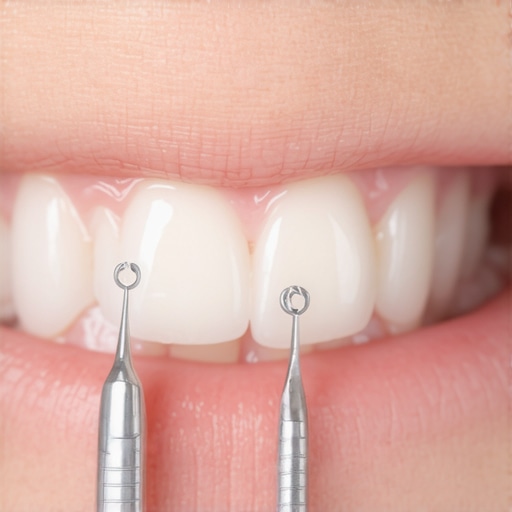
I remember the exact moment I realized I had made a mistake with my Invisalign journey. It was a quiet evening, I was brushing my teeth and noticed that my gums seemed to be creeping dangerously close to my attachments. Not only was it uncomfortable, but I started to worry about what this meant for my progress and overall oral health. That lightbulb moment hit hard — I needed a solution, and fast.
Why Gums Growing Over Your Invisalign Attachments Is More Common Than You Think
If you’re reading this, chances are you’ve experienced similar frustration. Gums growing over Invisalign attachments can feel like a foreign invasion in your mouth, causing discomfort and making you question if your treatment is on track. It’s more common than most people realize. In fact, studies suggest that gum tissue can sometimes react to orthodontic appliances by enlarging or invading areas around attachments, especially if not managed properly (source).
In my early days, I made a crucial mistake — I ignored early signs, thinking it was just normal gum inflammation. That was a false move. Ignoring this issue could lead to gum recession or attachment failure, prolonging treatment and increasing costs. Trust me, I learned this the hard way, and I don’t want you to make the same mistake.
Today, I want to share not only how I tackled this problem but also some practical steps to prevent it from happening again so that your Invisalign treatment stays smooth and comfortable.
Identify the Root Cause of Gum Overgrowth
Start by examining whether poor oral hygiene, improper attachment placement, or gum sensitivity might be contributing to gum encroachment. I once I noticed my gums creeping over my attachments, I immediately checked for plaque buildup and inflammation.
Recognizing early signs is crucial—look for redness, swelling, or bleeding around your attachments.
Maintain Rigorous Oral Hygiene Practices
Brush twice daily with a soft-bristled toothbrush, focusing gently around attachments to remove plaque without irritating gum tissue. Incorporate interdental brushes or floss designed for braces to clean hard-to-reach areas.
This hands-on approach prevented plaque accumulation that could inflame or push gums over attachments. For detailed techniques, refer to family dentistry tips.
Use Professional Tools and Advice
Schedule regular dental check-ups—ideally every 6-8 weeks—to have your attachments and gums professionally evaluated. Discuss your concerns with your dentist or orthodontist, especially if overgrowth persists despite good hygiene.
They might recommend targeted cleaning or minor adjustments, ensuring your treatment stays on track. To find the right care, visit Contact Us.
Apply Gentle Interventions to Reduce Overgrowth
If gum tissue is thick or inflamed, your dentist may suggest applying topical antimicrobials or recommending specific anti-inflammatory rinses. Never attempt to scrape or cut gum tissue yourself—this can cause trauma and infection.
During my experience, my dentist recommended rinsing with a medicated mouthwash, which helped reduce swelling and prevent gum overgrowth from becoming more severe.
Incorporate Preventive Measures in Daily Routine
Adjust your diet by avoiding sticky or hard foods that can exacerbate attachment issues. Use prescribed interdental brushes to clean around attachments carefully. Also, consider using an antimicrobial mouthwash to control bacterial growth that can lead to gum overgrowth.
Regular maintenance not only keeps your gums healthy but also minimizes treatment delays. For whitening your teeth safely during treatment, explore teeth whitening secrets.
Stay Informed with Latest Orthodontic Topics
Consider reading recent innovations in Invisalign technology, such as the developments shared at Invisalign innovations for 2025. Staying updated can empower you with knowledge to prevent issues like gum overgrowth before they escalate.
Many people enter dental aesthetic treatments with misconceptions rooted in misinformation or oversimplified advice. Let’s address some of the most prevalent myths and reveal the nuanced truths behind them.
People Often Believe Whitening Is a One-Size-Fits-All Solution, But It’s Not
Contrary to popular belief, over-the-counter whitening strips or gels aren’t equally effective for everyone. The reality is that factors like staining agents, enamel thickness, and underlying dental issues influence results significantly (lab-developed custom trays). Many assume that all whitening methods are safe and fast, but aggressive products can cause sensitivity, especially on dental restorations or veneers, and may even damage the enamel if misused. The nuanced approach involves professional shade-matching and customized treatment plans that minimize risks and maximize longevity.
Veneers Are Seen as Instant Fixes, but Placement Requires Consideration
Many think veneers instantly transform smiles with minimal preparation, but the process involves careful assessment of tooth structure, coloring, and alignment. An overlooked nuance is that improper bonding or choosing veneers that are too thick can lead to a fake appearance or functional issues, like uneven bite or difficulty closing the mouth comfortably (veneers: made simple). Moreover, veneers require dedicated maintenance and can cause gum recession if the bonding isn’t properly managed. So, the secret is in choosing a skilled cosmetic dentist who understands the subtleties of aesthetic integration.
Invisalign Promises Are Often Oversold Without Recognizing Its Limits
Many assume Invisalign can correct all types of orthodontic issues effortlessly, but there’s more complexity involved. Advanced cases like significant crowding, skeletal discrepancies, or molar rotations may require traditional braces or surgical intervention (latest Invisalign innovations). A common mistake is underestimating the importance of strategic attachment placement and tracking adjustments, which if neglected, lead to prolonged treatment or subpar results. The key is aligning treatment expectations with the case complexity, by collaborating closely with your provider.
Family Dentistry Is Not Only About Routine Cleanings
Many see family dentistry as merely a place for kids’ checkups, but it encompasses comprehensive preventive care, education, and early intervention for all ages. An often-missed nuance is the emphasis on building a lifelong relationship with your dentist, ensuring regular assessments can catch issues like early gum disease or decay before they escalate. This proactive approach sustains oral health, reduces costs, and enhances quality of life (family dentistry tips). Being aware of these broader roles fosters a more strategic, health-centered mindset rather than reactive visits only when problems arise.Maintaining your dental transformations over the long term requires more than just good habits; it demands the right tools and methods. Personally, I swear by a combination of specialized equipment and modern software that streamline the process and ensure lasting results.
Precision Cleaning Devices Make All the Difference
One tool I use daily is the **Sonicare DiamondClean Smart toothbrush**, renowned for its sonic technology that reaches deep between teeth and around attachments, removing plaque effectively without irritating gum tissue. Its app integration provides real-time feedback, which keeps me vigilant about my oral hygiene. Regular use of such advanced devices helps prevent issues like gum overgrowth or decay, especially during procedures like Invisalign or veneer placement. In the future, expect these tools to incorporate AI-driven diagnostics that monitor your oral health continuously, offering personalized advice.
High-Quality Digital Imaging for Accurate Monitoring
For tracking progress, I rely on **3D intraoral scanners** such as the **iTero Element**. Unlike traditional molds, these scanners produce detailed digital impressions instantly, eliminating discomfort and inaccuracies. They allow both me and my dentist to observe minute changes over time, ensuring that treatments like Invisalign are proceeding as planned. The technology also facilitates seamless communication with labs for custom veneers or whitening trays. Nowadays, software advancements are enabling virtual simulations, which help predict long-term aesthetic outcomes—making maintenance less guesswork and more science.
Specialized Whitening Systems for Safety and Efficacy
When it comes to teeth whitening, I prefer professional systems like LED-activated whitening kits from **Zoom!**, which I’ve found to be safer and more predictable than over-the-counter products. These kits use high-intensityLED lights that accelerate peroxide breakdown, providing consistent results while avoiding sensitivity. Regularly renewing whitening treatments with professionally supervised methods helps preserve a bright smile after completing orthodontic or veneer procedures. Predictions suggest that future whitening will become even more tailored, leveraging personalized DNA or saliva analysis to optimize agents and protocols.
How do I keep my results lasting over time? You might ask, but the key lies in consistent use of the right tools coupled with regular checkups. To stay ahead of potential setbacks like gum recession or attachment failure, I suggest scheduling routine professional evaluations. Visiting a family dentist like those who focus on holistic care helps catch early signs of wear or complications, saving you time and money. Learn more about maintaining your smile with tips from reliable sources, or reach out through our contact page for tailored advice.The Road Ahead for Dental Maintenance
As technology advances, managing your dental health will become more integrated and less invasive. Wearable devices, advanced imaging, and AI-driven personalized plans will empower us to preserve our investments in aesthetic treatments longer than ever before. Stay proactive, stay informed, and don’t hesitate to implement new tools that can help maintain that perfect smile for years to come.
What I Wish Someone Told Me About Gums and Attachments
Many people underestimate how crucial gums are during orthodontic treatments. My biggest lightbulb moment was realizing that ignoring early signs of gum overgrowth could prolong my journey and compromise my results. Stay vigilant and proactive; early detection can save time and discomfort.
When Less Is More: The Power of Gentle Care
I learned the hard way that aggressive brushing or over-cleaning can irritate gums and worsen attachment issues. Gentle, consistent hygiene paired with professional advice made a world of difference. Trusting expert guidelines over quick fixes has been key to maintaining a healthy, beautiful smile.
The Subtle Art of Listening to Your Mouth
Understanding my body’s signals, like redness or slight swelling, helped me catch problems before they escalated. Don’t dismiss small discomforts—addressing them early prevents long-term setbacks and keeps your Invisalign treatment on track.
Curated Recommendations for Dental Success
My essential toolkit includes the **Sonicare DiamondClean Smart toothbrush**, which ensures thorough yet gentle cleaning around attachments, and the **iTero Element scanner** for precise progress tracking. I also rely on trusted resources like latest Invisalign innovations to stay informed about emerging technologies, helping me make smarter decisions about my treatment. Additionally, professional advice from my family dentist, found through Contact Us, offers personalized care that complements my daily routine.
Your Smile Is Within Reach—Take the First Step Today
Remember, maintaining your dental aesthetic is a journey that combines knowledge, proper tools, and proactive care. Every step forward brings you closer to that confident, radiant smile. Embrace the process, stay informed, and don’t hesitate to seek expert support when needed.
What challenges have you faced during your teeth whitening or Invisalign treatments? Share your experiences below—I’d love to hear your story!
,
Comments are closed.