How to Stop Your Invisalign Attachments from Shredding Your Gums
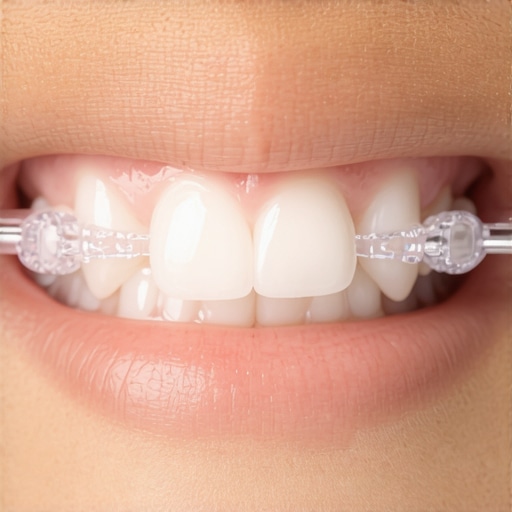
Picture this: I was mid-sentence, smiling at my reflection, when I suddenly felt a sharp, burning sensation along my gum line. I looked closer—my Invisalign attachments had somehow started shredding my gums! It was a shocking wake-up call that I hadn’t anticipated when I first chose clear aligners. That awkward pain made me realize I wasn’t alone in this struggle, and that many others probably face the same frustrating predicament.
Why Gum Shredding Happens and Why It Matters
At first, I thought it was just a fluke or maybe my mistake in maintaining proper oral hygiene. But as I dug deeper, I learned that this issue is more common than I thought—and it’s not just uncomfortable; it can also lead to infections, bleeding, and prolonged treatment times. When Invisalign attachments aren’t placed or cared for correctly, they can chafe or irritate your gums, causing tiny tears or even shredding—a painful experience I wish I knew how to prevent from the start. Knowing how to address this problem isn’t just about comfort; it’s essential for keeping your gums healthy and your smile on track.
Is It Really Worth the Hassle? My Early Mistake
Looking back, I made a common mistake early in my treatment—ignoring the minor discomforts rather than tackling them head-on. I thought that if I just soldiered through, the attachments would settle in smoothly. Unfortunately, neglecting these issues only made things worse. If I had known sooner how to adjust my daily routine and seek professional advice, I could have saved myself a lot of pain and discomfort. That’s why I want to share my insights—to prevent you from making the same mistakes and to help you enjoy a smoother Invisalign journey. Discovering simple adjustments can make all the difference. For more expert tips, you might find this resource on Achieving a Perfect Smile Discreetly helpful.
Nothing is more discouraging than feeling like your treatment is jeopardized by preventable discomforts. If you’ve faced any gum irritation or attachment issues, you’re not alone—and the good news is, solutions are within reach, which I’ll reveal in the upcoming sections.
Maintain Strict Oral Hygiene Practices
Start by brushing your teeth thoroughly at least twice a day using a soft-bristled toothbrush. Use gentle circular motions to clean around the attachments without applying excessive force, which can irritate your gums. Floss daily with special attention near the attachments, ensuring no debris gets trapped that could cause irritation or shredding.
Regularly Check and Adjust Attachments
Schedule routine appointments with your orthodontist to assess the condition of your Invisalign attachments. During these visits, ask them to verify that attachments aren’t causing excess friction or irritation—if they are, adjustments can be made promptly. My own experience taught me the importance of these check-ins; during one appointment, my technician gently smoothed a rough edge on an attachment that was causing gum tears, and the discomfort disappeared.
Use Orthodontic Wax Wisely
Apply orthodontic wax over any rough or sharp parts of the attachments that might rub against your gums. This acts as a buffer, reducing friction. I had a particularly sore attachment one week, and after covering it with wax, I noticed immediate relief. Keep some wax handy and reapply as needed, especially after eating or drinking.
Adopt Proper Eating Habits
Be mindful of what and how you eat. Hard, crunchy, or sticky foods can dislodge or damage attachments, increasing the risk of gum shredding. Cut tough foods into smaller pieces and chew slowly to minimize pressure. During my first week, I avoided popcorn and nuts; doing so helped prevent unnecessary attachment loosening and gum irritation.
Be Gentle and Patient During Cleaning
When cleaning, avoid aggressive scrubbing around the attachments. Use a water flosser or interdental brushes to gently clean hard-to-reach areas, which reduces trauma to the gum tissue. I found that switching to a water flosser drastically decreased gum discomfort compared to traditional flossing, especially in sensitive areas.
Seek Prompt Professional Guidance
If you notice persistent irritation, bleeding, or shredding, contact your orthodontist immediately via this contact page. Ignoring early signs can exacerbate gum damage. During my treatment, I experienced minor gum bleeding, and a quick visit resulted in an adjustment that prevented further issues, saving me from weeks of discomfort.
Limit Unnecessary Touching of Attachments
Resist the temptation to fiddle with your attachments with your fingers, which can introduce bacteria or cause accidental damage. Keeping your hands away from the attachments helps maintain their integrity, minimizing irritation and avoiding shredding risks. I learned this the hard way when I accidentally loosened an attachment by picking at it.
Stay Consistent with Treatment Protocols
Adhering to your orthodontist’s instructions—like wearing elastics properly and following dietary guidelines—ensures the attachments stay secure and functional. Neglecting these instructions can lead to attachment loosening and gum injuries. My disciplined approach during the first month kept my attachments intact and my gums healthy.
Many people assume that veneers, family dentistry, teeth whitening, and Invisalign are straightforward solutions to dental concerns, but there are nuanced pitfalls often overlooked. For instance, a common myth is that veneers are a permanent fix for all aesthetic issues; however, they require careful consideration of material choices and long-term maintenance. Don’t fall into the trap of thinking veneers are foolproof—poor bonding can lead to chips or discoloration over time, which is why consulting an experienced cosmetic dentist is essential.
What should advanced patients know about the longevity and risks of veneers compared to crowns?
Experts highlight that veneers have a more conservative prep but are less durable than crowns in cases involving significant structural damage, as supported by recent studies in dental prosthetics. When it comes to family dentistry, many believe routine checkups suffice, yet neglecting preventive treatments like sealants or fluoride can lead to early decay—especially in children. Prioritizing personalized dental plans helps ensure lifelong oral health. Understanding family dentistry beyond basic cleanings can prevent costly interventions later. In the realm of teeth whitening, a common misconception is that all products are equally safe; in reality, over-the-counter kits with high peroxide concentrations risk gum irritation if not used properly. Professional whitening offers controlled, effective results, but it’s crucial to have a dental assessment beforehand. Beware of unregulated whitening products—they can exacerbate sensitivity or damage enamel. Top teeth whitening strategies emphasize that customized treatments yield the best, safest outcomes. Invisalign treatment planning also has its complexities. Many assume that aligners simply move teeth as planned, but improper usage or neglecting attachments can derail the process. In fact, advanced cases might require auxiliary strategies like limited attachments or refining appointments, which are often underestimated. For analog and digital treatment success, consistent wear and close monitoring are critical. Achieving a perfect Invisalign smile involves understanding these intricacies.
Let me pose a question—are you aware of how material choices in veneers affect future dental health? Not all veneers are created equal, and some types may bond less effectively or cause sensitivity. Knowing the science behind materials and procedures can equip you to make informed decisions. Do you think your current dental routine covers these advanced nuances? If not, it might be time to consult with a specialist. Remember, being proactive about understanding these details ensures your smile stays beautiful and healthy for years to come. Have you ever fallen into this trap? Let me know in the comments.
Choosing Your Dental Maintenance Arsenal
To keep your veneers, whitening results, or Invisalign treatment performing at peak levels, investing in the right tools is essential. I personally rely on a high-quality water flosser, like the Waterpik Aquarius, because it’s gentle yet incredibly effective at removing debris around aligners and veneers without irritating sensitive gums. It dislodges plaque and food particles in hard-to-reach spots, preventing buildup that can lead to discoloration or damage. Additionally, I use an electric toothbrush with a sonic cleaning action, which provides superior plaque removal compared to manual brushing, especially around delicate restorations. Brands like Sonicare DiamondClean have been my go-to for their proven efficacy and gentle brush heads that protect enamel.
Why Routine Checks Are a Long-Term Investment
Scheduling regular dental check-ins isn’t just about catching issues early—it’s about maintaining the integrity of your restorations and cleaning regime. During these appointments, my dentist examines my veneers and Invisalign attachments, making minor adjustments that can significantly extend their lifespan. I’ve learned that proactive maintenance prevents small problems from escalating into costly repairs, and it’s a strategy I highly recommend. Advanced tools like digital intraoral scanners enable dentists to monitor changes accurately over time, ultimately helping you avoid surprises.
Embracing Technology for Better Results
Modern dental care is increasingly driven by technology, and I advocate for utilizing these innovations. For example, some dental offices now use AI-driven imaging to detect early signs of wear or micro-fractures in porcelain veneers, ensuring preemptive action. Additionally, smartphone apps linked to dental devices enable me to track my cleaning routines, send reminders, and log any discomfort, keeping me engaged and proactive in my oral health. Exploring these options can empower you to maintain your smile’s brilliance for years to come.
Prediction: The Future of Smile Maintenance
Looking ahead, I believe wearable sensors embedded in retainers or aligners will monitor oral environment parameters such as saliva pH or bacterial activity, alerting you to potential problems before symptoms appear. Such innovations will personalize maintenance routines further, making dental health more efficient and less invasive.
How do I keep my smile’s enhancements working over time?
Regularly using effective cleaning tools like water flossers and sonic toothbrushes, scheduling routine professional checkups, and embracing the latest technology are key. Don’t underestimate the power of consistent care with the right equipment and expert guidance—these habits ensure your investment in veneers, whitening, or Invisalign yields long-lasting, beautiful results. If you’re ready to elevate your maintenance routine, consider trying advanced tools like the Waterpik Aquarius for superior plaque removal or exploring new apps that track your daily oral hygiene. Staying proactive with these strategies can dramatically extend the lifespan of your smile enhancements and keep your confidence shining. For personalized advice or to schedule a checkup, reach out through our contact page. Remember, consistent care today safeguards the smile you love tomorrow.
The Hardest Lesson I Learned About Veneers, Family Dentistry, Teeth Whitening, Invisalign
One of my biggest revelations was realizing how small details, like proper attachment care, can drastically impact my overall treatment success. neglecting routine checkups led to minor issues snowballing into discomforts; now I understand that proactive, consistent care is the cornerstone for a lasting, beautiful smile. Additionally, I discovered that not all whitening products or veneer materials are created equal—choosing quality and consulting specialists make a tangible difference in long-term results. Lastly, embracing new technology and staying informed about updates in orthodontic treatments can unlock better outcomes and confidence in your smile journey.
My Go-To Resources for a Radiant Smile
First, I trust the comprehensive guides available on Invisalign secrets—they provide insights that go beyond the basics and help you optimize your aligner experience. For maintenance tools, teeth whitening tips from reputable sources have kept my smile sparkling without damage. I also value advice from trusted family dentistry resources, emphasizing prevention and personalized care, which has been key to preserving my investment in veneers and restorations. These tools and knowledge bases empower me to stay ahead in my oral health game.
Keep Your Smile Bright and Strong—You Deserve It
Remember, your journey toward a confident, healthy smile is a deeply personal one—embrace each step with patience and curiosity. Staying proactive with quality tools, regular checkups, and continuous learning transforms your dental routine into a lifelong investment. If you’re considering veneers, Invisalign, or teeth whitening, now is the perfect time to take that first step—your future self will thank you. What’s one small change you can make today to better care for your smile? Share below and let’s inspire each other to keep our smiles shining bright.