
How to Stop Your Invisalign Trays From Smelling Like Old Plastic
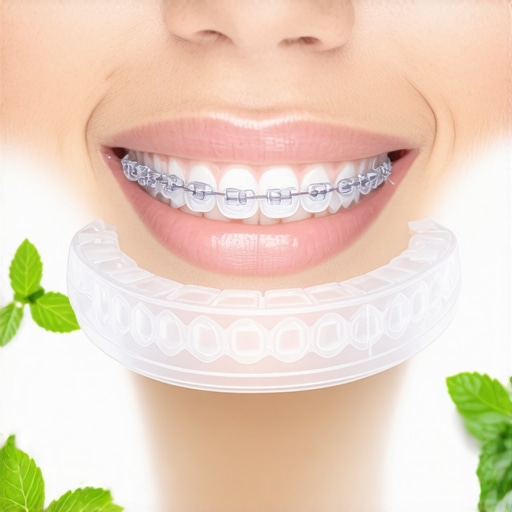
Have you ever caught a whiff of your Invisalign trays and been hit with that unmistakable smell of old plastic? I’ve been there. One morning, after a weekend away, I opened my aligner case and instantly regretted it. The smell was so strong I almost gagged. It was a real lightbulb moment for me: the unpleasant odor was not only embarrassing but also a sign my trays needed some love. If you’ve faced the same issue, you’re not alone—many Invisalign wearers struggle with this frustrating problem. But here’s the good news: there are simple, effective ways to keep your trays smelling fresh and your confidence high. Today, we’re diving into practical solutions that really work, so you can smile brighter—and fresher—every day.
Why Your Invisalign Trays Smell Like Old Plastic and Why It Matters
The smell of old plastic isn’t just unpleasant; it’s a sign that bacteria and mold may be clinging to your trays. According to the American Dental Association, bacteria buildup can lead to other issues like bad breath and even infections if not properly managed. I used to think that simply rinsing my aligners was enough, but early on, I made a big mistake: I only cleaned them lightly with water, assuming that was good enough. Spoiler alert: it’s not. That mistake made the odor worse over time, and I found myself dreading using my trays. If you’re tired of hiding your smile behind a cloud of plastic smell, keep reading—because the solution isn’t complex, and it can transform your Invisalign experience.
Establish a Daily Cleaning Routine
After removing your trays, rinse them thoroughly with lukewarm water to wash away saliva and debris. Use a soft-bristled toothbrush and non-abrasive toothpaste to gently scrub all surfaces, paying close attention to the edges where buildup often occurs. I learned this the hard way when I skimped on brushing and noticed the smell intensify within days. Consistency is key—make this step part of your morning and evening routine to prevent bacterial growth that causes odors.
Use Specialized Cleaning Products
Invest in Invisalign cleaning crystals or tablets designed specifically for aligners. Drop a tablet into a glass of water and soak your trays for 15-20 minutes. This helps eliminate stubborn germs and residue that regular brushing might not remove. Once, I forgot to do this and ended up with a foul smell that persisted despite rinsing. Incorporating this step once daily can drastically improve freshness.
Avoid Harsh Chemicals and Hot Water
Never cleanse your trays with bleach, alcohol-based cleaners, or boiling water, as these can warp the plastic. Instead, stick to gentle solutions that preserve the shape and integrity of your aligners. I once accidentally boiled my trays when I was in a rush; the result was a distorted fit, making my Invisalign less effective. Always opt for room temperature solutions and gentle brushes.
Implement Proper Storage Habits
When not in use, store your trays in their ventilated case to prevent dust accumulation and bacterial growth. Clean the case weekly with soap and water. I used to leave my trays in random places around the house, which led to unpleasant smells and contamination. A dedicated case keeps your aligners protected and fresh, especially if you travel often.
Maintain Oral Hygiene Beyond the Trays
Brush and floss your teeth thoroughly before reinserting your trays. This reduces leftover food particles that can ferment and produce odor. Additionally, using mouthwash after cleaning your trays adds an extra layer of freshness. I noticed my trays smelled worse if I skipped brushing my teeth, so I now brush immediately after meals, keeping everything hygienic and odor-free.
Limit Consumption of Odor-Absorbing Foods and Drinks
Reducing intake of coffee, spicy foods, or smoking can prevent transfer of strong odors to your trays. If you do indulge, rinse your mouth and trays promptly to minimize odor absorption. These simple adjustments made a noticeable difference for me—it helps keep my trays smelling clean longer.
Schedule Regular Professional Cleanings
Visit your dentist for professional cleanings and to ensure your aligners aren’t harboring hidden bacteria. Dentists can also advise on specific cleaning protocols suited to your needs. I started doing this every six months, and my trays stayed fresh and odor-free, making my Invisalign experience much more pleasant. Remember, consistent care prevents issues before they start, saving you discomfort and embarrassment.
Many patients assume that teeth whitening, veneers, Invisalign, and family dentistry are straightforward solutions—easy fixes for perfect smiles. However, even experienced dental professionals observe that common misconceptions and overlooked details can lead to subpar results or complications. Let’s dig deeper into the nuances that often go unnoticed and can make a significant difference in your dental journey.
Are You Falling for the Myths That Sabotage Your Dental Goals?
One widespread myth is that veneers are a quick fix for any aesthetic issue. In reality, veneers require careful planning, and their longevity depends on proper techniques and material choices. For instance, choosing porcelain veneers over composite ones isn’t just about appearance; porcelain offers better durability and stain resistance, but also demands a more precise prep process. You can learn more about the secrets behind maintaining long-lasting veneers by visiting this detailed guide. Beware of the trap where patients opt for aggressive prepping to minimize costs, risking veneer failure or the need for replacements sooner than expected.
Similarly, many believe that whitening treatments are universally safe and simple. While at-home kits are popular, they often overlook that overuse or incorrect application can lead to increased sensitivity or even damage to enamel. Advanced whitening techniques in-office, when performed properly, can yield predictable and safe results, especially when combined with pre-treatment assessments. For a comprehensive understanding, explore this expert article. It’s crucial to recognize that whitening isn’t just about choosing the strongest formula; it’s about customized approaches based on your enamel health, existing restorations, and lifestyle.
In the realm of Invisalign, many assume that it’s merely a cosmetic orthodontic solution. However, the underlying technology involves sophisticated biomechanics, attachments, and sometimes auxiliaries like interproximal reduction. Misunderstanding these nuances can lead to treatment delays or suboptimal results. For example, improper wear or failure to comply with instructions can prolong treatment time or compromise movement precision. Advanced cases might require auxiliary procedures or refinements, emphasizing the importance of consistent professional oversight. To grasp these complexities, check out this in-depth exploration. Knowing the intricacies helps you actively participate in your treatment and avoid common pitfalls.
Finally, many patients underestimate the importance of family dentistry beyond just treating cavities. A holistic approach involves preventive measures, education for kids, and early detection of issues like malocclusion or periodontal problems. Misconceptions that family dentistry is only for emergencies overlook its role in fostering lifelong oral health habits. Regular checkups can reveal subtle problems before they escalate, saving you time and expense. Dive into this resource to understand how early interventions shape healthier futures for your family. Remember, proactive care often prevents complex treatments later on.
In all these areas, the key lies in understanding that superficial solutions often mask deeper complexities. By educating yourself on the nuances and avoiding common misconceptions, you can make informed decisions that enhance both the longevity and appearance of your smile. Have you ever fallen into this trap? Let me know in the comments.
Maintaining Your Smile Tools for Long-Term Success
When it comes to preserving the benefits of teeth whitening, veneers, or Invisalign, investing in the right tools and practices is essential. From high-quality cleaning devices to tailored routines, I recommend using a soft-bristled, denture-specific toothbrush paired with a gentle, non-abrasive toothpaste designed for aligners or veneers. Personally, I prefer the Oral-B Pro-Health Precision Clean because its smaller head allows me to reach all the nooks and crannies without damaging delicate surfaces. For whitening touch-ups, I rely on custom whitening trays with professional-grade gels, which provide controlled application and minimize sensitivity—a strategy supported by recent clinical studies that emphasize calibrated bleaching for enamel safety.
Proper storage tools also make a difference. I always keep my Invisalign trays in a ventilated case, cleaning it weekly with antibacterial wipes. This simple habit prevents bacterial buildup that can cause odors or compromise your appliance’s lifespan. Additionally, I use ultrasonic cleaners designed specifically for transparent aligners—these devices use vibrations to dislodge plaque and biofilms more effectively than manual brushing alone. This method aligns with the latest research indicating ultrasonic cleaning enhances hygiene without risking warping or damage.
What’s the Future of Dental Maintenance Devices?
Advances in technology point toward smart, app-connected cleaning tools that monitor your routine and provide feedback. Imagine a toothbrush that tracks how well you’ve cleaned your veneers or aligners and suggests improvements in real-time. As the industry evolves, integrating artificial intelligence and IoT (Internet of Things) capabilities could revolutionize long-term dental appliance care. For now, I suggest adopting proven tools like ultrasonic cleaners and routine check-ins with your dental professional to ensure continued success.
How do I keep my dental appliances performing over time?
Creating a consistent maintenance routine is key. Schedule bi-weekly deep cleans with specialized devices, and always follow your dentist’s specific guidelines for your particular restorations or orthodontic appliances. Remember, even the most expensive whitening or veneers treatments can be compromised if routine cleaning and care aren’t prioritized. To learn more about advanced maintenance strategies, visit this detailed guide on veneers. Start today by incorporating ultrasonic cleaning into your routine—your smile deserves the best care to stay radiant and healthy for years to come.
Little Secrets That Changed My Dental Routine Forever
One of the most eye-opening lessons I learned was the importance of consistent, gentle cleaning over aggressive scrubbing. Initially, I thought scrubbing harder would banish odors and bacteria, but I soon realized that over-aggressiveness damages delicate surfaces and worsens issues. Embracing soft brushes and gentle solutions helped me extend the lifespan and brightness of my veneers and aligners. Another lesson was recognizing the role of diet—not just for overall health but for maintaining fresh-smelling trays. I noticed that cutting back on coffee and spicy foods kept my aligners odor-free longer, reinforcing the idea that oral hygiene isn’t just about brushing but also about mindful consumption. Lastly, I discovered that storing my appliances properly—using ventilated cases and cleaning them regularly—prevented unexpected smells and bacterial buildup, making my dental tools last longer and perform better. These insights proved that small, consistent habits lead to big results in long-term dental happiness.
My Go-To Resources for Dental Confidence
I trust the comprehensive insights offered by the Veneers Made Simple guide because it demystifies veneer longevity and maintenance, helping me make informed choices. For keeping my aligners in top shape, I rely on expert-approved cleaning routines that combine ultrasonic methods with daily habits, supported by recent research. When exploring whitening options, I turn to this trusted article, which emphasizes personalized treatments over one-size-fits-all solutions. Lastly, I follow the latest Invisalign innovations to stay on top of treatment tips and avoid common pitfalls. These resources empower me to take proactive steps toward a healthier, more confident smile.
Your Next Smile Milestone Awaits
Taking care of your teeth whitening, veneers, Invisalign, or family dental health isn’t just maintenance—it’s an investment in your confidence and happiness. Every small effort compounds into a big transformation, and you’re never alone on this journey. Embrace the knowledge, trust your tools, and celebrate the progress you make each day. Your radiant, lasting smile is within reach—start today and cherish the results tomorrow!
What’s one new habit you’re willing to try to boost your dental health? Share below—I’d love to hear your story!