
How to stop your teeth from shifting if you lost your retainer
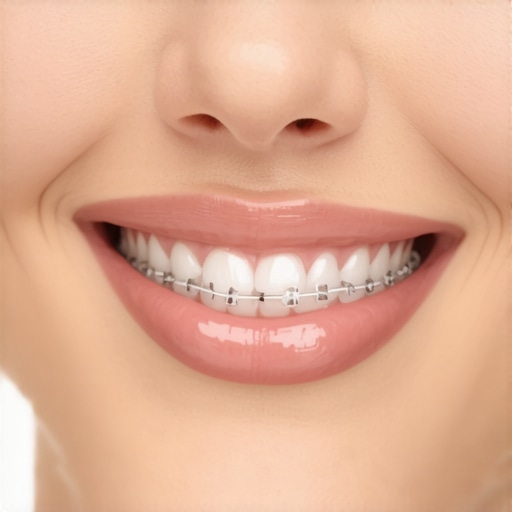
I vividly remember the moment I realized I had lost my retainer—it was after a late-night movie binge, and suddenly, there it was, missing from its usual spot. A cold wave of panic hit me. My teeth, once perfectly aligned, began to feel oddly loose and crowded. That sinking feeling? It’s more common than you think. Many people don’t understand the vital role a retainer plays in maintaining a straight smile, and losing it can feel like an irreversible backslide. But here’s the truth: you don’t have to let your teeth shift out of place. Today, I want to share practical, realistic ways to stop your teeth from shifting if you’ve lost your retainer, based on my own experiences and trusted expert advice.
Why Retainers Are the Unsung Heroes of Your Smile
After braces come off, your teeth are like teenagers—they want to move around a bit. Retainers act as a guiding hand, holding everything in perfect place. Skipping this step or losing your retainer without a plan? It’s like trying to balance on a tightrope without a safety net. According to a recent study published in the American Journal of Orthodontics, teeth tend to shift throughout life, especially during the first few years after braces. So, the risk isn’t just imaginary; it’s backed by science. If you’ve lost your retainer, the question is: how do you keep those teeth from wandering into misalignment?
Losing your retainer doesn’t mean your teeth have to wander back out of alignment overnight. Quick action can make a significant difference. First, switch to wearing your regular aligners if you have Invisalign—they act as temporary retainers, providing a barrier that keeps teeth in place. If you don’t have aligners, consider using a dental wax or a temporary retainer, which can be crafted with orthodontic wax or through a quick visit to your dentist for a custom solution. Next, prioritize good oral habits by avoiding hard or sticky foods that could exacerbate movement or cause discomfort. Chewing sugar-free gum can help stimulate saliva, which aids in maintaining oral stability. Additionally, maintain excellent oral hygiene; plaque buildup can contribute to gum disease and bone loss, increasing the risk of teeth shifting.
For a more immediate fix, visit your dentist soon. They might recommend a custom temporary retainer or other orthodontic appliances to safeguard your alignment. If you’re seriously concerned about tooth movement, discuss options like orthodontic appliances or veneers to stabilize your smile. Remember, time equals movement—acting within the first few days maximizes your chance of preserving your current alignment. Be proactive and consult your dental professional for personalized advice. For guided support, see https://smilegumcare.com/how-to-stop-your-teeth-from-shifting-after-braces-are-removed. Keeping teeth from shifting is vital for maintaining your smile’s health and appearance—don’t delay action.While many patients think they have the basics down regarding cosmetic and family dental procedures, there are subtle misconceptions and pitfalls that can trip even the most informed. For instance, the widespread belief that “whitening is all about choosing the brightest shade” overlooks essential factors like tooth enamel health, which determines how well whitening agents work without causing sensitivity. Overly aggressive whitening can weaken enamel over time, leading to increased sensitivity and risks of decay. According to a 2021 study in the Journal of Esthetic and Restorative Dentistry, personalized whitening plans yield the safest and most effective results, highlighting the importance of professional guidance rather than DIY kits.
Why DIY Teeth Whitening Can Backfire Even More
Many consumers fall into the trap of using activated charcoal or baking soda, assuming they are natural and safe. The problem? These abrasives can erode enamel if used excessively, ultimately worsening discoloration and increasing tooth sensitivity. The ‘Oops’ factor here is underestimating their abrasive nature and ignoring professional advice.
Similarly, with Invisalign, the common myth is that they’re only for mild misalignments. In reality, discreet aligners can handle complex cases when properly monitored, but attempting to modify the treatment plan without a professional can lead to bite issues or uneven wear. An advanced concern relates to the often-overlooked importance of compliance; wearing aligners 22 hours daily is crucial, yet many underestimate how essential this is for predictable outcomes.
When it comes to family dentistry, there’s a misconception that routine cleanings are enough to prevent all issues. However, early signs of decay or gum disease are often subtle; regular check-ups reveal hidden problems before they escalate. For example, early caries can be missed if only visual inspection is performed, emphasizing the need for digital radiographs and intraoral cameras. Neglecting these nuances can lead to unexpected, costly treatments later.
Veneers are frequently viewed as a permanent, no-maintenance solution for perfect teeth. While they are durable, failure to recognize their limitations — such as susceptibility to chipping if harsh foods are consumed — can cause disappointment. Proper understanding of veneer porcelain’s properties and maintenance routines is vital. For example, patients with habitually acidic diets risk etching the veneer surface, compromising longevity. For a comprehensive guide, see our detailed post on veneers in 2025.
Let’s clarify one thing: the most advanced practitioners understand that the key isn’t just the procedure, but the tailored approach considering your unique dental anatomy, habits, and expectations. Skipping consultations or rushing into treatments without this depth can cause setbacks. This is why choosing a family dentist who understands both preventive care and aesthetic solutions is your best bet—such as our team, dedicated to personalized care, detailed diagnostics, and ongoing support. Want to explore more? Contact us via our contact page.
Have you ever fallen into this trap? Let me know in the comments.Maintaining a stellar smile long-term requires the right tools and a disciplined approach. Personally, I rely on a combination of professional-grade whitening systems, digital monitoring software, and targeted home care routines. For example, I use the Philips Sonicare DiamondClean toothbrush—not just because it’s popular, but because its sonic technology effectively reaches plaque in hard-to-clean spots, reducing the need for excessive manual brushing. Regularly scheduling cleanings with my dentist ensures that any early signs of issues are caught before they escalate, aligning with the insights shared in our guide on building healthy smiles for every generation. Additionally, I incorporate a high-quality water flosser, like the Waterpik Aquarius, which I find indispensable for maintaining interdental health, especially with veneers or braces. These tools are vital because they remove debris and bacteria more thoroughly than traditional floss, extending the longevity of veneers and preventing decay around dental work. Looking ahead, I believe the integration of smart oral health devices—like app-connected toothbrushes that track brushing habits—is set to revolutionize at-home care. Such innovations will offer real-time feedback, ensuring users maintain optimal oral hygiene without guesswork.
How do I maintain my dental tools and maximize results over time?
Regularly replacing brush heads—every three months—and following manufacturer cleaning protocols preserve their efficacy. Combining this with professional check-ups enables early intervention and tailored recommendations. Remember, your tools are only as good as your commitment to using and maintaining them properly. I highly recommend trying an advanced electric toothbrush with pressure sensors; it alerts you when you’re brushing too hard, protecting sensitive veneers and gums. For guidance on professional treatments that complement your daily routines, explore our related posts on teeth whitening and veneers. Take control today by integrating these trusted tools into your routine, and enjoy a bright, healthy smile that lasts.
Lessons That Change How I Approach Smile Care
One of the most eye-opening realizations was realizing that even small habits can lead to significant changes in my dental health. For example, I used to believe that whitening once a year was enough, but now I understand that consistent, professional-guided whitening keeps my teeth radiant without risking sensitivity. Another lesson was that trusting DIY solutions, like charcoal or baking soda, can do more harm than good, eroding enamel over time. Lastly, I learned that ongoing communication with my dentist about habits, diet, and concerns is the secret sauce for long-lasting results, especially when managing post-orthodontic care or veneers.
My Go-To Tools for a Confident Smile
Over the years, I’ve curated a toolkit that keeps my smile not just beautiful but healthy. High-quality electric toothbrushes with smart sensors make a real difference, helping me avoid excess pressure on veneers and gums. Water flossers like the Waterpik Aquarius offer superior cleaning between teeth, reducing plaque buildup. For whitening, I trust professional-grade systems recommended by my dentist, ensuring safe brightness. Books like “The Art of Smiling” have also provided deep insights into maintaining both health and aesthetics, emphasizing that a smile is a reflection of holistic well-being. Check out our comprehensive guide on top teeth whitening strategies for actionable tips.
Embrace Your Dental Journey Today
Having a healthy, dazzling smile isn’t reserved for celebrities—it’s within your reach, especially with the right knowledge and professional support. Every step you take toward consistent oral care and informed choices can profoundly impact your confidence and oral health for years to come. So why wait? Invest in your smile now and enjoy the lifelong benefits of cheerful, healthy teeth. Remember, your smile is your signature—make it count. Want personalized advice? Reach out to us through our contact page and start your journey today!