
How to stop your toddler from biting the toothbrush every time you brush
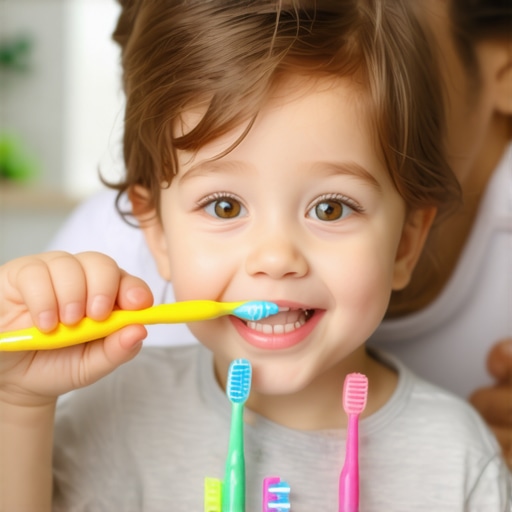
It was a scene I knew all too well—my little one squealing with laughter, toothbrush clamped so tightly his tiny hands made it nearly impossible to brush properly. The worst part? Every single time, he’d bite down hard, turning our toothbrushing routine into a tug-of-war. I felt defeated, frustrated, and a little helpless. That lightbulb moment hit me when I realized I wasn’t alone in this struggle; many parents face the same challenge trying to get their toddlers to cooperate.
Cracking the Code: Making Toothbrushing a Fun and Calm Experience
Have you ever wondered why your toddler bites the toothbrush every time you try to brush their teeth? It’s more common than you might think. Young children are naturally curious and often explore the world through their mouths. Plus, teething pain or discomfort can make any sort of sensation feel strange, leading to biting as a reflex. But the good news is, there are effective strategies to turn this battle into a bonding moment.
First, understanding the root cause helps — whether it’s teething discomfort, boredom, or fear of the unfamiliar tool. Early on, I made my biggest mistake by rushing the process or making it a chore. That only amplified my child’s resistance. Instead, turning toothbrushing into a game or story made a world of difference. You can use fun toothbrushes, sing silly songs, or let them choose their favorite flavor of toothpaste.
But beyond tricks, consistency and patience are key. Setting a routine that’s predictable provides a sense of security. And when your child does bite, calmly stopping the activity and explaining gently why biting isn’t okay fosters understanding, not frustration. Having tried many approaches, I’ve found that making the experience positive and stress-free builds trust and cooperation.
Do you find yourself struggling with this exact issue? If so, you’re not alone, and there’s a way to make toothbrushing a bonding, even enjoyable, time for both of you.
Is Biting During Brushing Actually Worth the Hype?
Many parents worry that their child’s biting habit might lead to dental issues or habits that are hard to break. The truth is, with patience and consistent routines, most children outgrow this phase. The key is understanding the underlying reasons and addressing them proactively. If you’re feeling overwhelmed, remember, even experts like pediatric dentists recommend strategies that focus on positive reinforcement and gentle guidance. Curious about how other parents and professionals tackle this challenge? Check out [family dentistry tips](https://smilegumcare.com/family-dentistry-tips-creating-a-healthy-smile-for-your-kids-at-0915) for more ideas.
Taking a step back and reflecting on my early missteps helped me realize that the goal isn’t just clean teeth; it’s building a healthy attitude toward dental care. Next, let’s explore some tested-to-help strategies that will put an end to your toddler’s toothbrush biting—and maybe even make it a highlight of the day.
Establish a Routine That Kids Look Forward To
Start by setting a consistent time each morning and night for brushing. Make it predictable so your child knows what to expect, reducing anxiety. Use a visual schedule or simple countdown to give them a sense of control. For example, I once used a colorful chart with stickers for every successful brushing, which made my son excited each time. Detach the routine from punishment; instead, praise every cooperative moment.
Simplify and Personalize the Experience
Choose toddler-friendly toothbrushes with characters or bright colors that appeal to your child. Use a fluoride-free, mild-flavored toothpaste initially to avoid overwhelming senses. Let your child pick their toothbrush or toothpaste to give them ownership. During the process, narrate a story or play their favorite song to distract and engage them. I remember singing a silly tune while gently brushing, which turned tears into giggles. This personal touch diminishes biting reflexes caused by discomfort or fear.
Transform Brushing into a Playtime
Make the activity fun by turning it into a game. For example, pretend the toothbrush is a racecar or a magic wand. Use timers or apps that signal when time’s up, ensuring you brush for recommended two minutes. Incorporate puppet characters or toys that ‘brush’ alongside the child to reinforce cooperation. Once, I used a small stuffed animal that ‘wanted to brush’ its teeth, and my son eagerly mimicked. This playful approach reduces resistance significantly.
Handle Biting Calmly and Gently
If your child bites the toothbrush, gently but firmly pause the activity. Say, “Biting hurts,” using a calm voice. Avoid yelling or showing frustration, as this can escalate fear. After a brief pause, try again, perhaps with a softer touch or different angle. Reinforce positive behavior immediately after, offering praise for gentle brushing. I learned from my experience that persistence and patience teach children boundaries without creating negative associations.
Leverage Rewards Without Overdoing It
Implement simple reward systems like stickers or extra storytime if they cooperate. Avoid sugary treats that could harm their teeth and undermine your efforts. Rewards should be immediate and consistent to build positive reinforcement. I once introduced a ‘brushing chart’ that culminated in a small toy after a week of cooperation. This motivated my child to participate willingly, seeing the activity as a positive, rewarding experience.
Seek Professional Guidance When Needed
If resistance persists despite your efforts, consult a pediatric dentist. Sometimes, underlying discomfort or dental issues contribute to biting and refusal. Dentists can demonstrate techniques, suggest specialized toothbrushes, or provide calming strategies tailored to your child. For more expert insights, check out family dentistry tips.
Remember, patience and consistency are your best tools. Turning toothbrushing from a battleground into a bonding moment takes time, but your effort will foster a lifelong healthy attitude towards dental care.
When it comes to dental aesthetics and treatments, many individuals operate under misconceptions that can lead to costly mistakes or suboptimal results. Let’s dig deeper into some of these common pitfalls that even savvy patients often overlook.
One widespread myth is that veneers are an instant fix for all dental imperfections. While veneers can dramatically enhance your smile, they aren’t suitable for every situation or person. Overestimating their capabilities might push someone toward unnecessary or aggressive procedures. For example, some assume that veneers require minimal preparation, but in reality, the choice between veneers versus crowns depends on the extent of tooth structure and health. To understand whether veneers are right for you, consider consulting an expert who’s well-versed in these nuances, such as through this comprehensive guide.
Similarly, many think that Invisalign straightens teeth faster than traditional braces. In truth, while Invisalign offers discreet and comfortable options, complex cases still require longer treatment times. Advances in technology are evolving rapidly, and newer systems are making treatment more efficient, but it’s essential to set realistic expectations. One common mistake is neglecting the importance of compliance—if trays aren’t worn as prescribed, delays are inevitable. For an insider’s perspective, check out this article on upcoming Invisalign innovations.
When it comes to teeth whitening, a typical misconception revolves around the permanence of results. Many believe that a quick whitening session will keep their teeth sparkling forever, but this isn’t the case. Factors like diet, oral hygiene, and lifestyle choices directly influence longevity. Overusing whitening treatments or opting for unprofessional over-the-counter products can lead to sensitivity or uneven whitening. The oops factor? Some patients unknowingly damage their enamel by over-bleaching. To get dependable advice, explore this detailed guide.
Family dentistry often suffers from misconceptions about scope and safety. Many parents think visiting the dentist only when a problem arises is sufficient—this reactive approach neglects preventive care that saves money and discomfort in the long run. Regular check-ups, fluoride treatments, and early interventions are the backbone of healthy smiles across generations. An often-overlooked nuance is the importance of tailored advice for children versus adults, which can significantly differ. For a comprehensive understanding, see this resource.
A sophisticated question arises: How do advancements in materials science influence the longevity and aesthetics of veneers and whitening agents? The answer lies in ongoing research demonstrating that newer composite resins and pigments enhance durability and natural appearance. For insights, professionals often refer to peer-reviewed studies like those published in the Journal of Esthetic and Restorative Dentistry. Staying informed about these innovations ensures you make choices that are both beautiful and lasting.
Remember, misconceptions can hinder your dental health journey. Having a clear understanding of the realities versus myths helps you set realistic goals and avoid common pitfalls. Have you ever fallen into this trap? Let me know in the comments.
To maintain the impressive results achieved through treatments like veneers, Invisalign, and teeth whitening, having the right tools and methods at hand is crucial. Personally, I swear by high-quality cleaning devices and digital tracking systems that simplify long-term care. One such tool that has transformed my practice is the ultrasonic scaler, which ensures thorough plaque removal without damaging delicate restorations. It’s effective on both natural teeth and veneers, helping prevent stains and decay over time.
How do I maintain my dental enhancements over time?
Regular maintenance involves a combination of personal hygiene and professional check-ups. I recommend using electric toothbrushes with customizable settings—specifically, models that oscillate and vibrate at optimal frequencies. They are gentle yet effective, especially on veneers and crowns, preventing premature wear. Additionally, incorporating water flossers like the Waterpik into your routine can reach areas traditional floss may miss, reducing plaque accumulation that could jeopardize your restorations.
Moreover, keeping an eye on your whitening results can be challenging, but tools like the LED whitening kit I use at home maintains brightness without sensitivity. These devices emit specific wavelengths that activate whitening gels uniformly, ensuring consistent results and extending the lifespan of your whitening sessions.
What advances are shaping the future of dental maintenance?
The evolution of digital dentistry is making long-term care more streamlined. AI-powered apps now monitor your oral hygiene habits, reminding you when it’s time to replace your toothbrush or schedule a cleaning. In clinical settings, intraoral scanners replace traditional impressions, allowing for precise monitoring of your smile’s stability over years. Together, these innovations promise to make dental maintenance more proactive and less reactive, saving you money and discomfort in the long run.
For those considering Invisalign, staying ahead involves regular check-ins with your provider and using dedicated cleaning tools designed for aligners, like enzyme-based cleaners that eliminate odor and bacteria—see this guide for detailed tips. Ready to boost your ongoing dental health? Try integrating an ultrasonic scaler and a smart app into your routine today—it’s a game-changer for longevity!
Lessons Only Dentists Usually Learn After Years of Practice
One of the most eye-opening lessons I gleaned is that patience trumps quick fixes, especially with veneers, Invisalign, and teeth whitening. I once believed that immediate results were the goal, but I realized that consistent follow-up and understanding your unique needs create lasting satisfaction. Additionally, I underestimated the importance of trusting expert guidance—sometimes, what seems like a simple procedure requires nuanced assessment to avoid costly mistakes down the line. That realization pushed me to seek continuous education, which now empowers me to share insights like those at this comprehensive guide.
Another invaluable lightbulb moment was understanding that technology is forever evolving—what was cutting-edge five years ago might now be outdated. Regularly updating my knowledge on advancements, like the forthcoming innovations in Invisalign, has radically improved my ability to recommend the best, most efficient options for patients. That’s why staying connected with industry leaders and resources helps me pass on cutting-edge advice to those eager to upgrade their smile with less hassle.
Lastly, I learned that holistic care involves not just the procedures but also lifestyle choices—diet, habits, and hygiene routines. Small changes, like switching to a high-quality toothbrush or implementing a personalized dental care routine, drastically extend the lifespan of cosmetic treatments. It’s these accumulated lessons that reinforce my commitment to ongoing education and sharing real-world experiences that resonate deeply with those seeking healthier, brighter smiles.
Tools and Resources That Elevate My Dental Approach
Professionally, I rely on a curated set of tools that deliver consistent results. First, a high-grade ultrasonic scaler helps me maintain the longevity of veneers and implants—preventing plaque build-up that can cause staining or damage. I also trust the latest Invisalign innovations to ensure my patients get the most discreet and efficient orthodontic treatments possible.
For whitening, nothing beats professional-grade LED devices, like the one I personally use, which preserves teeth integrity while delivering stunning brightness. To keep track of patient progress and home routines, I employ digital apps that monitor aligner usage and oral hygiene habits, making maintenance smoother and more engaging.
When I want to deepen my understanding or share trusted, evidence-based advice, I turn to resources like this top teeth whitening strategies article or the detailed guides on veneer options. Moreover, the family dentistry tips page offers holistic approaches that resonate with my practice philosophy—treating every patient like family.
Inspiring Your Journey Toward a Healthier Smile
Remember, achieving the smile you desire isn’t just about cosmetic upgrades—it’s about embracing a proactive mindset. Your journey isn’t limited to visiting the dentist; it’s about cultivating habits, leveraging the best tools, and accessing knowledge that empowers you. Whether it’s exploring new treatment options, understanding the latest innovations, or simply maintaining daily hygiene with intention—every step counts.
Take action today: start with one small change, like incorporating an electric toothbrush or booking a consultation to discuss your goals. Your future self will thank you for the effort and confidence you build now. Ready to create your story of a radiant, healthy smile? Let’s make it happen together!