
How to Tell if You Need Your Wisdom Teeth Removed
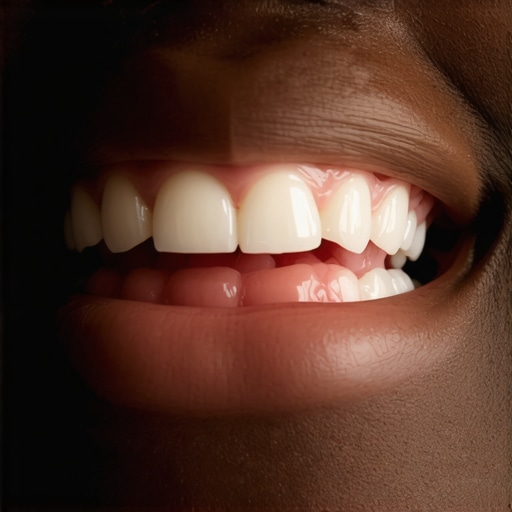
It was a typical Tuesday afternoon when I first felt that nagging discomfort in the very back of my mouth. I brushed it off as just a little irritation—probably from that stubborn popcorn kernel I forgot to chew thoroughly. But as days went on, the dull ache turned into sharp twinges, waking me up at night and making every meal feel like a chore. That lightbulb moment hit hard: my wisdom teeth might be the culprit, and I was in denial about it.
If you’ve ever experienced similar symptoms—persistent pain, swelling, or even trouble opening your mouth—you’re not alone. Many people brush off these signs, thinking they’re minor annoyances or temporary issues. But ignoring them can lead to more serious complications, like infections or damage to neighboring teeth. That’s why today, I want to share how you can tell if your wisdom teeth are causing trouble enough to warrant a visit to the dentist.
Why Getting a Grip on Wisdom Teeth Matters Right Now
Wisdom teeth, or third molars, usually emerge between ages 17 and 25. For a long time, they were considered a valuable asset—think of them as our ancient ancestors’ backup set of molars. However, in modern humans, these teeth often become problematic because of limited space in the jaw or misalignment. According to a report by the American Dental Association, about 85% of individuals need some form of wisdom teeth removal at some point.
The problem is, many people notice the signs late—sometimes when the pain is unbearable or when infection has set in. Early detection through regular dental checkups can save you a lot of discomfort and cost in the long run. If you’ve experienced symptoms like recurring headaches, jaw stiffness, or bad breath, those could be clues that your wisdom teeth are playing havoc with your oral health.
I admit, one mistake I made early on was ignoring mild soreness. I thought it was just a normal part of getting wisdom teeth, and I delayed seeing a dentist. That was a mistake. Ignoring early signs can lead to complicated extractions and even damage to other teeth. To avoid this, I recommend staying vigilant and scheduling regular checkups, especially if you notice any warning signs.
Want to learn how to identify these signs before the pain becomes excruciating? Keep reading, because we’ll dive into the top symptoms and when to seek professional advice. And if you’re unsure about your current dental health, don’t hesitate to contact your dentist or visit a family dentistry specialist to get peace of mind—after all, healthy smiles are truly priceless.
Schedule a Comprehensive Dental Checkup
Start by booking an appointment with your dentist to assess your current oral health. During the visit, ask about signs like early wisdom teeth issues or potential cavities. I once postponed my checkup, which led to a painful infection that could’ve been prevented with earlier detection.
Master Proper Oral Hygiene Techniques
Brush twice daily using a fluoride toothpaste and a soft-bristled toothbrush. Use gentle circular motions to clean every surface of your teeth, including hard-to-reach areas. Once, I rushed through brushing and noticed yellowing; adopting meticulous technique improved my whiteness and gum health.
Incorporate Flossing into Your Routine
Floss daily to remove plaque between teeth and prevent decay. Be gentle to avoid gum irritation. I learned the hard way that skipping floss led to bleeding and bad breath, which improved significantly once I made it a habit.
Choose the Right Dental Products
Select toothbrushes, floss, and mouthwash suited to your needs, such as ones formulated for sensitive gums or whitening. For example, I switched to an antioxidant-rich mouthwash, which reduced inflammation and freshened my breath.
Address Cosmetic Concerns Effectively
If you’re bothered by stained teeth or uneven smile lines, explore treatments like teeth whitening or veneers. I opted for professional whitening, which I researched extensively to understand the options available in 2025, resulting in a brighter smile. Learn more at this guide.
Consider Clear Aligners for Smile Correction
For discreet teeth straightening, aligners like Invisalign are effective. I chose them over traditional braces after reading about their benefits on Invisalign secrets. Properly wearing and cleaning the trays, which you can learn about at this article, ensures optimal results.
Explore Restorative Options When Needed
If you have damaged or missing teeth, consider veneers, crowns, or implants. I personally experimented with veneers, guided by this step-by-step resource, which transformed my smile and boosted confidence. Consult professionals for personalized solutions.
When it comes to smile enhancements like veneers, teeth whitening, family dentistry, or Invisalign, many individuals rely on common myths that can lead to costly mistakes. Let’s dig deeper into misconceptions that trap even the most well-informed patients, so you can avoid pitfalls and make smarter decisions about your dental health.
Are Veneers Always the Best Option for a Smile Makeover? Think Again.
Many believe veneers are a quick fix for any cosmetic concern, but in reality, they are not suitable for everyone. For instance, individuals with severe wear, large fractures, or significant misalignment might need crowns or even orthodontic treatment rather than veneers. Moreover, veneers are irreversible because they require removal of some enamel, which can compromise your natural tooth structure. Notably, some patients underestimate maintenance needs or overestimate the durability of veneers—leading to chipping or discoloration over time. To understand more about choosing the right cosmetic solution, check out this comprehensive guide.Maintaining your dental investments—whether veneers, Invisalign, or whitening treatments—requires the right tools, consistent habits, and strategic planning. Over the years, I’ve refined my toolkit to ensure long-term success and easy maintenance, and I recommend a few standout items that make a noticeable difference. First, investing in a high-quality electric toothbrush like the Sonicare DiamondClean ensures thorough cleaning, especially around veneers and orthodontic appliances. The sonic vibrations help eliminate plaque that can cause staining or decay, extending the life of your cosmetic work. I personally use mine twice daily and notice that my smile stays brighter longer, reducing trips to the dentist. Next, a water flosser such as the Waterpik Ultra has become indispensable. It’s gentle yet effective at dislodging food particles and plaque, especially around aligners or in hard-to-reach areas. Regular use not only keeps gums healthy but also prevents staining and decay that could compromise veneers or crowns. For whitening touch-ups between professional sessions, I recommend using a whitening pen like the AuraGlow—it’s portable and easy to apply, helping me maintain my results without over-relying on costly in-office procedures. Looking ahead, the trend in dental care points toward smarter, app-connected devices that monitor your brushing and flossing habits, ensuring consistency. This integration of technology makes it easier to stay engaged with your maintenance routine and catch issues early.
How do I keep my smile in top shape over time?
Consistency is key. Scheduling regular checkups every six to twelve months (or sooner if advised) allows your dentist to monitor the health of veneers, Invisalign aligners, or whitening treatments. During visits, ask your dentist to evaluate the integrity of your restorations and provide pointers specific to your needs. In my experience, using a guided maintenance plan tailored by my dentist has extended the lifespan of my smile upgrades significantly. To simplify your routine further, consider adopting a comprehensive oral hygiene system that combines electric brushing, water flossing, and gentle yet effective whitening. Over time, these tools help prevent common issues like staining, gum disease, or veneer chipping, saving you money and discomfort. Innovations like intraoral cameras, which some family dentistry practices now utilize, allow for detailed early detection of problems, making preventive care more attainable than ever. + To set yourself up for success, try integrating these tools into a daily routine and schedule that aligns with your lifestyle. Also, make sure to stay updated with the latest advances, such as improved whitening formulations or even new veneer materials, expanding your options for long-term results. Remember, investing in quality tools and regular professional care is the most reliable way to keep that dazzling smile healthy and beautiful for years to come. Interested in exploring a personalized maintenance strategy? Contact your dental professional for tailored advice, and consider applying advanced tools like the Sonicare DiamondClean or Waterpik Ultra as your first steps towards maintenance mastery.
Lessons Hidden Behind My Smile Improvements
One of the biggest insights I gained was that not every cosmetic solution fits everyone. For example, veneers can dramatically transform your teeth, but they’re not a one-size-fits-all fix. I learned this when I realized that some imperfections require crowns or even orthodontics instead of veneers, emphasizing the importance of personalized dental planning.
Another valuable lesson was understanding the maintenance involved; I underestimated how crucial regular steps, like using the right tools and products, are for preserving results. Investing in a high-quality electric toothbrush and water flosser made a noticeable difference in prolonging the lifespan of my smile upgrades.
Lastly, I discovered that myths about quick fixes can be tempting but misleading—like thinking teeth whitening lasts forever or that Invisalign is only for minor corrections. Educating myself with trusted sources helped me avoid costly mistakes and set realistic expectations, making each step more effective and satisfying.
Investments That Transformed My Dental Routine
My go-to tools include the Sonicare DiamondClean electric toothbrush, which I trust for its thorough cleaning and gentle care around veneers. Additionally, the Waterpik Ultra water flosser has been a game-changer for maintaining gum health and cleaning hard-to-reach areas, especially with clear aligners or crowns in place. For whitening touch-ups, I rely on the AuraGlow whitening pen, which allows me flexibility without frequent visits to the dentist. These selections have been vetted through personal experience and professional recommendations, ensuring reliable support for ongoing smile confidence. For a deeper dive into the latest dental innovations, explore Invisalign secrets and other expert resources that keep me informed and motivated.
Your Path to a Bright, Healthy Smile Starts Today
The journey toward your best smile is personal and ongoing, but it’s entirely within your reach. Embracing a proactive attitude—regular checkups, proper hygiene, and staying informed—can make a profound difference over time. Remember, a confident smile isn’t just about appearances; it’s a reflection of your overall health and well-being. Don’t wait for problems to become emergencies; start your tailored dental care routine today, and enjoy sharing your radiant smile with the world. How are you planning to elevate your dental care routine this year? Let me know below—and if you’re ready to take the next step, consider reaching out to a trusted dental professional for personalized advice.