
How to tell if your tooth sensitivity is a crack or a cavity
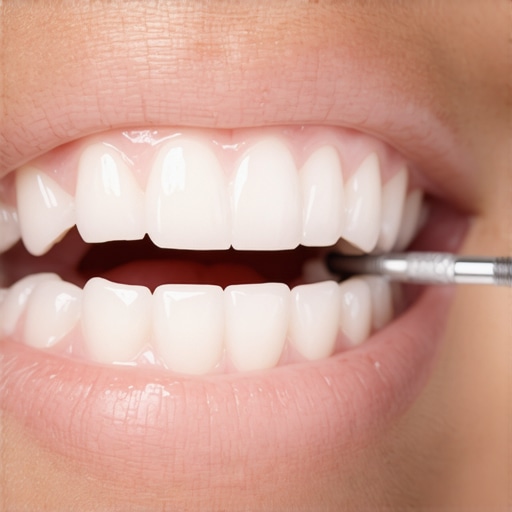
Ever felt that sharp jolt when you sip on your morning coffee or bite into an apple? One moment, everything’s fine; the next, a sudden ache makes you wince and question if your teeth are betraying you. I’ve been there—frozen with uncertainty, wondering whether that sensitivity signals a harmless fluctuation or a serious problem. The lightbulb moments hit hard, especially when I realized I might be ignoring a crack or cavity that could worsen if neglected.
Decoding Tooth Sensitivity: Is It a Crack or a Cavity?
Understanding the difference is crucial—these issues might feel similar but require different treatments. In my experience, the early signs are often subtle, and misdiagnosing can lead to unnecessary panic or, worse, a neglected problem that turns into a costly fix. Today, I’ll share the insights I’ve gained, personalized from my own mishaps and lessons, to help you identify what your teeth might be trying to tell you.
Is Your Tooth Pain Really Worth the Hype?
Trust me, early missteps made me believe that all tooth pain was just sensitivity—until I learned the hard way that ignoring a crack can lead to a full-blown fracture. A mistake I made early on was assuming that if the pain was temporary, everything was fine. Experts warn that cracks can be stealthy—sometimes invisible to the naked eye but still dangerous. According to the American Dental Association, a cracked tooth can cause pain and lead to infection if untreated, emphasizing why accurate diagnosis matters.
If you’ve ever waited too long, you know how quickly minor discomfort escalates into a dental emergency. That’s why recognizing the subtle differences between crack-induced pain and cavity discomfort can save you both pain and money. Let’s dig into how you can start differentiating these issues before they become big problems.
Now, if you’re tired of guessing and ready to get clear answers, stay tuned. We’re about to explore straightforward ways to identify what your teeth are really telling you. Because honestly, the sooner you understand, the better your chances of saving that smile and avoiding unnecessary procedures.
Start With a Visual Inspection
First, look for visible signs of damage like cracks or discoloration on your teeth. Use a good mirror and good lighting—bright, natural light works best. During my own check, I noticed a faint line on my molar after stepping into sunlight—initially, I dismissed it, but later, that crack worsened, leading me to visit the dentist. Regular visual checks can catch early cracks or decay before they escalate.
Feel for Sensitivity and Pain
Gently tap or apply light pressure to affected areas with your toothbrush or finger. If the pain is sharp and localized when you consume hot, cold, or sweet foods, note the trigger. I once experienced brief discomfort when sipping my morning coffee—this subtle sign pointed me toward potential sensitivity. Differentiating whether discomfort is from a crack or cavity helps determine the next steps.
Use a Dental Floss Test
Carefully floss around the suspected tooth. Fractures often cause floss to catch or shred, whereas cavities typically don’t interfere with flossing unless there’s significant decay. I had a spot where floss shredded unexpectedly—this was a clear indicator of a crack that needed professional assessment.
Perform a Gentle Biting Test
Clench your teeth gently and feel for any sharp breaks or pinches. Cracks usually cause pain during biting, while cavities might lead to ongoing sensitivity. I remember trying to bite into an apple after noticing a crack and feeling a stinging pain—this was my clue to seek urgent care.
Seek Professional Diagnosis
While these steps are helpful, only a dentist can confirm whether you’re dealing with a crack or cavity. Dentists use tools like dental microscopes or radiographs to see beyond what the naked eye can detect. That’s why regular dental visits, like those emphasized in family dentistry tips, are vital for early detection.
Electro-thermal Testing and Transillumination
Advanced techniques like electric pulp testing or transillumination can reveal cracks hidden within the tooth structure. I had a small, unnoticeable crack that was only detected after my dentist performed transillumination—leading to an effective sealing before it worsened.
Maintain Consistent Oral Hygiene
Proper brushing and flossing prevent cavities that could be mistaken for cracks. I learned from teeth whitening strategies that clean teeth are easier to inspect and evaluate regularly. Regular check-ups complement home care, catching issues early and reducing costly interventions.
Remember, detecting a crack early can save you from complex procedures like veneers or crowns. If you suspect a problem, don’t delay—schedule a visit with a trusted professional, ensuring your smile stays healthy and strong.
 Many people operate under misconceptions about cosmetic and family dentistry procedures like veneers, teeth whitening, and Invisalign. While popular narratives focus on instant results and perfect smiles, the nuances and potential pitfalls are often overlooked. Let’s dig deeper into what most overlook and how understanding these subtleties can save you time, money, and disappointment.
First, there’s a common myth that veneers are a quick fix for any smile imperfection. In reality, veneers are a complex procedure that requires careful planning and consideration of your facial structure and bite. Rushing into veneers without understanding their permanency and the possibility of needing other treatments like crowns can lead to issues down the line. For instance, if the underlying tooth isn’t healthy, veneers might mask symptoms rather than address root problems, leading to future repairs.
On the topic of teeth whitening, many believe it is a one-size-fits-all solution. However, products and methods vary greatly in effectiveness and safety. Over-the-counter options may seem convenient, but they often lack the potency needed for significant whitening and can cause sensitivity or uneven results. Professional whitening, on the other hand, is tailored to your teeth’s specific needs and backed by studies showing higher efficacy and safety when performed by a dental professional. For example, a 2025 review in the Journal of Dental Aesthetics highlights that in-office whitening can achieve up to 8 shades brighter in just one session, a feat seldom matched by over-the-counter products.
Similarly, there’s often an oversimplification about Invisalign being suitable for all orthodontic issues. The truth is, Invisalign is excellent for mild to moderate cases but may not be appropriate for complex jaw misalignments or significant bite issues. An advanced understanding of your dental anatomy and how your teeth move is essential before opting for this method. Using outdated or incomplete information can result in prolonged treatment times or unsatisfactory results, which is why consulting with a specialist experienced in clear aligners is crucial.
Now, here’s a question for the savvy reader: How do you determine if a cosmetic dental procedure aligns with your long-term oral health? The answer lies in understanding that not all treatments are purely aesthetic; some can impact your bite, jaw health, and even overall wellbeing. For instance, poorly executed veneers can lead to increased sensitivity or even fractures if the underlying tooth structure isn’t properly managed.
To avoid these pitfalls, always seek comprehensive advice from your dental provider, who can evaluate your unique dental architecture and health before recommending treatments. Regular family dentistry visits, like those described on family dentistry tips, serve as preventive measures to catch potential issues early and ensure that aesthetic treatments don’t compromise your oral health.
Remember, the goal isn’t just a picture-perfect smile but a healthy one. By understanding the hidden nuances and avoiding common traps, you can make smarter choices. Have you ever fallen into this trap? Let me know in the comments.Keeping your dental work in top shape requires the right tools and proactive strategies. My personal favorite is the Water Flosser, like the Waterpik, which I’ve found indispensable for cleaning around veneers and under dental restorations. Its jet stream effectively removes plaque and debris that brushing alone can’t reach, helping to prevent complications like gum disease or staining. I also rely heavily on high-quality electric toothbrushes, such as the Sonicare DiamondClean, because their vibration frequency and sonic technology provide a superior clean and help maintain long-term results from teeth whitening and Invisalign treatments. A good set of interdental brushes complements these devices by reaching tight spaces between teeth, especially crucial if you’ve had veneers or orthodontics that can trap plaque. Regularly updating your tools ensures you’re performing oral hygiene that’s both effective and gentle, preserving the investment you’re making in procedures like veneers, whitening, or aligners.
Looking ahead, technology is steadily advancing towards smart dental devices. For example, Bluetooth-enabled toothbrushes now provide real-time feedback via smartphone apps, encouraging better brushing habits and ensuring you hit every surface of your teeth. This trend suggests that in the near future, personalized and data-driven dental care will become more accessible, empowering you to take charge of your oral health even better. Imagine receiving tailored advice from your app based on your brushing patterns or automatically scheduling professional checkups when needed.
How do I maintain my dental tools and ensure their longevity? First, always follow the manufacturer’s cleaning instructions—regularly soaking the Water Flosser tips and replacing brush heads every three months prevents bacteria buildup and maintains performance. Using distilled or filtered water in devices like Waterpik reduces mineral buildup, extending their lifespan. Storing your tools in a dry, clean place avoids mold and corrosion. Additionally, scheduling semi-annual professional cleanings helps check on your at-home maintenance routine’s effectiveness and catch potential issues early. Remember, investing in quality tools and keeping them in prime condition is a key step toward keeping your smile healthy and looking its best long-term. For more in-depth advice on enhancing your daily dental routine, check out top teeth whitening strategies and ensure you’re making the most of your treatments.
The Hardest Lesson I Learned About Veneers, Teeth Whitening, Invisalign, and Family Dentistry
One of my biggest realizations was that rushing into cosmetic procedures without fully understanding their long-term impact can lead to regret. I once opted for quick fixes, only to find that some treatments, like veneers, require meticulous planning to prevent future discomfort or the need for replacements. Patience and comprehensive research saved me from costly corrections later on, emphasizing the importance of trusting professionals who prioritize your overall dental health.
What I Wish I Had Known Before Starting My Smile Transformation
I underestimated the importance of maintaining excellent oral hygiene routines after procedures like teeth whitening or Invisalign. Initially, I thought cosmetic treatments alone would keep my smile radiant, but I soon learned that daily habits and proper tool selection, such as electric toothbrushes and water flossers, are vital. Regular dental visits serve as a safety net, catching issues early and ensuring my investment in my smile pays off in the long run.
Three Myths About Veneers, Teeth Whitening, Invisalign, and Family Dentistry That Held Me Back
Believing that veneers are permanent and never need maintenance was a misconception I had. In reality, they can chip or discolor if not cared for properly. I also thought whitening products were universally safe—when in fact, professional treatments customize safety and effectiveness, reducing sensitivity. Additionally, I assumed Invisalign could fix all orthodontic issues, but complex jaw problems might require traditional braces. Dispelling these myths has helped me make smarter choices and avoid unnecessary disappointments.
Resources That Transformed How I Approach Dental Care
- Invisalign Official Website: An authoritative source that offers insights into proper usage and treatment options, helping me understand the scope of discreet orthodontics.
- Top Teeth Whitening Strategies by SmileGum Care: A curated guide that has helped me select safe and effective whitening methods tailored to my needs.
- Family Dentistry Tips from SmileGum Care: Practical advice for maintaining a healthy smile for the entire family, reinforcing the importance of regular check-ups and personalized care.
- Dental Tool Guides: Recommendations for electric toothbrushes and water flossers that I trust for daily hygiene, ensuring my cosmetic investments last longer and stay healthy.
Your Smile Evolution Begins Now
Taking charge of your dental journey is empowering. Remember, the choices you make today set the foundation for a healthier, more confident tomorrow. Whether you’re considering veneers, teeth whitening, or Invisalign, arming yourself with knowledge and trusted resources can make all the difference. Dive into your personal smile story with curiosity and patience—your future self will thank you.
Which dental treatment have you been curious about but felt unsure of where to start? Share your thoughts below—I’d love to hear your experience and help guide your next step!