
How to treat a burn on your gums from whitening gel
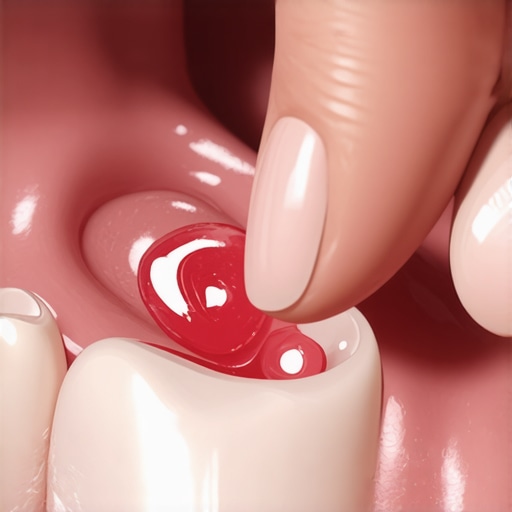
I remember the panic like it was yesterday. I had a big date on Friday and decided, in a moment of pure vanity, that my teeth weren’t nearly ‘high-definition’ enough. I bought the strongest kit I could find at the drugstore, filled those generic plastic trays to the absolute brim, and jammed them into my mouth. I figured if the instructions said thirty minutes, then a full hour would make me look like a Hollywood movie star. It was a classic case of more is better, right? Wrong. So very wrong. Within twenty minutes, my gums started to tingle. By thirty, they weren’t just tingling; they were pulsing with a sharp, electric heat. When I finally yanked the trays out and rinsed, I gasped at my reflection. My gum line looked like it had been dipped in white paint. It was sensitive, throbbing, and I was legitimately convinced I’d need an emergency gum graft. This is the reality for so many of us trying to brighten our lives with whitening strategies that we might not fully understand. We want that gleaming result, but we skip the safety steps in our excitement. I made the ultimate rookie mistake of thinking more gel equals more white. In reality, that excess gel has nowhere to go but up into your delicate gum tissue. [IMAGE_PLACEHOLDER]
Don’t Panic When Your Gums Turn Ghostly White
That startling white color on your gums is actually called tissue blanching. It is essentially a chemical burn where the hydrogen peroxide has oxidized the top layer of your skin. I used to think I was just ‘toughing it out,’ but pain is your body’s way of screaming that something is wrong. According to clinical studies published by the National Institutes of Health, hydrogen peroxide concentrations over 10 percent are significantly more likely to cause this type of soft tissue damage if the contact is prolonged. It doesn’t mean you’ve permanently lost your gums, but it does mean you’ve caused a legitimate injury that needs immediate care. Have you ever noticed your teeth looking yellow in certain bathroom lighting and reached for the strongest gel you could find? I have been there, and that is exactly how I ended up with white, sore gums. It is a scary sight, especially when you are just trying to feel more confident.
Does the stinging mean the damage is permanent?
It is the question everyone asks as they are frantically rinsing their mouth out with cold water: Did I just ruin my smile? Usually, the answer is no. These chemical burns are typically superficial and will heal within a few days to a week, provided you stop irritating the area immediately. But you have to be careful. If you continue to use teeth whitening options in 2025 while your gums are still raw, you risk a much more serious infection or even permanent gum recession. I once tried to ‘power through’ a second session while my gums were still slightly pink from a previous burn, and let me tell you, that was a level of pain I wouldn’t wish on anyone. Have you ever faced this specific problem before where the quest for white teeth led to a red, throbbing mouth? It is more common than you think. Before you try any other tricks, like the charcoal whitening trend, let us talk about how to soothe the fire in your mouth right now and get those gums back to their healthy pink state.
Rinse Away the Peroxide Immediately
The moment you feel that sharp, electric zing, the clock is ticking. Think of hydrogen peroxide like a tiny army of excavators; they don’t know when to stop digging once they hit the soft tissue of your gums. Your first move must be a lukewarm water rinse. Avoid ice-cold water, as the sudden temperature shift can shock the already inflamed nerves in your teeth. I remember the night I overdid it; I spent ten minutes just gently swishing water, watching the white film slowly fade from a bright ‘paper’ white to a dull pink. While you are rinsing, do not scrub the area with a toothbrush. This is a chemical burn, not a stain, and scrubbing will only peel away the damaged tissue prematurely, leaving you prone to infection. If you find yourself frequently dealing with sensitivity, it might be time to look into the best way to soothe a sore mouth after an orthodontic adjustment as many of those calming techniques apply perfectly here too.
The Vitamin E Oil Rescue Plan
Once the area is clean, you need to neutralize the oxidation. Vitamin E oil is the secret weapon of the dental world for soft tissue repair. I keep a bottle of Vitamin E capsules in my medicine cabinet specifically for this. I snip the end off one capsule and use a cotton swab to paint the oil directly onto the blanched gum tissue. It acts like a liquid bandage, sealing the area from air and bacteria. When I did this during my ‘whitening disaster,’ the throbbing stopped in under five minutes. It’s a much safer approach than most over-the-counter numbing gels that contain alcohol, which can actually dry out the burn and slow down the healing process. 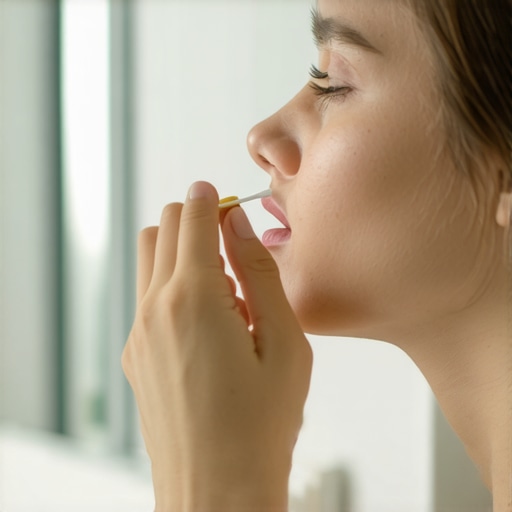
Stop Drowning Your Teeth in Gel
Most people treat whitening gel like toothpaste, spreading a thick layer across the tray. This is a recipe for disaster. The gel is a powerful chemical, not a lotion. You only need a tiny ‘pinhead’ amount in the center of each tooth compartment in your tray. When you bite down, the pressure of your teeth will naturally spread that tiny dot across the surface of the enamel. If gel oozes out of the top of the tray, you’ve used 50% too much. This simple adjustment is one of the most effective brighten your life top whitening strategies today because it keeps the active ingredients on the bone where they belong, rather than the skin.
Don’t Overlook the Barrier Method
If you are using high-concentration kits, you need a physical wall between the gel and your gums. Professional dentists use a light-cured resin barrier, but at home, you can use a tiny amount of plain petroleum jelly. Use a Q-tip to apply a thin film to your gum line before inserting your trays. It’s like painter’s tape for your mouth; it ensures that any stray gel slides off the ‘grease’ rather than soaking into your tissue. This is especially important for those exploring teeth whitening secrets for a sparkling smile in 2025 where gel concentrations are becoming more potent.
When to Trade Whitening for More Permanent Fixes
If your teeth are naturally thin or you have significant gum recession, traditional whitening might never be comfortable for you. I’ve seen friends try to whiten their way out of deep structural stains, only to end up with chronic sensitivity. In those cases, looking into how to tell if your veneers are too white for your complexion might be a better path. Veneers provide a permanent color change without the monthly chemical ‘fire’ in your mouth. Whether you choose professional bleaching or cosmetic upgrades, prioritizing the health of your supporting tissues is the core of family dentistry building healthy smiles for every generation. If you are currently feeling that ‘ghostly white’ burn, step away from the kit for at least two weeks and let the Vitamin E do its work.Everyone tells you that professional-grade gel is the gold standard for a perfect smile, but there is a hidden nuance most influencers won’t mention: some teeth simply cannot be bleached with chemicals alone. If you are frustrated with your results, you might find the reason why your professional whitening didn’t work as well as last time is because your staining is intrinsic rather than extrinsic. While surface stains from coffee or tea lift easily, deep-seated discoloration from internal tooth trauma or medications requires a much more specialized approach. In fact, research published in the Journal of the American Dental Association (JADA) indicates that certain types of dental fluorosis or antibiotic staining often require over 50 hours of consistent contact time to see significant change, far exceeding the limits of standard at-home kits. In these cases, you should look into the best way to whiten teeth that have been stained by tetracycline rather than simply cranking up the peroxide percentage and risking another chemical burn. 
Can you actually whiten your teeth until they look translucent?
Yes, and this is a sophisticated trap I see all too often in the quest for a ‘High-Definition’ smile. When you over-whiten, you run the risk of stripping the enamel of its natural opacity. When enamel becomes too thin or overly oxidized, it loses its ability to reflect light. Instead of looking bright white, the teeth begin to look blue, gray, or almost ‘glass-like’ because the dark shadows from the back of your mouth start to show through the tooth structure. This is one of the most critical teeth whitening secrets for a sparkling smile in 2025: knowing that ‘whiter’ isn’t always ‘brighter.’ If you notice a gray cast developing, stop all whitening treatments immediately and focus on remineralizing your enamel. Have you ever fallen into this trap of over-bleaching? Let me know in the comments below. Beyond chemicals, many people make the mistake of thinking clear aligners are just about the plastic trays. The ‘Oops’ factor here involves the tiny composite attachments glued to your teeth. These are the real engines behind achieving a perfect smile discreetly, as they provide the leverage needed for complex movements. If one pops off and you don’t report it to your dentist, your treatment effectively stalls, even if you are wearing your trays 22 hours a day. Furthermore, once your treatment is complete, you must ensure your provider knows how to remove aligner attachments without damaging your enamel to avoid leaving microscopic scratches that will attract future stains. Finally, when it comes to permanent upgrades, don’t get blinded by the ‘bleach white’ trend. Learning how to stop your veneers from looking too white and fake is the difference between a high-end cosmetic result and a smile that looks like plastic ‘Chiclets.’ Natural teeth have a subtle gradient and translucency at the biting edge; without those details, your veneers will look flat and artificial. Always prioritize a natural aesthetic that fits your individual complexion over a standardized shade of white.
The Specific Tools That Keep My Smile From Fading
Maintaining that ‘day one’ glow is where most people fail because they treat their dental work like a finished project rather than a living investment. I personally rely on the Oral-B iO series because its pressure sensor prevents me from scrubbing away my enamel—a common mistake for those with veneers. I also use a Waterpik every single night. It is not just for people with braces; it is essential for flushing the margins of your dental work where a standard brush simply cannot reach. If you are struggling with surface stains from your morning routine, you should learn how to keep your teeth white without giving up black tea by using a reusable straw or rinsing with water immediately after your cup. #IMAGE_PLACE_HOLDER_D#
Stop Using Toothpaste on Your Clear Aligners
One tool I cannot live without is an ultrasonic cleaner. These small pods use high-frequency sound waves to vibrate plaque and bacteria off of removable appliances. If you use a night guard or Invisalign, you absolutely need to know how to properly clean a night guard to prevent bacterial buildup without scratching the material. Most people make the mistake of using standard toothpaste, which contains abrasives that create microscopic grooves in the plastic. These grooves then act as magnets for smells and stains. For those utilizing the latest invisalign innovation invisible braces changing smiles in 2025 at 1537, an ultrasonic cleaner combined with specialized cleaning crystals is the only way to ensure your trays stay truly invisible throughout the two-week wear cycle.
How do I maintain my results for a decade or more?
Longevity comes down to protecting the bond between the restoration and the tooth. The American Academy of Cosmetic Dentistry (AACD) suggests that while high-quality porcelain can last 15 years or more, the most common reason for failure is the health of the supporting structure. This is why using a non-abrasive fluoride toothpaste and attending regular check-ups is non-negotiable. If you want to know how to stop your clear aligners from turning yellow over time or prevent your natural teeth from shifting back into their old positions, you must be disciplined with your retainer. I have seen results ruined in months just because someone forgot their night-wear habit.
The Rise of AI-Driven Dental Monitoring
We are also seeing a massive shift toward remote monitoring and predictive care. In the near future, AI-powered smartphone apps will allow you to scan your teeth at home, sending high-resolution images to your dentist to detect microscopic shifts or early-stage decay before you even feel a twinge. This level of proactive care is making veneers made simple transform your tooth aesthetics in 2025 at 1822 a more viable option for the average person. My advice? Start using the Vitamin E oil trick I mentioned earlier for any gum irritation and invest in a high-quality electric brush today to scale your results over the next decade.
The Hard Truths I Learned After Melting My Gums
One of the biggest ‘lightbulb moments’ for me was realizing that your teeth are actually porous, like a sponge. When you use high-concentration gels, you aren’t just cleaning the surface; you are deeply dehydrating the tooth structure. This is often why your professional whitening didn’t work as well as last time if you weren’t properly hydrated or if your enamel was already compromised. Another hard lesson? You cannot whiten what isn’t clean. If you have even a microscopic layer of biofilm, the peroxide will just bubble on top of the bacteria instead of reaching the enamel. I also learned that modern family dentistry isn’t just about fillings; it’s about creating a biological foundation that can actually handle these cosmetic treatments without falling apart.
[IMAGE_PLACEHOLDER]
My Personal Daily Defense Kit
To keep my smile in peak condition, I don’t just rely on luck. I use a few specific items that I trust implicitly. First, I’ve swapped out all abrasive pastes for something gentler to protect my work; you can read the truth about charcoal toothpaste and your tooth enamel to see why those ‘miracle’ trends can actually be quite dangerous. I also keep a stash of Vitamin E oil for occasional gum irritation. For my aligners, I stopped using soap and switched to specialized tablets to avoid how to get rid of the plastic aftertaste from new invisalign trays that often lingers after a manual scrub. Finally, I use a precision flosser to address the simple reason your gums bleed only when you floss one specific tooth—usually a sign of a localized trap that needs attention.
Health Is the Real Secret to a Lasting Glow
At the end of the day, a bright smile is a byproduct of a healthy mouth. It is easy to get caught up in the latest gels and gadgets, but the most beautiful result comes from consistency and patience. Whether you are helping your children navigate their first visits or you are investing in your own confidence, ensuring family dental care remains the most important step. Don’t be afraid to take things slow; your teeth will thank you for it in the long run. Have you ever accidentally burned your gums while whitening at home? Let me know your story in the comments below!