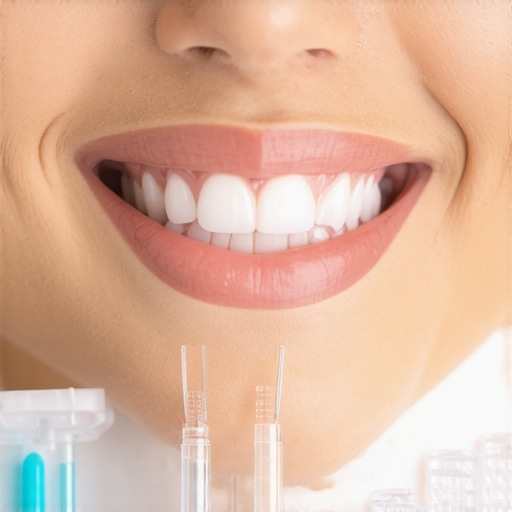
Unveiling the Future of Cosmetic and Restorative Dentistry in 2024
As dental technologies evolve, integrating innovative approaches like veneers, Invisalign, and teeth whitening into comprehensive family dentistry practices has become essential for achieving optimal patient outcomes. This convergence not only enhances aesthetic appeal but also promotes long-term oral health, requiring clinicians to adapt with advanced strategies rooted in evidence-based practices.
The Interplay of Family Dentistry and Cosmetic Enhancements
Family dentistry serves as the foundation for personalized oral health management, yet the inclusion of cosmetic procedures such as veneers and teeth whitening extends its scope to aesthetic excellence. The challenge lies in balancing functional restoration with cosmetic augmentation, considering individual patient needs, biometric factors, and age-related changes, thus necessitating an expertise-driven, holistic approach.
Innovative Veneer Technologies Reshaping Smile Makeovers
Porcelain and composite veneers continue to advance, offering natural aesthetics with minimally invasive techniques. In 2024, the focus is on ultrathin, biocompatible materials that reduce preparation time while maximizing durability. Expert clinicians leverage high-fidelity digital smile design to simulate outcomes, aligning patient expectations with achievable results, as detailed in recent studies published in the Journal of Esthetic and Restorative Dentistry.
Maximizing Confidence with Invisalign and Orthodontic Precision
The evolution of Invisalign technology now includes smart track materials and individualized treatment planning, transforming orthodontic care into a seamless experience. Its discreet aligners facilitate concurrent aesthetic improvements alongside functional corrections, particularly vital in adult patients seeking esthetic enhancement without disrupting daily life. As expert practitioners recommend, integrating Invisalign with cosmetic procedures can lead to comprehensive smile transformations, an approach exemplified in latest Invisalign innovations.
Effectiveness of Teeth Whitening in Maintenance and Enhancement
Teeth whitening remains a cornerstone of cosmetic dentistry, especially when combined with structural restorations. Advances in whitening agents, such as light-activated gels and laser-assisted procedures, offer faster, safer results. Recognizing the psychosocial impact of a bright smile, clinicians incorporate whitening as part of a strategic, patient-centered plan, emphasizing minimally invasive techniques to preserve enamel integrity.
How Can Clinicians Navigate Complex Cases Involving Multiple Aesthetic Interventions?
Addressing complex cases demands a multidisciplinary approach, ensuring each procedure complements the others to produce harmonious results. For instance, staging veneers after orthodontic alignment and whitening optimizes results. Expert case assessment involves digital scanning and patient-specific models, facilitating precise treatment sequencing. Open collaboration with specialists and continuous education in emerging technologies underpin success in such integrated protocols.
For further insights into achieving transformative smile makeovers, explore our comprehensive guide to smile transformation strategies.
Recognizing the subtle nuances that influence aesthetic outcomes underscores the importance of ongoing professional development and adherence to evidence-based protocols. For trusted, tailored solutions, contact our expert team via our consultation portal.
Embracing Personalized Digital Smile Design for Optimal Results
One of the most significant advancements in cosmetic family dentistry is the integration of **digital smile design (DSD)**, enabling clinicians to create highly individualized and predictable outcomes. By employing 3D imaging and virtual simulations, dentists can collaborate with patients to refine aesthetic goals before any procedure begins. This approach minimizes surprises, aligns expectations, and streamlines treatment planning, as detailed in recent research highlighted on [SmileGumCare](https://smilegumcare.com/invisalign-innovation-invisible-braces-changing-smiles-in-2025-at-1537).
Can Combining Multiple Aesthetic Techniques Elevate Patient Satisfaction?
In many cases, combining procedures such as veneers, Invisalign, and teeth whitening can produce revolutionary results—yet it requires a nuanced understanding of sequencing and tissue management. For instance, whitening should precede veneer placement to ensure uniform shade matching, while orthodontics may be necessary for aligning teeth prior to aesthetic enhancements. This multidisciplinary approach optimizes functional harmony and visual appeal, emphasizing the importance of staged treatment protocols. To explore how integrated protocols enhance final outcomes, visit our [comprehensive guide](https://smilegumcare.com/veneers-and-cosmetic-enhancements-top-smile-makeover-strategies-2024-2).
Leveraging AI to Predict Long-Term Aesthetic Stability
Artificial intelligence (AI) tools are revolutionizing the prediction of aesthetic longevity, analyzing factors like wear resistance, biocompatibility, and patient habits. Advanced software models forecast how restorations, aligners, and whitening treatments will endure over time, allowing clinicians to customize maintenance plans proactively. This data-driven insight ensures sustained satisfaction and reduces the need for retreatments, echoing principles outlined in studies published in the Journal of Esthetic and Restorative Dentistry. Staying at the forefront of AI integration empowers practices to deliver durable, stunning results that stand the test of time.
Interested in adopting these innovative techniques? Reach out through our consultation portal for tailored advice on incorporating emerging technologies into your family dentistry practice.
Elevate Your Practice with Multidisciplinary Treatment Planning
Successfully executing intricate smile makeovers necessitates a comprehensive, multidisciplinary approach that unites the expertise of prosthodontics, orthodontics, periodontics, and oral surgery. Integrating these specialties involves meticulous sequencing—starting with precise diagnostics, including CBCT imaging and digital smile design, to formulate a cohesive treatment plan that addresses both functional stability and aesthetic harmony. This strategy reduces unforeseen complications and maximizes patient satisfaction by ensuring each intervention complements the others seamlessly.
Tailoring Treatment Sequences for Long-lasting Results
One of the critical aspects in complex aesthetic cases is determining the ideal treatment sequence. For example, initiating with orthodontic correction to align teeth sets a stable foundation for subsequent restorative procedures like veneers and crowns. Whitening procedures are best performed prior to veneer placement, to guarantee uniform coloration and optimal shade matching. Such sequencing not only enhances results but also preserves the health of peri-gingival tissues, as emphasized in the comprehensive protocols outlined by the American Academy of Esthetic Dentistry (AAED).
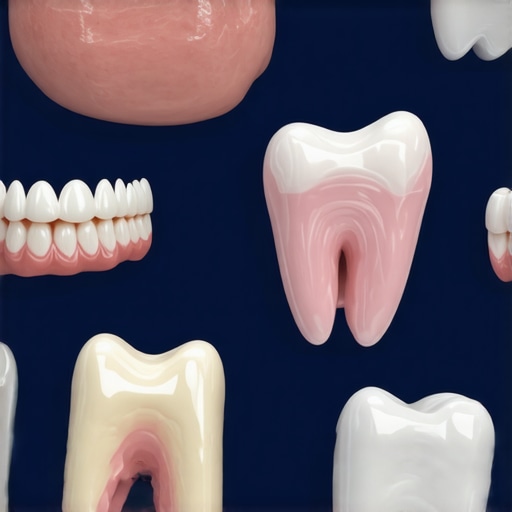
Advanced Digital Technologies as Decision-Making Aids
Technologies like predictive analytics and AI-driven virtual planning enable clinicians to simulate long-term aesthetic outcomes. These tools evaluate variables such as occlusal forces, wear patterns, and patient habits, providing insights into how restorations will perform over years. Implementing such data-driven decision-making minimizes the risk of failure and retreatment, translating into more predictable and durable smile makeovers. Precise digital mock-ups serve as communication tools that align patient expectations with achievable results, fostering informed consent and enthusiastic participation.
What Are the Key Factors Influencing Aesthetic Longevity in Multi-Procedure Cases?
Factors such as material selection—choosing high-strength, minimally invasive ceramics—along with custom occlusal adjustments, play vital roles in enhancing longevity. Patient-specific factors, including oral hygiene habits and parafunctional activities like bruxism, demand tailored maintenance plans. Regular follow-up appointments allow early detection of wear or marginal breakdown, enabling prompt intervention. For authoritative guidelines, see the latest consensus published by the International Association for Dental Research (IADR), which underscores evidence-based approaches to durability.
If you’re eager to deepen your mastery of complex aesthetic therapies, consider engaging with specialized training modules that focus on digital planning, material science, and case sequencing. Our team offers expert-led programs designed to elevate your technical skills and patient outcomes—reach out through our consultation portal for personalized guidance.
Harnessing the Potential of Bioceramic Materials in Restorative Techniques
Recent advances in bioceramic materials are revolutionizing how practitioners approach aesthetic and functional restorations. These materials offer exceptional biocompatibility, bioactivity, and esthetic qualities, allowing for minimally invasive procedures that promote tissue regeneration and long-term stability. Integrating bioceramics into veneer fabrication and indirect restorations requires a nuanced understanding of their physical properties, bonding protocols, and patient-specific considerations, thereby elevating treatment longevity and success rates.
How Does Digital Smile Design Elevate Multidisciplinary Collaboration?
Digital Smile Design (DSD) acts as a nexus for seamless communication among specialists, enabling synchronized planning across orthodontics, periodontics, and restorative disciplines. By utilizing high-fidelity 3D imaging and virtual mock-ups, clinicians can visualize the final outcome with remarkable precision, facilitating iterative adjustments that align with the patient’s aesthetic vision and functional needs. This convergence of digital technologies fosters a holistic approach, effectively reducing treatment time and enhancing patient satisfaction.
What Are the Cutting-Edge Techniques for Managing Gingival Architecture in Aesthetic Cases?
Achieving harmonious gingival contours plays a pivotal role in comprehensive smile rehabilitation. Contemporary techniques such as laser-assisted gingivectomy, crown lengthening, and connective tissue grafting allow for precise modulation of tissue margins, ensuring optimal display of restorative materials and symmetry. Mastery of these procedures demands meticulous planning, often supported by digital models, and a deep understanding of periodontal biology to minimize recession risks and promote aesthetic tissue stability. For detailed procedural guidelines, consult the latest publications from the American Academy of Periodontology.
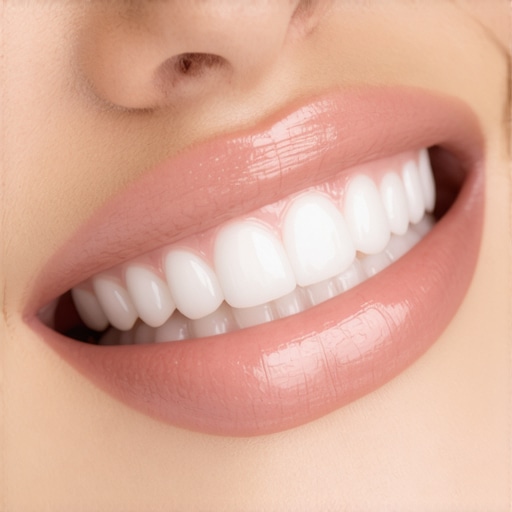
Incorporating Advanced CAD/CAM Technologies for Predictable Outcomes
The evolution of Computer-Aided Design and Manufacturing (CAD/CAM) systems introduces unparalleled accuracy and efficiency in fabricating veneers, crowns, and inlays. These digital workflows enable clinicians to streamline the entire process—from intraoral scans to milling—while ensuring marginal integrity and optimal esthetics. Leveraging high-resolution digital impressions and multi-layered ceramic materials maximizes the strength and translucency necessary for lifelike restorations, with data-driven protocols ensuring consistent results. Staying updated on CAM technology advancements is crucial for delivering durable aesthetics in a rapidly evolving landscape.
How Can Artificial Intelligence Transform Aesthetic Treatment Sequencing?
AI-powered planning tools analyze patient data—such as occlusal dynamics, enamel thickness, and tissue response—to generate personalized, adaptive treatment sequences. These intelligent systems can simulate various scenarios, helping clinicians select the path that maximizes aesthetic harmony and minimizes tissue trauma. This predictive capability enhances decision-making accuracy and reduces retreatment rates, illustrating a paradigm shift towards precision dentistry. Engagement with AI-driven platforms necessitates ongoing education to interpret complex algorithms effectively, ensuring optimal case outcomes.
If you’re committed to elevating your clinical mastery, explore our specialized courses focused on integrating emerging digital tools and biomaterials into everyday practice. Contact us through our consultation portal to start transforming your patient care today.
Embracing Thermo-Fluidic Techniques for Tissue Optimization
Innovative thermo-fluidic methods utilize controlled temperature changes to modulate soft tissue behavior, facilitating precise contouring during crown lengthening and gingival recontouring. This technique minimizes patient discomfort while enhancing control over tissue healing and reattachment, leading to more predictable aesthetic outcomes. Mastering thermo-fluidic protocols requires an understanding of thermal dynamics and tissue responses, supported by modern instrumentation and real-time feedback systems, which are increasingly being adopted in advanced periodontal practices.
The Significance of Preventive Aesthetics in Long-Term Success
Preventive aesthetic protocols, including remineralization therapies and patient-specific maintenance plans, are integral to preserving restorative investments. Utilizing remineralizing agents and minimally invasive cleaning techniques strengthens enamel integrity, preventing discoloration and tissue deterioration. These proactive measures demand continuous education about material science and patient habits, ensuring that aesthetic results are sustainable over decades rather than years. Incorporating preventive aesthetics transforms corrective procedures into durable, long-lasting solutions.
Expert insights that redefine aesthetic family dentistry
Innovation accelerates results
Embracing cutting-edge digital technologies like virtual smile design and AI predictive analytics empowers clinicians to craft personalized, long-lasting outcomes, aligning patient expectations with achievable results and reducing retreatments.
Holistic treatment sequencing matters
The strategic integration of orthodontics, veneers, and whitening requires mastery of treatment staging to optimize aesthetic harmony and tissue health, emphasizing the importance of multidisciplinary collaboration and digital planning tools.
Material advancements transform patient care
Bioceramic and ultra-thin veneer materials enhance durability and esthetics, enabling minimally invasive procedures that preserve natural tissue and promote regeneration, thereby elevating treatment longevity in family dentistry practice.
Audience engagement through visualization
Utilizing digital mock-ups and interactive simulations fosters patient trust, facilitates expectation management, and streamlines consent, turning complex aesthetic plans into shared journey milestones.
Future-proof your practice with AI and data-driven decisions
Implementing AI-based treatment planning tools allows for precise forecasting of longevity and aesthetics, ensuring resilient restorations and satisfied patients over years, aligning with the latest evidence-based protocols.
Curated Resources for Forward-Thinking Practitioners
- Journal of Esthetic and Restorative Dentistry: Esteemed peer-reviewed research offering in-depth analysis on digital smile design and biomaterials advancement.
- American Academy of Esthetic Dentistry (AAED): Extensive guidelines and consensus documents on treatment sequencing, tissue management, and material selection tailored for complex aesthetic cases.
- International Association for Dental Research (IADR): Cutting-edge studies on AI application and long-term stability of restorative materials, guiding evidence-based innovation.
- SmileGumCare’s Digital Smile Design Resources: Practical tutorials and case studies demonstrating digital planning integration into family dentistry workflows.
- Emerging Tech in Dentistry}}, a comprehensive online course series focusing on AI, CAD/CAM, and biomaterials, perfect for practitioners seeking to elevate their expertise.
What does this mean for your practice?
These emerging insights and tools underscore a pivotal shift toward precision, minimally invasive procedures, and data-driven decision-making in aesthetic family dentistry. Staying ahead requires embracing digital innovations, fostering multidisciplinary collaboration, and prioritizing material science advancements. By doing so, practitioners not only enhance patient satisfaction but also build resilient, future-proof practices. Dive deeper, experiment thoughtfully, and connect with leading resources—your next-level smile transformation begins now.
,

1 comment so far