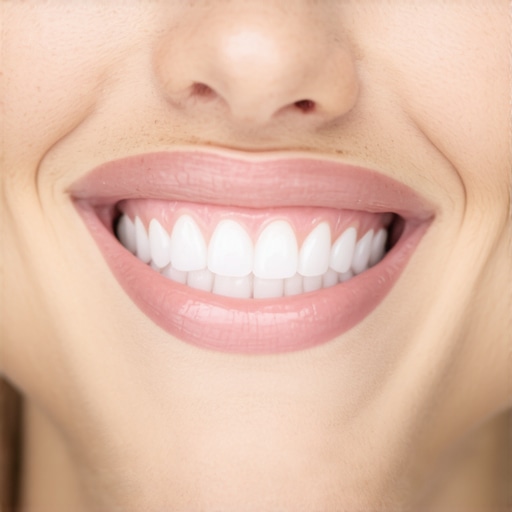
Elevating Smile Aesthetics: The Expert’s Approach to 2024’s Dental Advancements
In the rapidly evolving landscape of cosmetic dentistry, 2024 marks a pivotal year where technological breakthroughs and nuanced clinical insights converge to redefine smile enhancement. As a seasoned dental professional, I recognize that the integration of Invisalign aligners with advanced teeth whitening techniques offers unparalleled opportunities for achieving optimal aesthetic results. This synergy not only enhances dental alignment but also amplifies the brilliance of your smile, fostering greater confidence in personal and professional interactions.
Deciphering the Complex Interplay Between Orthodontics and Whitening
Understanding the intricate relationship between orthodontic correction and cosmetic whitening necessitates a deep dive into tissue response, enamel integrity, and material science. Modern Invisalign systems utilize SmartTrack technology, which ensures discreet, efficient realignment while minimizing enamel wear. When paired with in-office whitening procedures that utilize LED-activated bleaching agents, patients experience a comprehensive transformation. This dual approach is supported by emerging research, such as a 2023 study published in the Journal of Cosmetic Dentistry, emphasizing the importance of timing and material compatibility for long-term results.
Strategic Sequencing: When and How to Combine Treatments
For optimal outcomes, the sequence of Invisalign and teeth whitening treatments should be carefully planned. Typically, whitening is performed post-orthodontics to ensure that the newly aligned teeth are at their brightest, free from plaque or stain residues that could interfere with bleaching efficacy. Advanced practitioners often recommend custom bleaching trays that can be used during or after Invisalign treatment to maintain uniform color and address minor staining. This strategic sequencing underscores the importance of personalized treatment planning, which considers enamel health, stain severity, and patient lifestyle.
What are the risks of combining Invisalign with teeth whitening, and how can they be mitigated?
One of the primary concerns involves enamel sensitivity, which can be exacerbated by whitening agents during orthodontic treatment. To mitigate this, clinicians often employ desensitizing protocols, such as potassium nitrate-based gels, and select bleaching products with lower peroxide concentrations. Additionally, ensuring that aligners fit properly and are free from residual debris reduces the risk of uneven whitening or enamel damage. Such nuanced approaches exemplify the importance of expert oversight in complex aesthetic procedures.
For those seeking a comprehensive smile makeover, exploring innovative options like ceramic veneers or lumineers can complement Invisalign and whitening, especially in cases of structural imperfections. Accessing authoritative insights from sources like the American Academy of Cosmetic Dentistry can further inform your decisions. To maximize your smile’s potential, consult a trusted dental professional who employs evidence-based practices, ensuring your aesthetic journey is both safe and spectacular.
Interested in elevating your smile aesthetics? Discover our comprehensive smile transformation solutions or contact us for personalized consultation. Your perfect smile awaits—empowered by expert care and cutting-edge technology.
Unlocking the Nuances of Aesthetic Balance in Smile Transformations
While Invisalign and teeth whitening are often viewed as standalone treatments, their true potential is realized when integrated thoughtfully into a comprehensive smile makeover plan. Achieving a harmonious balance between straightening and brightening not only elevates the visual appeal but also enhances functional health. Expert practitioners emphasize that understanding the subtle interplay of enamel integrity, gum health, and facial aesthetics is essential in customizing treatments that deliver natural, long-lasting results. For deeper insights into combining these procedures effectively, exploring resources like veneers and cosmetic enhancements can provide valuable guidance.
Advanced Techniques for Precision and Safety
Modern dental technology enables clinicians to tailor whitening protocols to individual enamel characteristics, minimizing sensitivity while maximizing brightness. Additionally, the advent of digital smile design allows practitioners to simulate the anticipated outcome, aligning patient expectations with achievable results. When integrating Invisalign with whitening, precise timing and material selection are crucial; for instance, choosing low-peroxide bleaching agents during active orthodontic phases reduces the risk of enamel damage. Incorporating desensitizing agents and conducting thorough enamel assessments using tools like DIAGNOdent can further refine treatment safety and efficacy. Such meticulous planning reflects the evolving standards of expert care in aesthetic dentistry.
Is there a risk of compromising enamel health when combining Invisalign and whitening, and what are the best practices to prevent it?
Absolutely, enamel sensitivity and damage are primary concerns. Research published in the Journal of Clinical Dentistry underscores that overuse or improper timing of bleaching agents can weaken enamel, especially when teeth are already undergoing orthodontic movement. To mitigate these risks, clinicians often recommend scheduling whitening treatments after completing orthodontic adjustments, and employing remineralization protocols to reinforce enamel strength. Selecting whitening products with lower peroxide concentrations and using custom trays that fit precisely can also prevent uneven bleaching and enamel abrasion. Consulting a professional who adheres to evidence-based protocols ensures that aesthetic enhancements do not come at the expense of dental health.
For those eager to explore comprehensive smile enhancement strategies, visiting the latest innovations in invisible braces can broaden your options. Additionally, sharing your experiences or questions in the comments can foster a community focused on safe and effective smile makeovers. Remember, a radiant smile begins with informed choices and expert guidance—reach out to a trusted dental professional today for personalized advice.
Harnessing Digital Innovations for Precise Smile Makeovers
One of the most transformative advances in aesthetic dentistry is the integration of digital smile design (DSD). This technology empowers practitioners to craft highly personalized treatment plans by simulating the final outcome with remarkable accuracy. Utilizing 3D imaging and virtual mock-ups, clinicians can visualize how different procedures—be it veneers, crowns, or whitening—will harmonize with a patient’s facial features before any physical work begins. This not only enhances predictability but also significantly boosts patient confidence, as they can see and approve the proposed outcome in advance.
In practice, DSD involves capturing detailed intraoral scans and facial photographs, which are then processed through sophisticated software. The clinician can manipulate the digital model to adjust tooth shape, size, and alignment, ensuring the final design complements the patient’s unique anatomy. This approach minimizes surprises, streamlines the workflow, and facilitates interdisciplinary collaboration—crucial in complex cases involving orthodontics, periodontics, and prosthodontics.
What are the key considerations when integrating digital smile design with traditional clinical procedures?
While DSD offers unparalleled visualization, its success hinges on meticulous execution of subsequent steps. Accurate intraoral scans, high-quality imaging, and an experienced team are critical. Moreover, clinicians must interpret digital predictions within the context of biological limitations, such as tissue health and enamel thickness. Ensuring seamless communication between the technician, patient, and dental team guarantees that the digital plan translates effectively into real-world results. According to a 2023 study published in the Journal of Esthetic and Restorative Dentistry, integrating digital planning with traditional methods enhances long-term stability and patient satisfaction.
Beyond planning, digital workflows facilitate the fabrication of custom restorations through CAD/CAM technology. This synergy results in restorations that fit more precisely, last longer, and require fewer adjustments. As digital dentistry continues to evolve, mastery of these tools is becoming indispensable for achieving natural-looking, durable smile transformations that meet the highest standards of aesthetic excellence.
Innovative Materials Setting New Standards in Smile Design
The quest for beauty and durability in restorative materials has led to the development of advanced composites, ceramics, and hybrid materials. Lithium disilicate and zirconia-based ceramics, for instance, combine exceptional strength with translucency akin to natural enamel, enabling restorations that are both functional and virtually indistinguishable from real teeth. These materials are optimized for minimal thickness, preserving maximum tooth structure—a critical factor in conservative aesthetic dentistry.
Furthermore, recent breakthroughs in nanotechnology have enhanced the optical properties of composite resins, allowing for more seamless color blending and optical effects. This means that even in cases of extensive restorations, clinicians can achieve a natural appearance that stands the test of time and wear. The integration of such materials into digital workflows ensures that each restoration is tailored to the individual’s unique aesthetic parameters, guaranteeing results that are personalized, durable, and stunning.
How do emerging biomimetic materials influence the future of smile design?
Biomimetic materials aim to replicate the structure and function of natural tissues, offering promising solutions for regenerative and restorative procedures. These materials promote tissue integration, reduce inflammation, and support the ongoing health of surrounding tissues. In the context of smile design, biomimetic ceramics and composites can be used to create restorations that respond dynamically to the oral environment, reducing the risk of marginal breakdown and secondary caries.
Research from the International Journal of Biomaterials highlights ongoing developments in bioactive glass and resin systems that release fluoride and other remineralizing agents. Such innovations are poised to revolutionize aesthetic dentistry by enhancing the longevity and health of restorations, making smile makeovers more sustainable and health-focused. As these materials become more accessible, the paradigm shifts from merely aesthetic to truly holistic, biologically integrated smile solutions.
Interested in elevating your practice with these innovations? Reach out to our expert team or explore our comprehensive training modules to stay ahead in the dynamic field of aesthetic dentistry. Your journey toward mastering the art and science of smile design begins here—empowered by cutting-edge technology and proven clinical strategies.
Harnessing the Power of Next-Generation Restorative Materials
The evolution of dental materials continues to redefine aesthetic possibilities, especially with the advent of biomimetic composites and ceramics that emulate natural tooth structure with unprecedented fidelity. Lithium disilicate and zirconia ceramics, now refined for translucency and strength, enable clinicians to craft restorations that seamlessly blend with existing dentition, elevating both durability and visual harmony. These materials, when integrated with digital workflows, allow for precision fabrication that minimizes unnecessary tooth reduction while maximizing aesthetic impact. As the market shifts towards minimally invasive techniques, understanding the properties and application nuances of these advanced materials becomes essential for delivering long-lasting, natural-looking results.
Embracing Digital Smile Design for Predictability and Personalization
The paradigm shift towards digital smile design (DSD) is transforming clinical workflows, offering an unparalleled level of customization and predictability. By leveraging high-resolution intraoral scanners and sophisticated CAD software, dentists can create detailed virtual mock-ups that simulate the final aesthetic outcome, fostering collaborative decision-making with patients. This technology facilitates meticulous planning, enabling clinicians to optimize tooth positioning, contour, and shade before any physical procedures commence. The integration of DSD with 3D printing and CAM fabrication streamlines the production of veneers, crowns, and prosthetics, reducing chair time and enhancing overall treatment precision. For practitioners seeking to elevate their practice, mastering digital design tools is becoming a competitive necessity.
How can digital smile design enhance treatment accuracy and patient satisfaction?
Digital smile design offers a comprehensive visualization platform that aligns patient expectations with clinical possibilities, significantly reducing guesswork. According to a 2023 study in the Journal of Esthetic Dentistry, digital planning improves treatment predictability and allows for early detection of potential conflicts, such as tissue limitations or occlusal issues. By simulating various outcomes, practitioners can fine-tune their approach, ensuring that restorations complement facial aesthetics and functional health. Incorporating patient-specific data, such as 3D facial scans, further refines the process, leading to higher satisfaction rates and more durable results. For those committed to excellence, adopting DSD is a strategic move toward achieving impeccable, personalized smile makeovers.
Refined Techniques for Optimal Results
In 2024, the integration of cutting-edge digital workflows with traditional clinical expertise elevates smile transformation to unprecedented levels. Advanced practitioners leverage high-resolution intraoral scans combined with 3D virtual simulations to tailor treatment plans precisely, ensuring harmony between orthodontic and aesthetic outcomes. This meticulous planning minimizes surprises and enhances predictability, ultimately leading to more durable and satisfying results.
Harnessing Material Science for Natural Aesthetics
Emerging biomimetic materials such as bioactive ceramics and nanocomposites have revolutionized restorative options, blending strength with translucency. When used in conjunction with digital design, these materials facilitate restorations that emulate natural enamel perfectly, supporting minimally invasive protocols. Staying abreast of these innovations is vital for clinicians aiming to deliver long-lasting, aesthetically superior smiles.
Prioritizing Patient-Centric Customization
Personalized treatment strategies that consider individual facial anatomy, tissue health, and lifestyle preferences are now standard. Using digital mock-ups, practitioners can demonstrate potential outcomes, fostering informed consent and higher satisfaction. This approach ensures that smile aesthetics align seamlessly with facial harmony and functional health, setting a new standard in aesthetic dentistry.
Sophisticated Safety Protocols for Enamel Preservation
Incorporating advanced diagnostic tools like DIAGNOdent and employing conservative bleaching protocols with low peroxide concentrations exemplify best practices. These measures mitigate risks such as sensitivity and enamel damage, particularly when combining whitening with orthodontic procedures. Continuous education and adherence to evidence-based guidelines are essential for maintaining dental health during complex aesthetic treatments.
Expert Resource Recommendations for Deepening Knowledge
- American Academy of Cosmetic Dentistry (AACD) – Offers comprehensive guidelines, research updates, and professional development resources.
- Journal of Esthetic and Restorative Dentistry – Publishes peer-reviewed studies on digital workflows, biomaterials, and clinical innovations.
- Digital Smile Design (DSD) Software – Leading tools that facilitate precise visualization and treatment planning.
- International Journal of Biomaterials – Insights into biomimetic and bioactive materials shaping future trends.
- University Continuing Education Programs in Cosmetic Dentistry – Specialized courses for mastery of advanced techniques and materials.
Reflecting on the Future of Smile Aesthetics
Mastering the synergy between digital innovation, advanced materials, and personalized care defines the future of aesthetic dentistry. As experts, embracing these developments ensures we deliver results that are not only stunning but also health-conscious and sustainable. For clinicians committed to excellence, engaging with top-tier resources and continually refining skills is paramount. Your journey toward mastering 2024’s transformative techniques begins now—connect with peers, participate in professional communities, and push the boundaries of what’s possible in smile design.


5 Comments