
Unlocking the Future of Smile Makeovers: The Synergy of Invisalign and Family Dentistry in 2024
As dental technology advances, the integration of orthodontic innovations like Invisalign with comprehensive family dentistry is reshaping the landscape of smile makeovers. For practitioners and patients alike, understanding this synergy offers a strategic edge in achieving esthetic excellence and functional health. This article explores cutting-edge techniques, evidence-based practices, and expert insights into delivering trusted smile transformations in 2024.
Revolutionizing Smile Aesthetics: The Role of Invisalign in Multi-Generational Orthodontics
Invisalign’s discreet aligner system has transcended its initial appeal, becoming a cornerstone in multi-generational dental care. Its customizable, digitally planned approach allows for precise tooth movement, essential in complex cases involving adults and teens. For family dentists, integrating Invisalign into routine care facilitates holistic, minimally invasive smile enhancements that resonate with patient expectations for comfort and aesthetics. According to a recent study in the Journal of Clinical Orthodontics, Invisalign’s efficacy in complex malocclusion correction is comparable to traditional braces, with added benefits of improved patient compliance.
Expert-Driven Smile Makeover Strategies: Beyond Aesthetics to Functional Harmony
Effective smile makeovers extend beyond visual appeal; they require a nuanced understanding of occlusion, periodontal health, and patient-specific functional needs. Combining Invisalign with targeted cosmetic procedures, such as veneers or whitening, creates a comprehensive treatment plan. For instance, aligning teeth precisely before placing veneers ensures longevity and optimal esthetic results. Advanced digital smile design tools enable clinicians to simulate outcomes, fostering patient trust and satisfaction.
What Are the Key Challenges in Integrating Invisalign with Family Dentistry for Complex Cases?
Addressing Multi-Faceted Dental Issues with Invisalign and Restorative Care
Complex cases often involve overlapping issues—malocclusion, wear, and restorative needs—that demand a coordinated approach. A significant challenge is ensuring that orthodontic movements complement existing restorations and periodontal health. Clinicians must meticulously plan treatment sequences, considering potential impacts on crowns, bridges, or implants. Collaboration with specialists and continuous patient education are vital to navigate these intricacies successfully.
Empowering Patients with Knowledge: How to Communicate Advanced Smile Makeover Options Effectively
Patient engagement hinges on transparent, expert communication. Explaining the benefits of combining Invisalign with family dentistry procedures, supported by visual simulations, demystifies complex treatments. Emphasizing long-term health, esthetic satisfaction, and minimally invasive options builds trust. Moreover, providing access to authoritative resources, such as the American Association of Orthodontists, enhances credibility.
For those seeking to elevate their practice, exploring detailed guides like Invisalign and Veneers: Proven Tips for a Perfect Smile in 2024 can be invaluable. Additionally, engaging in professional forums and sharing case studies fosters continuous learning and innovation.
Are you ready to harness the full potential of Invisalign within your family dentistry practice? Dive into our expert content or connect with a specialist to discuss tailored solutions.
Elevating Smile Transformations: The Next-Level Role of Digital Smile Design in Family Dentistry
In the ongoing evolution of cosmetic dentistry, digital smile design (DSD) has emerged as a game-changer. This innovative approach allows clinicians to craft highly personalized, predictable smile makeovers by simulating final results before treatment begins. When integrated with Invisalign and other restorative procedures, DSD helps align patient expectations with clinical realities, fostering greater satisfaction and trust. For practitioners aiming to stay ahead, mastering DSD tools such as 3D imaging and virtual planning is essential. According to a recent article in the Journal of Esthetic and Restorative Dentistry, digital planning significantly improves case accuracy and patient communication, setting a new standard for comprehensive smile design.
Mastering Multidisciplinary Approaches: Integrating Invisalign with Restorative and Periodontal Care for Optimal Outcomes
In the realm of complex smile transformations, the confluence of orthodontics, restorative dentistry, and periodontal management demands a strategic, multifaceted approach. Invisalign’s digital planning capabilities allow practitioners to orchestrate precise tooth movements that align with restorative procedures such as crowns, veneers, or implants. This integration not only enhances aesthetic results but also ensures functional harmony, especially in cases involving significant occlusal adjustments or periodontal considerations.
For example, in patients with advanced periodontal disease, preliminary periodontal therapy stabilizes the supporting structures, creating a solid foundation for subsequent orthodontic movement. Invisalign’s light, controlled forces are particularly advantageous here, minimizing trauma to compromised tissues. Moreover, interdisciplinary planning sessions—often involving periodontists, prosthodontists, and orthodontists—are crucial for sequencing treatments and avoiding conflicts between restorative margins and orthodontic brackets or aligners.
Recent research published in the Journal of Periodontology highlights the importance of collaborative treatment planning in achieving long-term stability and health, especially when addressing complex malocclusions intertwined with periodontal issues. Such synergy underscores the need for comprehensive case documentation, digital records, and clear communication among specialists, ensuring that each phase of treatment complements the others seamlessly.
How do advanced digital tools facilitate the integration of Invisalign with restorative and periodontal therapies?
Tools like 3D cone-beam computed tomography (CBCT), digital wax-ups, and virtual treatment simulations enable clinicians to visualize the entire treatment trajectory. These technologies allow for precise mapping of tooth movements relative to existing restorations and periodontal status, reducing unforeseen complications. Additionally, they empower patients with realistic previews of their final smile, boosting confidence and compliance.
For instance, digital smile design software such as DSDApp or 3Shape Smile Design can overlay proposed aligner movements with planned restorations, providing a comprehensive visualization. This holistic approach not only streamlines clinical workflow but also elevates the predictive accuracy of complex cases, ultimately enhancing patient satisfaction and long-term stability.
To deepen your expertise, consider exploring detailed case studies and continuing education modules offered by leading organizations like the American Academy of Esthetic Dentistry (AAED). These resources often feature insights into multidisciplinary case management, integrating cutting-edge digital tools to refine treatment outcomes.
Engaging with this knowledge reservoir positions practitioners to confidently tackle the most challenging smile makeovers—merging esthetic excellence with functional resilience. If you’re eager to elevate your practice, our platform offers exclusive access to expert webinars and case libraries that delve into these advanced methodologies.
The Role of Patient-Centric Communication in Complex Smile Rejuvenation Strategies
Effective communication remains the cornerstone of successful multidisciplinary treatments. Patients facing complex procedures benefit immensely from transparent dialogues that demystify each phase, from initial assessment to final reveal. Visual aids, including digital simulations and before-and-after imagery, serve as powerful tools in aligning patient expectations with clinical realities.
Moreover, personalized education about the benefits and limitations of Invisalign, especially in conjunction with restorative or periodontal procedures, fosters trust and compliance. Emphasizing the minimally invasive nature of aligners and the long-term functional benefits encourages patients to actively participate in their transformation journey.
As you refine your patient communication strategies, consider integrating interactive digital platforms that allow real-time visualization and feedback. Such innovations not only enhance understanding but also position your practice as a leader in patient-centered care.
To explore comprehensive communication frameworks and patient engagement techniques, review resources available through the American Dental Association (ADA) and specialized training programs in patient psychology within dentistry.
Interested in elevating your multidisciplinary approach further? Connect with industry experts through professional forums or attend advanced workshops focusing on integrated smile design and digital dentistry solutions.
Harnessing Cutting-Edge Digital Technologies to Enhance Multidisciplinary Smile Rejuvenation
In the realm of comprehensive smile makeovers, the integration of advanced digital tools such as intraoral scanners, 3D printing, and artificial intelligence-driven treatment planning is revolutionizing how clinicians coordinate Invisalign with restorative and periodontal therapies. These innovations enable precise simulation of tooth movements in conjunction with existing restorations, significantly reducing the margin for error and optimizing long-term stability. A pivotal resource for understanding these technological breakthroughs is the Journal of Digital Dentistry, which highlights how AI algorithms can predict tissue response and treatment outcomes with unprecedented accuracy.
What Are the Most Recent Innovations in Multidisciplinary Smile Design for Complex Cases?
Recent advancements include the development of dynamic virtual smile design software that integrates patient-specific data, allowing for real-time adjustments and collaborative planning among specialists. These platforms facilitate seamless communication between orthodontists, prosthodontists, and periodontists, fostering a truly multidisciplinary approach. Incorporating virtual reality (VR) simulations further enhances patient engagement, providing immersive previews of proposed treatments. Embracing these innovations ensures that clinicians can deliver more predictable, esthetically pleasing, and functionally harmonious results.
How Can Deep Learning Models Improve Treatment Predictions and Patient Outcomes?
Deep learning models analyzed from vast datasets of case histories are now capable of predicting individual tissue responses, biomechanics of tooth movement, and optimal treatment sequences. This predictive capacity allows practitioners to customize protocols for complex cases involving multiple disciplines, thus minimizing complications and reducing treatment duration. For example, integrating deep learning insights into treatment planning software can suggest tailored force vectors that accommodate periodontal considerations while achieving desired occlusal relationships.
What are the best practices for ensuring seamless interdisciplinary collaboration in complex smile makeovers?
Effective collaboration hinges on establishing standardized communication protocols, shared digital records, and scheduled interdisciplinary case review meetings. Utilizing cloud-based platforms with secure access enables real-time updates and reduces miscommunication. Regular case conferences involving all relevant specialists—orthodontists, periodontists, prosthodontists, and lab technicians—are essential for aligning treatment goals and sequencing. Furthermore, ongoing education in multidisciplinary case management fosters a cohesive team approach that prioritizes patient-centered outcomes.
For practitioners eager to stay at the forefront of these developments, subscribing to leading journals like the International Journal of Periodontics & Restorative Dentistry and participating in specialized workshops hosted by organizations such as the American Academy of Esthetic Dentistry will provide invaluable insights.
Are you ready to elevate your multidisciplinary treatment planning with these innovative tools and strategies? Engage with our expert community or contact us for tailored consultation to refine your case management techniques.
The Future of Patient Engagement: Integrating Virtual Reality and Augmented Reality in Smile Rejuvenation
The utilization of virtual reality (VR) and augmented reality (AR) technologies in patient consultations is transforming engagement and expectation management. These immersive experiences allow patients to visualize potential outcomes in a realistic, interactive manner, fostering trust and informed consent. By providing a 360-degree preview of their future smile, practitioners can address concerns proactively and tailor treatments to individual aesthetic preferences.
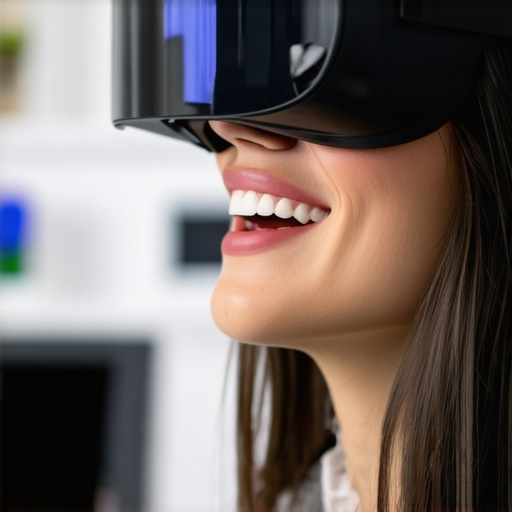
Digital visualization tools for patient engagement, VR/AR dental applications, realistic smile previews, immersive patient consultations, advanced digital smile design.
Expert Insights & Advanced Considerations
Innovative Digital Integration
Practitioners leveraging advanced digital tools like AI-driven treatment planning and 3D imaging are achieving unprecedented precision in smile makeovers, reducing treatment times and improving predictability.
Multidisciplinary Collaboration
Seamless coordination among orthodontists, periodontists, and prosthodontists is essential for complex cases, employing shared digital records and virtual planning to enhance outcomes.
Patient-Centered Communication
Utilizing immersive VR/AR visualizations fosters trust, aligns expectations, and improves patient satisfaction by providing realistic previews of final results in complex treatments.
Material Innovation
Emerging materials like bioactive ceramics and nanocomposites are enhancing restorative durability and esthetics, supporting long-term stability in smile transformations.
Predictive Analytics and Deep Learning
Integrating deep learning models allows for accurate predictions of tissue response and treatment duration, customizing approaches for optimal functional and esthetic results.
Curated Expert Resources
- Journal of Digital Dentistry: Offers cutting-edge research on AI, virtual planning, and digital workflows transforming smile makeovers.
- American Academy of Esthetic Dentistry (AAED): Provides comprehensive courses and case studies on multidisciplinary digital integration and advanced restorative materials.
- International Journal of Periodontics & Restorative Dentistry: Focuses on interdisciplinary treatment planning, especially in complex cases involving periodontal considerations.
- Dental Learning Platforms like Spear Education: Features webinars and courses on innovative digital tools, deep learning applications, and patient communication strategies.
Final Expert Perspective
In the evolving landscape of smile makeovers, integrating expert insights with digital innovation and multidisciplinary collaboration is paramount. Harnessing these advanced considerations elevates clinical excellence, ensuring patients receive not only esthetically pleasing but functionally enduring results. For practitioners committed to staying at the forefront, continuous engagement with reputable resources and embracing emerging technologies are essential steps forward. If you’re ready to transform your practice and deliver exceptional smile restorations, consider connecting with industry leaders and exploring tailored solutions via our consultation platform.
Leave a Reply