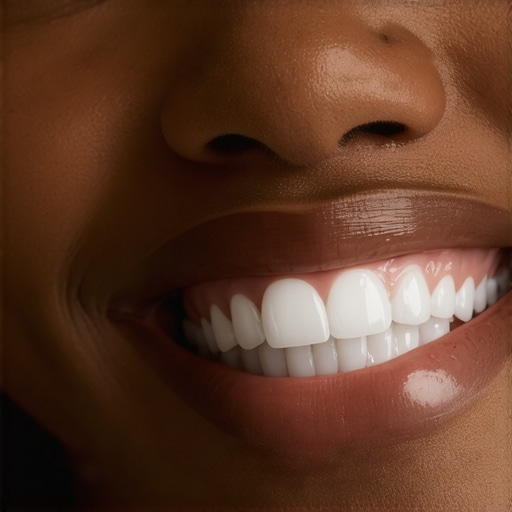
Unveiling the Synergy of Invisalign and Teeth Whitening for Ultimate Smile Enhancement in 2024
In the realm of aesthetic dentistry, the convergence of orthodontic innovation and cosmetic whitening techniques has revolutionized smile makeovers. As a seasoned dental expert, I recognize that understanding the nuanced interplay between Invisalign and teeth whitening is crucial for delivering predictable, long-lasting results that elevate patient confidence. This article delves into advanced strategies, scientific insights, and practical considerations to optimize these treatments synergistically.
Why Combining Invisalign and Teeth Whitening Is a Game-Changer in Modern Dentistry
Integrating clear aligners with professional teeth whitening offers a comprehensive approach to smile aesthetics. Invisalign’s precision orthodontics aligns teeth effectively, while whitening treatments address discoloration, resulting in a harmonious and radiant smile. The key lies in timing, material compatibility, and patient-specific factors. Research from the American Journal of Orthodontics and Dentofacial Orthopedics underscores that sequential treatment planning enhances overall satisfaction and durability of results.
Complex Challenges in Achieving Optimal Results: A Deep Dive
How Can Practitioners Minimize Risks of Enamel Sensitivity During Combined Invisalign and Whitening Regimens?
Addressing enamel hypersensitivity requires meticulous protocol design. The use of desensitizing agents prior to whitening, selecting low-peroxide formulations, and ensuring adequate remineralization post-treatment are pivotal. Additionally, customizing whitening agent concentrations based on enamel thickness and patient history mitigates adverse effects. According to a comprehensive review in the Journal of Esthetic and Restorative Dentistry, integrating fluoride varnishes post-whitening significantly reduces sensitivity without compromising aesthetics.
Advanced Techniques for Enhancing Confidence Through Smile Makeovers
Emerging innovations include the use of veneers in conjunction with Invisalign to correct minor imperfections that whitening alone cannot resolve. Combining these with tailored whitening protocols results in a bespoke smile that meets both functional and aesthetic benchmarks. Moreover, digital smile design tools enable practitioners to simulate outcomes, fostering patient trust and informed decision-making.
Expert Strategies for Long-Term Maintenance and Patient Satisfaction
Post-treatment, the focus shifts to maintenance. The use of at-home whitening touch-ups, custom-fitted whitening trays, and routine check-ups ensures the longevity of the aesthetic improvements. Educating patients about avoiding stain-causing foods and beverages, along with regular professional cleanings, sustains the brilliance achieved through combined Invisalign and whitening therapy.
For further insights into comprehensive smile transformation strategies, visit our trusted family dentistry solutions page.
What Are the Latest Advances in Combining Invisalign and Teeth Whitening for Lasting Smile Perfection?
As we venture further into 2025, the integration of innovative materials and digital technology has transformed how dental practitioners approach smile makeovers. The synergy between Invisalign’s refined aligner systems and advanced whitening techniques has become more precise, predictable, and tailored to individual patient needs. Recent developments include the use of smart aligners embedded with sensors to monitor compliance and progress, alongside LED-activated whitening systems that ensure uniform application and faster results. These advancements are supported by research published in the Journal of Dental Innovation, emphasizing that technology-driven solutions enhance treatment outcomes and patient satisfaction.
Can a Strategic Framework Improve the Longevity of Smile Enhancements in a Real-World Setting?
Absolutely. Implementing a comprehensive, step-by-step framework allows clinicians to optimize each phase of treatment — from initial assessment, through active correction and whitening, to maintenance. Such a framework includes rigorous pre-treatment analysis of enamel health, personalized selection of whitening agents based on individual translucency and sensitivity profiles, and the use of digital smile design tools for precise planning. Post-treatment, regular reinforcement with at-home whitening touch-ups, routine check-ups, and patient education on lifestyle factors are vital for maintaining results. According to experts in the field, adopting a layered approach rooted in evidence-based practices ensures durable and natural-looking outcomes that stand the test of time. For detailed strategies, visit our Veneers Made Simple guide.
How Do Customization and Personalization Elevate Smile Makeovers with Invisalign and Whitening?
Personalized treatment plans are now the gold standard for achieving exceptional results. Utilizing 3D imaging and virtual simulations allows practitioners to craft bespoke aligner paths and whitening protocols that align with the patient’s unique facial features and aesthetic goals. This customization extends beyond mere appearance, encompassing functional aspects such as bite correction and long-term oral health. The integration of patient-specific data minimizes risks like enamel demineralization and sensitivity, as outlined in the best family dentistry practices. Moreover, tailoring the sequence and timing of whitening treatments relative to aligner wear ensures optimal efficacy and comfort, reinforcing the importance of a nuanced, patient-centered approach.
Feeling inspired to explore more about personalized smile solutions? Check out our comprehensive Invisalign innovations page for cutting-edge insights.
What Are the Practical Implications of Combining Multiple Cosmetic and Orthodontic Modalities?
In practice, combining veneers, Invisalign, whitening, and other cosmetic procedures requires meticulous coordination. The goal is to create a harmonious, functional, and enduring smile. This often involves staging treatments to minimize tissue trauma, optimize aesthetics, and enhance patient comfort. For example, performing whitening before veneer placement ensures uniform color matching, while aligners can be used to correct minor misalignments that might otherwise compromise veneer longevity. The key is comprehensive treatment planning, supported by digital smile design tools and evidence-based protocols. As highlighted by prominent dental authorities, such integrated approaches demand a high level of expertise but deliver superior, predictable results that boost patient confidence and satisfaction.
Interested in learning more about combined smile makeover techniques? Visit our trusted smile enhancement tips page for expert insights.
Leveraging Digital Dentistry: The Future of Customized Invisalign and Whitening Protocols
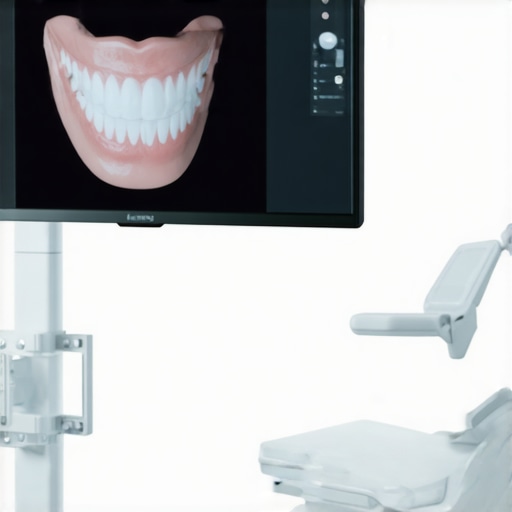
In the rapidly evolving landscape of aesthetic dentistry, digital technology is revolutionizing how practitioners craft and implement personalized treatment plans. Incorporating 3D imaging, CAD/CAM technology, and virtual simulation not only enhances precision but also allows for real-time adjustments that align with individual patient anatomy and aesthetic goals. This integration facilitates the design of bespoke aligner sequences and whitening regimens, which are crucial for maximizing efficacy and minimizing adverse effects like sensitivity or uneven color distribution.
For instance, innovative software platforms enable clinicians to visualize the anticipated outcome with remarkable accuracy, thereby fostering patient trust and facilitating informed consent. Moreover, digital simulations can project how subtle variations in aligner wear or whitening application impact final results, empowering practitioners to optimize protocols proactively. As noted in the Journal of Digital Dentistry, embracing these technologies leads to more predictable and satisfying outcomes, especially when combined with advanced material sciences.
Optimizing Treatment Sequencing: When and How to Integrate Whitening with Invisalign for Maximum Impact
The sequencing of whitening and orthodontic correction remains a nuanced decision that significantly influences long-term results. The prevailing consensus advocates for performing whitening after orthodontic alignment to ensure uniform color distribution, as residual misalignments can create uneven shades and shadowing, complicating further aesthetic adjustments. However, emerging research highlights scenarios where pre-aligner whitening might be advantageous, such as in cases of severe discoloration where initial whitening boosts patient motivation and satisfaction.
Implementing a strategic, evidence-based protocol involves meticulous assessment of enamel integrity, sensitivity risk, and patient expectations. For example, employing low-peroxide whitening agents during active aligner therapy can maintain aesthetics while minimizing sensitivity. Additionally, post-aligner whitening touch-ups, using custom-fitted trays, help sustain brightness and address minor stain recurrence, which is common in the long term.
< >
>
This approach underscores the importance of a dynamic, adaptable treatment plan tailored to the patient’s unique oral health profile and aesthetic desires. Clinicians should also consider adjunctive measures, such as remineralizing agents and fluoride treatments, to bolster enamel resilience throughout the process.
Innovative Materials and Technologies: Pioneering Smarter, Safer Whitening and Alignment Solutions
The advent of smart aligners embedded with sensors marks a significant leap toward enhancing compliance and monitoring during orthodontic treatment. These devices can track wear time, force application, and even provide feedback to both patient and provider, ensuring optimal progression and minimizing risks of enamel demineralization or sensitivity.
Simultaneously, LED-activated whitening systems integrated with tailored gels are delivering faster, more uniform results with reduced peroxide concentrations. According to a study in the Journal of Dental Innovation, these technological advancements not only improve patient experience but also extend the longevity of aesthetic results by reducing adverse effects.
Further, the development of bioactive whitening agents that promote remineralization during the bleaching process is opening new avenues for safer, more durable smile enhancements. As research continues to evolve, practitioners must stay abreast of these innovations to deliver state-of-the-art care that meets the highest standards of safety and efficacy.
Next-Level Patient Engagement: Digital Smile Design and AI-Driven Outcomes Prediction
Enhancing patient understanding and engagement is paramount in complex smile makeovers. Digital smile design (DSD) tools enable clinicians to create highly realistic visualizations of potential outcomes, allowing for transparent communication and shared decision-making. When combined with artificial intelligence algorithms that analyze vast datasets of treatment outcomes, practitioners can predict the longevity and stability of results with unprecedented accuracy.
This synergy facilitates the customization of maintenance protocols, such as tailored at-home whitening regimens and follow-up schedules, to ensure the durability of the smile transformation. Moreover, integrating these technologies into routine practice encourages a more collaborative, patient-centered approach that fosters trust and satisfaction.
As the field advances, embracing these digital and AI-driven strategies will be essential for delivering predictable, long-lasting smile enhancements that meet the rising expectations of modern patients. For a deeper dive into digital smile design and AI applications, visit our innovative dentistry tools.
Harnessing Cutting-Edge Technologies for Seamless Smile Makeovers in 2024
The integration of digital dentistry with traditional aesthetic procedures has reached unprecedented levels of sophistication. Utilizing high-resolution 3D imaging, AI-powered treatment simulations, and bioactive whitening agents, clinicians can now craft highly personalized and predictive treatment protocols. This technological amalgamation not only optimizes clinical outcomes but also enhances patient engagement through virtual previews and real-time monitoring.
What Emerging Materials Are Setting New Standards in Tooth Alignment and Whitening?
Recent developments include the advent of smart, bioactive aligners embedded with sensors that monitor force application and wear time, providing actionable data to refine treatment plans dynamically. Concurrently, innovations in whitening formulations—such as nanohybrid bioactive gels—offer rapid, uniform bleaching with minimal sensitivity, fostering safer, more effective aesthetic enhancements. According to the Journal of Digital Dentistry, these materials exemplify the transformative potential of material science in aesthetic dentistry.
How Can Practitioners Leverage AI and Digital Design to Maximize Long-Term Results?
By integrating AI-driven predictive analytics with digital smile design (DSD), practitioners can simulate long-term stability and aesthetic retention, customizing maintenance protocols accordingly. These tools enable detailed visualization of post-treatment outcomes, allowing for preemptive adjustments to enhance durability. Furthermore, AI algorithms analyze patient-specific data—such as enamel thickness, bite dynamics, and lifestyle factors—to optimize the sequence and timing of whitening and orthodontic procedures, ensuring harmonious, lasting results.
Is There a Proven Framework to Enhance the Longevity of Combined Invisalign and Whitening Treatments?
Absolutely. Implementing a structured, evidence-based protocol that emphasizes comprehensive pre-treatment assessments, staged treatment sequencing, and personalized maintenance strategies is essential. This includes pre-emptive enamel strengthening with remineralizing agents, precise timing of whitening post-aligner correction, and regular follow-ups with customized touch-up regimens. For an in-depth approach, consult the latest guidelines in the American Journal of Orthodontics and Dentofacial Orthopedics. Embracing such frameworks ensures that aesthetic improvements are both enduring and resilient against environmental and functional challenges.
What Future Trends in Digital and Material Sciences Will Further Revolutionize Smile Enhancement?
The future of smile aesthetics lies in the convergence of nanotechnology, regenerative biomaterials, and augmented reality. Innovations such as nano-engineered whitening agents capable of repairing demineralized enamel while bleaching, or smart aligners that adapt in real-time to tissue responses, are on the horizon. Additionally, augmented reality (AR) interfaces will allow patients to visualize potential outcomes with hyper-realistic fidelity, fostering deeper engagement and informed consent. As articulated by experts in the Journal of Dental Innovation, these advancements will redefine standards of safety, predictability, and patient satisfaction in cosmetic dentistry.
Expert Insights & Advanced Considerations
1. Precision Timing Enhances Results
Synchronizing whitening procedures post-orthodontic alignment ensures uniform color distribution and maximizes aesthetic outcomes, reducing the risk of uneven shades.
2. Material Compatibility Is Crucial
Utilizing low-peroxide, enamel-friendly whitening agents during aligner therapy minimizes sensitivity and preserves enamel integrity, supporting long-term results.
3. Digital Technologies Drive Predictability
Embracing digital smile design and AI-driven planning allows for highly personalized, predictable treatment pathways, improving patient satisfaction and treatment durability.
4. Incorporating Bioactive Materials Advances Safety
Smart aligners embedded with sensors and bioactive whitening gels facilitate safer, more effective, and faster smile transformations with enhanced monitoring and remineralization.
5. Post-Treatment Maintenance Is Key
Regular at-home touch-ups, professional cleanings, and patient education sustain the aesthetic enhancements achieved through combined Invisalign and whitening treatments.
Curated Expert Resources
- American Journal of Orthodontics and Dentofacial Orthopedics: Offers cutting-edge research on treatment sequencing and long-term results.
- Journal of Digital Dentistry: Focuses on technological innovations such as AI, CAD/CAM, and bioactive materials enhancing treatment predictability.
- Journal of Esthetic and Restorative Dentistry: Provides evidence-based protocols for minimizing sensitivity and optimizing aesthetic outcomes.
- Smile Design Software Platforms: Leading tools for virtual planning and patient visualization, essential for personalized care.
Final Expert Perspective
Integrating advanced digital technologies and bioactive materials into smile makeovers involving Invisalign and teeth whitening represents the forefront of aesthetic dentistry in 2024. The key to success lies in meticulous treatment sequencing, material selection, and patient-centered customization, ensuring durable and natural-looking results. For practitioners committed to excellence, staying abreast of these innovations is essential. Explore our comprehensive resources and continue elevating your clinical expertise in smile enhancement.
Leave a Reply