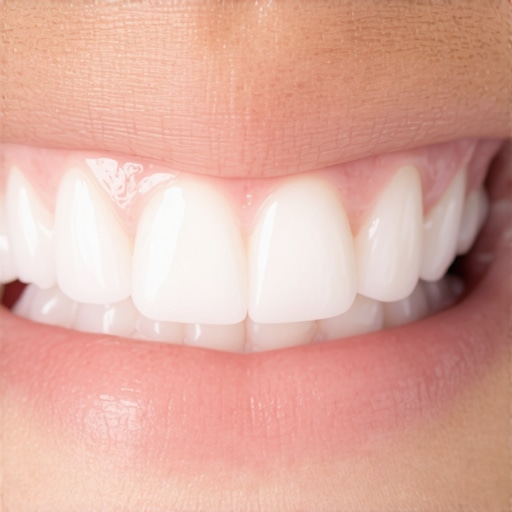
Revolutionizing Aesthetic Dentistry: The Synergy of Invisalign and Veneers for a Flawless Smile
In today’s competitive cosmetic dentistry landscape, the integration of Invisalign aligners and porcelain veneers has become a sophisticated approach to achieving optimal smile aesthetics. Recognized for their complementary benefits, these treatments offer a comprehensive solution that addresses both functional alignment and superficial aesthetic enhancements. As an expert in dental innovation, understanding the nuanced application of these technologies can significantly elevate patient outcomes in 2024.
How Can Combining Invisalign with Veneers Elevate Your Smile Design Strategy?
By strategically sequencing Invisalign orthodontics prior to veneer placement, practitioners can ensure that the underlying dental arch and occlusion are harmonized, thereby maximizing the veneer’s aesthetic potential. This approach minimizes the risk of veneer failure due to underlying misalignments, which are often underestimated. Moreover, the use of digital smile design allows for precise simulation, enabling clinicians to plan treatment pathways that optimize both alignment correction and cosmetic enhancement.
Research from the American Journal of Orthodontics & Dentofacial Orthopedics underscores the importance of a staged approach where orthodontic correction precedes cosmetic restorations, ensuring long-term stability and patient satisfaction.
Innovative Materials and Techniques in 2024
Emerging advances in porcelain veneer materials, such as leucite-reinforced ceramics, offer increased translucency and strength, aligning with the aesthetic demands of modern patients. When combined with Invisalign’s digital setup and 3D printing capabilities, clinicians can achieve unprecedented precision in both treatment planning and execution.
Furthermore, the adoption of minimally invasive veneer preparation techniques preserves more enamel, reducing patient discomfort and enhancing longevity. This synergy between material science and digital dentistry exemplifies the evolution toward more conservative and predictable smile makeovers.
What Are the Next-Level Considerations for Achieving a Natural-Looking Result?
Achieving a natural appearance requires meticulous attention to the harmony of tooth proportions, gingival display, and overall facial aesthetics. Utilizing advanced software like CAD/CAM allows for custom shading and anatomy adjustments, ensuring the final result seamlessly integrates with the patient’s unique features. Incorporating 3D imaging and predictive modeling enhances patient communication and sets realistic expectations.
Experts also emphasize the importance of a multidisciplinary approach, involving orthodontists, prosthodontists, and periodontists, to address complex cases that demand both structural and soft tissue considerations.
For comprehensive insights into the latest innovations, explore Invisalign & Veneers: Proven Tips for a Perfect Smile in 2024.
Interested professionals are encouraged to contribute their case studies and insights to foster a community of continuous improvement and innovation in smile design.
Enhancing Smile Aesthetics with Cutting-Edge Material Innovations
As the realm of cosmetic dentistry continues to evolve, material science plays a pivotal role in delivering results that are both stunning and durable. The latest advancements in porcelain veneer materials, such as leucite-reinforced ceramics, offer increased translucency and resistance to fracture, aligning perfectly with the aesthetic standards of modern patients. When integrated with Invisalign’s digital setup and 3D printing capabilities, clinicians can achieve unprecedented precision in treatment planning and execution, ensuring each smile transformation is both predictable and personalized.
In addition to material improvements, the adoption of minimally invasive veneer preparation techniques preserves more enamel, reducing patient discomfort and extending the longevity of restorations. This holistic approach exemplifies the seamless integration of science and artistry, facilitating conservative yet impactful smile makeovers that meet high patient expectations.
Are There Hidden Factors That Impact Natural-Looking Results?
Achieving a natural appearance involves more than just selecting the right materials. It requires meticulous attention to tooth proportions, gingival display, and facial harmony. Advanced software like CAD/CAM enables customization of shading, anatomy, and translucency, ensuring restorations blend seamlessly with the patient’s existing features. Incorporating 3D imaging and predictive modeling not only enhances communication but also helps set realistic expectations, reducing the risk of dissatisfaction post-treatment.
Moreover, a multidisciplinary approach that includes orthodontists, prosthodontists, and periodontists ensures comprehensive care, especially for complex cases demanding both structural realignment and soft tissue management. This collaborative strategy underscores the importance of an integrated treatment plan to achieve truly harmonious results.
For professionals eager to deepen their understanding, exploring Invisalign & Veneers: Proven Tips for a Perfect Smile in 2024 offers valuable insights into combining these technologies effectively.
Share your experiences or ask questions about your latest cases in the comments—your insights could inspire others seeking to elevate their practice.
Harnessing Digital Precision to Perfect Smile Aesthetics
In the realm of modern cosmetic dentistry, the integration of digital tools like CAD/CAM, 3D imaging, and predictive modeling transforms the way clinicians plan and execute smile makeovers. These technologies do more than just streamline workflows; they enable a level of customization and accuracy previously unattainable, ensuring each restoration harmonizes with the patient’s facial features and soft tissue dynamics.
For instance, CAD/CAM software allows for meticulous control over shade, translucency, and anatomy, making restorations virtually indistinguishable from natural teeth. When combined with high-resolution 3D imaging, clinicians can simulate various treatment outcomes, providing patients with a visual preview that aligns expectations with achievable results. This synergy of digital modalities facilitates a comprehensive, patient-centered approach that elevates satisfaction and long-term stability.
What Role Do Soft Tissue Dynamics Play in Achieving Authentic Smile Results?
While tooth morphology and material selection are critical, the soft tissue environment—particularly gingival contours and facial muscles—plays an equally vital role in creating a natural appearance. Advanced imaging technologies now enable practitioners to analyze soft tissue behavior, allowing for more precise planning of gingival recontouring and tissue management strategies. Such insights help in designing restorations that not only look good in static images but also maintain their aesthetic appeal during dynamic facial expressions.
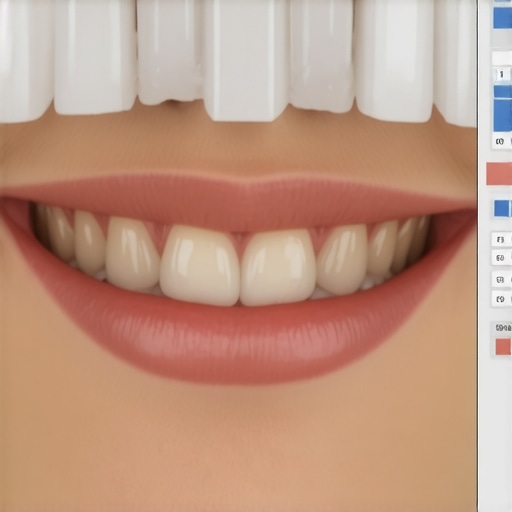
Understanding tissue response is especially crucial in cases involving gummy smiles or asymmetrical gingival displays. Incorporating 3D soft tissue modeling into the planning phase offers a predictive view of how tissues will adapt post-treatment, reducing the risk of unforeseen results and the need for secondary procedures.
Interdisciplinary Collaboration for Holistic Smile Enhancement
Achieving truly harmonious and natural results often demands a multidisciplinary approach. Orthodontists, periodontists, and prosthodontists must work synergistically to address the complex interplay between dental alignment, soft tissue health, and restorative aesthetics. This collaboration ensures that each aspect of the smile—structure, function, and appearance—is optimized within a cohesive treatment plan.
For example, orthodontic correction can establish a stable foundation for subsequent veneer placement, while periodontal procedures can refine soft tissue contours to enhance the final aesthetic. The use of digital planning tools facilitates seamless communication among specialists, aligning their efforts toward a shared vision.
As the field progresses, emerging innovations like bioadaptive materials and smart restorative systems promise to further personalize treatments. These advancements allow restorations to respond to environmental stimuli, such as temperature or pH changes, mimicking natural tissue behavior and improving longevity.
How Can Future Technologies Revolutionize Smile Design?
Looking ahead, developments in artificial intelligence and machine learning are poised to revolutionize digital smile design. AI-driven algorithms can analyze vast datasets of successful cases, providing predictive insights that refine treatment strategies and minimize errors. Furthermore, augmented reality (AR) applications could enable patients to virtually experience their new smile in real-time, fostering more informed decision-making and satisfaction.
For professionals eager to stay ahead, continuous education in these emerging technologies is essential. Participating in specialized training programs and engaging with industry thought leaders will ensure that practitioners can harness these tools effectively, delivering results that are not only aesthetically impeccable but also functionally sustainable.
To deepen your understanding of integrating digital innovations in smile design, explore our comprehensive resources or join upcoming webinars hosted by leading dental technology firms. Your journey toward mastering next-generation aesthetic dentistry begins here.
Harnessing the Power of Digital Smile Engineering for Superior Results
In the dynamic domain of cosmetic dentistry, the advent of digital smile design has revolutionized how practitioners approach the integration of Invisalign and veneers. Utilizing state-of-the-art software, clinicians now craft highly personalized treatment plans that anticipate the aesthetic and functional outcomes with unprecedented accuracy. This technological synergy allows for meticulous previsualization, ensuring that each phase—from orthodontic alignment to final veneer placement—aligns perfectly with the patient’s facial harmony.
Can AI-Driven Tools Transform Customized Smile Makeovers?
Artificial intelligence (AI) algorithms are increasingly integral to predictive modeling, offering insights into optimal tooth proportions and soft tissue responses. By analyzing extensive datasets, AI can recommend personalized adjustments that enhance natural aesthetics and long-term stability. This integration of machine learning facilitates a more refined, evidence-based approach, pushing the boundaries of what is achievable in smile design. For detailed case studies, consult the Journal of Dental Technology.
Innovative Material Science Elevating Aesthetic Outcomes
Progress in ceramic technology, such as translucent zirconia and nanostructured porcelain, has significantly improved the translucency, strength, and biocompatibility of veneers. When combined with digital planning and 3D printing, these materials facilitate the creation of restorations that mimic the natural enamel’s optical properties with stunning fidelity. Minimally invasive preparation techniques further preserve enamel integrity, enhancing the longevity and patient comfort of the final result.
What Are the Implications of Smart Materials for Future Smile Restorations?
Emerging smart materials, capable of responding to environmental stimuli like pH and temperature, promise dynamic interactions with the oral environment. These bioadaptive restorations could potentially self-repair minor damages or adjust translucency based on lighting conditions, representing a paradigm shift in longevity and realism. Staying abreast of these innovations is critical for forward-thinking practitioners seeking to offer cutting-edge care.
For expert insights, explore Advanced Dental Materials.
Optimizing Soft Tissue Dynamics for Natural-Looking Results
Modern soft tissue management extends beyond static imaging, encompassing dynamic modeling of gingival and muscular behavior. High-resolution 3D soft tissue scans enable clinicians to plan precise gingivectomies and tissue sculpting that complement the final restorations. This proactive approach minimizes post-treatment soft tissue discrepancies, ensuring the final smile maintains both aesthetic harmony and functional stability.
Why Is Soft Tissue Consideration Critical in High-Value Cases?
In complex cases such as gummy smiles or asymmetrical gingival contours, soft tissue management is paramount. Integrating soft tissue analysis with digital mock-ups allows for predictive planning, reducing the risk of over- or under-contouring. This comprehensive strategy results in a more natural, youthful appearance and enhances patient satisfaction.
For further reading, visit Soft Tissue Regeneration Journal.
Future Horizons in Digital Smile Transformation
The evolution of augmented reality (AR) and virtual reality (VR) promises to redefine patient engagement and treatment precision. AR tools could enable patients to virtually experience their prospective smiles in real time, fostering more informed consent and personalized adjustments. Simultaneously, AI-powered robotic fabrication systems are poised to deliver restorations with micron-level accuracy, significantly reducing chairside time and human error.
Are You Ready to Embrace the Next-Generation of Aesthetic Dentistry?
To remain at the forefront, dental professionals must invest in ongoing education and technological adoption. Participating in specialized training programs, attending industry conferences, and collaborating with digital innovators will ensure your practice leverages these advancements effectively. Embrace the future of smile design—where art meets science with precision and personalization.
Elevating Smile Aesthetics with Cutting-Edge Insights
Advanced Material Science Unlocks New Avenues
Innovations in ceramic and nanostructured materials, such as translucent zirconia and bioactive porcelains, enable clinicians to craft restorations that perfectly mimic natural enamel. These materials not only enhance aesthetic outcomes but also improve durability, fostering patient satisfaction and long-term success.
Harnessing Digital Precision for Predictable Results
Utilizing AI-powered software and augmented reality tools allows for unprecedented accuracy in treatment planning. These technologies facilitate comprehensive visualizations, enabling practitioners to fine-tune smile designs that harmonize with facial features, soft tissue dynamics, and patient preferences.
Soft Tissue Dynamics as a Foundation for Natural Looks
Incorporating soft tissue modeling and 3D soft tissue analysis into treatment protocols ensures balanced gingival contours and facial harmony. This approach minimizes post-treatment discrepancies and enhances the overall aesthetic integration of veneers and orthodontic corrections.
Interdisciplinary Collaboration Elevates Outcomes
Synergistic efforts among orthodontists, periodontists, and prosthodontists, supported by digital communication platforms, optimize comprehensive care. Such collaboration enables the seamless integration of structural, soft tissue, and restorative strategies, producing truly harmonious smiles.
Emerging Technologies Set New Standards
Future innovations like smart, bioadaptive materials and AI-driven robotic fabrication are poised to revolutionize smile design, offering self-healing restorations and micron-level precision. Staying ahead requires continuous education and adoption of these transformative tools.
Curated Expert Resources for Continued Mastery
- Journal of Dental Technology: A leading publication featuring the latest research on AI, AR, and smart materials in dentistry, providing evidence-based insights for practitioners committed to innovation.
- Advanced Dental Materials: An authoritative resource on cutting-edge biomaterials, including translucency-enhanced ceramics and bioactive restoratives, essential for high-quality aesthetic work.
- Soft Tissue Regeneration Journal: Focuses on the latest soft tissue modeling, regenerative techniques, and digital soft tissue analysis, crucial for achieving natural results.
- Dental Tech Webinars: Regularly updated training sessions on integrating AI, AR, and digital workflows into everyday practice, fostering continuous professional development.
Synthesizing Insights for Next-Generation Smile Design
The integration of advanced materials, digital precision, soft tissue management, and interdisciplinary collaboration forms the cornerstone of 2025’s top-tier aesthetic dentistry. Embracing these innovations not only enhances patient outcomes but also elevates your practice’s reputation as a leader in smile transformation. Engage with industry leaders, participate in cutting-edge training, and contribute your expertise to push the boundaries of what’s achievable. Your journey toward mastering next-generation smile design begins today—are you ready to shape the future of aesthetic dentistry?
Leave a Reply