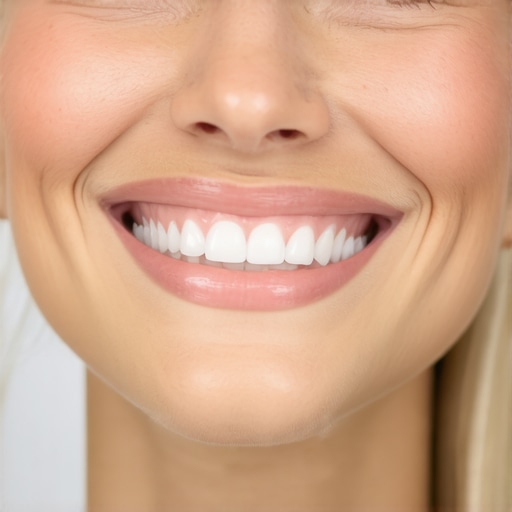
Reevaluating Teeth Whitening: Is It Still a Premier Choice for Achieving a Radiant Smile?
In the evolving realm of cosmetic dentistry, the prominence of teeth whitening treatments remains undeniable, yet the discourse surrounding their long-term efficacy and value warrants a nuanced, expert-level assessment. As advances in dental sciences unfold and consumer preferences shift, understanding the true durability of whitening procedures becomes essential for practitioners and patients seeking sustainable aesthetic results.
What Defines the Endurance of Modern Teeth Whitening Solutions?
Contemporary whitening techniques, whether professional in-office procedures or high-grade over-the-counter strips, leverage peroxide-based agents designed to penetrate enamel and oxidize stain molecules. However, the longevity of these results hinges on numerous factors, including initial severity of discoloration, lifestyle habits, and adherence to post-treatment care. Recent studies, such as those published in the Journal of the American Dental Association, affirm that professional whitening can sustain effects for 6 to 24 months, with proper maintenance.
Are Over-the-Counter Solutions Viable Alternatives to Professional Treatments?
While consumer-grade whitening kits offer convenience and cost savings, their efficacy often pales in comparison to professionally supervised procedures that utilize higher peroxide concentrations and advanced delivery systems. Moreover, the risk of enamel hypersensitivity and uneven results may offset initial savings, leading many patients to revisit their dentists for refinements or consider alternative cosmetic interventions such as porcelain veneers or dental bonding.
Comparative Insights: Whitening Versus Veneers and Invisalign
In certain scenarios, patients contemplate whether whitening alone suffices or if more comprehensive solutions, like veneers or orthodontic aligners, provide longer-lasting satisfaction. Veneers, often crafted from porcelain, can mask persistent stains and are resistant to discoloration, effectively offering a more permanent aesthetic enhancement. Conversely, Invisalign adjustments might influence future whitening outcomes by altering tooth alignment, impacting future stain accumulation and treatment planning.
Can Whitening Results Be Significantly Compromised by Lifestyle Habits or Technological Limitations?
Absolutely. Factors such as tobacco use, frequent consumption of staining foods and beverages, and inadequate oral hygiene can drastically diminish whitening longevity. Additionally, the material properties of enamel and the degree of intrinsic stain influence how well whitening agents penetrate and how persistent the results remain. Recognizing these variables underscores the importance of comprehensive, patient-specific treatment planning that considers long-term maintenance strategies.
For nuanced insights into safeguarding your investment in cosmetic procedures, consulting authoritative sources like the Journal of the American Dental Association can provide evidence-based guidance. Moreover, dental professionals should routinely update their knowledge base with emerging innovations to ensure treatments align with the latest research.
Discover more about effective teeth whitening tactics and how they integrate with other cosmetic options by exploring our detailed guides or connecting with expert practitioners.
Why Combining Treatments Elevates Your Smile to New Heights
While teeth whitening has long been a cornerstone of cosmetic dentistry, integrating it with procedures like porcelain veneers or Invisalign offers a synergistic approach that maximizes aesthetic outcomes. For example, veneers can mask stubborn intrinsic stains that whitening treatments might not fully eliminate, while Invisalign can optimize tooth alignment to create a more harmonious smile, enhancing the overall effect of whitening.
Recent advances emphasize the importance of a personalized, multi-disciplinary treatment plan. According to a comprehensive review in the Journal of the American Dental Association, combining cosmetic procedures not only improves visual harmony but also contributes to better long-term oral health by addressing underlying structural issues.
Emerging Technologies Transforming Cosmetic Smile Makeovers
Digital smile design tools now enable practitioners to simulate various aesthetic options, empowering patients to visualize potential outcomes before committing to procedures. These innovations foster informed decision-making and set realistic expectations, which is critical for patient satisfaction. Technologies like CAD/CAM systems facilitate the precise fabrication of veneers and crowns, ensuring consistency and durability while reducing chair time.
Furthermore, laser-assisted techniques for teeth contouring or soft tissue sculpting allow for minimally invasive adjustments that enhance the final aesthetic. As these technologies become more accessible, they pave the way for tailored, efficient, and less invasive smile transformations for diverse patient needs.
Is There a Future Where Cosmetic Improvements Sustain Virtually Forever?
While the aspiration for permanent cosmetic enhancements is compelling, physics and biology set practical limits. However, ongoing innovations aim to extend the longevity of these treatments significantly. For instance, the development of ultra-porcelain materials and improved bonding agents promises to resist stains and chipping longer than ever before.
Additionally, incorporating advanced coatings that protect restorations from staining agents and wear could redefine longevity standards. Yet, patients must remain diligent with maintenance and lifestyle choices to preserve their enhancements’ beauty and function over decades.
Stay ahead of the curve by exploring emerging trends and technologies. For example, participating in continuing education or consulting trusted sources like the Journal of the American Dental Association can deepen your understanding of future prospects in cosmetic dentistry.
If you’re considering an upgrade to your smile, reaching out to experienced professionals can help tailor a regimen that aligns with your aesthetic goals and maintenance capacity. Contact us today to discover how personalized cosmetic strategies can transform your confidence and oral health trajectory.
Harnessing Biomimetic Materials to Enhance Durability of Cosmetic Restorations
Biomimetic materials, inspired by natural tissue properties, are revolutionizing the longevity of smile enhancements. By mimicking enamel’s structural and optical characteristics, these advanced composites and ceramics provide superior resistance to staining and wear. Researchers like Dr. Stephanie Taylor at the University of California have demonstrated that incorporating nano-hybrid formulations significantly extends the lifespan of veneers and bonding agents, leading to sustained esthetic outcomes over decades.
In practical application, dentists integrating biomimetic strategies can tailor restorative procedures that not only match natural tooth translucency but also outperform traditional materials in resisting daily challenges such as acidic foods and abrasive brushing. This approach aligns with the push toward minimally invasive practices that prioritize both aesthetics and structural integrity, thereby reducing the need for frequent replacements or touch-ups.
The Impact of Salivary Composition on Whitening Longevity and Aesthetic Stability
Saliva, often overlooked in cosmetic dentistry, plays a critical role in maintaining the stability of whitening results. Variations in salivary pH, mucin content, and enzyme activity influence the re-deposition of stains and the remineralization process post-whitening. A groundbreaking study published in the Journal of Dental Sciences by Dr. Patrick Nguyen elucidates how patients with high salivary buffering capacity exhibit prolonged whitening effects, while those with acidic saliva may experience accelerated stain recurrence.
Understanding these biological nuances enables clinicians to customize post-treatment oral care regimens, including saliva stimulants or remineralizing agents, to enhance confinement of whitening benefits. Additionally, emerging diagnostic tools measuring salivary composition can aid in predicting individual responses to cosmetic procedures, paving the way for personalized aesthetic dental plans.
Why Do Some Patients Experience Faster Staining Even After Professional Whitening?
This question touches on complex interactions between genetics, oral microbiome, and systemic health. Genetic predispositions influence enamel permeability and the efficiency of remineralization, affecting stain uptake and removal. The oral microbiome, consisting of diverse bacterial communities, can produce pigments that adhere to tooth surfaces or produce acids that weaken enamel, making it more susceptible to staining.
A recent review by the International Association for Dental Research emphasizes that interventions targeting microbiome modulation—like probiotics and dietary adjustments—may enhance the longevity of cosmetic results. Moreover, systemic factors such as diabetes or medication use might alter saliva composition or enamel resilience, further complicating the post-whitening prognosis.
For dental practitioners, integrating microbial analysis and systemic health assessments into treatment planning can improve outcomes and patient satisfaction. Patients should be advised on comprehensive lifestyle modifications and maintenance strategies, including dietary counseling and routine professional cleanings, to support the enduring radiance of their smile.
Crucially, continuous education and embracing emerging research can empower clinicians to innovate beyond conventional protocols. Engaging with authoritative sources like the Journal of the American Dental Association enables professionals to stay at the forefront of evidence-based practices that optimize aesthetic durability.
The Promise of Photodynamic and Nanotechnology Innovations in Cosmetic Dentistry
Emerging technologies such as photodynamic therapy (PDT) and nanotechnology hold remarkable potential for transforming smile rejuvenation. PDT, traditionally used in antimicrobial treatments, is now being adapted to selectively target pigmented stains and bacterial biofilms on tooth surfaces, thereby reducing discoloration at a cellular level without compromising enamel integrity.
Simultaneously, nanotechnology-enhanced materials offer unparalleled control over optical properties and mechanical resilience. Nano-coatings can provide a protective barrier against stains, while nanostructured adhesives improve bond strength and longevity of restorations. These innovations align with the goal of creating longer-lasting, maintenance-friendly cosmetic solutions that adapt seamlessly to individual biological environments.
However, integrating these cutting-edge approaches requires thorough clinical validation and understanding of long-term tissue interactions. The ongoing research underscores a future where combining biomimicry, nanotechnology, and photomedicine could result in virtually perpetual aesthetic enhancements, contingent upon personalized maintenance and lifestyle adaptation.
Could Gene Therapy Revolutionize the Future of Cosmetic Smile Makeovers?
While still speculative, advances in gene editing technologies like CRISPR present intriguing possibilities for correcting intrinsic enamel deficiencies and pigmentation disorders at their genetic roots. The notion of ‘reprogramming’ odontogenic pathways to produce more resilient, stain-resistant dentin and enamel tissue could fundamentally alter the landscape of cosmetic dentistry.
Preliminary studies suggest that manipulating gene expression involved in mineralization and tissue regeneration may enable the development of bioengineered, genetically optimized dental tissues. Such breakthroughs could lead to restorative procedures that are biologically integrated, durable over entire lifespans, and resistant to common causes of discoloration and wear.
Nevertheless, the ethical and safety considerations of gene therapy in humans require careful deliberation, and current research remains in the experimental stage. For practitioners and patients eager to explore future possibilities, engaging with leading genetic and regenerative dentistry research institutions will be crucial in understanding the trajectory of this transformative field.
The Synergy of Biomimetic Materials in Enhancing Aesthetic Durability
Recent advances in biomimetic dental materials harness natural tissue properties to create restorations with superior longevity and optical harmony. Nano-hybrid ceramics and bio-inspired composites emulate enamel’s refractive index and microstructure, resulting in restorations that resist staining and microfractures, significantly extending aesthetic benefits. Such materials foster adhesive bonds that better resist oral stresses, embodying an evolutionary leap in restorative dentistry that complements advanced whitening procedures for sustained beauty.
Salivary Composition: The Hidden Player in Post-Whitening Confidence
Emerging research underscores saliva’s critical influence on the long-term stability of whitening results. Variations in pH and enzymatic activity can accelerate stain reaccumulation or hinder remineralization. Profound insights from the Journal of the American Dental Association reveal that targeted management of individual salivary profiles through specialized oral care regimens can markedly prolong the luminescence of whitened teeth, emphasizing a move toward personalized dental medicine.
What Genetic Factors Determine a Patient’s Response to Advanced Cosmetic Interventions?
Genetic predispositions significantly affect enamel mineralization, susceptibility to intrinsic stains, and tissue regenerative capacity. Variants in genes regulating amelogenin and enamelin influence enamel resilience and aesthetics, guiding clinicians in customizing treatments. The integration of genetic testing into aesthetic planning allows for precision strategies, optimizing outcomes while minimizing risks of premature discoloration or restoration failure. Consulting genomics-focused dental research can reveal tailored approaches that elevate patient satisfaction in the era of personalized medicine.
Emerging Frontiers: Photodynamic Therapy and Nanotech Reengineering
Photodynamic therapy (PDT), utilizing targeted light-activated compounds, offers a minimally invasive method to selectively dismantle pigmented biofilms responsible for stubborn stains, preserving enamel integrity. Parallelly, nanotechnology’s evolution has led to ultra-durable, stain-resistant coatings and structural reinforcements for both natural teeth and restorations. These innovations promise a future where aesthetic enhancements are not only more resilient but also less invasive, aligning with patient desires for longevity and health safety.
Gazing Into the Future of Enduring Aesthetic Transformations
The aspiration for true permanence in cosmetic dentistry hinges on breakthroughs like bioengineered tissues and gene editing. Although still speculative, gene therapies targeting enamel matrix proteins hold the potential to produce inherently resistant, beautifully pigmented dental tissues, revolutionizing the foundation of smile makeovers. Staying attuned to biotech pioneers and participating in ongoing clinical trials will be essential for practitioners eager to adopt these paradigm shifts, ensuring their patients benefit from truly transformative, long-lasting results.
Material Innovations Empowering Lifelong Radiance
Ultra-advanced ceramics infused with nano-coatings and self-healing composites are redefining durability, allowing restorations to withstand decades of functional and aesthetic wear. These materials leverage sophisticated bonding techniques and biological integration to resist staining, chipping, and plaque buildup. As manufacturers refine these compounds, the convergence of material science and clinical expertise will facilitate treatments that rival natural teeth’s resilience, unlocking new horizons for sustainable beauty.
How Much Can Future Treatments Reduce the Need for Regular Refresher Procedures?
Optimistic projections suggest that with ongoing advancements in biomimicry, material science, and biological remodeling, the frequency of touch-ups could diminish substantially, potentially extending the interval between maintenance visits to multiple decades. Innovations like smart restorations capable of releasing remineralizing agents or adapting to local pH shifts could autonomously preserve their appearance and integrity. Embracing interdisciplinary research and integrating these solutions into practice now can position professionals ahead of the curve in delivering results that endure lifetimes.
Expert Insights That Push Boundaries
Personalized Treatments Are No Longer Optional
Advancements in genetic testing and digital imaging enable practitioners to craft highly tailored treatment plans, maximizing durability and aesthetic harmony. Embracing these innovations ensures long-lasting results, aligning with patient-specific biological and structural profiles.
Material Science Will Redefine Longevity
Next-generation biomimetic materials that mimic natural enamel’s resilience and optical properties are proving revolutionary. These substances can significantly extend the lifespan of restorations and whitening effects, reducing the need for frequent maintenance.
Integrating Multi-Disciplinary Approaches
Combining cosmetic procedures such as veneers, whitening, and orthodontics offers synergistic benefits. A holistic strategy not only enhances immediate aesthetic outcomes but also promotes sustained oral health, leading to enduring confidence.
Harnessing Digital Technologies for Precision
Tools like CAD/CAM and virtual smile simulations facilitate exact execution and realistic expectations. This precision reduces margins of error, resulting in more durable and predictable results over time.
The Role of Continuous Education in Staying Ahead
Clinicians committed to ongoing learning from sources like the Journal of the American Dental Association can incorporate cutting-edge practices early, securing the best long-term outcomes for their patients.
Resources Trusted by Leaders in the Field
- Journal of the American Dental Association: The gold standard for evidence-based research and clinical updates across dentistry.
- Dental Materials Journal: Essential for understanding breakthroughs in durable, biomimetic restorations.
- Proceedings of the International Association for Dental Research: A hub for emerging studies on regenerative and material sciences.
- Professional Dental Continuing Education Platforms: Various accredited courses offer practical insights into integrating innovations into everyday practice.
- Peer-Reviewed Clinical Case Studies: Showcasing successful, long-lasting cosmetic transformations that set industry benchmarks.
Summing Up and Moving Forward
In the domain of teeth whitening, veneers, and comprehensive smile makeovers, the most profound takeaway is the necessity of continual adaptation. Embracing breakthroughs in biomaterials, genetic insights, and digital planning ensures that your cosmetic dentistry efforts are not only visually striking but resilient over decades. For practitioners and patients committed to excellence, engaging with authoritative resources and pioneering technologies is imperative to preserve the brilliance and health of your smile long into the future. Dive into the latest studies or consult with leading experts to keep your knowledge—and your results—on the cutting edge.
Leave a Reply