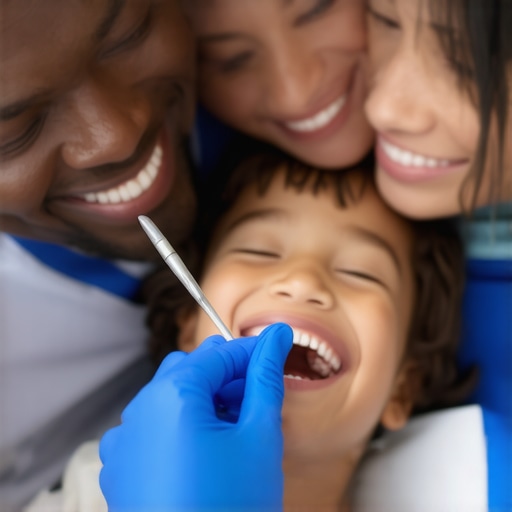
Unlocking the Science Behind Advanced Teeth Whitening Techniques in 2024
As dental professionals recognize, the pursuit of a luminous smile transcends superficial aesthetics, becoming a reflection of overall oral health and confidence. In 2024, the convergence of innovative whitening technologies and holistic dental care strategies offers a new paradigm for achieving brighter, healthier smiles within family units. Understanding the underlying chemistry and biological considerations is essential for optimizing outcomes while maintaining long-term dental integrity.
The Role of Enamel Microstructure in Modern Dental Whitening Protocols
Recent studies, such as those published in the Journal of Dental Research, highlight how enamel porosity and mineral composition influence bleaching efficacy. Progress in nanotechnology-enabled whitening agents allows for targeted pigment removal with minimal enamel disruption, emphasizing the importance of personalized treatment plans based on individual enamel microstructures.
Balancing Cosmetic Enhancement with Minimally Invasive Dentistry
While whitening remains a cornerstone of aesthetic dental care, its integration with minimally invasive procedures like veneer placement and orthodontic alignment (e.g., Invisalign) creates synergistic effects. For example, combining veneer treatments with whitening can produce transformative results, especially when tailored to the patient’s unique dental profile.
Emerging Innovations in Tooth-Protection During Whitening Procedures
One of the key concerns in whitening is the potential for transient dentinal hypersensitivity. Advances in desensitizing agents, such as bioactive glass formulations, provide evidence-based solutions to mitigate discomfort. Additionally, the development of LED-assisted whitening devices with controlled light parameters reduces risks of thermal damage, aligning with best practices in patient safety and satisfaction.
Expert Insight: How Do Lifestyle and Dietary Factors Influence Long-term Whitening Results?
Beyond clinical procedures, lifestyle choices significantly impact the longevity of whitening effects. For instance, high consumption of chromogenic foods and beverages like coffee, red wine, and berries can reintroduce stains. Regular use of tailored oral care kits that include whitening toothpaste and fluoride rinses, as discussed in expert articles, can preserve results. Moreover, the importance of routine dental check-ups to monitor enamel health cannot be overstated.
What Are the Most Effective Strategies for Maintaining Bright Family Smiles Amidst Dietary Challenges?
Implementing dietary counseling, scheduling professional cleanings, and adopting daily oral hygiene routines fortified with remineralizing agents are foundational. Engaging children early with custom toothbrushes and age-appropriate fluorides fosters lifelong healthy habits. For comprehensive guidance, consult trusted sources like the American Dental Association.
For those interested in an integrated approach that combines cosmetic and functional dental care, exploring options such as Invisalign and smile makeover procedures can elevate confidence and aesthetic harmony within your family. To discuss personalized treatment strategies, contact our expert team through our contact page.
Advanced Techniques for Sustaining a Radiant Smile in Your Family
While professional whitening treatments can dramatically enhance your family’s smiles, maintaining that brilliance requires a comprehensive understanding of how lifestyle choices and ongoing dental care interplay. Recent research emphasizes that long-term results are influenced by a combination of personalized dental strategies and informed dietary habits, making it crucial for families to adopt a proactive approach.
The Impact of Diet on Maintaining White Teeth: Beyond the Basics
It’s a common misconception that whitening results are solely dependent on in-office procedures. In reality, what your family eats and drinks can significantly affect the longevity of a bright smile. Chromogenic foods such as coffee, tea, berries, and red wine contain staining compounds that can gradually darken teeth, even after whitening. Experts advocate for dietary modifications, including reducing intake or rinsing with water after consuming stain-causing foods, to preserve whitening effects. For tailored advice on diet and oral health, visit trusted sources like the American Dental Association.
Innovative Dental Products that Reinforce Whitening Benefits
Emerging dental products, such as remineralizing toothpaste fortified with fluoride and bioactive glass, serve dual purposes: strengthening enamel and preventing stain buildup. Incorporating these into your family’s daily routine can help maintain the structural integrity of enamel, which is essential for resisting discoloration. Furthermore, routine use of whitening toothpaste can help remove superficial stains, providing an extra layer of protection for your family’s bright smiles. Discover more about effective whitening maintenance at https://smilegumcare.com/family-dentistry-tips-creating-a-healthy-smile-for-your-kids-at-0915.
Can Routine Dental Care Outpace Dietary Challenges?
Consistent professional cleanings and vigilant at-home oral hygiene are vital in combating stain accumulation. Regular visits to your trusted family dentist ensure that surface stains are professionally removed, and enamel health is monitored to prevent sensitivity or damage that could compromise whitening results. Combining professional cleanings with daily flossing, brushing, and the use of remineralizing agents creates a robust barrier against discoloration. For a comprehensive guide, explore https://smilegumcare.com/trusted-family-dentistry-secrets-for-bright-healthy-smiles-in-2024.
How Can Families Strategically Balance Dietary Choices and Dental Hygiene to Sustain a Dazzling Smile?
Effective strategies involve a combination of educational efforts, such as teaching children about stain-causing foods, and practical measures like scheduling regular dental check-ups and cleanings. Introducing age-appropriate oral care routines, including the use of fluoride rinses and whitening-friendly toothpastes, can foster lifelong habits that support dental aesthetics. Additionally, consulting with dental professionals about personalized whitening maintenance plans—such as tailored in-home kits or periodic professional touch-ups—can optimize long-term results. For innovative smile makeover options, consider exploring treatments like Invisalign and veneers.
Share your thoughts or ask questions about maintaining that perfect family smile in the comments below, and don’t forget to check out our detailed guides on teeth whitening and other cosmetic enhancements to stay informed about the latest innovations.
Innovative Approaches to Enamel Preservation in Advanced Whitening Procedures
One of the most intricate challenges in modern dentistry is safeguarding enamel integrity during aggressive whitening treatments. Experts now leverage nano-hydroxyapatite particles, which mimic natural enamel mineral content, to reinforce enamel surfaces before and after bleaching sessions. This bio-mimetic approach not only enhances stain removal efficacy but also fortifies the enamel against future demineralization, reducing sensitivity and prolonging whitening results. According to a study published in the Journal of Dental Research, the integration of bioactive agents in whitening regimes is a promising frontier for minimally invasive aesthetics.
Deciphering the Role of Salivary Composition in Whitening Longevity
While many focus on external factors, emerging research underscores the significance of individual salivary profiles in maintaining dental aesthetics. Saliva’s composition—particularly its buffering capacity and enzymatic content—affects the rate at which stains reaccumulate. Higher salivary calcium and phosphate levels facilitate natural remineralization, counteracting the subtle demineralization caused by bleaching agents. Customizing post-whitening oral care based on salivary diagnostics can substantially extend the aesthetic benefits, as detailed in recent findings from the International Journal of Oral Science.
How Do Emerging Photodynamic Therapies Enhance Whitening Durability?
Photodynamic therapy, traditionally used for antimicrobial purposes, is now being adapted to selectively activate whitening compounds, resulting in deeper pigment breakdown with lower chemical concentrations. This technique harnesses specific light wavelengths to induce a controlled reaction within stain molecules, reducing the need for high-concentration bleaching agents that can compromise enamel. The dual benefits include superior stain removal and minimized adverse effects, aligning with the latest protocols recommended by the American Dental Association.
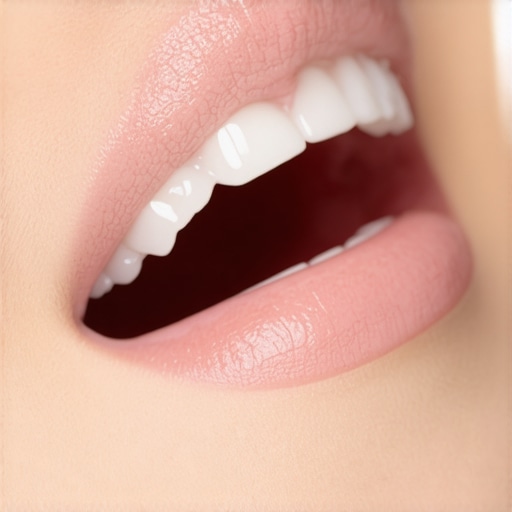
Advanced photodynamic whitening technology in action, with specialized light sources activating targeted agents for enhanced stain removal.
Can Personalized Microbiome Management Influence Long-Term Whitening Results?
Recent breakthroughs suggest that the oral microbiome plays a pivotal role in the stability of dental aesthetics. A balanced microbial environment inhibits the formation of extrinsic stains and reduces plaque accumulation, which can obscure whitening effects. Proactive management through probiotics and targeted antimicrobial therapies tailored to individual microbiome profiles can create a protective biofilm that supports sustained brightness. This personalized approach is gaining traction, supported by research in the Journal of Dental Research.
What Are the Practical Steps for Integrating Microbiome Optimization into Routine Dental Care?
Integrating microbiome management involves routine microbial assessments, personalized probiotic regimens, and dietary counseling to foster beneficial bacteria. Dentists are now adopting chairside testing kits to analyze microbial diversity, enabling tailored interventions that support both oral health and aesthetic longevity. Combining these strategies with professional cleanings and advanced whitening techniques offers a comprehensive pathway to maintaining dazzling smiles over the long term. For a deeper dive into personalized dental care, consult with your dental professional or visit our website for expert guidance.
Unlocking the Potential of Enamel Remineralization for Sustained Whitening Outcomes
Innovative remineralization strategies, including the application of nano-hydroxyapatite and casein phosphopeptide-amorphous calcium phosphate (CPP-ACP), have transformed the landscape of dental whitening. These bioactive agents help restore mineral content to demineralized enamel, thereby enhancing resistance to future stains and sensitivity. Recent clinical trials, such as those documented in the Journal of Dental Research, underscore their efficacy in maintaining long-term aesthetic results without compromising enamel integrity.
The Interplay of Salivary Composition and Whitening Persistence
Emerging research emphasizes how individual variations in salivary composition influence the longevity of whitening effects. Saliva rich in calcium, phosphate, and buffering agents facilitates natural remineralization, counteracting demineralization caused by bleaching agents. Customizing post-treatment oral care routines based on salivary diagnostics—such as targeted fluoride varnishes or remineralizing rinses—can significantly extend the durability of a bright smile, as supported by studies in International Journal of Oral Science.
Advanced Photodynamic Activation: A Paradigm Shift in Stain Removal
Photodynamic therapy (PDT) is increasingly integrated into whitening protocols to activate specialized agents with precise light wavelengths. This process results in deeper pigment breakdown, reducing the need for high-concentration chemicals and minimizing enamel stress. The controlled application of PDT, as advocated by the American Dental Association, offers a promising avenue for achieving superior, durable whitening with fewer adverse effects.
Harnessing the Power of Oral Microbiome Management in Aesthetic Longevity
The role of the oral microbiome in maintaining dental aesthetics is gaining recognition. A balanced microbial environment inhibits extrinsic stain formation and plaque accumulation, crucial for preserving whitening results. Incorporating probiotics and microbiome-targeted therapies, tailored via chairside microbial assessments, can reinforce the natural defenses of enamel. This personalized approach, detailed in recent research articles, exemplifies the future of holistic dental care.
What Are the Practical Strategies to Integrate Microbiome Optimization into Routine Dental Maintenance?
Implementing microbiome management involves regular microbial profiling, personalized probiotic regimens, and dietary modifications to foster beneficial bacteria. Dental practitioners are increasingly utilizing chairside testing kits to analyze microbial diversity, enabling targeted interventions that bolster enamel health and aesthetic stability. Combining these strategies with consistent professional cleanings and advanced whitening techniques creates a resilient barrier against discoloration, fostering enduring brightness. To explore personalized oral health solutions, consult your dental professional or visit our comprehensive guide online.
Enamel Preservation Techniques in High-Intensity Whitening Procedures
Protecting enamel during aggressive whitening remains paramount. The application of nano-hydroxyapatite particles and bio-mimetic remineralizing agents before and after bleaching sessions has demonstrated significant efficacy in recent studies. These materials reinforce enamel microstructure, reduce sensitivity, and prevent demineralization, ensuring long-term aesthetic results. As highlighted in the Journal of Dental Research, integrating such bioactive compounds into whitening protocols signifies a leap toward minimally invasive, durable cosmetic dentistry.
The Role of Salivary Diagnostics in Customizing Whitening Maintenance
Salivary analysis provides invaluable insights into individual remineralization capacity and susceptibility to staining. High levels of calcium, phosphate, and buffering capacity correlate with enhanced natural defense mechanisms. Tailoring oral hygiene products—like fluoride varnishes and remineralizing rinses—based on these diagnostics can prolong whitening benefits. Embracing this personalized approach aligns with the evolving paradigm of precision dentistry, as evidenced by recent research in International Journal of Oral Science.
Innovative Light-Activated Technologies for Superior Stain Removal
Light-based activation methods, such as laser and LED systems, have evolved to deliver targeted energy that intensifies the action of whitening agents while safeguarding enamel. These technologies enable deeper stain penetration and faster results, reducing chemical exposure. The controlled parameters and specific wavelengths used in these systems, endorsed by the American Dental Association, exemplify the integration of precision engineering into aesthetic dentistry.
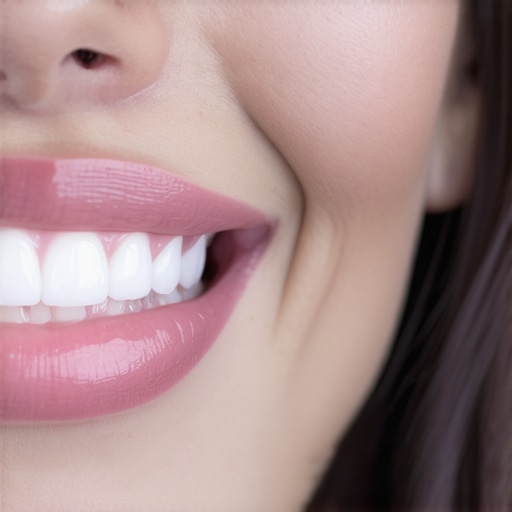
Illustration of advanced light-activated whitening technology showing laser and LED systems in action, emphasizing precision and safety.
Expert Insights & Advanced Considerations
1. Microstructural Optimization Enamel microstructure modifications can significantly enhance bleaching outcomes, emphasizing the need for personalized treatment plans based on enamel porosity and mineral content.
Understanding individual enamel characteristics allows clinicians to tailor whitening protocols, utilizing nanotechnology-based agents that minimize enamel disruption and maximize pigment removal.
2. Minimally Invasive Synergy Integrating whitening with minimally invasive procedures like veneers and Invisalign creates harmonious aesthetic results while preserving natural tooth structure.
Such combined approaches require precise planning and understanding of biological interactions to achieve durable, natural-looking smiles.
3. Enamel Preservation Innovations Bioactive agents like nano-hydroxyapatite and CPP-ACP are transforming enamel protection during whitening, reducing sensitivity and ensuring long-term integrity.
Incorporating these agents into protocols supports both aesthetic goals and enamel health, aligning with minimally invasive dentistry principles.
4. Salivary Diagnostics and Personalization Salivary composition analysis offers insights into individual remineralization capacity, enabling personalized post-whitening care regimens.
This approach enhances the longevity of whitening results and promotes overall oral health, exemplifying precision dentistry in practice.
5. Light-Activated and Microbiome-Targeted Therapies Emerging technologies such as photodynamic activation and microbiome management are pushing the boundaries of efficacy and safety in aesthetic treatments.
These innovations facilitate deeper stain removal with fewer adverse effects, paving the way for more sustainable aesthetic outcomes.
Curated Expert Resources
- Journal of Dental Research: Offers in-depth studies on enamel microstructure and bioactive agents, crucial for evidence-based advancements.
- American Dental Association (ADA): Provides comprehensive guidelines and latest protocols on light-activated whitening and minimally invasive procedures.
- International Journal of Oral Science: Features research on salivary diagnostics and personalized dental care, vital for tailoring long-term strategies.
- PubMed Central: Houses a vast repository of peer-reviewed articles on emerging technologies like photodynamic therapy and microbiome management.
Final Expert Perspective
In the evolving landscape of advanced teeth whitening, integrating cutting-edge science with personalized care remains paramount. Emphasizing enamel microstructure, protective bioactives, and innovative therapies not only enhances aesthetic outcomes but also safeguards long-term dental health. As a professional in this field, continuous engagement with authoritative resources like the Journal of Dental Research and the American Dental Association is essential for staying at the forefront of these advancements. Your commitment to evidence-based, minimally invasive, and personalized dentistry will shape the future of smile enhancement. For those seeking to deepen their expertise or contribute insights, exploring these resources and sharing knowledge can foster a collaborative approach toward achieving optimal patient outcomes. Remember, the pursuit of excellence in dental aesthetics is an ongoing journey—embrace innovation, prioritize integrity, and lead with expertise.”},
Leave a Reply