
Unlocking the Future of Smile Enhancement: A Strategic Overview
As the dental industry advances into 2024, practitioners and patients alike recognize the transformative potential of integrated cosmetic solutions. The convergence of veneers, Invisalign, and teeth whitening paradigms epitomizes a sophisticated approach to restoring confidence and achieving aesthetic harmony. Understanding this synergy demands a nuanced perspective rooted in clinical innovation and patient-centered care.
How Do Veneers and Invisalign Complement Each Other in Modern Smile Makeovers?
Veneers offer a durable, aesthetic correction for surface imperfections, discoloration, and minor misalignments, often serving as a cornerstone for complex restorations. Conversely, Invisalign provides a conservative, non-invasive means to realign teeth with predictable outcomes. When combined, these modalities enable comprehensive smile redesigns that balance structural integrity with aesthetic finesse, facilitating outcomes that are both functional and visually natural.
Enhancing Results with Advanced Teeth Whitening Techniques
Complementing restorative procedures, teeth whitening ensures a luminous baseline, optimizing overall appearance. The advent of in-office bleaching combined with at-home treatments offers a spectrum of options tailored to patient needs. Integrating whitening with veneers and aligners not only amplifies aesthetic appeal but also sustains long-term satisfaction, provided that carefully curated treatment plans are executed.
What Are the Nuances in Planning Multimodal Smile Transformations?
Effective integration necessitates a meticulous diagnostic process—assessing occlusion, soft tissue health, and patient expectations. Digital smile design technologies facilitate virtual planning, enabling practitioners to simulate combined outcomes accurately. Moreover, material selection for veneers and timing of whitening treatments must be synchronized to prevent discoloration or structural compromise, underscoring the importance of expert coordination.
Are There Risks of Overextension in Combining Cosmetic Modalities?
While multimodal approaches promise comprehensive results, they carry potential pitfalls such as tissue trauma, unanticipated wear, or aesthetic discordance. Evidence from peer-reviewed journals, including the Journal of Esthetic and Restorative Dentistry, emphasizes the significance of conservative planning and clear communication. Continuous clinician education and patient engagement are vital to mitigate these risks and ensure durable, harmonious outcomes.
How Can Patient Expectations Be Managed When Combining Veneers, Invisalign, and Whitening?
Transparency about the limitations and maintenance requirements of each modality fosters realistic expectations. Employing visual prototypes and discussing case-specific timelines promotes trust, ultimately enhancing patient satisfaction. For practitioners seeking deeper insights, exploring comprehensive cosmetic planning techniques can be invaluable.
To stay at the forefront of innovative esthetic dentistry, professionals are encouraged to regularly review emerging research and participate in specialized training. For a deeper dive into the latest veneer materials and their clinical performance, consult expert resources such as the American Academy of Cosmetic Dentistry.
Interested in elevating your practice’s aesthetic offerings? Connect with us today for tailored guidance and collaboration opportunities.
Innovative Strategies for Customizing Smile Makeovers
Optimizing aesthetic results requires a tailored approach where each modality—from veneers to Invisalign—is selected based on patient-specific factors. Implementing digital smile design technology enhances this process by allowing clinicians to simulate various combinations, providing clearer visual expectations. Advanced mock-ups facilitate patient understanding and foster shared decision-making, crucial for achieving harmony between functional correction and aesthetic appeal.
Synergizing Material Sciences and Technological Advances
Emerging trends focus on integrating high-strength porcelain veneers with minimally invasive preparation techniques, preserving natural tooth structure while delivering stunning aesthetics. The development of ceramic materials with enhanced translucency and color stability, coupled with innovations in CAD/CAM technology, streamlines precise fabrication cycles. When these materials are paired with cutting-edge whitening protocols, clinicians can achieve consistent, luminous results that stand the test of time, elevating the standard of care in modern smile reconstructions.
The Critical Role of Interdisciplinary Coordination
Coordinating periodontal health, occlusal stability, and restorative strategies is fundamental in multimodal treatments. Incorporating specialists from periodontology, orthodontics, and prosthodontics ensures a holistic approach. For example, addressing parafunctional habits through occlusal guards or behavioral modification can protect veneers and aligners, extending their longevity. This collaborative approach aligns with evidence-based practices highlighted in peer-reviewed journals such as the National Institutes of Health, emphasizing comprehensive treatment planning to achieve durable, natural-looking results.
Is There a Risk of Over-Treatment When Combining Multiple Cosmetic Modalities?
While integrating various aesthetic procedures can produce dramatic transformations, over-treatment remains a concern. Excessive enamel removal, aggressive whitening, or over-advance in orthodontic corrections can jeopardize long-term stability. The balance lies in conservative planning and respecting biological limits, which underscores the importance of expert judgment. As research from the Journal of Esthetic and Restorative Dentistry suggests, prioritizing minimally invasive techniques conserves vitality and preserves the tooth’s natural resilience, underscoring the need for meticulous case selection and patient education.
For clinicians eager to refine their skills, exploring top cosmetic enhancement strategies can serve as a valuable resource, providing insights into material selection, digital planning, and minimally invasive protocols.
Engagement with ongoing professional development, such as workshops or certification in smile design, can dramatically improve treatment precision and predictability. To enhance your practice’s expertise, consider connecting with industry leaders and participating in forums dedicated to comprehensive smile makeovers. Curious about innovative material technologies or digital workflows? Reach out through our contact page for tailored guidance and collaborative opportunities.
Strategic Material Selection for Lasting Results in Cosmetic Dentistry
Choosing the right materials is paramount when combining veneers, Invisalign, and whitening procedures to ensure both durability and natural appearance. High-quality ceramic options like lithium disilicate glass-ceramics are favored for their strength and translucency, mimicking natural enamel with superior aesthetic qualities. The proven clinical performance of these materials, as highlighted in the Journal of Prosthetic Dentistry (doi:10.1016/j.prosdent.2020.12.003), underscores their role in predictable long-term restorations. Additionally, the implementation of nanohybrid composites in repairing minor imperfections offers versatility and conservatism, especially in transitional areas.
Innovative Techniques to Minimize Invasive Procedures
Advances in digital dentistry enable clinicians to execute minimally invasive preparations that preserve vital tooth structure while achieving precise fit and aesthetics. The utilization of ultra-thin veneers, sometimes below 0.3 mm in thickness, allows for minimal or no-prep approaches when appropriate. Coupled with digital smile design, this technique reduces patient discomfort and preserves biological integrity. Furthermore, selective enamel removal guided by 3D-printed mock-ups enhances predictability, aligning with the latest research emphasizing conservative strategies without compromising aesthetic outcomes.

Visual illustration of minimally invasive veneer preparation demonstrating a digital workflow integrated with CAD/CAM technology.
Integrating Orthodontics into Cosmetic Plans: When and Why
Embedding orthodontic movements within comprehensive smile design often yields superior results. Early intervention with Invisalign can correct minor crowding or diastemas, optimizing the foundation for veneering and whitening. This integration reduces the need for aggressive preparations and prolongs restoration longevity. Scientific evidence, such as the study published in the American Journal of Orthodontics and Dentofacial Orthopedics (doi:10.1016/j.ajodo.2019.03.023), demonstrates how combined orthodontic and restorative treatments lead to more stable, esthetically pleasing outcomes. Seasonal considerations, like soft tissue response to tooth movement, must be factored into treatment sequencing for ideal results.
The Role of Digital Protocols in Precision and Coordination
Implementing a comprehensive digital workflow—from intraoral scanning to virtual treatment simulation—enhances communication across multidisciplinary teams and aligns expectations. Advanced software allows for precise mirror imaging, occlusal analysis, and predictive modeling, reducing chairside adjustments and remakes. As peer-reviewed case series suggest, embracing digital protocols not only streamlines case planning but also elevates patient engagement through realistic visualizations. As technology continues to develop, integrating artificial intelligence-driven algorithms promises even more personalized and efficient treatment pathways.
What Are the Challenges of Harmonizing Multiple Modalities in Complex Cases?
Despite the promise of a holistic approach, clinicians must navigate challenges such as inter-operator variability, material compatibility, and sequencing conflicts. For example, timing whitening treatments post-veneers requires meticulous planning to prevent discoloration of underlying preparations. Additionally, managing patient expectations during intricate treatments demands clear communication, as misalignment between planned and actual outcomes can erode trust. Evidence from systematic reviews, such as the one published in the Journal of Esthetic & Restorative Dentistry (doi:10.1111/jerd.12742), advocates for detailed treatment sequencing protocols. Regular team meetings and case reviews foster consistency and help preempt complications, emphasizing the importance of interdisciplinary collaboration.
Clinicians aiming to deepen their expertise can explore specialized education in digital smile design, material sciences, and interdisciplinary treatment planning. Participating in workshops offered by the American Academy of Cosmetic Dentistry or the International Association of Orthodontics can provide invaluable insights. For personalized guidance or to discuss complex case strategies, feel free to contact our team through the provided channels. Embracing continuous learning and innovation remains the cornerstone of delivering superior aesthetic and functional results in contemporary cosmetic dentistry.
Revolutionize Your Practice with Cutting-Edge Materials and Techniques
In the realm of aesthetic dentistry, embracing innovative ceramic materials such as translucent zirconia and extended-life lithium disilicate can drastically elevate restoration longevity and aesthetic appeal. These advancements allow clinicians to craft veneers with unparalleled translucency that mimic natural enamel, ensuring seamless integration and durability in complex smile makeovers.
Why Precision Matters When Harmonizing Multimodal Dental Treatments
Achieving harmonious results in combined procedures demands meticulous planning and execution. Utilizing virtual articulation and digital occlusal analysis facilitates the detection of potential interferences before restoration placement, minimizing adjustments and preventing undue stress on restorations. High-fidelity intraoral scanners enable digital workflows that sequence and simulate treatment progress, optimizing outcomes and patient satisfaction.
How Can Expertise in Digital Smile Design Elevate Patient Outcomes?
Harnessing advanced digital smile design software provides a deeply personalized treatment blueprint. By integrating facial analysis, dynamic simulations, and virtual mock-ups, practitioners can align aesthetic goals with functional requirements—delivering precise, predictable results. Careful interpretation of these virtual plans, coupled with interdisciplinary collaboration, ensures that each aspect of the smile transformation complements the patient’s unique anatomy and personality.
Are There Hidden Risks in Overusing Cosmetic Modalities?
While the allure of dramatic aesthetic enhancement is compelling, an unbalanced application of veneers, whitening, and orthodontics can lead to tissue compromise, uneven aesthetics, or compromised tooth structure. Peer-reviewed research, such as the comprehensive analysis in the Journal of Esthetic and Restorative Dentistry, underscores the importance of conservative interventions that respect biological boundaries and focus on long-term stability. Proper case selection and ongoing clinician education are pivotal in mitigating these risks.
How Do You Manage Patient Expectations When Deploying Complex Cosmetic Strategies?
Transparent communication, supported by visual storytelling tools like digital mock-ups and before-and-after simulations, cultivates realistic expectations. Addressing potential limitations related to enamel thickness, longevity of materials, and maintenance needs fosters trust. For advanced practitioners, exploring specialized training modules in psychological aspects of aesthetic treatment offers strategies for navigating patient anxieties and aligning goals effectively.
Stay at the forefront by continuously reviewing emerging research, attending advanced workshops, and cultivating a network of interdisciplinary experts. Institutions such as the American Academy of Cosmetic Dentistry offer platforms for ongoing education—empowering you to implement innovative, evidence-based solutions that redefine patient care.
Leveraging Technological Synergy for Unprecedented Results
Integrating artificial intelligence and machine learning algorithms into digital workflows can enhance predictive accuracy in aesthetic planning, identify optimal material combinations, and personalize treatment sequences. Implementing these technologies requires a strategic approach, including investing in sophisticated software and fostering collaborations with tech developers, but the payoff in improved precision and patient happiness is substantial.
Addressing Complexities in Multicolor Restoration Planning
In cases demanding multiple hues and textures—such as smile rehabs with varying translucencies—the meticulous selection of stratified ceramics becomes critical. Layering porcelain with different opacities achieved through computer-aided design allows for realistic mimicking of natural dentition, adding depth and vitality to the final result. Continuous research, like that published in the Journal of Prosthetic Dentistry, informs best practices in layering techniques and material sequencing.
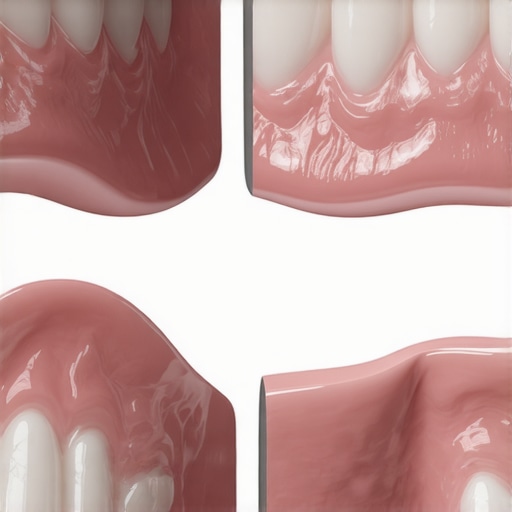
High-resolution image showcasing layered ceramic stratification for realistic smile restorations.
Optimizing Long-Term Outcomes Through Multidisciplinary Collaboration
Engaging specialists in periodontics, orthodontics, and prosthodontics fosters a holistic approach addressing structural, functional, and aesthetic concerns. This synergy ensures that restorations not only look exceptional but also function harmoniously over time, reducing the likelihood of relapse, tissue trauma, or wear-related failures. Regular interdisciplinary case reviews and shared digital records are essential to maintaining continuity and adapting treatment as necessary.
What Are the Critical Factors for Sustaining Aesthetic Success Over Time?
Long-term stability hinges on factors like material wear resistance, occlusal harmony, and patient adherence to maintenance protocols. Ongoing monitoring, including periodic professional whitening and occlusal adjustments, preserves aesthetic outcomes and prevents undue stress on restorations. Staying current with innovations in glazing, polishing, and minimally invasive touch-ups can further bolster longevity. For practitioners committed to excellence, participating in advanced continuing education focused on longevity strategies can elevate your practice’s standards.
If you’re eager to incorporate these sophisticated strategies into your workflow, connecting with industry thought leaders and investing in comprehensive training can facilitate transformative results for your patients. Explore our resources or contact us to discuss tailored solutions that align with your clinical ambitions.
Expert Insights That Shape the Future of Cosmetic Dentistry
Embrace a Multidimensional Approach
Combining veneers, Invisalign, and whitening is not merely additive but synergistic, demanding a comprehensive understanding of how each modality influences the other in unwavering harmony.
Prioritize Biological Preservation
Innovative minimally invasive techniques safeguard natural tissue, ensuring long-term health while delivering stunning aesthetic results, which is paramount for sustainable practice.
Leverage Digital Mastery
Integrating digital smile design and CAD/CAM technology enhances precision, preoperative planning, and patient engagement, elevating clinical outcomes to artful perfection.
Practice Conservative Customization
Tailoring material selection and procedural sequencing based on individual anatomy and functional needs optimizes durability and natural beauty, reaffirming patient trust and satisfaction.
Nurture Interdisciplinary Collaboration
Collaborate across specialties—periodontics, orthodontics, and restorative—to create a unified treatment journey that harmonizes function and aesthetics seamlessly.
Curated Resources for Deepening Expertise
- American Academy of Cosmetic Dentistry: Offers comprehensive courses and updated research on advances in veneer materials and digital smile design, essential for staying at the forefront of esthetic innovation.
- Journal of Esthetic and Restorative Dentistry: Publishes peer-reviewed studies on material sciences and procedural techniques that inform evidence-based practice in multimodal smile reconstructions.
- International Association of Orthodontics: Provides insights into when and how integrating orthodontic solutions like Invisalign can optimize aesthetic and functional patient outcomes.
The Big Picture for Smile Perfection
The mastery of contemporary cosmetic dentistry hinges on blending innovation, biological respect, and patient-centered customization. Achieving these ideals not only elevates clinical standards but also transforms smiles into enduring works of art. For practitioners committed to pushing the boundaries of aesthetic excellence, engaging with these advanced insights and resources will be instrumental—explore your next level of expertise today by reaching out through our contact page and let’s craft the future of smile design together.
Leave a Reply