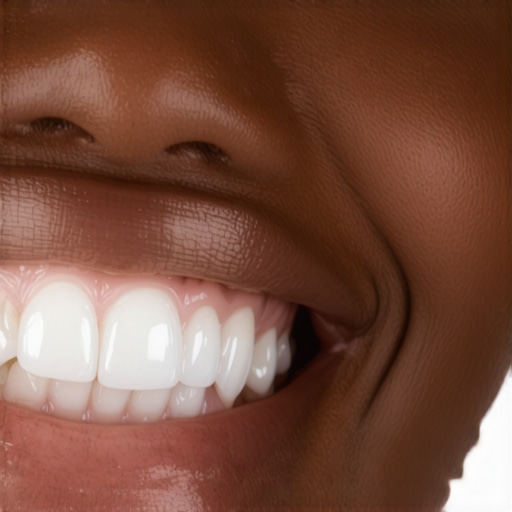
Unlocking the Future of Smile Enhancement: A Deep Dive into Teeth Whitening & Veneers in 2024
As dental professionals and enthusiasts increasingly seek sophisticated, evidence-based methods for smile transformation, understanding the intersection of emerging technologies and traditional techniques becomes paramount. In 2024, the focus shifts from superficial whitening to comprehensive aesthetic solutions that integrate minimally invasive procedures, biocompatible materials, and personalized treatment plans, all rooted in a deep understanding of dental biomechanics and cosmetic science.
The Complexity of Modern Smile Aesthetics: Beyond the Surface
Contemporary smile enhancement transcends basic whitening or veneer placement. It involves a meticulous analysis of facial symmetry, gingival architecture, and occlusal dynamics. For instance, the advent of digital smile design (DSD) allows clinicians to simulate outcomes with unprecedented precision, aligning patient expectations with achievable results. This technology, supported by AI-driven imaging, enhances predictability and patient satisfaction, setting a new standard in aesthetic dentistry.
Optimizing Teeth Whitening in the Era of Enamel Preservation
Effective teeth whitening in 2024 hinges on balancing potency with enamel integrity. Clinicians now favor advanced bleaching agents containing lower peroxide concentrations, complemented by innovative delivery systems such as LED or laser activation that maximize efficacy while minimizing sensitivity. Moreover, pre-treatment assessments utilizing quantitative light-induced fluorescence (QLF) enable precise evaluation of enamel condition, tailoring whitening protocols to individual biochemistry. This personalized approach reduces adverse effects and enhances long-term results.
Veneers: Material Science and Minimal-Invasive Techniques
Porcelain and composite veneers have evolved, with nanoceramic materials offering superior translucency and durability. The trend toward ultrathin, no-prep veneers emphasizes minimally invasive techniques that preserve natural tooth structure while achieving dramatic aesthetic improvements. When combined with digital planning and additive manufacturing processes, such as 3D printing, clinicians can now produce highly customized veneers with exceptional fit and aesthetics, reducing chair time and improving patient comfort.
What Are the Most Effective Strategies for Ensuring Long-Term Stability of Veneers and Whitened Teeth?
Ensuring longevity involves meticulous patient education on maintenance, including the use of non-abrasive whitening toothpaste and dietary modifications to prevent staining. Regular professional check-ups and the application of protective sealants further safeguard restorative materials. Advances in bioactive glass coatings also offer potential in reducing plaque accumulation and secondary caries, extending the lifespan of aesthetic restorations.
For comprehensive insights into integrating these techniques into a cohesive smile makeover, explore our detailed guide on complete smile makeover strategies. Engaging with expert content and sharing clinical experiences can accelerate mastery in this evolving field.
According to recent publications in the Journal of Esthetic and Restorative Dentistry, the synergy of digital planning with biomimetic materials enhances both aesthetic outcomes and functional stability, underscoring the importance of multidisciplinary approaches in 2024.
Revolutionizing Long-Term Smile Stability: Are We Ready for the Next Leap?
In the rapidly evolving field of aesthetic dentistry, ensuring the durability of veneers and whitened teeth remains a paramount concern for clinicians and patients alike. While advancements in materials and techniques have significantly improved outcomes, the question persists: What are the most effective strategies to guarantee long-term stability of these cosmetic enhancements in 2024?
How Can Digital Monitoring and Preventive Care Transform Longevity?
Modern digital tools, such as intraoral scanners and AI-powered maintenance apps, enable continuous monitoring of the oral environment, allowing for early detection of wear or staining. This proactive approach, combined with tailored patient education on dietary habits and oral hygiene, creates a resilient foundation for long-term success. Additionally, innovations like bioactive glass coatings not only bolster the resistance of veneers to plaque and decay but also facilitate remineralization of adjacent enamel, thus extending restoration lifespan.
For a comprehensive understanding of integrating these innovations into daily practice, explore our guide on complete smile makeover strategies that emphasize durability and patient satisfaction.
What Are the Implications of Biomechanical Optimization on Smile Longevity?
Biomechanical considerations, including occlusal harmony and load distribution, significantly influence the longevity of cosmetic restorations. By employing digital occlusal analysis and customized night guards, dentists can mitigate undue stress on veneers and whitened teeth, preventing fractures or detachment over time. Moreover, the adoption of minimally invasive procedures preserves natural tooth structure, reducing vulnerability to future damage.
As highlighted in recent publications in the Journal of Esthetic and Restorative Dentistry, multidisciplinary approaches that encompass material science, digital design, and biomechanical principles are shaping a new standard for durable smile transformations in 2024.
Share your thoughts or experiences with long-term smile stability in the comments below, and don’t forget to check out our detailed article on effective strategies for maintaining whitening results to reinforce your treatment longevity.
Harnessing the Power of Advanced Adhesive Technologies for Enhanced Bond Durability
One of the most critical factors influencing the longevity of veneers and whitened teeth is the quality of adhesion. Recent developments in adhesive dentistry, such as the integration of nanotechnology-based bonding agents, have significantly improved bond strength and resistance to degradation over time. These adhesives facilitate a stronger chemical bond to both natural enamel and restorative materials, reducing the risk of microleakage and secondary caries, which are common culprits in restoration failure.
Moreover, the application of universal adhesives that are compatible with multiple substrates simplifies the clinical workflow while ensuring consistent results. The use of dual-cure or light-cure adhesives tailored for specific materials enhances polymerization depth and stability, directly translating into improved long-term outcomes. Incorporating these advanced adhesives into your practice demands a thorough understanding of their properties, application protocols, and compatibility with various restorative materials, emphasizing the importance of continuous professional development in adhesive science.
Innovations in Digital Occlusal Analysis and Its Role in Preventing Restoration Failures
Occlusal harmony is a fundamental component in ensuring the durability of aesthetic restorations. Traditional methods relied heavily on manual adjustments and subjective assessments, often leading to overlooked occlusal interferences. Today, digital occlusal analysis tools, such as T-Scan systems, provide real-time, quantifiable data on bite force distribution and contact timing, enabling precise adjustments that minimize undue stress on veneers and whitened teeth.
Implementing these technologies allows clinicians to identify and correct occlusal discrepancies before they manifest as fractures or detachment. Additionally, integrating these tools with CAD/CAM planning software facilitates a comprehensive approach to smile design, where biomechanical considerations are embedded from the outset. As research in this field advances, the potential for AI-driven predictive modeling of occlusal stress patterns promises to further optimize long-term stability and patient satisfaction.
Addressing Nuanced Challenges: The Impact of Parafunctional Habits on Restorative Longevity
Parafunctional habits such as bruxism and clenching present persistent challenges to the longevity of aesthetic restorations. These habits exert excessive occlusal forces that can compromise the integrity of veneers and whitened teeth, leading to fractures, chipping, or detachment despite high-quality materials and meticulous planning. To counteract these effects, a multidisciplinary approach is essential.
Recent innovations include the design of customized occlusal splints using digital workflows, which not only mitigate destructive forces but also serve as diagnostic tools to identify severity and patterns of parafunctional activity. Furthermore, incorporating biomimetic materials with enhanced fracture toughness and resilience—such as hybrid composites or zirconia-based ceramics—provides added resistance against mechanical stress. Patient education remains crucial; informing patients about the implications of parafunctional habits and encouraging behavioral modifications can significantly extend restoration lifespan. For complex cases, collaboration with sleep medicine specialists or neurologists may be necessary to address underlying issues like sleep apnea or stress-related bruxism, ensuring comprehensive care and optimal outcomes.
Harnessing Cutting-Edge Biomechanical Strategies for Maximal Restoration Longevity
In the pursuit of enduring aesthetic outcomes, the integration of sophisticated biomechanical principles has become indispensable. Digital occlusal analysis, using tools such as T-Scan, enables clinicians to quantify bite forces and contact timings with unparalleled precision, facilitating adjustments that distribute occlusal loads evenly. This meticulous approach mitigates the risk of veneer fractures and whitening failures caused by uneven force distribution, especially in patients with parafunctional habits.
Innovative Material Science: The Rise of Bioactive and Resilient Restoratives
Recent advances in biomimetic materials—such as bioactive glass ceramics and hybrid composites—offer enhanced resistance to mechanical stress and promote remineralization of adjacent enamel. These materials, characterized by superior fracture toughness and aesthetic translucency, serve as formidable defenses against the rigors of daily function, thus extending the lifespan of restorations even in challenging clinical scenarios.
How Can Digital Monitoring and AI-Driven Maintenance Elevate Longevity?
Emerging digital platforms equipped with AI algorithms facilitate continuous, real-time monitoring of oral health parameters. Intraoral scanners and wear sensors can detect early signs of restoration wear or staining, prompting preemptive interventions. Coupled with personalized oral hygiene protocols and dietary counseling, these innovations foster a proactive maintenance culture, significantly reducing the incidence of restoration failure.
What Are the Strategic Benefits of Multidisciplinary Collaboration?
Addressing complex cases involving parafunctional habits or occlusal discrepancies often requires collaboration across specialties. Sleep medicine experts, neurologists, and orthodontists contribute to a comprehensive treatment plan that targets root causes—such as sleep apnea or malocclusion—thereby alleviating excessive forces on restorations. This holistic approach not only preserves aesthetic results but also improves overall oral health and patient quality of life.
Can External Evidence Reinforce Best Practices for Long-Term Outcomes?
Indeed, authoritative sources such as the Journal of Dental Research emphasize that the convergence of biomechanical optimization, advanced materials, and digital technologies significantly enhances the durability of aesthetic restorations. Embracing these evidence-based practices is crucial for clinicians committed to delivering longevity and excellence in cosmetic dentistry.
Explore these innovative strategies further to elevate your clinical outcomes and ensure your patients enjoy radiant smiles that stand the test of time. Stay ahead of the curve by integrating multidisciplinary insights and state-of-the-art technologies into your practice today!
Expert Insights & Advanced Considerations
1. Emphasize the Role of Digital Smile Design in Predictability
Digital smile design (DSD) integrates advanced imaging and AI algorithms, enabling clinicians to visualize and simulate outcomes before treatment begins. This technology minimizes unpredictability and aligns patient expectations with achievable results, significantly enhancing long-term satisfaction.
2. Prioritize Biomechanical Optimization to Distribute Occlusal Forces
Utilizing digital occlusal analysis tools like T-Scan allows for precise adjustments, ensuring even load distribution across restorations. This reduces the risk of fractures or detachment, especially in patients with parafunctional habits such as bruxism.
3. Incorporate Bioactive and Resilient Materials for Enhanced Durability
Advances in biomimetic materials, including bioactive glass ceramics and hybrid composites, provide superior fracture toughness and promote remineralization, extending the lifespan of veneers and whitening treatments in challenging clinical scenarios.
4. Leverage AI-Driven Digital Monitoring for Proactive Maintenance
Emerging AI platforms and intraoral wear sensors facilitate real-time monitoring of restorations, enabling early detection of wear or staining. This proactive approach ensures timely intervention, preserving aesthetic and functional outcomes over the years.
5. Foster Multidisciplinary Collaboration for Complex Cases
Collaborating with sleep medicine specialists, neurologists, and orthodontists addresses underlying causes like sleep apnea or malocclusion. This holistic approach reduces undue stress on restorations, enhancing longevity and overall oral health.
Curated Expert Resources
- Journal of Dental Research: Offers peer-reviewed studies on biomechanical optimization, biomaterials, and digital technologies, providing evidence-based insights vital for advanced clinical practice.
- Dental Materials Journal: Focuses on innovations in restorative materials, including bioactive and resilient composites, crucial for extending restoration lifespan.
- American Academy of Cosmetic Dentistry (AACD) Resources: Provides guidelines and case studies on digital smile design and aesthetic treatments, fostering best practices in smile enhancement.
Final Expert Perspective
In 2024, the longevity of teeth whitening and veneer restorations hinges on integrating cutting-edge digital planning, biomechanical precision, and advanced biomaterials. Embracing multidisciplinary collaboration and AI-driven monitoring elevates treatment predictability and durability, ensuring patients enjoy lasting, radiant smiles. For practitioners aiming to stay at the forefront, continuous education through authoritative sources like the Journal of Dental Research and the AACD is essential. Explore comprehensive strategies at this resource, and share your insights to advance the field of aesthetic dentistry.
Leave a Reply