The best way to clean a retainer that has turned white and crusty
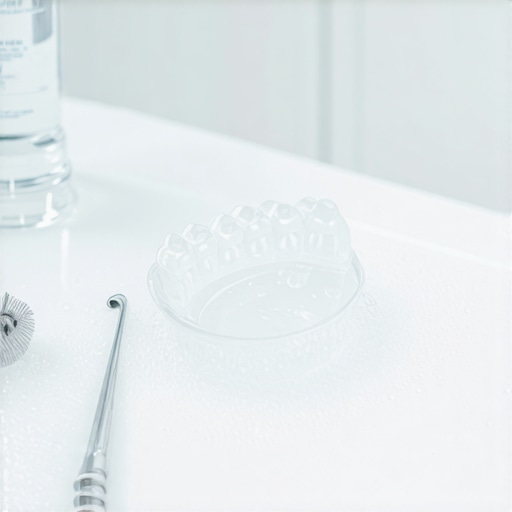
It was a morning like any other, until I caught my reflection and noticed my retainer looked more like a crusty, white relic from a bygone era than the sleek, transparent appliance I once cherished. That moment of realization hit me hard—how could something I relied on to keep my teeth aligned turn into such a stubborn, crusted mess? I’ve been there, frustrated and honestly a little grossed out.
The Hidden Battle with Retainer Grime
Retainers are lifelines for many of us. They keep our smiles straight and our confidence high. But over time, especially if not cleaned properly, they can turn into a breeding ground for bacteria, plaque, and mineral deposits. This buildup often manifests as a stubborn white crust or crusty film, making us question if our favorite dental device has betrayed us.
The truth is, I wasn’t alone in this struggle. Like countless others, I didn’t realize early on that simple habits and off-the-shelf solutions weren’t enough. I made the mistake of relying solely on brushing my retainer with water—big mistake. In fact, I learned that neglecting proper cleaning routines could lead to calcification, which is much harder to remove. This realization prompted me to dig deeper, experiment with different cleaning methods, and ultimately find what really works.
Today, I want to share my personal experience and guide you through effective, practical steps. Whether your retainer has turned white, crusty, or just doesn’t feel fresh anymore, I promise there’s a solution, and it’s simpler than you might think.
Is Over-the-Counter Cleaning Enough or Do You Need a Professional Solution?
Early on, I believed that some mild dish soap and a quick rinse would do the trick. Spoiler alert: it didn’t. I discovered that many DIY methods only scratch the surface. Professional cleaning treatments or specialized retainer cleaners can make a significant difference. But before rushing to the dentist, let’s explore some at-home hacks to get that crusty residue off and keep your retainer spotless.
If you’re tired of hiding your smile because of a crusty or cloudy retainer, stay tuned. We’re about to turn that crust into something sparkling clean and fresh—without breaking the bank or risking damage to your precious dental appliance. And if you want to learn more about maintaining overall oral health, be sure to check out [family dentistry tips for creating a healthy smile](https://smilegumcare.com/family-dentistry-tips-creating-a-healthy-smile-for-your-kids-at-0915). Are you ready to reclaim your clean, clear retainer and smile confidently again?
Gather Your Supplies and Prepare for Cleaning
Start by collecting a soft-bristled toothbrush, mild liquid soap or denture cleaner, white vinegar, baking soda, and a small bowl of warm water. I remember the first time I tried cleaning my crusty retainer, I grabbed my old toothbrush and dish soap — it was messy and ineffective. That experience taught me to gather the right tools before starting, ensuring a more thorough and less frustrating cleaning process.
Soak Your Retainer to Loosen Buildup
Place your retainer in a mixture of equal parts white vinegar and warm water, letting it soak for 15-20 minutes. The vinegar helps dissolve mineral deposits and kills bacteria, similar to how a lemon bath can refresh a fruit — but be cautious not to leave it too long to avoid damage. During my first soak, I noticed the crust loosened significantly, making scrubbing easier afterward.
Tip: Don’t use boiling water, as it can warp plastic or damage the design.
Scrub Away Residue Gently
After soaking, use your soft toothbrush to gently scrub all surfaces, especially hard-to-reach areas. Focus on any white crust or deposits, applying light pressure to avoid scratching the material. I once tried to scrub a crust off with a scouring pad — it was a disaster, scratching the retainer and making it look worse. Use the toothbrush and mild soap to lift off remaining debris smoothly.
Tip: Rinse your toothbrush thoroughly before using it on your retainer to prevent reintroducing bacteria.
Remove Stubborn Stains with Baking Soda Paste
For persistent stains or deposits, mix baking soda with a little water to form a paste, then apply it to your retainer and gently scrub. Baking soda works as a mild abrasive and deodorizer, much like in baking, but for your dental device. I applied this method during a cleaning session, and within minutes, the crusty white film was noticeably diminished, restoring clarity.
Tip: Avoid using harsh chemicals like bleach or alcohol-based cleaners, which can damage the retainer.
Rinse Thoroughly and Dry Properly
Finally, rinse your retainer under cool running water until all cleaning agents are removed. Pat it dry with a clean, soft towel and store it in a breathable container. During my last cleaning, I made sure to rinse extra well, preventing any lingering soap or vinegar from affecting my mouth. Proper drying reduces bacterial growth and keeps your retainer fresh longer.
Establish a Routine for Ongoing Maintenance
To prevent future crust buildup, clean your retainer daily and soak it weekly. Incorporate these steps into your dental hygiene routine, much like brushing twice a day and flossing regularly. By maintaining this discipline, you’ll prolong the clarity and effectiveness of your appliance, ensuring your smile stays on point.
Many people approach family dentistry, veneers, teeth whitening, and Invisalign with preconceived notions that can lead to misunderstandings and suboptimal results. Let’s dig deeper into these misconceptions and uncover some hidden nuances that even seasoned patients often overlook.
Believing All Dental Treatments Are Created Equal
While it’s tempting to think that a quick visit to the dentist promises uniform results, the reality is far more complex. For instance, veneer quality and customization vary significantly among providers, impacting longevity and aesthetics. Many assume that veneers are a one-size-fits-all solution or that teeth whitening provides permanent results, but expert insights reveal that tailored treatments and maintenance are crucial for sustained excellence. For details on how veneers can radically transform your smile, check out Veneers Made Simple.
How Do Advanced Technologies Influence Modern Treatments?
Advanced dental technologies, like digital smile design and 3D imaging, are revolutionizing patient outcomes. However, some practitioners overpromise results without leveraging these innovations appropriately, leading to disappointment. The key is understanding that these tools are aids—not magic bullets—and require professional expertise for optimal use. A study in the Journal of Dental Technology emphasizes that integrating digital tools with clinical skills yields more predictable, natural-looking results.
Myths About Teeth Whitening
Many believe that whitening is only about bleaching agents, but the process involves more nuanced considerations, such as enamel health, staining types, and longevity. Overuse of whitening products can damage enamel, especially if your teeth are thin or sensitive—a common mistake many make, risking irreversible harm. To learn about safe whitening strategies, visit Teeth Whitening Secrets.
What Are the Risks of Over-Whitening, and How Can You Minimize Them?
Excessive or improper whitening can cause increased sensitivity, enamel erosion, and even uneven coloration. The American Dental Association recommends customized treatment plans based on individual needs and enamel assessment. Consulting a professional ensures safety and durability of whitening effects, preventing costly corrections later.
Invisalign and the Truth About Discreet Braces
Invisalign and similar clear aligners are popular for their invisibility and convenience, but many overlook the importance of compliance and initial planning. Patients often underestimate the impact of wearing the aligners as prescribed; inconsistent use can prolong treatment or compromise results. Moreover, advanced malocclusions may require supplementary orthodontic interventions. For a comprehensive look at environmental and biological factors influencing Invisalign success, explore Invisalign Innovation 2025.
Are Clear Aligners Truly Invisible in All Conditions?
While marketed as discreet, aligners can become more noticeable with certain foods, drinks, or if not cleaned properly. Staining and clouding can diminish their invisibility, leading to unexpected reveal of treatment appliances. Proper hygiene and adherence to dietary guidelines are essential for maintaining their subtlety. Have you ever fallen into this trap? Let me know in the comments.Maintaining your dental appliances and cosmetic treatments requires the right tools and consistent routines. Personally, I swear by ultrasonic cleaners for retainers and veneers, as they provide a deep clean that manual brushing can’t match. For example, the *UltrasoniCleanse* device uses high-frequency vibrations to remove plaque, biofilm, and mineral deposits, effectively preventing crust build-up and prolonging the lifespan of devices like Invisalign trays and whitening trays. Incorporating such tools into your routine not only keeps appliances hygienic but also helps maintain the aesthetic outcomes of treatments like veneers and teeth whitening. As technology advances, we can predict a future where smart, app-connected ultrasonic cleaners could provide real-time monitoring of appliance cleanliness, making maintenance even more accessible.
How do I maintain my dental appliances over time?
Regular cleaning, proper storage, and periodic professional check-ups form the cornerstone of longevity. Use specialized cleaning solutions recommended by your dentist—avoiding harsh chemicals like bleach that can damage delicate materials. For instance, I prefer specialized retainer cleaning tablets, which I use weekly to prevent calcification, especially if I notice a white crust beginning to form. Additionally, setting a routine, such as nightly cleaning before bed, can drastically reduce plaque buildup and crust formation. For long-term results, I also schedule bi-annual visits with my dental care professional, who can perform more comprehensive cleanings and assessments. The importance of maintenance extends beyond appliances; it applies to whitening treatments and veneers, requiring diligent care to preserve their appearance and health benefits. For comprehensive guidance, exploring family dentistry tips can provide tailored strategies for your family’s unique needs (see our tips here). Adopting these practices today will set the stage for a radiant smile tomorrow, supported by advanced tools like professional-grade sonic toothbrushes and maintenance devices. Ready to upgrade your routine? Try using a sonic toothbrush equipped with a UV sanitizing mode—it’s a game-changer for dental appliance hygiene. Remember, consistent care with the right tools is the key to long-term brilliance.
Lessons That Changed My Approach to Smile Care
One of the most unexpected lessons I picked up was realizing how neglecting small details, like regular retainer cleaning, can undo months of orthodontic work. It’s easy to overlook routine maintenance, but these habits truly determine the longevity of treatments like Invisalign or veneers. I also discovered that investing in quality tools, such as ultrasonic cleaners, can save time and keep my appliances pristine without harsh chemicals. Another lightbulb moment was understanding that personalized dental routines, crafted with my dentist’s advice, outperform generic solutions—and this refinement has kept my smile vibrant for years. Lastly, patience and consistency are key; even the simplest daily effort can lead to a confident, radiant smile that lasts.