
The Best Way to Clean Your Tongue Without Gagging
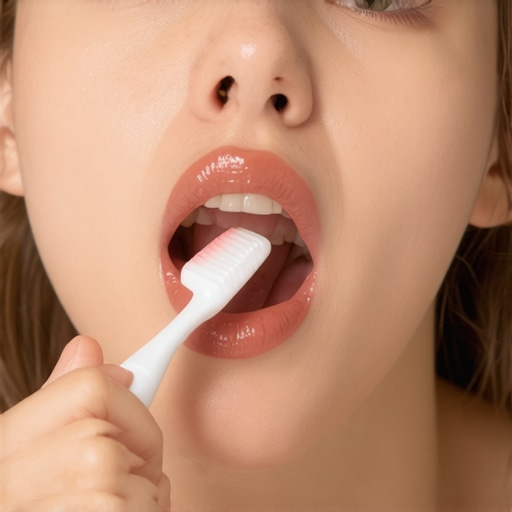
I remember the moment vividly. I was in the bathroom trying to complete my nightly oral routine, and my attempt to clean my tongue turned into an embarrassing gagging contest. It was frustrating—I knew I needed to do it for my health, but the sensation was unbearable. That lightbulb moment made me realize that there had to be a better way. If you’ve ever felt the same way, you’re not alone. Many of us struggle with that overwhelming gag reflex when attempting to clean our tongues, which can lead to neglecting this crucial step in oral hygiene.
The Hidden Challenge of Tongue Cleaning
Most people underestimate how important cleaning the tongue really is. It’s not just about freshening your breath; it’s about reducing bacteria and maintaining overall oral health. Yet, the gag reflex is a powerful barrier, often causing people to avoid or rush through tongue cleaning, leaving bacteria and debris to build up. Early on, I made the mistake of trying to force myself to sweep my tongue as hard as I could, thinking that more scrubbing meant cleaner results. Spoiler alert: that only intensified my discomfort and gagging. Later, I discovered that gentle, strategic techniques could make all the difference, turning a dreaded chore into a manageable routine. Want to learn how to clean your tongue effectively without the gag? Keep reading, and I’ll share proven tips that work for me—and can work for you too.
Is It Really Possible to Overcome the Gag Reflex?
At first, I doubted it. I thought my gag reflex was just something I had to accept. But I learned early on the hard way that a common mistake I made was using overly aggressive tools and techniques, which only heightened the gag response. Patience and the right approach are key. If you’ve tried everything and still struggle, don’t worry—I’ll guide you through gentle, proven methods that can help you reclaim this vital part of your oral care routine. Curious about what’s actually effective? I’ve found that incorporating specific tools and adjusting my technique made all the difference. For example, using a tongue scraper instead of a toothbrush can reduce the discomfort and make cleaning more efficient. If you’re eager to learn these tips, I invite you to visit [Family Dentistry Tips](https://smilegumcare.com/family-dentistry-tips-creating-a-healthy-smile-for-your-kids-at-0915) to get started on creating a healthy, confident smile for your whole family.
Switch to Gentle, Purposeful Scraping
During my early attempts, I used a stiff toothbrush and applied excessive pressure, which only intensified the gag reflex. I then transitioned to a dedicated tongue scraper, which I gently drew from back to front. This change was a game-changer—less discomfort, better results. The key is to use a tool designed for the tongue and to apply light pressure, mimicking the gentle motion of peeling a sticker without tearing it.
Pick the Right Tool and Technique
Choose a silicone or stainless steel tongue scraper for optimal contact and hygiene. Hold it at almost a 45-degree angle to your tongue’s surface. When you pull the scraper forward, avoid pressing hard—think of it like a soft stroke rather than a scrub. I remember the first time I did this, my gag reflex lessened significantly, and I could cover more of my tongue without discomfort.
Timing and Routine Integration
Integrate tongue cleaning into your daily routine—preferably after brushing your teeth. Like rinsing a dirty plate before washing it, removing debris from the tongue before mouthwash cleans the rest of your mouth ensures better overall freshness and health. Initially, I set a timer on my phone for 30 seconds, just enough to gently scrape the entire tongue surface. This consistency built a natural habit that became effortless over time.
Focus on the Back of the Tongue
The most bacteria accumulate at the back of the tongue, and it’s also where the gag reflex kicks in most strongly. To manage this, start with gentle strokes a bit further forward and gradually work your way back as you become more comfortable. I found that placing a mirror nearby helped me control my movements precisely during those delicate first attempts.
Stay Relaxed and Breathe Deeply
Stress and shallow breathing can heighten gag sensitivity. When I felt the gag reflex intensify, I would close my eyes, breathe deeply through my nose, and focus on relaxing my throat muscles. Over time, this mental shift decreased my gag response, making each session more effective and less stressful. Consistency is vital—don’t rush or force it; instead, aim for slow, controlled motions.
Use Complementary Techniques
Including a few rinses of warm salt water after scraping helps soothe the tongue and clear away loosened debris. Also, staying well-hydrated ensures the tongue remains moist, reducing irritability. Remember, patience is essential—my initial attempts were messy, with occasional gagging fits, but persistence paid off. In just a few weeks, I noticed my gag reflex diminished, and tongue cleaning became a quick, manageable part of my daily hygiene.
If you want tailored advice, consulting with a dental professional can offer personalized techniques and tools. For a comprehensive approach to oral health, including tongue cleaning, explore our guides on family dentistry tips and more.
Many people assume that teeth whitening, veneers, Invisalign, and family dentistry are straightforward solutions that don’t require much thought. However, this oversimplification often leads to costly mistakes and unmet expectations. As an expert in dental aesthetics and restorative procedures, I want to shed light on some common myths and advanced pitfalls that are rarely discussed but crucial to understand for long-term oral health.
First, the myth that over-the-counter whitening products are equally effective as professional treatments persists. While they may offer a quick fix, studies, including a comprehensive review in the Journal of Esthetic and Restorative Dentistry, reveal that DIY options often cause uneven results and heightened tooth sensitivity if misused. True, professional whitening uses high-concentration agents monitored by dentists, achieving predictable, safe results. Don’t fall for the trap of thinking that cheaper products deliver the same outcome.
Similarly, many believe veneers are a one-size-fits-all transformation, but the reality is more nuanced. Veneers do dramatically improve aesthetics, but improper assessment of tooth structure can lead to irreversible damage or uneven wear. For instance, insufficient enamel removal or opting for overly thin veneers without adequate technical planning can result in chips or a
Keeping It Working: Practical Tools for Lasting Results
Achieving a beautiful smile with teeth whitening, veneers, or Invisalign is just the first step; maintaining those results over time requires the right tools and techniques. Personally, I rely on specific equipment to ensure my dental treatments stay effective and durable. One of my top recommendations is a high-quality ultrasonic toothbrush, like the Sonicare DiamondClean. Its sonic vibration technology gently but thoroughly cleans teeth, reducing plaque buildup and preventing stain accumulation, which is vital for preserving whitening results. I also swear by using a water flosser, such as the Waterpik Aquarius, especially for cleaning around veneers and braces. Its pulsating stream reaches areas traditional floss may miss, ensuring a deep clean that protects your investment.
For my daily routine, I incorporate an LED whitening rinse, which contains carbamide peroxide at safe concentrations. This step helps maintain the brightness achieved through professional whitening or veneers, and according to recent dental literature, consistent low-level bleaching can prolong whitening effects significantly (source). To monitor my oral health, I use a mirror with a built-in LED light—simple but effective for checking in hard-to-see spots like the back molars—so I can catch and address issues early before they escalate.
How do I maintain my dental improvements over the long haul?
Living with dental enhancements like veneers or Invisalign requires consistent upkeep. Scheduling regular check-ups every six months is crucial; during these visits, I have my dentist examine the integrity of veneers and the health of my gums. Additionally, I use my ultrasonic toothbrush twice daily and replace my whitening rinse every three months to stay ahead of stains. Considering future trends, I believe the integration of AI-powered oral health devices will revolutionize maintenance routines, providing personalized advice and alerts that optimize long-term results. Therefore, investing in smart tools now not only preserves your smile but also prepares you for this exciting evolution in dental care.
If you’re serious about maintaining your dental investments, I recommend trying the advanced ultrasonic toothbrush and water flosser. These tools, combined with routine professional care, ensure your smile remains vibrant and healthy for years to come. For more tips on building a comprehensive family dental routine, visit our guide for family dental care.
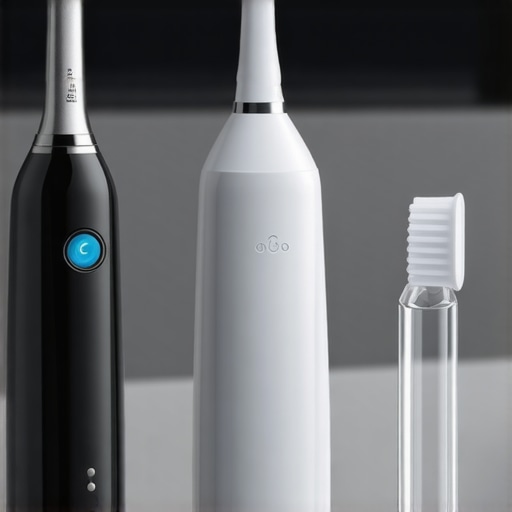
Throughout my journey into advanced dental aesthetics, I experienced firsthand how small techniques and mindful routines can dramatically transform your oral health and appearance. The lightbulb moments I’ve shared aren’t just tips—they’re lessons that shaped my understanding of the nuanced art of smile care. By embracing patience, the right tools, and a gentle approach, I uncovered secrets to overcoming common hurdles like gag reflexes and maintaining long-term results. If I could share one insight, it’s that personalized care, combined with consistent effort, unleashes a smile that radiates confidence, health, and joy. Remember, every smile is unique, and your commitment to it, however small, sets the stage for lifelong brilliance.