
The real reason your smile doesn’t look as bright as it used to
I remember the exact moment I looked in the mirror and genuinely gasped. My reflection stared back, but my smile seemed duller, less vibrant, almost hiding behind years of neglect. It was a lightbulb moment that made me realize—it’s not just aging; it might be something simpler, something I could fix. If you’ve ever felt that your smile no longer shines like it used to, you’re not alone. Many of us underestimate how everyday habits and overlooked dental issues can dim our sparkle over time.
The Real Reason Behind a Dull Smile
For years, I brushed it off as just part of getting older. But the truth is, factors like surface stains, enamel erosion, and even gum health play significant roles in how bright our teeth appear. Sometimes, it’s the accumulation of routine neglect—like inconsistent brushing or ignoring early signs of discoloration—that dulls our grin. And trust me, I learned the hard way that trying quick fixes, like over-the-counter whitening strips, often aren’t enough or may even harm sensitive gums. Instead, understanding the root causes can unlock the secret to a truly radiant smile.
Has Whitening Really Fallen Short for You?
Initially, I thought teeth whitening was my answer. I followed all the tips I read online and invested in popular products. Yet, after a few days, my teeth looked the same or even worse — sensitivity skyrocketed. Turns out, I was making a common mistake: neglecting underlying issues like plaque buildup or enamel health. An article from Smile Gum Care highlights how a customized approach, considering your unique dental condition, provides better results than generic treatments.
So, if you’re tired of pouring money into whitening treatments that don’t deliver or cause discomfort, stick around. I’ll share the strategies that truly work, based on real experience and expert advice, to help you reclaim that dazzling, authentic smile you deserve.
Start with a Family Dental Checkup
My first step was scheduling a comprehensive family dental exam, because a healthy foundation makes all the difference. I chose a provider experienced in family dentistry (family dentistry tips) to ensure everyone receives tailored care. During my visit, my dentist evaluated enamel health, gum status, and identified early signs of discoloration or decay. Think of this as laying a solid foundation before renovating a house; skipping it can cause bigger problems later.
Implement Consistent Oral Hygiene Routines
Master Proper Brushing Techniques
I learned that brushing isn’t just about moving a brush around; it’s about technique. I used a soft-bristled brush at a 45-degree angle to gently clean along the gum line, making sure to cover all surfaces. I set a timer to brush for two minutes—more effective than rushing through. Consistency is key: brushing twice daily at minimum keeps plaque at bay, halting surface stains and enamel erosion that dull a smile.
Incorporate Flossing and Oral Rinses
Flossing daily was a game-changer. I discovered that properly flossing removes debris and plaque between teeth, preventing gum inflammation (gum soreness from flossing) and cavity formation. I used a gentle technique, sliding floss along the sides of each tooth without forcing it, to avoid gum damage. An antibacterial rinse completed my routine, reducing bacteria and freshening breath. Think of flossing as clearing the weeds from a garden; neglect allows weeds to choke the healthy plants.
Address Discoloration with Targeted Whitening Strategies
Over-the-counter whitening strips initially seemed promising, but I quickly noticed increased gum sensitivity and limited results. Instead, I opted for a personalized whitening approach—like getting a tailored suit instead of off-the-rack—that considers my dental condition (teeth whitening options). Professionally supervised treatments use stronger agents and protect sensitive tissues. I scheduled an in-office whitening session, which brightened my smile by several shades safely and comfortably. Remember, superficial bleaching may fail if underlying issues, like plaque or enamel erosion, aren’t addressed first.
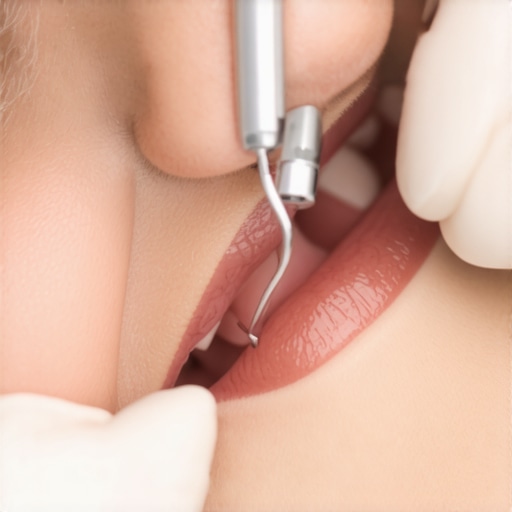
Consider Cosmetic Enhancements for that Perfect Finish
For stubborn imperfections, veneers can be transformative. I visited specialists proficient in veneer placement (veneers made simple), who prepared my teeth by removing a minimal layer of enamel, then bonded custom porcelain shells to improve shape, color, and alignment. Think of veneers as custom-designed veneers on a sculpture—they hide flaws and simulate a perfect smile. If alignments are off but not severely crooked, Invisalign offers a discreet correction, akin to invisible braces that gently guide teeth into place (Invisalign innovations).
While many people assume they fully understand these cosmetic and preventive dental procedures, there are subtle misconceptions and advanced pitfalls that can sabotage your results. One widespread myth is that all family dentists focus solely on cavity fillings and basic cleanings; in reality, many offer comprehensive preventive care, orthodontics, and cosmetic solutions, which is crucial to know for holistic oral health (family dentistry at its best). Underestimating this can lead to missed opportunities for early intervention and personalized plans.
A common misconception about Invisalign is that it’s a one-size-fits-all solution for mild cases. This oversimplification neglects the importance of precise digital scans and individual treatment plans. For complex orthodontic cases, relying solely on generic aligner kits can exacerbate issues like poor fit or incomplete movement. An advanced mistake some make is assuming that Invisalign is always discreet enough for every social setting, but in truth, some cases require auxiliary attachments or manual adjustments that might be visible—so understanding the limitations and technical nuances helps in setting realistic expectations (Invisalign insights).
When it comes to teeth whitening, many believe that over-the-counter products are just as effective as professional treatments. This ignores the fact that superficial bleaching does little to address intrinsic staining or underlying enamel issues. For example, bleaching agents can sometimes cause sensitivity if the enamel isn’t intact or if tartar buildup is ignored, leading to reversible damage and uneven coloration. Experts emphasize the importance of a thorough dental exam before whitening, which many forget. According to research published in the Journal of Esthetic and Restorative Dentistry, customized whitening is significantly safer and more predictable, especially for patients with existing restorations or gum issues (professional whitening strategies).
The idea that veneers are solely for cosmetic perfection is another misconception. In reality, veneers can also serve restorative purposes, such as correcting minor chips and protect weakened enamel, not just hiding imperfections. However, many overlook the importance of precise lab work and the choice of materials; cheap veneers may stain or detach sooner, costing more long-term. A critical advanced error is assuming that veneers are reversible; the process involves minimal enamel removal, and once bonded, they are permanent. This underscores the importance of selecting experienced specialists and understanding the nuances of case selection (expert tips on veneers).
Make sure you are not falling victim to common myths—doing so can lead to costly disappointments or even damage. For comprehensive guidance, consider consulting trusted experts and reading more about these procedures to manage realistic expectations. Have you ever fallen into this trap? Let me know in the comments.
Maintaining a bright, healthy smile after cosmetic treatments like whitening or veneers requires more than just good intentions; it demands reliable tools and consistent routines. Over the years, I’ve refined my personal toolkit and adopted methods that ensure my dental work stays optimal and my oral health improves steadily. This ongoing process is an investment in long-term results, and the right resources make all the difference.
Invest in a Quality Electric Toothbrush
While manual brushes can do the job, I highly recommend a high-quality electric toothbrush with a timer and pressure sensor. I personally use the Oral-B Genius X for its adaptive technology, which guides me to brush effectively without damaging my gums. Its sonic vibrations loosen plaque more efficiently, significantly reducing the chances of surface stains rebuilding. Regular brushing with this device not only preserves whitening but also enhances gum health, which is crucial when you have veneers or Invisalign. Predicting future trends, I believe smart toothbrushes integrated with mobile apps will become standard, providing real-time feedback and tailored routines.
Master Flossing Techniques with Interdental Tools
Instead of traditional floss, I transitioned to using interdental brushes like the TePe Interdental Brush. These tools excel at cleaning tight spaces between teeth and around veneers or retainers without causing gum irritation. I find them more effective because they conform to different interdental spaces better than floss, preventing plaque buildup that can dull a smile over time. I recommend practicing gentle, systematic cleaning daily—it’s a simple habit with profound impacts. According to gum care experts, consistent removal of plaque between appointments keeps treatments looking fresh and prevents costly issues down the line.
Utilize LED Whitening Kits Carefully
For touch-ups at home, I rely on LED whitening systems like the AuraGlow 6 Teeth Whitening Kit. I appreciate that these kits incorporate professional-grade peroxide gel combined with blue light activation, offering better results with safer application. I use these periodically to maintain the brightness I achieved professionally, but I always follow the manufacturer’s instructions carefully to avoid sensitivity—especially important when veneers are involved. Looking ahead, advancements in blue-light technology are likely to produce more targeted, faster results with less discomfort.
Embrace Routine Dental Checkups with a Family Dentist
Scheduling regular family dental visits is fundamental. I ensure that everyone in my household receives personalized evaluations, which helps catch potential issues early and tailor maintenance strategies. A competent family dentist can recommend specific tools—like customized fluoride rinses or desensitizing toothpaste—to prolong cosmetic work’s lifespan. Check out family dentistry tips to understand what to expect from these preventive measures. Long-term, this approach maintains not just aesthetics but overall oral health, saving time and money later.
How do I maintain my smile tools over time?
Proper care and replacement of your dental tools are essential. I replace my toothbrush heads every three months and regularly sterilize interdental brushes with rubbing alcohol. Also, storing devices in dry, clean containers prevents bacterial buildup. A tip from dental care research (see clinical studies) confirms that maintaining hygiene with your tools directly correlates with healthier gums and longer-lasting cosmetic results. Make a habit of inspecting your tools weekly—discard worn-out brushes and clean everything thoroughly—so your investments continue to serve your smile effectively.
If you’re serious about safeguarding your investment in treatments like veneers or Invisalign, I urge you to try upgrading your routine with one of these specific tools. For example, experimenting with a smart electric toothbrush can noticeably improve plaque control and overall gum health. Small adjustments like these—and sticking to scheduled checkups—are what keep my smile radiant and healthy in the long run. Ready to give it a shot? Start today by adding an interdental tool to your routine and notice the difference it makes!
Reflecting on my journey to a healthier, brighter smile, I realize that the most valuable lessons came from unexpected revelations and honest self-assessment. The road wasn’t always smooth, but embracing the unique aspects of my dental health transformed my approach and results. Whether it’s understanding the real impact of family dental care or navigating advanced cosmetic options, there’s always a deeper layer waiting to be uncovered.
3 Lessons That Changed My Perspective on Smile Enhancement
- Patience Outperforms Quick Fixes: I learned that lasting results require time and consistent effort, especially with treatments like veneers or Invisalign. Rushing the process often leads to setbacks, making patience my secret weapon.
- Personalized Care Makes All the Difference: Tailoring treatments to my unique dental landscape—guided by experts—ensured optimal outcomes. Generic solutions rarely address underlying issues, emphasizing the importance of expert consultation.
- Preventive Maintenance Is a Long-Term Investment: Regular checkups and diligent oral hygiene habits preserve cosmetic enhancements and prevent future problems. Prevention truly is better—and cheaper—than cure.
The Tools That Became My Smile Allies
Over time, I discovered some game-changing resources that elevated my dental routine. My trusted teeth whitening kits help maintain that radiant shine, while my electric toothbrush from top brands ensures thorough cleaning. For addressing gaps or minor misalignments, I turned to Invisalign—discreet, effective, and personalized—making orthodontic correction less intimidating. And let’s not forget the value of detailed Veneers guides that help me understand aesthetic options and choose what suits my style best.
Believe in Your Smiles: The Power of Taking Action
Every great smile begins with a decision—commit to your dental health and aesthetic goals today. Whether it’s scheduling a comprehensive family dental exam or experimenting with at-home whitening, taking that first step propels you toward confidence and well-being. Remember, your smile is a reflection of your inner vitality, and investing in it is an act of self-love. Don’t wait for perfect conditions—start now and watch your transformation unfold.
What’s the one dental habit you’re eager to improve this month? Share your goal in the comments, and let’s inspire each other to achieve our best smiles together!
,