
The Real Reason Your Teeth Look Translucent After At-Home Whitening
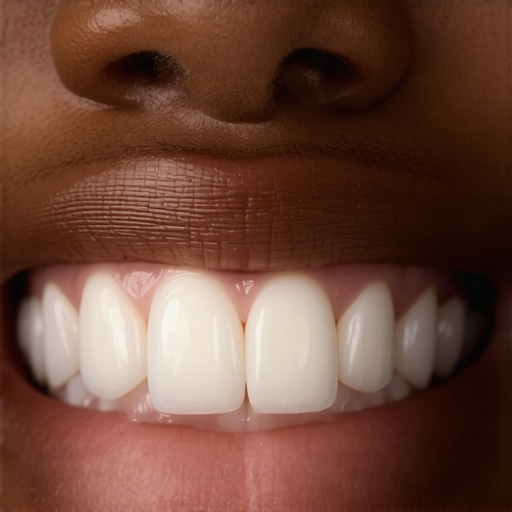
There I was, staring into the mirror after finishing what I thought was my perfect at-home whitening routine, only to notice it—my teeth looked almost see-through in certain spots. It was a lightbulb moment that changed everything I understood about whitening. Suddenly, I realized that the little tricks I thought I knew weren’t enough, and I was inadvertently causing more harm than good. Has this ever happened to you?
The Tricky Truth About Translucent Teeth After Whitening
Many folks jump into at-home whitening with high hopes of dazzling, bright smiles. But what they don’t realize is that teeth can become translucent—especially near the edges—if they’re using the wrong products or applying treatments improperly. This translucency isn’t just a cosmetic issue; it’s a sign that the enamel is compromised. And once enamel loss starts, it’s a slippery slope towards sensitivity, increased decay, and, in some cases, needing more extensive dental work.
Is Over-the-Counter Whitening Actually Worth the Hype?
Honestly, I fell for the buzz. I thought if a little gel or strips work for my friend, they should work for me, too. But early on, I made the mistake of thinking all whitening options are created equal—until I experienced the dull shock of translucent spots. It turns out, many over-the-counter products lack the necessary validation or professional oversight, risking damage instead of brightening. That’s why I started digging deep, learning what truly causes translucency and how to prevent it.
Follow Proper Application Techniques for Whitening Gels and Strips
Recall the time I tried a new whitening kit and quickly applied the gel without reading instructions. The mess was unavoidable, and I ended up with uneven whitening and increased sensitivity. Always read and follow the manufacturer’s directions carefully, applying the gel evenly on your teeth and avoiding gum contact to prevent enamel damage. Consistent, correct application ensures you brighten your smile safely without risking translucency.
Limit The Frequency and Duration of Treatments
Skip the urge to whiten every week, thinking more is better. I once overused a whitening strip kit, which led to patches that looked translucent, especially near the edges. Schedule treatments as recommended—usually once every few months—and adhere to the specified treatment time. This approach minimizes enamel thinning, reducing the risk of translucency and sensitivity.
Use Quality Products Recommended by Dental Professionals
During my research, I discovered’ that cheap, off-brand whitening products often lack proper validation and can harm enamel. Opt for professional-grade products or those approved by dental associations. Visiting your family dentist can provide personalized recommendations tailored to your teeth’s health, helping you avoid translucent spots caused by subpar formulations.
Consult a Dentist Before Starting Whitenings
Before jumping into whitening, scheduling a check-up can identify underlying issues like decay or erosion that worsen with bleaching. My own experience taught me the value of a professional evaluation to determine if whitening is suitable, or if alternatives like veneers or composite bonding should be considered for aesthetic improvement without compromising enamel.
Implement Follow-Up Care Post-Whitening
Once I finished whitening treatments, I started using desensitizing toothpaste and avoiding staining foods. This routine helped prevent over-absorption of the bleaching agents and maintained overall enamel strength. Incorporate proper oral hygiene practices, such as gentle brushing and fluoride rinses, to reinforce enamel integrity and prevent translucency from developing over time.
Consider Alternative Cosmetic Options When Appropriate
If your enamel is already translucent or compromised, options like porcelain veneers can mask uneven or see-through areas effectively. These solutions are less invasive and provide a natural look, as explained in detail on Veneers Made Simple. Exploring these options with a professional ensures your smile’s health and aesthetic appeal are both prioritized.
Monitor Your Teeth’s Response Regularly
During my own whitening journey, I kept a close eye on how my teeth responded—any increased sensitivity or translucency prompted me to pause treatments immediately. Regular dental checkups can catch early signs of enamel weakening. If you notice changes, consult your dentist promptly to adjust your whitening plan or explore other smile enhancement options like Invisalign, which can straighten teeth without the risks associated with over-whitening. Learn more about the latest innovations in Invisalign Clear Aligners.
Maintain Overall Oral Health and Hydration
Keeping your mouth hydrated and practicing good oral hygiene strengthens enamel and reduces sensitivity. I started drinking more water and avoided acidic foods after whitening, which significantly decreased translucency issues. Regular flossing, brushing, and routine dental visits support a healthy foundation for any cosmetic treatment, whether whitening or veneers.
Many believe that teeth whitening, veneers, or Invisalign are simple solutions for a perfect smile, but the reality is far more nuanced. A common misconception is that whitening gels or strips are universally safe and effective, yet they often overlook individual enamel health. Over-the-counter products can cause irreversible damage if misused, especially when users underestimate the importance of tailored treatments recommended by dental professionals. For instance, aggressive whitening can thin enamel, leading to translucency and heightened sensitivity — issues many don’t associate with routine whitening. An advanced mistake many make involves veneers: assuming they’re just cosmetic fixes without potential complications. Poor bonding techniques or choosing low-quality materials can result in discoloration, gum recession, or early failure. Regarding family dentistry, a widespread myth is that children’s dental care ends with routine check-ups; however, early education on habits and preventive services like sealants set the foundation for lifelong oral health. In the realm of Invisalign, the misconception that its tracking is foolproof often leads users to ignore minor issues like attachments or gaps, which can accumulate into misaligned results. From an expert standpoint, studies show that improper use of aligners or neglecting professional oversight can prolong treatment and diminish outcomes (source). Make sure you understand the complexities involved, and never hesitate to consult your dentist for personalized advice. A subtle but critical trap is assuming more treatments equal faster or better results — consistency and proper technique are paramount. Have you ever fallen into this trap? Let me know in the comments.
How do I keep my whitening results shining for the long haul?
Maintaining a dazzling smile requires the right arsenal of tools and a disciplined routine. Personally, I swear by using an ultrasonic electric toothbrush like the Philips Sonicare DiamondClean. Its sonic vibrational technology not only cleans more effectively but also helps remove surface stains that can dull your whitening efforts.
In addition, incorporating a professional-quality whitening rinse such as a dentist-recommended whitening rinse can provide ongoing stain protection, especially after meals or coffee breaks. I apply this rinse daily, focusing on the front teeth, to prolong my results alongside brushing.
For those considering long-term results, investing in custom whitening trays crafted by your dentist ensures your whitening agent is evenly distributed and minimizes the risk of uneven translucency or sensitivity. These trays are a game-changer—I’ve found they help maintain brightness without overexposing enamel to harsh chemicals.
Regular dental checkups also play a crucial role. During visits, your dentist can monitor subtle changes in enamel and recommend touch-up treatments if necessary. Plus, professional cleanings with ultrafast instrumentation like air polishing can remove stubborn surface stains that often reappear despite home care.
Looking ahead, emerging technologies like LED-activated whitening with enhanced safety features promise even better long-term results. As the industry moves toward more personalized, minimally invasive solutions, staying informed and proactive remains essential—your smile’s health depends on it.
Tools I Recommend for Sustained Brightness
- Electric Toothbrush: Philips Sonicare DiamondClean for effective plaque removal and stain prevention.
- Whitening Rinse: Dentist-approved formulas used daily to shield against surface staining.
- Custom Whitening Trays: Professionally fitted trays that offer uniform application and minimize enamel stress.
- Professional Cleanings: Ultrafast tools like air polishers keep surface stains at bay between whitening sessions.
What’s Next in Maintaining Your Smile
Keeping your whitening results bright over time isn’t just about tools; it’s a lifestyle. Hydrate well, limit staining foods, and consider future innovations like Invisalign enhancements that support overall dental alignment and health. By integrating these strategies, you’ll ensure your smile remains not only radiant but also healthy—ready to face the future with confidence.
To maximize your efforts, I recommend trying the advanced tip of customizing your whitening routine with professionally made trays, which significantly reduces uneven staining and sensitivity. Want to learn more? Schedule a consultation with your dentist to explore personalized solutions or click here to get started today.
What I Wish I Knew About Translucent Teeth Before Damage Was Done
One of the biggest lessons I learned is that persistence without proper knowledge can backfire. Using harsh products or overdoing treatments can make your teeth look translucent, which is a sign of enamel wear. My lightbulb moment was realizing that less is often more when it comes to whitening—balancing results with health.
The Common Pitfall That Nearly Ruined My Smile
I once believed that I could achieve perfect whiteness by piling on products or frequency. It wasn’t until I experienced sensitivity and uneven spots that I understood the importance of following professional guidelines. It reinforced that consulting a dentist and investing in quality products pays off in the long run.
How Personal Experience Reinforced the Power of Expert Guidance
Trying DIY treatments without understanding my teeth’s condition nearly caused irreversible damage. Now, I prioritize a professional assessment before starting any whitening regimen, which has safeguarded my enamel and preserved my smile’s natural brightness.
Curated Resources to Keep Your Smile Healthy and Bright
- Philips Sonicare DiamondClean: I trust this electric toothbrush for its ability to gently remove surface stains without wearing down enamel.
- Professional Whitening Rinses: Using dentist-recommended rinses daily helps maintain results and protects teeth from staining.
- Custom Whitening Trays: Professionally made trays distribute whitening agents evenly, minimizing risks—a game-changer for me.
- Regular Dental Checkups: Monitoring enamel health regularly has been crucial—early signs of translucency are easier to address.
Keep Your Smile Radiant and Resilient
The journey to a brighter smile is ongoing and requires a proactive, informed approach. Incorporate tools like an ultrasonic toothbrush, use quality whitening products, and schedule regular visits with your dentist. Remember, your smile reflects your overall health, so treat it with care and patience.
Are you ready to take your whitening routine to the next level with expert-approved strategies? Share your experiences or questions below—I’d love to hear your story!
Comments are closed.