
The Real Reason Your Veneers Feel Gritty When You Run Your Tongue Over Them
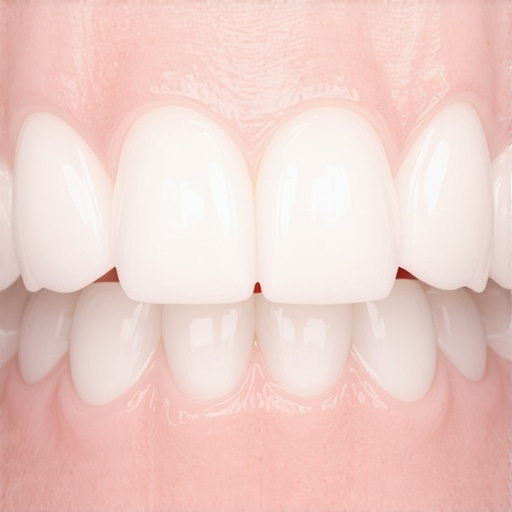
It was late at night, and I was nervously running my tongue over my new veneers when suddenly, I felt that unsettling gritty sensation—like tiny grains of sand beneath my tongue. Panic set in. Had I ruined my investment? Was there something wrong with my teeth? We’ve all been there, obsessively feeling our teeth after a dental procedure, fearing the worst. That gritty feeling can be so unnerving that it ruins your confidence and peace of mind.
The Surprising Truth About That Gritty Sensation
What I didn’t realize at first was that this sensation isn’t necessarily a sign of damage or poor work—often, it’s quite the opposite. It’s a common experience that many people with veneers, Invisalign, or whitening treatments encounter. The real reason behind this gritty feeling often lies in the micro-textures of the porcelain or composite material, combined with the natural process of the oral environment adjusting to new surfaces.
Initially, when veneers are bonded, a tiny amount of residual bonding agent or surface residue can remain, creating a roughness that our tongues register as grit. Over time, as your mouth naturally smooths out these tiny irregularities or as you get used to the feel, the sensation diminishes. But if you ignore it or try to scrub it away with aggressive brushing, you could be doing more harm than good.
The key here is understanding what’s normal and when to seek professional advice. Sometimes, this gritty feeling signals that your gums or the veneer surface are reacting to changes, especially if accompanied by discomfort or sensitivity. For example, some patients report a gritty feel when their veneers are leaking at the gum line, which could lead to issues like gum recession if left unaddressed. For more details on how to identify and prevent such problems, check out our comprehensive guide on [red flags for veneers rejecting the gum](https://smilegumcare.com/4-red-flags-your-gums-are-rejecting-those-new-porcelain-veneers).
So, what exactly causes this gritty feeling, and how do you handle it? Well, I’ve learned from experience—and lots of research—that patience and proper oral hygiene are your best friends here. But before you start scrubbing vigorously or reaching for abrasive toothpaste, let’s explore whether this sensation is something you can fix on your own or if it’s time to see your dentist.
Brush Gently and Methodically
Start by using a soft-bristled toothbrush and gentle, circular motions to clean your teeth. Avoid abrasive toothpaste that can roughen veneer surfaces. During my first attempt, I thought scrubbing harder would remove the grit faster, but I ended up irritating my gums. Instead, I patiently brushed each tooth, paying attention to areas near the gum line where residue tends to accumulate.
Use Warm Saltwater Rinses
Mix half a teaspoon of salt in a glass of warm water. Swish this solution around your mouth for 30 seconds, then spit it out. The salt acts as an antimicrobial agent, helping clear away residual bonding material or debris that may contribute to the gritty sensation. I adopted this routine after my dentist recommended it and noticed my tongue’s comfort improving within a few days.
Pay Attention to Tongue Sensations
Gently run your tongue over your teeth and veneers to identify areas with lingering roughness. If you detect persistent rough spots or uneven surfaces, avoid trying to fix them with your finger or tongue, which can worsen irritation. Instead, note the problematic spots for your next dental appointment.
Adjust Your Oral Hygiene Products
Switch to non-abrasive, pH-balanced toothpaste designed for sensitive teeth or veneers. Some whitening toothpastes contain harsh abrasives that exacerbate the gritty feeling. When I realized my toothpaste was too abrasive, I shifted to a mild formula and found relief more quickly.
Consider Professional Polishing
If the discomfort persists beyond a week, schedule a follow-up with your dentist. They can perform a gentle polishing to smooth out any residual roughness or bonding residue. I remember bringing up my discomfort during a routine cleaning, and my dentist polished my veneers, which immediately eliminated the gritty sensation. This underscores the importance of professional attention when self-care measures aren’t enough.
Stay Hydrated and Maintain Good Oral Habits
Dry mouth can accentuate the gritty sensation. Drink plenty of water throughout the day to keep your mouth moist, aiding in natural cleansing. Additionally, avoid habits like biting on pens or grinding your teeth, as they can disturb veneer surfaces. During my recovery, I made conscious efforts to stay hydrated and minimize habits that could impact my veneers negatively.
Seek Out Additional Resources
If you notice ongoing sensitivity or suspect your veneers are leaking or not bonded properly, consult your dentist promptly. For more insights on related issues, consider visiting this guide on gum recession around veneers. Regular check-ups ensure any complications are addressed early, preserving both the health of your gums and the longevity of your veneers.
Many patients believe they understand the basics of cosmetic and general dental treatments, but beneath the surface lie subtle nuances that can impact their outcomes significantly. One common misconception is assuming that veneers, Invisalign, or whitening products are foolproof solutions without potential pitfalls. For example, a prevalent myth is that veneers instantly transform smile aesthetics without considering the importance of proper bonding techniques and initial surface preparation, which only seasoned dentists are adept at managing. Overlooking this can lead to issues like veneer failure or gum recession, as detailed in resources about [gum health around veneers](https://smilegumcare.com/5-red-flags-your-gums-are-rejecting-those-new-porcelain-veneers). Furthermore, many patients underestimate the significance of customized treatment plans—what works for one individual might be ineffective or even harmful to another. Advanced mistakes include not recognizing early signs of veneer leakage or misjudging the extent of enamel removal needed for Invisalign attachments, which can cause long-term discomfort and bite problems. A sophisticated patient understands that achieving a healthy, beautiful smile requires attention to these finer points.
What are the risks if I ignore the subtle signs of treatment misalignment or improper bonding?
Studies emphasize that overlooked issues like micro-leakage or inadequate surface preparation can predispose to bacterial decay or periodontal disease, ultimately compromising the intended aesthetic benefits. That’s why consulting with experienced professionals is crucial—those who stay updated with the latest research and techniques, such as the advancements in [invisible braces](https://smilegumcare.com/invisalign-innovation-invisible-braces-changing-smiles-in-2025-at-1537) or cutting-edge whitening methods, can make all the difference. Remember, superficial fixes often mask underlying issues; addressing these nuances ensures durability and health. Do you think you’re aware of all the pitfalls? Share your experience or concerns in the comments—let’s dig deeper together.
Invest in Quality Instruments for Long-Lasting Results
When it comes to maintaining veneers, Invisalign, or whitening results, having the right tools makes all the difference. I personally rely on a combination of soft-bristled electric toothbrushes like the Philips Sonicare ProtectiveClean, which offers gentle yet effective cleaning, and interdental brushes such as the GUM Soft-Picks to reach tight spaces without risking damage to delicate surfaces. These tools help minimize plaque buildup and prevent the formation of rough patches that can cause discomfort or compromise your treatment.
Leverage Technology for Optimal Monitoring
Digital tools like the SmilePro app provide a convenient way to track your progress, set reminders for hygiene routines, and schedule appointments. I find that syncing my dental routine with such apps reinforces consistency and helps identify early signs of trouble, such as gum irritation or uneven wear. Moreover, patient-specific software like the Invisalign Doctor Site allows your dentist to fine-tune your aligners and address issues proactively, ensuring your treatment remains on track.
Understanding the Role of Professional Equipment
At-home tools are vital, but professional-grade equipment, like the dental curing lights used during veneer polishing, ensures that your teeth and restorations stay smooth and stain-free over time. Regular professional cleanings with ultrasonic scalers, complemented by laser diagnostics, enable your dentist to spot potential problems before they escalate. Staying proactive with these tools extends the lifespan of your dental work and maintains your smile’s brilliance.
Future Trends in Dental Maintenance
The industry is moving toward AI-powered diagnostics and smart oral care devices that provide real-time feedback. Innovations like AI-enabled toothbrushes can analyze your brushing patterns and customize recommendations, making daily maintenance more effective. Embracing these technologies now can significantly reduce long-term costs and improve treatment outcomes.
How do I maintain veneers, Invisalign, or whitening treatments over time?
Consistent use of specialized tools, regular professional check-ups, and adopting emerging technologies are key to preserving your dental investments. Integrating a sonic toothbrush with interdental brushes, paired with app-based tracking, creates a comprehensive maintenance routine. Remember, addressing minor issues early can prevent costly repairs later. For additional tips on preserving your treatment results, consider exploring this article on gum health around veneers. To further optimize your routine, I recommend trying out an AI-powered toothbrush like the Oral-B iO, which I’ve personally found effective for maintaining smooth surfaces and preventing plaque accumulation.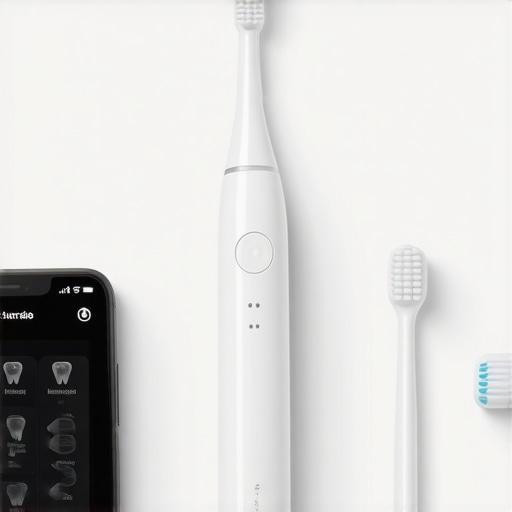
The Hardest Lesson I Learned About veneers,invisalign,family dentistry,teeth whitening
My journey into cosmetic dentistry taught me that patience is golden—rushing to fix every minor discomfort can lead to setbacks. Like when I obsessively felt for imperfections after my veneers, I realized that some sensations are part of the process, not signs of failure.
3 Myths About veneers,invisalign,family dentistry,teeth whitening That Held Me Back
I used to believe that whitening treatments work instantly and last forever, but in reality, maintenance and professional advice are key to longevity. Dispelling these myths helped me embrace ongoing care rather than quick fixes.
What Experts Won’t Tell You About veneers,invisalign,family dentistry,teeth whitening
Many professionals keep quiet about the subtle signs of treatment wear—like tiny rough patches or bite changes—that, if caught early, can save you from more extensive repairs. Learning to recognize these signs is crucial for your dental health.
Curated Recommendations
My Essential Toolkit for smile care includes a soft-bristled electric toothbrush like the Philips Sonicare ProtectiveClean, trusted for its gentle yet effective cleaning. I also rely on interdental brushes such as GUM Soft-Picks for hard-to-reach spots, which help maintain smooth veneer surfaces. For resources, this guide on gum health around veneers offers invaluable insights. Additionally, incorporating AI-driven tools like the Oral-B iO toothbrush has significantly enhanced my daily routine, offering personalized feedback that I find invaluable for ensuring my veneers stay flawless.
Don’t Wait to Shine Brightly
Your smile is a reflection of your confidence and well-being. Embark on this journey with proactive care, curiosity, and the willingness to learn. Remember, understanding the nuances of veneers,invisalign,and whitening treatments empowers you to make informed decisions that last a lifetime. Share your experiences or questions below—let’s keep the conversation going and help each other achieve the best smile possible!
Comments are closed.