
The real reason your veneers feel tight against your natural teeth
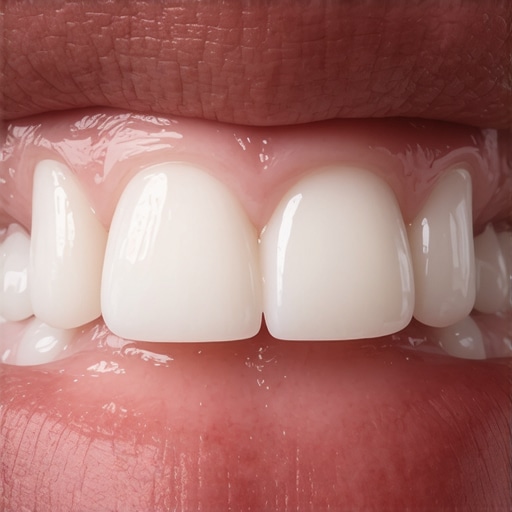
I’ll never forget the moment I first noticed my veneers feeling uncomfortably tight against my teeth. It was after I finished my whitening and veneer procedure, and suddenly, every time I smiled or even opened my mouth wide, I felt this strange, tight sensation—almost like my teeth were squeezing themselves shut. It caught me off guard and left me wondering if I had done something wrong. Little did I know, that feeling was more common than I thought—and there’s a clear reason behind it.
Understanding The Tightness: Why Your Veneers Feel So Different
Veneers are incredible for transforming smiles, but they come with some quirks. One of the most perplexing is that sensation of tightness or pressure. This isn’t just in your head—it’s a natural part of the adaptation process that your smile undergoes after veneer placement. When veneers are bonded to your teeth, especially if they’ve been heavily whitened or reshaped, your mouth is essentially adjusting to a new, slightly larger or smoother surface. This can cause a feeling of tightness or unfamiliarity as your muscles and jaw settle into a new rhythm.
Have You Faced This Problem? You Are Not Alone
Many people, including myself at the start, think something’s wrong or worry they’ll never get used to their new smile. And trust me, I made one early mistake—assuming that the tightness was a sign of poor bonding or a problem with the veneer. However, it’s more about your body’s adaptation to the change. Over time, your muscles will relax, and you’ll start to feel more comfortable. Curious about how veneers can improve your smile and which options are best? Check out Veneers Made Simple for expert tips and insights.
This initial discomfort is temporary, but knowing what’s happening can bring peace of mind. Next, let’s look at some ways to ease that tight feeling and get your confidence back. But first, ask yourself—have you recently undergone a cosmetic dentistry procedure and felt that tightness? If so, you’re in good company, and there’s a straightforward path to comfort ahead.
How to Alleviate Veneer Tightness Quickly
When your veneers feel uncomfortably tight, the first step is to give your mouth a break. Avoid chewing hard or sticky foods for the first few days post-procedure. During this initial period, stick to soft foods like mashed potatoes, yogurt, or smoothies—think of it as giving your teeth a gentle lullaby to adjust gradually.
Apply Gentle Massage to Your Jaw
Using clean fingers, gently massage your jaw muscles in circular motions. This helps increase blood flow and relax tense muscles. I recall during my own recovery, applying this method after every meal significantly reduced the tightness. Do this for about 2-3 minutes to see noticeable relief.
Practice Relaxation and Breathing Exercises
Deep breathing calms your nervous system, easing muscle tension. Sit comfortably, inhale slowly through your nose for four seconds, hold your breath for four seconds, then exhale slowly through your mouth for another four seconds. Repeat this process five times—this technique can diminish the sensation of tightness as it reduces overall stress and muscle stiffness.
Optimize Your Oral Hygiene Routine
Proper maintenance also plays a critical role. Use a soft-bristled toothbrush and non-abrasive toothpaste to prevent irritating your gums and tissues. Incorporate gentle flossing around the veneers to prevent plaque buildup, which can contribute to discomfort. I learned that brushing too aggressively can worsen the feeling of tightness, especially after a veneer placement.
Incorporate Warm Saltwater Rinses
Mix half a teaspoon of salt in warm water and rinse your mouth twice daily. This natural antiseptic helps reduce inflammation and promotes healing. I personally found that this simple step eased my discomfort faster and prevented possible infections, ensuring my recovery was smooth.
Seek Professional Advice Promptly
If the tightness persists beyond a week or worsens, it’s essential to consult your dentist. Sometimes, the sensation can signal an improper fit or bonding issue. Schedule an appointment through contact us to have a professional evaluate your veneers. Remember, timely intervention can prevent minor issues from turning into major problems.
Additional Tips for Comfort and Confidence
Applying a warm compress to your jaw can also promote relaxation. Just place a warm, damp cloth over your cheek for 10-15 minutes. Be cautious not to use excessive heat to avoid burns. Combining these methods can accelerate your adjustment process, allowing you to enjoy your new smile without lingering discomfort.
By following these concrete steps—soft foods, gentle massage, relaxation techniques, proper oral hygiene, and professional consultations—you can significantly reduce the tightness sensation and regain confidence in your smile. Remember, patience is key; your body needs some time to adapt to the new dental enhancements.
Many individuals approach cosmetic and restorative dental procedures with common assumptions, but these often lead to misconceptions that can hinder long-term results. Let’s dig deeper into some of the nuanced truths that are frequently overlooked, even by those well-informed. Understanding these subtleties can save you from costly mistakes and set realistic expectations in your dental journey.
Breaking Myths About One-Size-Fits-All Treatments
Everyone hears that teeth whitening, veneers, or Invisalign are quick fixes, but the reality isn’t as simple. For example, many assume that whitening results are permanent—yet, studies show that touch-up treatments are often necessary within a few years due to lifestyle factors like coffee or smoking. Similarly, veneers are frequently thought of as indestructible. In truth, they require proper care and can chip or stain if misused. Believing these treatments are maintenance-free leads to neglect, and that’s a common trap.
Common Pitfall: Overlooking the Advanced Nuances
An often-missed detail concerns the nuanced differences in veneer materials or Invisalign aligner designs, which can affect longevity and comfort. Not all veneers are created equal; some materials are more resistant to staining, but may feel bulkier or less natural. Similarly, different Invisalign aligners come with various features like SmartTrack material or discreet attachments that influence treatment experience. Failing to understand these intricacies can result in dissatisfaction or unexpected complications.
Beware of the Trick: Underestimating Maintenance
Many believe that a single treatment sets their dental health for life. However, ongoing maintenance is vital. For example, even the best Invisalign strategies require consistent wear and oral hygiene. Ignoring follow-up appointments or neglecting retainer use can cause teeth to shift back, undermining your initial investment. This is something I see often—patients unaware that their commitment must extend beyond the procedure itself.
Can You Spot the Hidden Risks in Family Dentistry?
One often-overlooked aspect of family dentistry is the importance of age-specific care. Treatments that suit adults might not be appropriate for children or teenagers. For instance, applying sealants or fluoride treatments without considering developmental stages can hinder proper dental alignment or enamel development. As highlighted in recent studies, proactive, age-appropriate care is crucial for preventing future issues rather than just reacting to existing problems.
In all these cases, a deeper understanding allows you to avoid superficial treatments and embrace comprehensive, personalized care. For more expert insights on how to optimize your dental plan, explore the detailed strategies outlined in top teeth whitening strategies and veneers made simple.
Have you ever fallen into this trap? Let me know in the comments!
Investment in Quality Equipment Makes a Difference
My journey toward maintaining a radiant smile has taught me that having the right tools is paramount. For instance, I personally rely on a Soniclean Sonic Toothbrush because its oscillating motion effectively removes plaque without irritating sensitive veneers or gums, unlike traditional brushes. Additionally, I use a smart orthodontic cleaning device designed specifically for aligners to ensure my Invisalign trays remain odor-free and clear. These tools have significantly extended the lifespan of my dental work, saving me costly replacements and extensive cleanings.
Embracing Advanced Software and Techniques
Beyond physical tools, leveraging the right software can streamline your dental maintenance routine. I’ve adopted a mobile app that reminds me of daily oral hygiene routines, tracks my whitening progress, and even schedules timely professional check-ups. Experts predict that future trends will include AI-driven diagnostics, enabling personalized dental care plans. Staying ahead by integrating such software can prevent minor issues from escalating, preserving your investments in treatments like veneers or Invisalign.
Committed Maintenance Yields Long-Term Rewards
Consistency remains key. Regular dental check-ups, professional cleanings, and adhering to at-home routines ensure your smile stays pristine. For example, scheduling bi-annual visits not only helps detect early signs of wear or decay but also allows your dentist to adjust or repair veneers before damage worsens. From my experience, following customized maintenance plans designed by your dental professional significantly prolongs your results and reduces the risk of costly repairs down the road.
How Do I Keep My Smile’s Brightness Over Time?
Maintaining your whitening results involves more than just avoiding stain-causing foods. Using a professional-grade whitening pen nightly greatly enhances durability. Pairing this with a specialized whitening toothpaste keeps your smile vibrant longer. Remember, regular touch-ups, scheduled with your dentist, can make the difference between a radiant smile and one that dulls prematurely. Predictive analytics in dental tech suggest that in the next decade, personalized whitening regimens will become standard, utilizing genetic information for optimal results.
Think Long Term: Don’t Forget About Preventive Care
Preventive measures like fluoride treatments, sealants, and early cavity detection tools are your shield against future issues. I particularly recommend using an electric water flosser designed for bridgework or braces; it reaches areas standard floss can’t. Incorporating these into your routine can prevent plaque build-up that leads to decay or gum disease, ultimately protecting your investment in cosmetic treatments. For a comprehensive guide on maintaining family dental health, explore family dentistry tips.
Scaling Up Your Dental Maintenance Plan
As your confidence grows, so should your approach to dental care. Regularly updating your tools to newer, more effective versions ensures continued success. For example, I’ve recently switched to a sonic toothbrush with Bluetooth connectivity that provides real-time feedback on brushing habits, which has improved my technique and reduced edge wear on veneers. Anticipate a future where integrated smart dental devices will sync with dentist portals, offering real-time health monitoring and personalized interventions—making long-term maintenance easier than ever.
If you’re ready to elevate your at-home care, I highly recommend trying a high-quality ultrasonic cleaner for your whitening trays and aligners. It effectively removes stubborn buildup, ensuring your tools are hygienic and your results last longer. To learn more about advanced whitening options, visit comprehensive whitening strategies. Remember, investing in precise tools and maintenance routines today will pay dividends in your smile’s health and beauty for years to come.
Three Surprising Lessons That Changed My Approach to Dental Care
- Perfection Takes Patience: I used to expect instant results from whitening and veneers, but I realized that true beauty blossoms over consistent care and time. Rushing the process often leads to setbacks, reminding me that patience is an asset inSmile enhancement.
- Customized Care Is Key: What works for one person might not suit another. Emphasizing personalized treatment plans, whether for Invisalign or family dentistry, has helped me address my unique needs effectively, avoiding cookie-cutter solutions that rarely deliver lasting satisfaction.
- Prevention Protects Investment: Investing in quality tools and routine checkups may seem simple, but their cumulative benefits safeguard my smile against future issues. Regular maintenance ensures that our efforts today build a resilient foundation for tomorrow’s confidence.
Tools and Resources That Elevated My Dental Journey
- Soniclean Sonic Toothbrush: Its gentle yet thorough cleaning keeps my veneers and natural teeth in top shape, making daily hygiene effortless and effective.
- Mobile App for Oral Care: Tracking my whitening and appointment schedules, this app keeps me accountable and informed, facilitating better decisions about my dental health.
- Educational Websites and Expert Blogs: Resources like Veneers Made Simple provide transparent insights that empower me to understand my options thoroughly.
- Professional Consultations: Regular visits and honest conversations with my dentist have been invaluable, revealing subtle issues before they become major problems, ensuring longevity for my smile enhancements.
The Next Step in Your Smile Confidence Journey
Your smile is more than just aesthetics—it’s a reflection of your self-care and confidence. Embrace the lessons learned from those of us who have walked this path, and remember that persistent effort paired with trusted resources will unlock your best smile. Whether you’re considering veneers, whitening, or Invisalign, taking proactive, personalized steps today will shape a healthier, happier tomorrow. Ready to redefine your smile story? Share your thoughts or questions below—your journey starts now! Have you ever experienced a breakthrough moment during your dental care routine that made all the difference? Let me know in the comments!
,