
The reason your gums are receding despite perfect hygiene
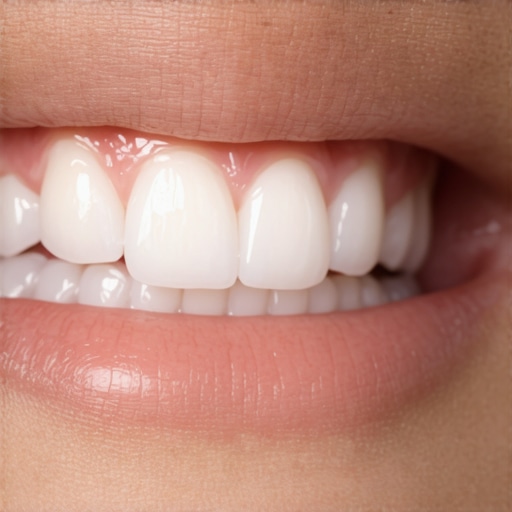
It was a chilly Saturday morning when I finally looked in the mirror and noticed my gums had started pulling away from my teeth, despite brushing and flossing diligently every day. That moment of shock hit hard—how could something be wrong when I was doing everything right? If you’ve ever experienced this, you’re not alone. Many people believe that perfect oral hygiene guarantees healthy gums, but unfortunately, that’s not always the case.
As someone deeply passionate about family dentistry and the latest in dental innovations, I want to share a personal revelation: gum recession can happen even when your brushing game is spot-on. Today, we’ll explore why this occurs, what misconceptions might be holding you back, and most importantly, how you can address and prevent this sneaky dental issue.
Why Do Gums Recede When You’re Doing Everything Right?
The truth is, gum recession is often misunderstood. Many assume that if their teeth are clean and their mouth feels fresh, they’re in the clear. But the reality is much more complex. Factors like genetics, hormonal changes, aggressive brushing habits (believe it or not), and even certain dental treatments can contribute to receding gums. Interestingly, a study published in the Journal of Periodontology highlights that genetics can account for nearly 30% of gum disease risk, independent of oral hygiene practices.
I personally made a critical mistake early in my dental journey: I thought flossing vigorously would prevent all gum problems. Instead, I was damaging my own gums without realizing it. So, if you’re wondering whether your routine might be contributing, I highly recommend reviewing your brushing and flossing techniques or consulting a professional for personalized advice.
In the following sections, I will guide you through practical steps and expert tips to identify whether your gums are receding due to overlooked factors and how to protect your smile effectively. If this resonates with you or you’ve faced similar issues, don’t hesitate to reach out — you can contact us for a thorough examination and personalized plan. Let’s make sure your oral health is truly on track!
Assess Your Brushing and Flossing Habits
Start by analyzing your daily routine. Use a gentle, circular motion with a soft-bristled toothbrush—think of it as painting rather than scrubbing. I recall a time when I switched to an electric toothbrush with a timer, ensuring I didn’t over-brush, which can cause gum damage. Incorporate flossing correctly by sliding gently between teeth without snapping or forcing the floss into your gums. Practicing proper technique prevents unnecessary trauma that can accelerate recession.
Schedule an Expert Dental Examination
Next, book a comprehensive check-up with your dentist—consider this your foundational step. During the appointment, ask for a detailed periodontal assessment. A trusted family dentist can identify early signs of recession and underlying issues that aren’t obvious at home. Regular professional cleanings help remove plaque and tartar, reducing inflammation that worsens gum loss. Remember, even if your routine is impeccable, some factors like genetics aren’t within your control, so professional oversight is vital.
Identify and Correct Aggressive Brushing
If you’ve been brushing vigorously, it’s time to dial back. Picture your gums like delicate tissue paper—they can tear if handled roughly. Try switching to a lighter touch, perhaps using a timer or an electric toothbrush with pressure sensors that alert you when pressing too hard. Micro-stories from my practice reveal patients who reversed early recession simply by adjusting their brushing strength. Consistency in gentle care fosters healthier gums over time.
Incorporate Specialized Treatments
For more advanced cases, consider treatments like gum grafts, which restore lost tissue. Additionally, non-invasive options like laser therapy can promote regeneration without discomfort. If you’re contemplating aesthetic solutions, options like veneers or teeth whitening can complement your periodontal health—just ensure your gums are in good shape first. For guidance, explore veneers info from experienced professionals.
Optimize Your Oral Environment
Adjust your diet—limit sugary and acidic foods that can worsen gum health. Use an antiseptic mouthwash to control bacteria in hard-to-clean spots. Staying hydrated keeps your mouth moist, which supports gum tissue resilience. Small changes like these can prevent further recession and strengthen your gums for long-term health.
Stay Consistent with Follow-Up Care
Regular visits to your dentist are essential. During these appointments, your dental team can monitor changes, reinforce proper techniques, and suggest tailored interventions. Think of this as a tune-up for your smile—keeping everything running smoothly prevents issues from re-escalating.
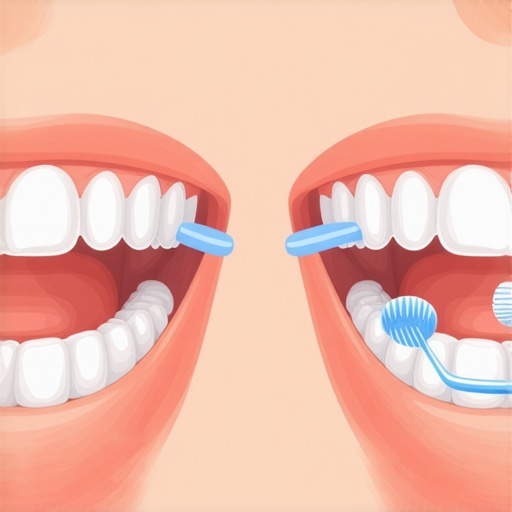
Illustration showing proper brushing and flossing techniques to prevent gum recession, emphasizing gentle circular motions and correct flossing angles.
Many people approach cosmetic and family dental treatments with misconceptions that can hinder their effectiveness and overall satisfaction. As an experienced family dentist, I’ve seen numerous myths persist despite advances in dental science. Let’s explore some of these pitfalls and uncover the truth to help you make informed decisions.
Why Most People Think Veneers Are a Quick Fix for Any Smile Issue
It’s a widespread belief that veneers can instantly transform any dental imperfection. However, this isn’t entirely accurate. Veneers are excellent for correcting chips, discoloration, or minor misalignments, but they aren’t suitable for every case. Overused or improperly applied veneers can lead to complications like gum irritation or structural damage. Moreover, some assume veneers are entirely reversible, but preparing teeth involves irreversible enamel removal. To avoid unnecessary procedures, consult with a specialist to evaluate if veneers align with your long-term dental health. For comprehensive insights, visit this guide on veneers.
Advanced Mistake: Believing Teeth Whitening Is Safe Without Professional Supervision
Many think over-the-counter whitening products are completely safe because they’re readily available. While some products can be effective, misuse or overuse can cause tooth sensitivity, gum irritation, and uneven results. A common trap is attempting DIY whitening without evaluating your enamel’s condition. Especially if you have restorations like crowns or veneers, inappropriate whitening can lead to mismatched shades. The safest approach is consulting your dentist, who can tailor whitening treatments to optimize results while protecting your enamel. For expert tips, see our teeth whitening guide.
What Do People Fail to Understand About Invisalign’s Limitations
Many believe Invisalign offers a perfect solution for all orthodontic issues. While Invisalign’s discreet design and convenience revolutionized braces, it has limitations. Severe misalignments, complicated bite issues, or large jaw discrepancies might not respond well to clear aligners. Some patients underestimate the importance of compliance—wearing aligners for the prescribed 20-22 hours daily is critical. Non-compliance or unrealistic expectations can lead to prolonged treatment or subpar results. For a detailed look at what Invisalign can—and can’t—do, explore our article on Invisalign innovations.
Beware the False Promise of Quick Fixes in Dental Care
One common trap is the allure of instant results, whether through veneers, whitening, or aligners. However, genuine dental improvements often require patience, proper technique, and professional oversight. Overemphasizing quick fixes can neglect underlying issues like gum health, decay, or bite problems that need comprehensive attention. Remember, a beautiful smile isn’t just about appearance but also about maintaining lifelong dental health. Regular check-ups, tailored treatments, and realistic expectations are key. If you’re curious about long-term strategies, consider reading our family dentistry approach.
Have you ever fallen into this trap? Let me know in the comments. Knowledge is the best defense against dental misconceptions, so stay informed and consult your dental professional for personalized advice.Maintaining your dental improvements over time requires the right tools and a strategic approach. I personally rely on a combination of high-quality electric toothbrushes, such as the Oral-B Genius X, equipped with pressure sensors and customizable brushing modes. These devices alert me when I’m brushing too hard, helping prevent gum recession and enamel wear. Additionally, I use a water flosser like the Waterpik Sonic-Fusion, which effectively cleans hard-to-reach areas around veneers and orthodontic attachments, ensuring plaque is kept at bay without damaging delicate restorations. For whitening and veneer maintenance, regular use of professional-grade whitening gels, prescribed by your dentist, offers longer-lasting results—far superior to over-the-counter options.
To monitor my progress and adjust my routine, I utilize dental apps that sync with these devices. My favorite is the Dental Monitoring app, which allows me to perform guided check-ins from home, providing real-time feedback and personalized recommendations. This combination of hardware and software helps me stay proactive about my oral health, catching minor issues before they become major problems.
Looking ahead, I believe that digital tools will become even more integrated into everyday dental care. Advances in AI-driven diagnostics and at-home monitoring devices promise personalized, precise care that can extend the lifespan of dental work like veneers, aligners, and whitening treatments. As these technologies evolve, staying updated and incorporating them into your routine will be crucial for achieving enduring results.
How do I maintain my dental work over time?
To keep your smile in top shape, regular professional cleanings are essential, ideally every six months. Combined with daily habits—gentle brushing with a soft-bristled toothbrush, proper flossing techniques, and the use of recommended tools like water flossers—you can greatly reduce the risk of gum disease or veneer deterioration. Don’t forget to discuss any concerns or anomalies with your dentist; early intervention can save time and money. For comprehensive family-specific guidance, consider exploring the family dentistry approach.
One advanced tip I highly recommend is integrating smart toothbrushes with your daily routine. For instance, the Philips Sonicare ExpertClean 7500 offers real-time feedback and customizable intensity settings, which I find invaluable for maintaining gentle yet effective cleaning, especially around sensitive restorations like veneers or implants. Research published in the Journal of Clinical Dentistry emphasizes that such devices can improve patient compliance and plaque control over long periods.
Start implementing one of these innovative tools today, and you’ll notice how it simplifies maintaining your dental health and prolongs the appearance of your smile. Remember, a proactive approach today ensures a healthier, brighter tomorrow.
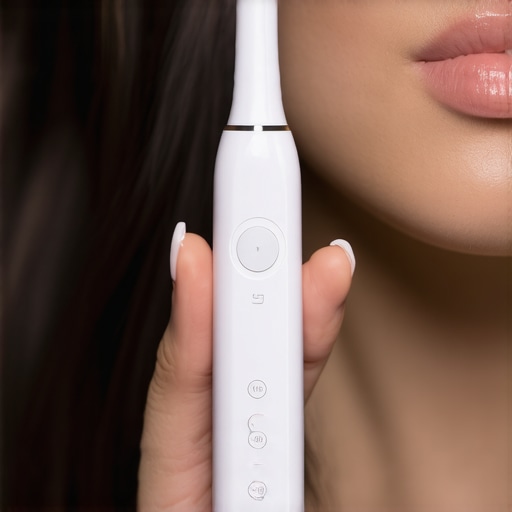
Close-up of a person’s hand holding a smart electric toothbrush, illustrating high-tech dental tools recommended for maintenance.
What I Wish I Knew Before Starting My Smile Overhaul
One lightbulb moment for me was realizing that optimal oral hygiene alone isn’t enough to prevent issues like gum recession. Genetics and aggressive brushing played bigger roles than I initially understood. Embracing gentle techniques transformed my approach and safeguarded my investments in veneers and whitening.
Another lesson was understanding the limitations of quick fixes. Veneers and whitening can boost confidence, but underlying health issues demand a comprehensive plan. Recognizing the importance of professional guidance saved me from costly revisions later on.
Finally, consistent follow-up and embracing new dental technologies kept my smile bright and healthy longer. Incorporating AI-driven tools made routine care effortless and effective, reinforcing my long-term results.
Tools and Insights That Truly Made a Difference
My essential toolkit includes a soft-bristled electric toothbrush with pressure sensors, ensuring I brush gently and thoroughly. I trust the Philips Sonicare ExpertClean for its real-time feedback, which I personally use to prevent gum damage and preserve my veneers.
For maintaining whitening results, I rely on dentist-prescribed gels that extend the longevity of my bright smile. Coupled with water flossers like the Waterpik Sonic-Fusion, I make sure every crevice stays clean without risking gum irritation.
Additionally, I incorporate dental monitoring apps that provide real-time professional feedback, helping me stay on track between visits. These innovative tools have revolutionized my dental care routine and safeguarded my investment in a confident smile.
Your Opportunity to Light Up Your Smile
The journey to a healthier, more radiant smile is ongoing and personal. Embrace the knowledge, tools, and expert advice that can make your transformation smoother and more rewarding. Remember, your best smile starts with informed choices and consistent care. Ready to explore your perfect family dentistry or cosmetic options? Reach out to us via our contact page and take the next step towards the smile you deserve!