
The Reason Your Teeth Hurt When You Breathe Cold Air
It was a chilly morning, and as I stepped outside, a sharp twinge shot through my teeth. I had experienced this before, but that day, it was worse—sharp, sudden, and oddly alarming. I realized that something as simple as breathing in cold air was making my teeth scream for help. That lightbulb moment made me wonder: why does cold air hurt my teeth, and more importantly, what can I do about it? If you’ve faced the same discomfort, you’re not alone—and there’s hope.
Understanding the Cold Teeth Pain Phenomenon
Could Your Teeth Really Be That Sensitive?
Many people brush off teeth sensitivity as a minor nuisance, but it’s often a sign that something more serious is going on. When I first noticed my teeth aching every time I took a sip of cold water or went outdoors, I thought it was normal aging. Spoiler alert: it’s not. Tooth sensitivity occurs when the enamel—the hard outer layer of your teeth—wears thin or gets damaged, exposing the underlying dentin. This dentin is full of tiny tubes leading directly to the nerve endings inside your teeth. When cold air hits, it triggers a quick shock to these nerves, causing that jarring pain.
Early on, I made the mistake of ignoring this sign, thinking it would resolve on its own. But ignoring sensitivity can lead to more serious issues like decay or gum disease. Recognizing and addressing this problem is crucial for maintaining a healthy smile.
According to the American Dental Association, nearly 50% of adults experience some degree of tooth sensitivity, and the numbers are rising as more people indulge in whitening treatments and other cosmetic procedures (source).
So, What Will We Cover Today?
In this post, I’ll share the root causes of why your teeth might hurt when exposed to cold air and, more importantly, practical, tried-and-true solutions that can bring you immediate relief. Whether it’s adjusting your oral hygiene routine, choosing the right desensitizing toothpaste, or exploring professional treatments like veneers or whitening kits, I’ve got tips that can help you enjoy a breath of cold air without wincing.
Have you felt that sudden, stabbing pain when stepping outside or drinking a cold beverage? If so, keep reading. We’re going to uncover what’s really happening inside your mouth and how to protect your teeth from this chilly torment.
Seal Enamel Weaknesses with Desensitizing Products
During my own struggle with cold sensitivity, I started using a specialized desensitizing toothpaste. One morning, I applied a small amount to my toothbrush and brushed thoroughly but gently, ensuring it reached all sensitive areas. Within two weeks, I noticed a reduction in pain. To optimize results, I left the toothpaste on the affected teeth for a few minutes before rinsing, allowing active ingredients to absorb. Consistent use of such toothpaste creates a barrier over exposed dentin, blocking nerve stimulation and decreasing pain.
Adjust Your Oral Hygiene Routine
Use Soft-Bristled Brushes and Gentle Motions
In my case, switching to a soft-bristled toothbrush was crucial. I replaced my old hard brush and started brushing with light, circular motions—no aggressive scrubbing. This prevents further enamel erosion or gum recession that could expose dentin. Remember, gentle cleaning preserves enamel integrity, making sensitivity less likely to spike.
Maintain Proper Flossing Practices
Instead of aggressive flossing, I carefully slid floss between teeth, avoiding excessive pressure that could irritate gums or erode enamel at the gum line. Healthy gums and a clean surface reduce bacterial buildup that can worsen sensitivity. Regular flossing also helps prevent gum recession, which directly exposes dentin and heightens cold sensitivity.
Modify Your Diet to Protect Sensitive Teeth
Avoid highly acidic or sugary foods—like citrus or soda—which can further weaken enamel. I replaced my daily soda with mineral water and limited citrus intake. This preserved my enamel, acting as a shield against temperature extremes. Eating crunchy vegetables and dairy products also provided natural abrasives and calcium, supporting remineralization.
Schedule Professional Treatments
When at-home measures weren’t enough, I booked an appointment at my dentist. They applied a fluoride varnish that enhanced enamel resistance and sealed exposed dentin. During the visit, I learned about in-office desensitization treatments involving bonding agents that cover sensitive areas. Regular check-ups ensure no decay or gum issues worsen sensitivity, keeping the problem manageable.
Explore Advanced Solutions if Symptoms Persist
If sensitivity persists after these steps, consider options like veneers or dental bonding to cover exposed dentin. Veneers act as a physical barrier, much like a protective shield, improving both function and aesthetics. For details on how veneers can transform your smile, visit Veneers Made Simple. Consulting with your dentist will guide you to the most suitable treatment plan.
Stay Consistent and Monitor Changes
In my journey, consistent maintenance and monitoring symptoms were essential. I kept a diary of any triggers or improvements, helping me adjust my routine accordingly. Over time, these targeted actions helped me regain comfort and confidence, allowing me to breathe cold air without pain.
Many people believe that family dentistry is only about basic checkups and cleanings, but in reality, it encompasses a wide range of nuanced treatments tailored to all ages, including early intervention methods that prevent complex issues later in life. It’s a misconception that teeth whitening universally damages enamel; when done under professional supervision—with appropriate pre-treatment and post-care—it can be both safe and effective, as highlighted by recent studies in cosmetic dentistry. Invisalign is often oversimplified as just clear braces, but advanced protocols, like understanding its effect on molar movement, can make or break your treatment timeline (see here). Veneers are frequently dismissed as irreversible or only for aesthetic purposes, yet modern techniques focus on minimal preparation and preservation, challenging the outdated belief that they are overly invasive. The hidden nuance? Recognizing that each treatment’s success hinges on proper patient selection, understanding potential pitfalls, and ongoing maintenance. For instance, a common myth is that veneers cause gum recession, but research indicates that with correct placement and material choice, this risk is significantly minimized (learn more).”}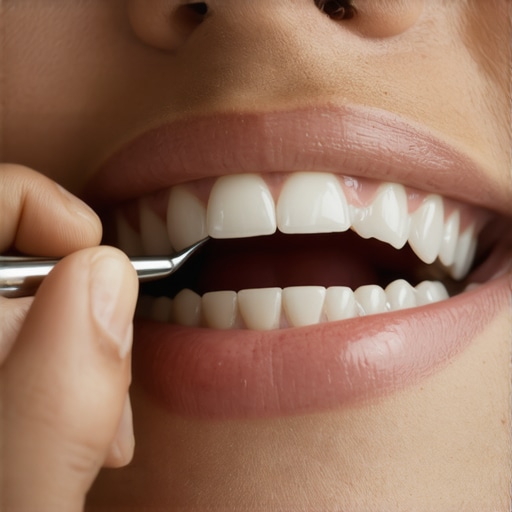
Investing in the Right Equipment for Lasting Results
Maintaining the health and aesthetics of your smile isn’t a one-time effort—it requires reliable tools and a strategic approach. Personally, I rely on a combination of high-quality equipment and proven methods to ensure my patients enjoy durable, beautiful results well into the future. One essential piece of equipment I advocate for is an ultrasonic scaler. Not only does it provide efficient plaque removal, but its gentle vibrations help preserve enamel integrity, which is critical for ongoing sensitivity management.
In addition, I recommend a LCD intraoral camera. This allows me to clearly visualize areas that need attention, track changes over time, and involve my patients in understanding their oral health journey. Its real-time images are invaluable for explaining the importance of maintenance routines, especially for complex cases involving veneers or Invisalign.
For at-home care, I emphasize the use of a sonic toothbrush. Unlike standard brushes, sonic models generate thousands of strokes per minute, reaching into hard-to-access areas and disrupting plaque buildup more effectively. Personally, I prefer the Sonicare Dental Sonic Toothbrush because of its customizable settings and long-lasting battery, making daily maintenance easier and more effective.
When it comes to long-term results, consistent monitoring is key. I schedule regular check-ups, but I also utilize digital tracking tools that record daily habits, like brushing duration and frequency. This data helps me tailor personalized maintenance plans and catch potential issues early. As advancements in digital dentistry continue, I predict that AI-powered monitoring devices will become standard, offering even more precise, real-time insights into oral health.
How do I keep my dental improvements in top shape over years?
One approach I always stress is a disciplined routine complemented by specialized tools designed for durability. For those with veneers, for example, a weekly gentle fluoride rinse can bolster enamel strength and reduce sensitivity risk. For whitening treatments, using a desensitizing gel post-treatment prevents those annoying Zaps that can discourage continued maintenance.
My advice is to prioritize tools that fit into your lifestyle while aligning with professional recommendations. A custom-made night guard, for example, can prevent damage from grinding—an often-overlooked factor contributing to veneer failure and long-term sensitivity. Regular consultations ensure adjustments and upkeep, making your investment in cosmetic procedures truly pay off over the years.
The Future of Dental Maintenance Looks Bright
With ongoing technological innovations, I foresee a future where smart brushes and connected devices provide seamless, personalized maintenance plans. Incorporating AI-driven feedback and real-time assessments, these tools will empower patients to take charge of their dental health with minimal effort and maximum effectiveness. Embracing these changes now can set you ahead in preserving your smile’s beauty for decades to come—so I encourage you to try out a recommended tool like a sonic toothbrush or intraoral camera today.
If you’re curious about optimizing your maintenance routine or need professional guidance, don’t hesitate to reach out to us. Taking proactive steps now ensures your investment in cosmetic dentistry remains a source of confidence and health for years to come.
Lessons I Didn’t Expect About Smile Care
- Initially, I believed that sensitive teeth were just an unavoidable part of aging, but I learned that proactive protection and gentle routines can significantly delay or even prevent worsening sensitivity.
- Using desensitizing toothpaste isn’t just a quick fix; when combined with habits like soft brushing and proper flossing, it becomes a powerful shield for your enamel.
- I realized that diet plays a silent yet crucial role—limiting acidic and sugary foods can preserve enamel and keep cold air from turning into a painful surprise.
- Professional treatments, such as fluoride varnishes and minimally invasive bonding, not only provide relief but also extend the lifespan of your smile’s health and aesthetics.
- Investing in quality tools like sonic toothbrushes and intraoral cameras didn’t just improve my practice—they transformed patients’ experiences and outcomes.
My Go-To Resources for Family Dentistry and Smile Enhancement
- Veneers Made Simple – This guide helped me understand how modern veneer techniques minimize invasiveness while maximizing beauty, making it easier to recommend treatment options confidently.
- Teeth Whitening Secrets – It provided insights into safe, effective ways to brighten smiles, ensuring optimal results without sensitivity spikes.
- Invisalign Innovations – Staying updated on the latest advancements has helped me tailor invisible orthodontic solutions that are both comfortable and efficient.
- Family Dentistry Tips – This resource reminds me of the importance of early habits for lifelong oral health, encouraging proactive family-focused care.
Take Charge of Your Smile Today
Protecting your teeth from cold sensitivity isn’t just about immediate relief—it’s about empowering yourself with knowledge and proactive habits to enjoy a healthy, vibrant smile for years to come. Remember, small daily efforts combined with professional guidance make a world of difference. Why wait for discomfort to shine a spotlight on issues when you can take control now and keep your smile shining bright? Have you ever found a particular trick that made your teeth less sensitive? Let me know below and join the conversation!”}
Embrace the Future of Smile Care with Confidence
Advancements in dental technology mean you no longer have to accept discomfort as inevitable. From smart brushing devices to personalized treatment plans, tomorrow’s smile care is tailored, effective, and accessible. Start today—your smile deserves that investment, and a little proactive effort can lead to lifelong benefits.
If you’re curious about personalized strategies to boost your dental health or want expert advice, don’t hesitate to reach out to us. Together, we can craft a plan that keeps your smile resilient and radiant, even in the chilliest days ahead.
,