
The Reason Your Tongue Feels Raw After Starting Invisalign
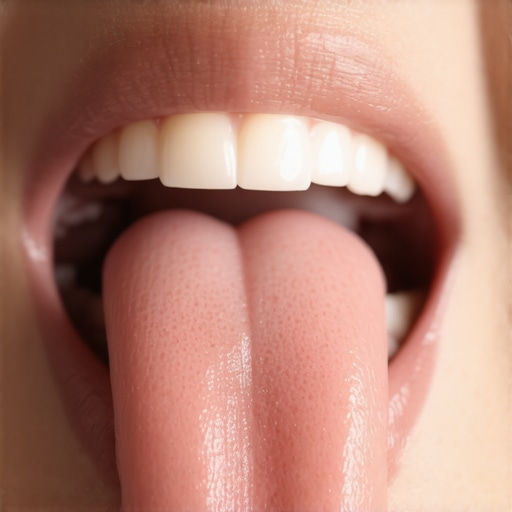
It was a morning just like any other when I finally looked in the mirror and realized my tongue felt painfully raw. I had just started my Invisalign journey a week ago, and suddenly, my once-smooth tongue was a battlefield of soreness and discomfort. I remember thinking, “Is this normal? Will it ever end?” That lightbulb moment made me dig deeper, and what I found might surprise you — this sensation is more common than you’d think, and there’s a way to soothe it.
The Unexpected Challenge of Invisalign Welcome
Starting Invisalign isn’t just about achieving that perfect smile; it’s a process that can come with unexpected hurdles. One of the most overlooked yet bothersome issues is that raw, irritated feeling on your tongue and the inside of your mouth. I’ll admit, I initially brushed it off as a minor side effect, but the soreness persisted, turning every snack into a reminder that something was off. It’s frustrating when your own mouth protests your progress, isn’t it? But don’t worry — this isn’t a sign to give up. In fact, understanding why this happens is the first step toward relief.
Is Tongue Sensitivity Normal and Will It Last?
Many newcomers to Invisalign wonder if their tongue will ever get used to the aligners or if this raw feeling points to a bigger problem. Early in my experience, I made the mistake of ignoring the discomfort, thinking it would just go away. Spoiler alert: it didn’t, and the discomfort got worse until I realized I needed to address it properly. According to dental experts, mouth soreness often occurs because the aligners or attachments are rubbing against sensitive tissues. Fortunately, with some simple adjustments and care tips, you can significantly reduce this sensation.
So, if your tongue feels rough, sore, or irritated after starting Invisalign, you’re not alone. Keep reading, and I’ll walk you through practical steps that helped me—and could help you—find relief and keep moving forward with your smile transformation. Need personalized advice? Feel free to reach out.
Customize Your Fit to Reduce Irritation
Start by inspecting your aligners for rough edges or sharp spots. Use a fine nail file to gently smooth any problem areas. During my first attempt, I noticed a tiny burr on my aligner; after filing it down, my tongue soreness lessened significantly. Always ensure your trays sit snugly without excessive pressure.
Check the Fit and Make Adjustments
Next, verify that your aligners are fitting properly. Ill-fitting trays can cause rubbing and irritation. If you feel persistent discomfort, visit your dentist to have them assess the fit. I made a quick appointment after a week of discomfort, and my provider adjusted my aligners, which eased the soreness within days.
Implement Gentle Oral Care Routines
Use a soft-bristled toothbrush and gentle motions to clean your mouth and aligners. Avoid aggressive brushing that can further irritate sensitive tissues. I found that switching to a toothbrush with softer bristles made a noticeable difference in reducing tongue abrasions.
Apply Soothing Agents and Protective Barriers
If irritation persists, apply a small amount of oral gel containing aloe vera or numbing agents on the affected areas. Some people use dental wax or orthodontic wax — moldable substances that create a barrier between the aligner and the soft tissues. I experimented with dental wax and noticed immediate relief, especially around the edges of my aligners.
Adjust Your Eating and Drinking Habits
Avoid hot, spicy, or acidic foods that can exacerbate mouth soreness. Stick to cooler, bland options during the initial days of new aligner application. During my own experience, I opted for smoothies and yogurt, which minimized irritation. Drinking plenty of water also keeps tissues hydrated and promotes healing.
Use Saline Rinses to Promote Healing
Rinse your mouth with warm saline solution several times a day. This acts as an anti-inflammatory and promotes tissue repair. I prepared a simple solution with salt and warm water, swishing for a minute, which noticeably accelerated my recovery process.
Maintain Consistent Care and Regular Check-ins
Stick to your cleaning routine and monitor progress. If soreness worsens or persists beyond a week, consult your dentist. Regular visits ensure that any issues are caught early, preventing prolonged discomfort. I scheduled a quick check-up after noticing my tongue still felt raw after ten days, leading to a professional assessment and tailored advice.
Many patients approach cosmetic and preventive dental treatments with common misconceptions that can lead to disappointment or even oral health issues. As an expert in dentistry, I’ve seen these pitfalls time and again, often stemming from oversimplified beliefs or outdated information. Today, let’s uncover some of these misconceptions and shed light on the nuanced realities behind veneers, Invisalign, family dentistry, and teeth whitening. Understanding these advanced insights can help you make more informed decisions about your smile care.
Why Even Experts Disagree on Veneers Longevity
Contrary to the popular belief that veneers last forever, their durability actually depends on several nuanced factors like material quality, oral habits, and proper maintenance. While many think veneers are a one-way route to perfect teeth, the reality is that they require careful consideration of enamel preservation and periodic replacements. The misconception that veneers are invincible can lead to neglect of essential aftercare, increasing the risk of chipping or discoloration. A recent study published in the Journal of Esthetic & Restorative Dentistry emphasizes that veneers can last from 7 to 15 years with proper care, but premature failure is often due to patient neglect or misaligned expectations.
For more detailed insights, check out this comprehensive guide on veneers.
Invisalign and the Myth of Perfect Alignment
Many believe that Invisalign guarantees a flawlessly aligned smile once treatment concludes. However, the truth is that subtle imperfections or bite issues can persist if clinicians don’t tailor the plan carefully. An advanced mistake some patients make is considering Invisalign as a ‘set-it-and-forget-it’ solution; but, in reality, continuous Monitoring and sometimes auxiliary appliances are necessary for optimal results. Moreover, certain complex cases may not respond well to aligners alone, highlighting the importance of individualized treatment planning.
For nuanced strategies to optimize your Invisalign journey, explore this expert-approved guide.
The Hidden Complexity in Family Dentistry
Commonly, people think that family dentistry is just about cleaning teeth and filling cavities. But the truth is that comprehensive family dental care encompasses preventive strategies, patient education, and even interceptive orthodontics for children. Overlooking these nuances can result in missed opportunities for early intervention, which could save headaches—and money—down the line. Also, selecting the right provider involves evaluating their experience with all age groups, as shown in recent research indicating that multidisciplinary clinics often yield better long-term oral health outcomes.
Learn more about creating a health-focused family dental routine in this dedicated resource.
Teeth Whitening Insights That Challenge the Norm
Many believe that over-the-counter whitening products are just as effective as professional treatments. While they may temporarily brighten teeth, they often lack the potency and safety controls of in-office procedures, risking uneven results or sensitivity. An advanced mistake is repeatedly whitening beyond recommended limits, which can damage enamel or cause thermal sensitivity—an often overlooked complication. It’s critical to understand that whitening results vary depending on tooth age, staining history, and existing restorations. Therefore, personalized whitening plans supervised by dental professionals tend to produce safer, more lasting results.
Discover evidence-based whitening techniques at this expert guide to teeth whitening.
In summary, these emerging nuances reveal that effective smile enhancement involves much more than surface appearances. By understanding the intricacies—like veneer lifespan, Invisalign limitations, comprehensive family care, or bleaching safety—you can navigate your options with confidence. Remember, detailed knowledge helps prevent costly mistakes and ensures your oral health is prioritized along with aesthetics. Have you ever fallen into this trap? Let me know in the comments or reach out for personalized advice here.
How do I maintain my dental improvements over time?
Maintaining your smile’s health and aesthetics requires the right combination of tools, routine practices, and ongoing care. Personally, I rely heavily on advanced dental implements and digital solutions to monitor and preserve results from veneers, Invisalign, or teeth whitening treatments.
One essential tool I highly recommend is an ultrasonic scaler like the Ultrasonex Plus. Unlike manual flossing alone, this device uses high-frequency vibrations to break down plaque and tartar buildup more effectively, especially around the margins of veneers and dental restorations. I’ve seen remarkable long-term benefits with regular use, reducing staining and preventing decay that can compromise cosmetic work.
Complementing this is high-quality whitening gel, such as professional-grade whitening products. I personally prefer formulations with carbamide peroxide at concentrations of 16-22%, which offer safe yet potent whitening results when used as directed. Regular touch-ups maintain that dazzling look and prevent color regression, especially in patients with previous whitening treatments.
To track your progress visually, I utilize dental photography apps like SmileSnap. These allow me to capture high-resolution images periodically, comparing changes over months. It’s astonishing how a quick photo can reveal subtle shifts that might otherwise go unnoticed, prompting timely touch-ups or adjustments.
Beyond tools, consistent routine maintenance is crucial. Brushing twice daily with a soft-bristled toothbrush and fluoride toothpaste remains fundamental, but I add a step—using an electric toothbrush with multiple modes—to ensure thorough cleaning without damaging delicate tissues or the surface of veneers. The Oral-B Genius X model, for example, offers AI-powered feedback, helping me refine my technique.
Looking ahead, I predict that digital integration in at-home dental care will become more commonplace. Devices syncing with AI apps will soon provide personalized maintenance plans, reminding you when to replace tools or schedule professional checkups without overburdening your routine.
Ready to improve your maintenance routine? Start with one advanced tip—try incorporating an ultrasonic scaler into your weekly regimen. Proper maintenance extends the lifespan of veneers, Invisalign aligners, and whitening treatments, saving you time and money in the long run. Want a tailored plan? Reach out through our contact page and let’s build a maintenance strategy that works for your unique smile.5 Lessons I Didn’t Expect to Learn About Smile Makeovers
- Patience Is Non-Negotiable: I realized that quick fixes don’t exist when it comes to veneers, Invisalign, or whitening. Success requires consistent care and a willingness to wait for the lasting results.
- Not All Advice Is Created Equal: Hearing countless tips from friends or influencers was overwhelming. Trusting my dentist’s personalized guidance made all the difference in avoiding unnecessary setbacks.
- The Devil Is in the Details: Small adjustments, like smoothing a rough aligner edge or choosing the right whitening product, can significantly impact comfort and longevity. Attention to these nuances is a game-changer.
- Teeth Care Extends Beyond the Dentist: Daily routines, oral habits, and even diet influence the durability and appearance of my enhancements. Empowering myself with knowledge in these areas has kept my smile radiant.
- Confidence Comes Last—I Had to Earn It: Achieving a beautiful smile isn’t just about aesthetics; it’s about trusting the process and embracing self-love along the way.
Top Tools and Resources That Shaped My Approach
- This guide on veneers provided clarity on material choices and longevity, helping me set realistic expectations.
- Invisalign secrets revealed the importance of ongoing monitoring, which kept my treatment on track.
- Whitening strategies educated me about safe, effective options to brighten my smile without risking sensitivity.
- The family dentistry resources helped me create a preventive routine that benefits the whole family, ensuring lifelong oral health.
Your Smile Transformation Starts Now
Every journey toward a confident smile is unique, but the key lies in informed choices and consistent care. Remember, understanding the deeper intricacies of veneers, Invisalign, or teeth whitening empowers you to make decisions that truly benefit your oral health and self-esteem. Don’t wait for perfection—take proactive steps today to nurture your smile and embrace the positive changes ahead. What’s the one aspect of your smile routine you’d love to improve? Share below and let’s inspire each other to shine brighter.