
The Risk of Using Whitening Toothpaste on Porcelain Veneers
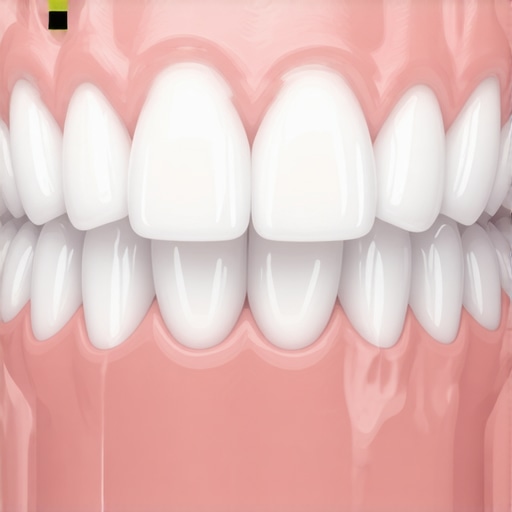
It was just another Tuesday morning when I looked in the mirror and noticed something alarming—my once-bright smile seemed dullening, and I realized a patch of discoloration was creeping over my porcelain veneers. Panic set in. How could something so simple as whitening toothpaste threaten the investment I made in my smile? That moment was a lightbulb for me. I discovered that certain toothpaste types can actually harm porcelain veneers, something I had naively overlooked in my enthusiasm for a sparkling white smile.
The Hidden Dangers Lurking in Your Bathroom Cabinet
Many of us aim for brighter teeth, and whitening toothpaste seems like a quick fix. But if you’ve invested in veneers, staining isn’t your biggest enemy—damage might be. I learned the hard way that using the wrong toothpaste can cause etching, discoloration, or even surface scratches on your veneers. These damages are often irreversible, forcing costly replacements or repairs. Trust me, I wish I had known earlier to avoid the pitfalls that come with a DIY approach to whitening when porcelain is involved.
Could your toothpaste be secretly sabotaging your smile?
Early on, I made the mistake of assuming all whitening products were safe. I ignored the advice that porcelain isn’t like natural enamel; it’s a delicate material that requires gentle care. Turns out, some whitening toothpastes contain abrasives or chemicals that can wear down the surface of veneers over time. According to a study published in the Journal of Esthetic & Restorative Dentistry, abrasiveness in toothpaste can cause surface roughness on porcelain restorations, making them more susceptible to staining and damage (source). So, what’s the fix? Keep reading, and I’ll guide you through simple, effective steps to keep your veneers safe and your smile dazzling.
Choose Gentle, Non-Abrasive Toothpastes
Start by selecting a toothpaste specifically formulated for veneers or indicated as low-abrasive. Look for products labeled ‘low abrasive’ or ‘designed for restorations.’ I remember the first time I checked the label—standing in the aisle, I picked a gentle option and felt relieved, knowing I was protecting my investment. This minor step prevents surface scratches that can cause discoloration and surface roughness later.
Verify the Ingredients
Ensure your toothpaste doesn’t contain harsh chemicals like peroxide or baking soda in high concentrations, which may wear down porcelain over time. Reading labels became my ritual after visiting a cosmetic dentist, who emphasized avoiding abrasive agents. Reusable old toothbrushes with soft bristles also help, mimicking the gentle touch of a baby’s brush—delicate does it.
Use Proper Brushing Techniques
Brush with a soft-bristled toothbrush in gentle circular motions. Think of your veneers as fragile glassware; too much pressure can cause micro-fractures. I once tried to clean my veneers vigorously and ended up with tiny scratches that I didn’t notice until weeks later. Now, I brush gently, paying attention to every stroke, and my veneers stay smooth and shiny.
Timing and Frequency Matter
Limit brushing around your veneers to twice a day and avoid aggressive scrubbing. Incorporate flossing and water flossers to remove debris without damaging the surface. I started using a water flosser, which feels like a gentle massage for my gums and helps keep my veneers pristine without risking microabrasions.
Mind Your Diet and Beverages
Food and drinks are often overlooked enemies in veneer maintenance. Avoid staining beverages like coffee, tea, or red wine or use a straw to minimize contact. I learned this the hard way when a sip of dark tea left a visible stain on my veneer. Rinsing with water immediately afterward helps wash away pigments and acids that could harm the surface.
Stay Away from Stain-Inducing Foods
Limit consumption of berries, tomato sauce, and soy sauce which can cause discoloration. When I indulge in a berry smoothie, I brush my teeth immediately afterward or rinse thoroughly. This proactive approach keeps my veneers whiter longer and prevents costly professional whitening treatments.
Schedule Regular Dental Checkups
Routine visits allow your dentist to inspect the integrity of your veneers and advise on safe whitening options. During my biannual checkups, my dentist confirmed that my veneer surfaces remained intact and advised on conservative whitening methods. Think of these visits as routine maintenance—a key to lasting beauty and health of your smile.
Ask About Specialized Whitening
If you desire a brighter smile, consult your dentist about whitening procedures safe for veneers. They might suggest in-office whitening or external bleaching agents that won’t harm porcelain. I discovered that professional whitening, tailored to veneers, produces optimal results without risking damage.
Explore Proven Whitening Strategies
For additional tips, check out [Teeth Whitening Secrets for a Sparkling Smile](https://smilegumcare.com/teeth-whitening-secrets-for-a-sparkling-smile-in-2025-at-1248). The key is consistency, gentle care, and professional guidance, ensuring your smile stays radiant and your veneers remain undamaged for years to come. Remember, protecting your investment starts with the right products and habits—every small step counts in preserving that picture-perfect smile.
Many patients believe they fully understand their dental treatments, but lurking beneath the surface are nuanced mistakes and misconceptions that can undermine their investment. One common myth is that whitening toothpaste is universally safe for all dental restorations, yet in practice, many don’t realize the abrasiveness can subtly erode porcelain veneers over time—a point supported by research in the Journal of Esthetic & Restorative Dentistry (source). This becomes particularly relevant when choosing products; opting for low-abrasive, veneer-friendly toothpaste is crucial but often overlooked. Perhaps more insidiously, some assume that regular family dental visits are only for children or emergencies, ignoring that professional assessments can catch early signs of veneer wear or emerging misalignments that, if left untreated, may complicate future corrections.
Let’s venture into a deeper understanding of these pitfalls. For example, many believe that whitening agents are interchangeable—what works for natural teeth is safe for veneers. But high peroxide concentrations or acidic rinses can compromise the surface integrity of porcelain, leading to surface roughness or discoloration, which complicates maintenance and longevity. A detailed study in the Journal of Prosthetic Dentistry underscores that improper products accelerate veneer aging (source).
On the subject of orthodontics, many overlook the importance of proper Invisalign tray handling. Shredded or ill-fitting aligners don’t just cause discomfort—they can encourage bacteria buildup or affect the treatment timeline. A key misconception is that Invisalign is a ‘set-it-and-forget-it’ solution; in reality, consistent cleaning, proper storage, and periodic check-ins are vital. For advanced patients, understanding the biomechanics behind aligner-induced pressure points can significantly influence outcomes. You might ask, “How do I adjust my routine for optimal results?” The answer involves meticulous care, as detailed in this resource.
Similar intricacies apply to family dentistry, where myths about fluoride safety or dietary restrictions often lead to neglect or over-cautiousness. Knowing when to escalate to specialized interventions—such as sealants or early cavity detection—can save time, money, and discomfort. Regular checkups are your best preventive armor, yet many skip them, thinking they aren’t necessary until symptoms appear. These visits are opportunities for anticipating issues before they escalate.
In summary, let’s dispel the notion that dental care is a one-size-fits-all solution. Small, informed choices—like selecting gentle teeth whitening products, adhering to proper aligner hygiene, and maintaining routine checkups—can dramatically extend the life of your dental investments. Interested in safeguarding your smile? Contact us today to explore tailored solutions that respect the advanced nuances of modern dentistry, and remember to check out our dedicated articles, such as Veneers Made Simple or Why Your Veneers Might Look Grey in Low Light. Have you ever fallen into this trap? Let me know in the comments.
Keeping It Working: My Favorite Tools for Long-Term Dental Success
Maintaining a beautiful, healthy smile isn’t a set-it-and-forget-it task; it requires the right tools and disciplined habits. Over the years, I’ve refined my routine, leveraging specific equipment and software that ensure my veneers, teeth whitening, and Invisalign treatments stay in top condition.
Precision Cleaning with a Sonic Toothbrush
I personally swear by a high-quality sonic toothbrush like the Philips Sonicare DiamondClean. Its ultrasonic vibrations effectively remove plaque and surface stains without damaging delicate restorations. Unlike manual brushes, it ensures every corner is reached and debris is eliminated efficiently, which is vital for long-term veneer longevity.
Using the Correct Dental Floss and Water Flossers
Regular flossing is essential, but I prefer a water flosser such as the Waterpik Sonic-Fusion. The pulsating water cleans deep between teeth and around veneers gently, reducing gum inflammation and preventing staining. It’s especially useful for maintaining your gum health alongside veneers or braces.
Investing in a Dental Monitoring App
Technology is transforming dental care. I utilize a smartphone app linked to my dental provider that allows for remote monitoring of oral health. Regular photo submissions enable my dentist to detect early signs of veneer wear or misalignment, saving me from costly corrections and ensuring proactive maintenance.
Scheduling Periodic Professional Cleanings
Professional cleanings combined with digital imaging tools—like intraoral scanners—are indispensable. They provide detailed visuals of your dental surface, revealing micro-abrasions or early erosion on veneers. I schedule biannual checkups with my dentist, who uses these tools to tailor my care plan, extending the lifespan of my restorations.
Predictions for the Future: Smarter Tools for Smarter Smiles
Looking ahead, AI-driven diagnostics and personalized oral health gadgets will make maintenance more precise and accessible. Imagine a smart toothbrush that adapts brushing intensity based on sensor feedback or an app that forecasts veneer degradation before visible signs appear. I predict these innovations will make long-term dental care more proactive and less invasive.
How do I keep my dental restorations shining over time?
The key is combining quality tools with consistent habits. Regularly replace your toothbrush head every three months, use gentle yet effective flossers, and leverage innovative apps for remote check-ins. Don’t forget to maintain your routine professional evaluations, which stay a cornerstone of long-term success. Want to learn more about optimizing your dental care? Visit our contact page or explore our resources for tailored advice.
One advanced tip I highly recommend is incorporating a smart plaque detector into your routine. These devices, utilizing optical sensors, provide immediate feedback on areas needing extra attention—helping prevent plaque buildup that can compromise veneers or whitened teeth. Trying this simple yet innovative tool can significantly improve your maintenance game and prolong your investment in that stunning smile.
What I Didn’t Expect About Veneers and Whitening Products
My journey taught me that not all dental advice is created equal—some myths and misconceptions can silently undermine years of work. One hard-learned lesson was realizing that many whitening toothpastes contain abrasives that gradually wear down porcelain veneers, revealing the importance of choosing the right products and consulting with professionals. This revelation was a game-changer, encouraging me to prioritize gentle, veneer-safe options and to stay informed about product ingredients.
Small Habits That Save Your Investment
I discovered that consistent, mindful care—like using a soft-bristled toothbrush, limiting stain-causing foods, and scheduling regular checkups—can significantly extend the life of veneers and whitened teeth. These simple adjustments have kept my smile radiant and avoided costly repairs. The importance of proactive routine care became clear: prevent problems before they arise rather than reacting to damage after it’s done.
The Power of Professional Guidance
Seeking advice from a qualified dentist provided me with tailored strategies that over-the-counter solutions couldn’t match. Personalized tips on maintaining veneers and safe whitening options made a noticeable difference. This underscored that professional assessments are invaluable tools in preserving the beauty and health of your smile over the long term.
Reinforcing My Confidence in Proven Methods
The combination of gentle products, disciplined habits, and professional input created a resilient foundation for my dental health. It became clear that investing in proper tools and knowledge pays off, ensuring my smile remains not only beautiful but also healthy for years to come. I now see my dental routine as an ongoing partnership with experts and quality products—an approach I deeply recommend to anyone committed to optimal oral health.
Where to Go from Here
If you’re serious about preserving your veneers and whitening results, start by reviewing your current routines and products. Explore trusted resources, consult your dentist regularly, and stay curious about innovations in dental care. Remember, your smile is a valuable investment—nurture it with informed choices and proactive habits. For personalized guidance, don’t hesitate to reach out through our contact page. Curious—what small change have you made that made a big difference in your smile maintenance? Share your experiences below!