
The secret to flossing with a permanent retainer without losing your mind
I vividly remember the morning I realized my usual flossing routine had turned into an epic battle. Each day, I’d wrestle with frayed floss and hesitant fingers, trying to navigate the tiny, awkward space behind my lower front teeth where my permanent retainer stubbornly sat. That lightbulb moment—when I looked in the mirror and thought, “There has to be a better way”—was both frustrating and eye-opening.
If you’ve got a permanent retainer, you know the struggles all too well. The floss gets caught, the string shreds, and before you know it, you’re dreading what should be a simple part of your dental hygiene. The truth is, maintaining your oral health with a permanent retainer can feel like trying to thread a needle in the dark.
But here’s the good news: I’ve found strategies that make this process easier, less stressful, and more effective. Today, we’re diving into the secret to flossing without losing your mind—no more skipped spots, no more frustration, just clean, healthy teeth.
Why Flossing Matters More Than Ever with a Retainer
Your retainer is a hero for keeping your teeth aligned, but it can also be a sneaky villain when it comes to plaque buildup and cavities. Without proper flossing, food particles and plaque can sneak into areas your brush simply can’t reach. According to the American Dental Association, flossing reduces the risk of gum disease and cavities between teeth—areas often neglected when flossing is a hassle.
The challenge is that many people give up on flossing altogether, unknowingly risking future dental problems. So, if you’re like me, you’ve probably already experienced the not-so-funny side effects—bad breath, bleeding gums, or worse, a pesky cavity right in a tight spot.
Knowing this, I was determined to crack the code. Early on, I made the mistake of using traditional floss with a lot of force, which only shredded my floss and frustrated me further. That mistake, among others, taught me that not all flossing methods are created equal, especially when you have a permanent retainer. And just like with any dental routine, patience and adopting the right tools make all the difference.
Are you tired of battling your floss every day? Do you dread the thought of skipping cleaning in hard-to-reach areas? Well, stick around—what I’ve learned can transform this challenging chore into a manageable part of your daily routine. Next, I’ll share the practical steps that made my flossing routine smoother and more effective, so you can enjoy healthier gums without the headache.
Choose the Right Flossing Tool
Switch from traditional floss to a floss threader or interdental brushes—these are like the highway routes around your retainer, making the journey smoother. I once tried using regular floss and got frustrated when it shredded; switching to a floss threader transformed my routine overnight.
Prepare Your Floss or Interdental Brush
Cut a 18-inch piece of floss or pick an interdental brush suited for your space. Think of it like prepping your tools before a DIY project—precision matters. I remember spending extra time selecting the right size, which paid off with less frustration later.
Thread the Floss Under the Retainer
Insert the floss threader through the wire behind your teeth, then guide the floss through the loop, pulling it gently until it’s snug between your teeth. It’s like threading a needle, but patience is key. I once jabbed the floss too hard, causing bleeding—gentle is the way to go.
Navigate Carefully
Slide the floss up and down along the tooth surface, hugging the sides to dislodge plaque. Avoid snapping or forcing it, which could damage your gums or loosen the retainer. I learned this the hard way after a couple of bleeding sessions—slow and steady wins the race.
Use Interdental Brushes for Tight Spots
In areas where floss is tough to maneuver, interdental brushes are your allies. They’re like tiny scrub brushes that can reach into narrow spaces. Once, I used a small brush on a stubborn spot, and the immediate clean feeling motivated me to keep this routine.
Rinse and Assess
After flossing and brushing, rinse thoroughly to wash away dislodged debris. Check your gums and teeth—notice any bleeding or discomfort. If bleeding persists or you notice damage, consult your dentist. I periodically visit my family dentist for checkups; they can advise if your technique or tools need adjustment.
Make Flossing a Daily Habit
Consistency is your best friend. Set a daily reminder or pair flossing with brushing—like a dance routine. I found that doing it at the same time each day, such as after dinner, helped turn it into a non-negotiable part of my routine.
While many believe they fully understand these popular dental treatments, there are subtle nuances that can trip even the most informed. For instance, a common misconception is that Invisalign is only suitable for minor misalignments; in reality, advanced cases can also benefit, provided patients adhere strictly to treatment plans, as highlighted in recent studies emphasizing the importance of proper case selection.
Why do some patients still experience uneven results with veneers despite choosing experienced dentists?
This often boils down to a lack of understanding about the material’s limitations and the importance of proper preparation, which can lead to unnatural appearances or early chipping—factors often underestimated by patients eager for quick fixes.
Another frequently overlooked aspect is the myth that teeth whitening solutions are universally safe. Overuse of bleaching products, especially over-the-counter options, can cause increased sensitivity and gum irritation, a fact supported by the American Dental Association’s guidelines urging moderation and professional supervision.
Many presume that family dentistry is solely about basic checkups, but it encompasses comprehensive preventative care tailored to each age group, from pediatric stands to geriatric needs, ensuring lifelong oral health. Missing this nuance often results in reactive rather than proactive care.
Advanced mistakes also include the belief that veneers can be a substitute for orthodontic treatment. While veneers can mask structural imperfections, they don’t address underlying bite issues or jaw misalignments, which can lead to long-term functional problems—a mistake that can be mitigated by consulting specialists and understanding the scope of each treatment.
Have you ever fallen into this trap? Let me know in the comments.
In summary, by appreciating these deeper nuances and dispelling common myths, you can make more informed decisions about your dental health, leading to better outcomes and satisfaction. For a detailed overview, exploring our cornerstone posts on teeth whitening and veneers can offer additional insights. Remember, the key to optimal results lies in understanding the full scope of your options and working with knowledgeable professionals.Maintaining your smile’s brilliance and alignment requires the right tools and a proactive approach. I personally rely on specific equipment that ensures longevity and optimal results. For example, I swear by the *Waterpik Whitening* attachment — it’s gentle yet effective at flushing out debris and plaque from hard-to-reach areas, especially around veneers and braces. Its pulsating water stream helps dislodge stubborn particles that brushing alone might miss, significantly reducing the risk of decay and staining over time. Additionally, I prefer using * ultrasonic cleaners* for my custom aligners and retainers. These devices use high-frequency sound waves to eliminate bacteria and biofilm, preserving the clarity and integrity of the material. I’ve noticed a marked improvement in the longevity of my aligners since I adopted this routine.
Long-term results in teeth whitening also depend heavily on maintenance. I recommend the *Bluic Light Whitening Kit* which combines professional-grade peroxide with LED activation — not only does it accelerate whitening, but it also helps maintain a luminous shine when used bi-weekly. Regular touch-ups using trusted products can sustain that freshly-polished look and prevent staining from stain-inducing foods and drinks.
As technology advances, I predict a trend toward smarter dental tools integrated with app-based monitoring systems. Imagine devices that alert you when your aligners or whitening trays need cleaning or replacement, ensuring you always follow the optimal routine. Companies like Invisalign are already exploring AI-driven treatment progress tracking, which will likely become more prevalent.
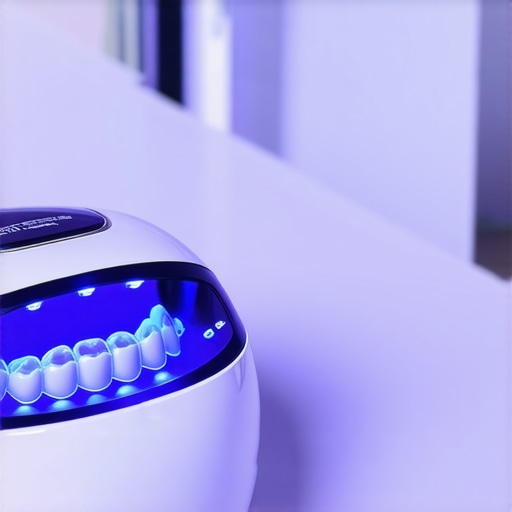
If you’re serious about keeping your dental work pristine, don’t overlook the importance of routine maintenance. Incorporate tools like ultrasonic cleaners and professional LED whitening kits into your regimen — they can make a significant difference in preserving your smile’s health and beauty.
### How can I keep my dental appliances working effectively over time?
Consistent cleaning using specialized tools, regular professional checkups, and staying informed about new maintenance technologies are key. For example, using an ultrasonic cleaner weekly can prevent buildup that dulls the appearance of veneers or whitened teeth, thus extending their lifespan. Staying proactive with your dental routine is essential for long-lasting results. If you’re interested in exploring the latest in at-home teeth whitening, check out [our guide on teeth whitening options in 2025](https://smilegumcare.com/the-ultimate-guide-to-teeth-whitening-options-in-2025). Remember, an investment in tools and knowledge today protects your smile tomorrow.
Hidden Lessons Behind My Tooth-Strengthening Journey
One of the biggest lightbulb moments I had was realizing that patience and the right tools can turn a frustrating routine into a confident habit. I used to think that only professional procedures could ensure my teeth stayed healthy, but I learned that small, consistent efforts make a profound difference. Trusting my instincts and experimenting with different flossing methods revealed that personal knowledge and adaptability are invaluable. I wish I had known earlier that my mindset—embracing frustration as part of the learning curve—could have saved me time and saved my gums from unnecessary irritation.
Tools That Truly Transformed My Flossing Routine
My secret weapons are interdental brushes and floss threaders, which specifically cater to the unique challenges of a permanent retainer. I’ve come to rely on brands like Plackers and GUM’s EasyThreader for their durability and ease of use. These tools helped me reach tricky spots without damaging my gums or dislodging the retainer. My advice? Invest in quality, tailored dental tools—they’re worth their weight in healthier teeth and less stress during your routine.
How I Turned Flossing into a Moment of Self-Care
Instead of viewing flossing as a chore, I now see it as a mindful ritual—an act of kindness toward my future self. Incorporating it into my evening routine, paired with calming music, helped me create a positive association. This mental shift was essential for consistency. If you want to make your dental health journey enjoyable, try pairing flossing with a favorite podcast or relaxing tea. Remember, small habits build up to big results, especially when it comes to your smile.
Inspired to Elevate Your Dental Routine Today
Understanding the nuances of flossing with a permanent retainer isn’t just about technique; it’s about embracing patience, using the right tools, and fostering a genuine care for your oral health. Your efforts can lead to a brighter, healthier smile—without the frustration. For comprehensive guidance on maintaining your smile’s brilliance, explore [the ultimate guide to teeth whitening options in 2025](https://smilegumcare.com/the-ultimate-guide-to-teeth-whitening-options-in-2025). What’s one change you can make today to make flossing easier and more effective? Share your thoughts below—I love hearing your experiences!