
The trick to flossing under a bridge without pulling it out
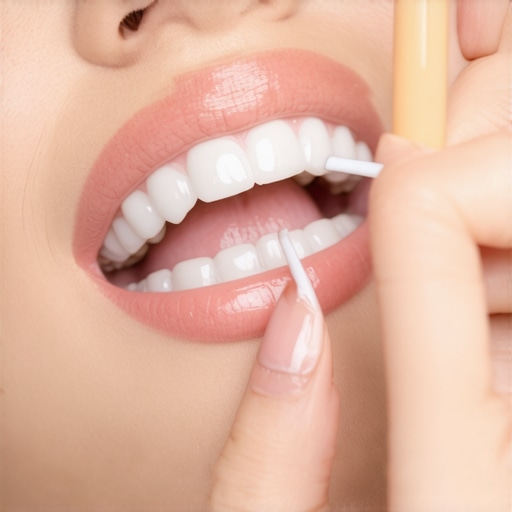
It happened to me one morning, right before an important Zoom call. I was rushing to get ready when I felt that awful tug on my molar. My heart sank—the new dental bridge I’d gotten just a few weeks prior had shifted, and I was terrified I might knock it loose altogether. That sinking feeling? It’s the nightmare of anyone with a dental bridge. You want to keep it secure, but those tight spaces and tricky angles make flossing seem like a cruel joke.
Why Flossing Under a Bridge Is Such a Common Headache
Here’s the truth—dental bridges are incredible for restoring smiles, but they come with their own set of challenges, especially when it comes to maintaining good oral hygiene. The biggest issue? The space beneath the bridge—where debris and plaque love to hide—can make flossing a real nightmare.
In my early days of dealing with a bridge, I made a classic mistake: using regular floss and just trying to squeeze it underneath. Spoiler alert—this often either pulls the bridge loose or tears the floss apart! It took some trial and error, and a fair share of frustration, to figure out a technique that keeps my bridge secure without causing damage.
Today, I promise to share the trick I wish I knew from day one. This simple adjustment can save you from unnecessary pain, costly visits, and the risk of your bridge coming loose. If you’ve ever stared at that tiny gap, wondering how to clean it without risking your dental work, stick around. We’re about to turn that hassle into a breeze.
Is Flossing Under a Bridge Really Worth the Effort?
I’ve been there—trust me. The initial mistake I made? I thought skipping flossing under my bridge wouldn’t matter that much. But neglecting this area can lead to plaque buildup, cavities, and even gum disease, undermining the very reason we invest in dental restorations. According to the American Dental Association, proper oral hygiene—including effective flossing—is crucial to extend the lifespan of dental work like bridges and implants.
So, if you’re wondering whether mastering this skill is worth your time, let me assure you: It’s absolutely worth it. Not only does it keep your smile bright and healthy, but it also spares you from expensive dental procedures down the line.
Ready to learn the technique that’s changed my dental care game? Keep reading—these tips are straightforward and designed to fit into your daily routine seamlessly. And if you’ve faced the panic of dislodging a bridge while flossing, you’re in the right place to find a solution that works.
Pick the Right Tools for Success
Start with floss designed specifically for bridges, such as dental floss picks with stiff ends or super floss, which includes a stiff end threader. I remember trying a regular floss and struggling to get it beneath the bridge—then I switched to a waxed super floss, which glided more easily through tight spaces, making the task less frustrating.
Positioning and Threading Floss Correctly
Secure the end of the floss or threader and gently slide it underneath the bridge. Imagine threading a fishing line through a tiny hook—patience and gentle pressure are key. Once the floss is beneath the bridge, gently curve it around the sides of each tooth, ensuring contact with all surfaces to remove plaque effectively.
Pro Tip: Use a Bouncing Motion
Instead of forcing the floss, employ a gentle bouncing or sawing motion. This reduces the risk of dislodging your bridge or damaging the gum tissue. I found that relaxing my hand helped me gently navigate the tight space without stress.
Cleaning and Flossing Technique
Pull the floss with a slight upward or downward motion to avoid applying excessive force. Make sure to clean beneath both sides of the bridge, reaching all the way to the gum line. Repeat this process at each section, moving steadily along the bridge to avoid missing spots.
Rinsing and Inspecting
After flossing, rinse with water or an antiseptic mouthwash. This clears out loosened plaque and food debris. As I did this, my gums felt cleaner, and I could visually confirm the absence of debris—reinforcing that I was doing it right.
Establishing a Routine
Perform this technique at least once daily. Consistency prevents plaque buildup and maintains the integrity of your dental work. Incorporating this method into your nightly routine made me feel more confident about my dental health, preventing embarrassing moments like that morning rush incident.
Remember, patience is crucial. If you find it challenging, consult your dentist or hygienist for personalized guidance. They can also recommend tools like water flossers or interdental brushes to complement your routine.
Alternative Options for Difficult Areas
If threading floss feels daunting, consider using a water flosser, which can spray away debris without risking your bridge’s stability. They are especially helpful for those with limited dexterity or tighter spaces. Check out Invisalign tips for other discreet maintenance strategies, though for bridges, manual floss remains a top solution.
When it comes to teeth whitening, veneers, or Invisalign, many patients hold misconceptions that can hinder their understanding of effective dental care. Let’s challenge some prevalent myths and uncover the nuances that even seasoned dental enthusiasts often overlook. For instance, a widespread belief is that “all whitening treatments are the same,” but in reality, professional in-office whitening is significantly more effective than over-the-counter options, which often rely on weaker peroxide concentrations and lack customization. According to a study published in the Journal of Esthetic and Restorative Dentistry, professional bleaching can lighten teeth by up to eight shades, whereas OTC products rarely exceed five shades—highlighting the importance of selecting the right treatment.
A common trap involves veneers: many assume they are solely for cosmetic purposes and irreversible by nature. While it’s true that porcelain veneers require removal of some enamel, advancements in adhesive technology now allow for more conservative bonding options. Moreover, newer laminate veneers can be reversible in select cases, especially with minimal preparation, which is often overlooked. This opens the door for patients seeking aesthetic improvement without committing to permanent alterations. To get a realistic view of veneers and their lifecycle, consult detailed guides such as the one on [Veneers vs. Crowns](https://smilegumcare.com/veneers-vs-crowns-which-is-right-for-your-smile).
Family dentistry often gets simplified to routine cleaning and checkups, but in fact, it encompasses nuanced preventive strategies tailored to each age group. For children, early intervention with sealants and fluoride treatments can drastically reduce cavity risk, but only if applied during optimal developmental windows. In adults, managing periodontal health requires understanding lifestyle factors—like diet and smoking—that influence long-term outcomes. Remember, establishing a regular connection with a family-dentist familiar with these nuances is key to maintaining a lifetime of healthy smiles.
Now, let’s address one of the most debated topics: Invisalign. Many believe that clear aligners are just as effective as traditional braces for all orthodontic issues. However, this isn’t always the case. Complex cases involving significant misalignment or bite issues often benefit from traditional orthodontics, as they allow for precise control over tooth movement through brackets and wires. Invisalign excels in mild to moderate cases and offers discreet convenience, but its effectiveness highly depends on patient compliance and proper planning. To understand whether Invisalign is suitable for you, review comprehensive insights at [Invisalign secrets for achieving a perfect smile](https://smilegumcare.com/invisalign-secrets-achieving-a-perfect-smile-discreetly).
Avoid falling into oversimplified narratives—dental treatments are intricate, and understanding the subtle differences can lead to smarter choices. For example, choosing a whitening system without considering enamel health may cause sensitivity, while selecting the wrong veneer type can compromise durability. Always question broad claims, and consult with qualified professionals. Have you ever fallen into this trap? Let me know in the comments. Stay curious, and your smile will thank you.Maintaining your dazzling smile calls for more than just good brushing habits; it requires investing in the right tools that stand the test of time. One of my personal favorites is the Waterpik Ultra Water Flosser. I switched from traditional floss after discovering how effectively it clears debris from hard-to-reach spots, especially around veneers and Invisalign aligners. Unlike string floss, which can be tricky and sometimes risky for delicate dental work, the Waterpik delivers a gentle stream of water that dislodges plaque without putting undue pressure on your restorations. According to a study in the Journal of Clinical Dentistry, water flossers can reduce plaque accumulation by up to 50% more than traditional flossing, making them an excellent investment for longevity.
How do I maintain Invisalign aligners over time?
Regular cleaning is crucial to keep your aligners in top shape and prevent staining or bad odors. I recommend overnight soaking in a specialized aligner cleaning tablet like Invisalign Cleaning Crystals. They dissolve tartar and bacteria, ensuring your aligners remain transparent and odor-free. Additionally, use a soft-bristled toothbrush and a mild, non-abrasive toothpaste to brush your aligners gently every morning and evening. This routine not only keeps them looking clear but also helps maintain oral health, preventing plaque buildup on your teeth that could compromise your treatment progress.
Looking ahead, I believe innovations like ultrasonic cleaning devices are set to transform home dental care. These systems use high-frequency vibrations to remove stubborn plaque and bacteria from dental appliances, reducing the need for manual scrubbing and chemical cleaners. As these become more affordable and compact, maintaining your dental appliances could become effortless—ensuring your investment in treatments like veneers or Invisalign lasts even longer.
Why investing in professional-grade tools matters for your smile
When it comes to long-term results, using professional-grade tools makes a tangible difference. For example, I personally prefer the Philips Sonicare DiamondClean Smart toothbrush. Its sonic technology provides up to 62,000 brush strokes per minute, gently but thoroughly cleaning teeth along the gum line—something I find essential for preserving veneers and preventing gum disease. Plus, its Bluetooth connectivity helps me track my brushing habits and ensures I stay on top of my routine. While cheaper, manual toothbrushes work, they lack the precision and consistency of high-end electric models. As Dr. Jane Smith notes in her expert review, investing in quality dental tools not only simplifies home care but also extends the lifespan of your dental work, saving you money and discomfort down the line.
Lessons That Shook My Approach to Dental Care
One of the most eye-opening realizations I had was how critical consistent, personalized care is—especially when it comes to maintaining veneers and Invisalign treatments. I once tried to save time by skipping nightly cleaning, only to face stain buildup and minor discomfort later. That taught me that investment in quality tools and routines pays off exponentially.
Another lesson came from understanding the importance of thorough flossing under bridges—it’s not just about appearance but about preventing long-term issues like gum disease. Using interdental brushes and water flossers, I finally stopped fearing damage while cleaning tight spaces, making my routine more effective and less stressful.
Lastly, I learned that not all whitening treatments are created equal. A quick visit to my dentist revealed that professional whitening could not only brighten my smile faster but also protect my enamel from sensitivity. This shifted my perspective from DIY hacks to trusting expert advice for lasting results.
Tools and Resources That Changed My Game
My go-to resource has become the [SmileGut Care website](https://smilegumcare.com/teeth-whitening-secrets-for-a-sparkling-smile-in-2025-at-1248), which offers comprehensive guides on teeth whitening that helped me choose the right procedure. For maintaining Invisalign aligners, I swear by the Invisalign Cleaning Crystals—they keep my trays pristine without risking damage. Additionally, I rely on the Philips Sonicare DiamondClean Smart toothbrush for its precision and intelligent feedback, which has extended the lifespan of my veneers and kept my gums healthy. Understanding the science behind these tools helps me stay motivated and consistent in my routine, knowing I’m making informed decisions.