
The truth about charcoal toothbrushes and your gum health
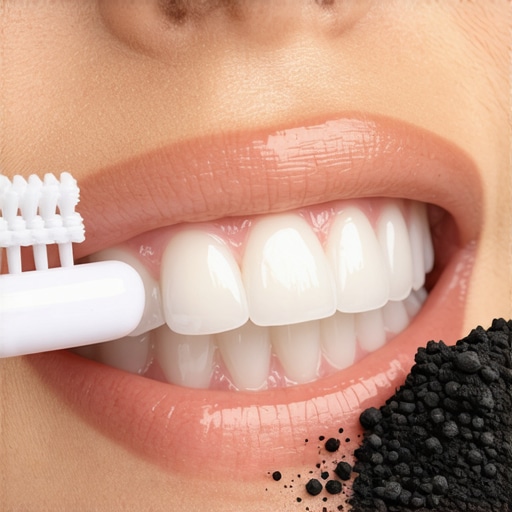
It hit me suddenly—after months of using that trendy charcoal toothbrush, I looked in the mirror and noticed my gums were swollen and bleeding. Initially, I thought it was just irritation, but it kept getting worse. That was my lightbulb moment. I realized I had fallen into the hype without understanding the real effects on my gum health. If you’ve ever experienced similar frustration or confusion about dental products, you’re not alone.
Why I Stopped Trusting Every New Teeth-Whitening Trend
Many of us get drawn in by promising images of pearly whites and quick fixes. Charcoal toothbrushes, in particular, have become popular for their supposed ability to whiten teeth naturally. But beneath the surface, I found that my gums were paying the price. Early on, I made the mistake of thinking that more abrasive products meant better cleaning. Turns out, that’s not how it works. Regular overuse of harsh abrasives can damage delicate gum tissue and enamel.
Was this hype really worth risking my gum health? Well, I had to find out. That’s why I started digging into trustworthy sources and understanding what science says about these so-called miracle products. According to the American Dental Association, overly abrasive toothpaste or brushes can cause gum recession and erosion of tooth enamel (source: ADA).
If you’ve been using a charcoal toothbrush and noticed increased sensitivity or bleeding, I want to help you understand whether it’s worth sticking to or ditching your current routine. Before I share what I learned, let’s tackle one common skepticism.
Is Charcoal Toothbrushes Actually Worth the Hype?
One mistake I made early on was believing that natural means safe. While charcoal can adsorb toxins, its abrasive side can be harmful if used excessively. As I later discovered, gentle, fluoride-based toothpaste is more effective and safer for long-term gum health. Want to know some proven strategies for maintaining a healthy, sparkling smile without risking your gums? Keep reading, because I’m sharing tips that genuinely work.
Ready to take control of your dental care? If you’re concerned about charcoal’s impact on your gums or curious about healthier alternatives, feel free to reach out through our contact page. Let’s ensure your smile stays bright and healthy for years to come.
Get Your Teeth Alignment Right with Invisalign
Start by scheduling a consultation with a certified orthodontist to assess if Invisalign suits your needs. During the appointment, discuss your smile goals and any concerns about discreet braces. I once brought my broken invisalign attachments to a specialist, and they advised an easy fix involving replacing the attachments with minimal discomfort, which improved my experience instantly.
Prepare Your Teeth for Invisalign
Ensure your teeth are healthy before starting treatment. A full dental exam and cleaning help remove plaque and tartar, preventing potential complications. I learned this the hard way when skipping my cleaning led to delays in my Invisalign appointments. Proper oral hygiene is essential for effective treatment.
Wear Your Aligners as Directed
Consistency is key—wear your aligners at least 22 hours daily. Set reminders to avoid accidentally forgetting them, especially during meals or sleep. When I started setting alarms on my phone, I noticed my teeth were shifting as planned, and I avoided prolonging my treatment.
Building a Family Dental Routine
Establish a schedule for everyone in the family, emphasizing brushing and flossing twice daily. Young children may resist, so make it fun by using colorful toothbrushes or singing songs. I implemented a reward chart for my kids‘ flossing, which significantly improved their dental habits.
Visit the Dentist Regularly
Schedule checkups every six months, or more frequently if advised. Routine visits catch issues early—preventing costly problems later. I once delayed my kid’s dental visit, and a small cavity became a bigger issue. Consistency keeps everyone healthy and reduces surprises.
Brightening Smiles Safely with Effective Whitening
Choose proven whitening methods, such as professional in-office treatments or trusted over-the-counter strips. For instance, I used a top-tier whitening kit after consulting my dentist, which provided visible results without sensitivity. Read more about top strategies in this article.
Follow Proper Protocols
Always follow instructions—overusing whitening gels can cause gum sensitivity or enamel damage. I learned this the hard way when applying extra gel, causing discomfort. Use only recommended quantities and durations to protect your smile.
Enhance Your Teeth Appearance with Veneers
Start with a consultation to discuss your aesthetic goals and learn about veneer types. I visited a cosmetic dentist who explained the differences between porcelain veneers and lumineers, which helped me decide. A visual preview, possibly with digital smile simulations, can clarify expectations.
Prepare for the Procedure
Maintain excellent oral health before placement—address any decay or gum issues. On the day of my veneer placement, I ensured my teeth were thoroughly cleaned, leading to better adhesion and longevity. Follow your dentist’s pre-op instructions carefully for optimal results.
Care for Your Veneers
Post-procedure, avoid biting hard objects and practice good oral hygiene. Regular checkups will monitor the condition of your veneers. I set reminders for dental visits to ensure my veneers stay pristine, which they have for years.
While many believe they understand the basics of treatments like Invisalign, family dentistry, teeth whitening, and veneers, the truth is there are subtle complexities that often slip under the radar. Often, patients focus only on the surface benefits without appreciating the nuanced factors that influence long-term success and health. Let’s explore some of these lesser-known truths to ensure your choices truly serve your smile’s health and beauty.
Does Wearing Invisalign All the Time Really Guarantee Faster Results?
Many assume that since Invisalign aligners must be worn roughly 22 hours a day, any deviation significantly delays outcomes. However, recent studies indicate that occasional removal—say, during meals or brushing—does not drastically affect treatment timelines if the average wear time remains high. The key is consistency over perfection; small lapses are less detrimental than many believe. For advanced insights, check out this resource for proven strategies that maximize your aligners’ effectiveness.
Hidden Pitfalls of Family Dentistry That Can Sneak Up on You
Many assume that a reputable family dentist will catch all issues early, but gaps in routine checkups or miscommunication can lead to overlooked problems like early cavities or misaligned teeth in children. Additionally, some family practices may lack specialization in orthodontics or cosmetic treatments, leading to suboptimal results for complex cases. Establishing a tailored plan by consulting specialists and reading this guide can help prevent surprises down the road.
Are Teeth-Whitening Products Causing More Damage Than You Think?
The surge of over-the-counter whitening options encourages many to DIY what should be professional procedures. While these products seem convenient, they often contain harsh chemicals or produce uneven results, risking enamel erosion or increased sensitivity. Myths about ‘natural’ whitening agents like lemon juice or baking soda are dangerous; they can damage enamel rather than enhance whiteness. For safer, science-backed tips, visit this article that clarifies effective approaches.
Veneers: More Than Just Cosmetic Enhancements
Many think veneers are purely for aesthetic purposes, but they also serve functional roles, like masking minor misalignments or reinforcing weak teeth. The advanced nuance is that improper preparation or placement can lead to issues such as increased tooth sensitivity or veneer failure. Moreover, choosing between porcelain and composite veneers isn’t just about cost but also durability and reparability—each option offers unique benefits and drawbacks. Dive into this detailed guide to understand what suits your needs best.
Having awareness of these subtle but impactful factors can dramatically improve your dental treatment outcomes. Remember, informed decisions lead to healthier, happier smiles. Have you ever fallen into this trap? Let me know in the comments, and share your experiences or questions about your dental journey.Maintaining your dental enhancements and orthodontic results requires more than just regular brushing; it hinges on the right tools, consistent routines, and smart practices. Over the years, I’ve refined my setup to ensure my smile stays healthy and looks fantastic long-term. Let me share the specific equipment and methods I personally rely on to keep my dental investments in top shape.
Investing in an Ultrasonic Toothbrush for Superior Plaque Removal
In my routine, I use the Sonicare DiamondClean Smart. Its advanced sonic technology delivers up to 62,000 brush strokes per minute, effectively dislodging plaque from hard-to-reach areas. Unlike standard brushes, this device’s multiple cleaning modes allow me to customize my experience—whether I need a gentle polish or a deep clean. Regular use of such an ultrasonic toothbrush significantly reduces the risk of cavities and gum disease, especially important after treatments like veneers or whitening. Practical, effective, and gentle, this tool is a game-changer for long-term dental health.
Utilizing Professional-Grade Water Flossers for Deep Cleaning
I highly recommend the Waterpik Sonic-Fusion 2.0. It combines brushing and water flossing in one device, making daily maintenance more efficient. The pulsating water jets clean interdental spaces and beneath gums where traditional floss can’t reach, helping to prevent gum recession and decay around orthodontic attachments or veneers. Incorporating this into my routine has noticeably improved my gum health and preserved my smile’s aesthetics.
Employing Custom-Instructed Dental Software for Monitoring and Guidance
To stay on top of my dental progress, I use the Invisalign Progress Tracker app, which syncs with my aligners. This software keeps track of wear time and provides reminders, ensuring I adhere to my treatment plan. Additionally, I consult my dentist regularly through secure tele-dentistry platforms—detecting minor issues early before they escalate. Combining digital monitoring with professional oversight empowers me to manage my smile effectively over the years.
Future Trends in Dental Maintenance
Looking ahead, I believe advancements in AI-driven dental diagnostics and smart toothbrush technology will become standard. Devices capable of analyzing plaque buildup or predicting gum disease risk will personalize maintenance routines even further. Embracing these innovations could dramatically simplify long-term care, enabling us all to keep our smiles healthy and radiant without extensive effort.
How do I sustain my dental tools and routines over time?
Cleaning my ultrasonic brush heads weekly with isopropyl alcohol and replacing them every three months ensures optimal hygiene and performance. Similarly, I flush my water flosser filters monthly and keep all devices dry when not in use. Scheduling semi-annual dental checkups allows my dentist to calibrate my routine for evolving needs. Staying consistent with these practices keeps my smile aligned with my goals, regardless of aging or treatment progress.
Remember, the right tools are your allies in ensuring your dental treatments and enhancements last. If you’re interested in exploring advanced maintenance tips or need personalized advice, don’t hesitate to reach out. Taking proactive steps today can save you time, money, and discomfort in the future. To deepen your knowledge about teeth whitening and choose the best options to suit your goals, check out this guide—your future radiant smile will thank you.
Throughout my dental journey, I’ve realized that the most impactful lessons often come from unexpected surprises and deep personal reflection. One of the hardest lessons I learned was that perfect smiles aren’t built solely on aesthetic treatments but on understanding the nuanced choices that support long-term oral health. Rushing into procedures without full knowledge can lead to setbacks, like veneer discoloration or Invisalign misalignment, which could have been avoided with proper guidance. Moreover, believing that innovative products like charcoal toothbrushes are always safer proved costly when I experienced gum irritation—reminding me that not all trending solutions are beneficial. Lastly, I discovered that maintaining excellent oral hygiene routines and being vigilant about the limitations of each treatment has the greatest influence on lasting results, often more so than the procedures themselves. These insights have transformed my approach to dental care from impulsive to informed, emphasizing that a truly radiant smile is as much about understanding as it is about appearance.