
The truth about fluoride and whether your child actually needs it
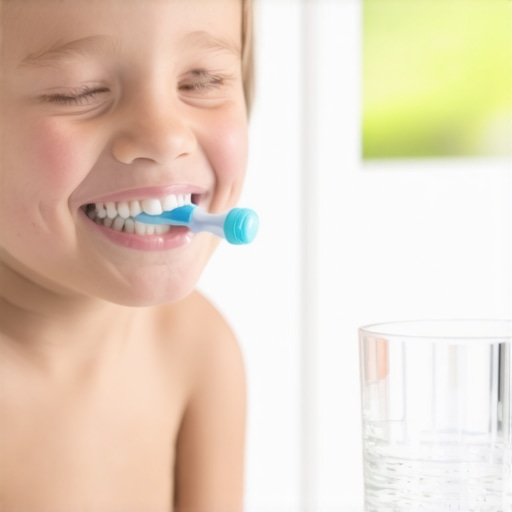
I remember the exact moment I felt a surge of doubt while sitting in the pediatric dentist’s office. My child’s fluoride varnish had just been applied, and I wondered—was I doing the right thing? That little hesitation sparked a journey into the often-misunderstood world of fluoride. What I uncovered changed how I approach my family’s dental care, and I want to share that with you.
The Hidden Truth About Fluoride and Our Kids’ Teeth
For years, we’ve been told that fluoride is essential for preventing cavities and ensuring healthy teeth in children. It’s almost a given—like brushing twice daily or flossing. But is it really necessary? And more importantly, is it safe in the long run? These questions became my obsession after realizing I was following dental advice without truly understanding the science behind it.
Imagine the relief of discovering that some of the common fluoride applications might not be as indispensable as we’ve always believed. Studies have shown that moderate fluoride use can be beneficial, but excessive exposure can lead to fluorosis—white spots or streaks on the teeth—and other health concerns. This revelation made me reassess what I thought I knew and prompted me to seek expert opinions.
Ever Feel Like You’re Doing It All Right, But Still Worry?
I used to think I was on top of dental health, sticking to all the recommended routines, yet I couldn’t shake the feeling that I was missing something crucial. Early on, I made the mistake of blindly accepting fluoride treatments without exploring alternatives or understanding my child’s specific needs. That oversight could have cost us dearly, but it also motivated me to dig deeper.
So, if you’ve ever wondered whether fluoride is genuinely necessary for your child or if you’re just following industry hype, you’re not alone. I promise we’ll uncover the facts behind fluoride, weigh its real benefits against potential risks, and discuss practical steps you can take to make informed decisions about your family’s dental health. Want to find out if your child’s smile is truly protected without overdoing it? Keep reading—and let’s figure this out together.
Establishing a Consistent Brushing and Flossing Habit
Start by setting a fixed schedule for brushing and flossing your family’s teeth—ideally, morning and night. For instance, I once struggled to get my kids to brush before bed, but turning it into a fun challenge with a timer increased their enthusiasm. Use fluoride toothpaste wisely, but avoid overuse to prevent fluorosis. Remember, flossing removes plaque in areas brushes can’t reach, especially between teeth and along the gumline. Making these routines a family affair fosters accountability and consistency.
Introducing Professional Dental Check-Ups
Schedule regular visits with your family dentist—every six months is ideal. During these appointments, the dentist will perform thorough cleanings and early detection of issues. I learned this firsthand when my child was diagnosed with the early signs of decay during a routine check, allowing for simple intervention. To ensure appointments are effective, prepare questions about concerns, and discuss any habits contributing to dental problems, such as frequent sugary snacks.
Using Practical Techniques for Oral Hygiene
Demonstrate Proper Brushing Methods
Teach children the correct angle and motion for brushing, emphasizing at least two minutes per session. Visual aids, like songs or timers, make this process engaging. I once used a colorful sand timer, which visibly motivated my son to brush longer, leading to cleaner teeth and less plaque buildup.
Incorporate Flossing into Daily Routine
Show how to gently glide floss between teeth without injuring the gums. For younger children, using floss picks can simplify the process. Consistency is key; I found that setting a nightly reminder helped my kids remember their flossing duties, reducing cavity risks.
Adjusting Diet to Protect Teeth
Limit sugary snacks and drinks, replacing them with crunchy fruits and vegetables that naturally clean teeth. For example, I replaced candy with apple slices and carrots, which encouraged better oral health. Drinking plenty of water, especially after meals, helps wash away food particles and neutralize acids.
Considering Cosmetic and Restorative Treatments When Needed
If aesthetics or function are concerns, explore options like veneers or teeth whitening. For instance, I recently learned that veneers can be a game-changer for improving a damaged smile, and an informative resource like Veneers Made Simple offers valuable insights. Always consult with your dentist to determine the best approach tailored to your family’s needs.
Maintaining Oral Devices Properly
If using aligners or retainers, cleaning them daily prevents mold and bad odors. I found that soaking aligners in a mixture of water and vinegar weekly kept them fresh. Additionally, storing them in a dedicated case, like described in Cleaning Your Clear Aligners, ensures hygiene and prolongs device lifespan.
Staying Educated and Informed
Regularly update your knowledge about dental care by visiting reputable sites or consulting your dentist. This proactive approach helps you adapt routines as your children grow and their needs change. Remember, each small step contributes significantly to long-term oral health, making dental visits less stressful and more productive.
Many patients enter the world of cosmetic and family dental care armed with misconceptions that can lead to costly mistakes. Contrary to popular belief, veneers are not a quick fix for all dental imperfections; they require careful consideration of shape, size, and material to look natural and last long-term.
Are Veneers Always the Best Option for a Smile Makeover?
While veneers can dramatically enhance your smile, overuse or choosing them without considering underlying issues may result in an unnatural appearance or increased sensitivity. For instance, some assume veneers are invincible and dismiss proper oral hygiene—they’re not. Learn more about when veneers are appropriate and their limitations by visiting Veneers Made Simple.Maintaining your dental enhancements like veneers, Invisalign, and whiter teeth requires more than just good habits; it demands the right tools and routines. Personally, I swear by a few high-quality instruments that have genuinely improved my long-term results. For instance, investing in a **water flosser** has been a game-changer. I use the Waterpik Aquarius because its pressurized stream effectively cleans around aligners and veneers, reducing plaque buildup without damaging delicate restorations. Additionally, a **sonic toothbrush** like the Philips Sonicare DiamondClean offers superior plaque removal and ensures I reach areas traditional brushes often miss, especially along the gumline around veneers and crowns. These tools don’t just keep my smile sparkling; they extend the lifespan of my dental work, saving time and money in the long run. Looking ahead, I believe this trend toward smart, app-connected dental devices will only grow, providing personalized feedback and coaching to enhance at-home care. To truly keep your dental investments working over time, it’s crucial to pair these tools with regular professional check-ups, which you can explore further at family dentistry tips. If you’re serious about safeguarding your bright smile, I recommend trying a water flosser integrated with a timer – it’s an easy upgrade with tremendous benefits. How do I maintain my whitening, veneers, or Invisalign? Consistency with these advanced tools paired with professional guidance makes all the difference, ensuring your smile remains stunning and healthy for years to come.
The Hardest Lesson I Learned About Maintaining a Bright Smile
One of the most impactful lessons was realizing that over-reliance on quick fixes like veneers without proper maintenance can backfire, leading to unnatural looks or sensitivity. I learned to prioritize regular professional check-ups over temporary enhancements, which truly preserve the health and beauty of my smile.
What I Wish I Knew Before Choosing Invisalign
I underestimated how crucial daily cleaning tools are, like a quality water flosser or sonic toothbrush, in maintaining aligner hygiene and preventing issues. Investing in these tools made a noticeable difference and extended the lifespan of my Invisalign trays, saving me potential discomfort and costs.
The Secret That Keeps My Family’s Smiles Healthy and Confident
Consistent routines paired with honest communication about dental health have built long-term habits in my family. Regularly revisiting trusted resources, like [family dentistry tips](https://smilegaumcare.com/family-dentistry-tips-creating-a-healthy-smile-for-your-kids-at-0915), ensures we stay ahead of problems rather than reacting to them. This proactive approach creates a foundation of trust and wellness.
Curated Tools to Elevate Your Dental Care Game
My toolbox includes a Waterpik Aquarius water flosser, which effectively cleans around veneers and braces, and a Philips Sonicare DiamondClean sonicare toothbrush, known for its superior plaque removal. For brighter results, I rely on trusted resources like [teeth whitening secrets](https://smilegumcare.com/teeth-whitening-secrets-for-a-sparkling-smile-in-2025-at-1248) that help me stay informed about the latest options. These tools and insights empower me to enjoy a radiant, healthy smile every day.
Your Turn to Transform Your Smile
Embarking on or refining your dental journey is a commitment worth celebrating. With the right knowledge, tools, and habits, you can maintain a stunning smile that reflects your confidence and well-being. Remember, your unique smile is worth the investment—start today and cherish it for years to come.