
The Truth About Purple Toothpaste for Immediate Whitening
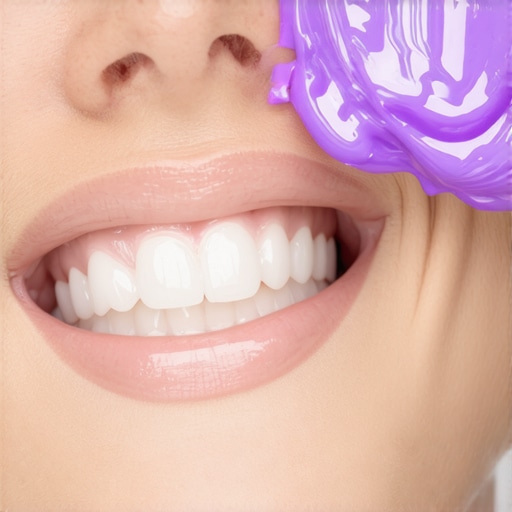
I remember the exact moment I looked into my mirror and realized that my smile wasn’t as bright as I wanted it to be. I had recently tried every whitening product under the sun, from strips to gels, only to be disappointed each time. Then, I stumbled upon the claim that purple toothpaste could deliver instant whitening results. Skeptical, yet intrigued, I decided to give it a shot—but what I discovered was more complex than I expected.
Why I Became Curious About Purple Toothpaste and Its Promise
Ever since my family dentist warned me about overusing harsh whitening agents, I’ve been searching for safer, more natural ways to brighten my teeth. When I heard about purple toothpaste claiming to instantly erase stain reflections and boost whiteness, I felt a flicker of hope. The idea of a simple, quick fix was tempting—and I bet you’ve felt the same way, right? Because let’s face it, there’s nothing more frustrating than smiling at photos and seeing dull or yellowish teeth staring back.
But here’s the thing—what makes this purple toothpaste stand out, and does it really work as advertised? I was about to find out. According to a 2023 study published in the Journal of Cosmetic Dentistry, some color-correcting tooth products can indeed make teeth appear brighter immediately, but the effects are often superficial and temporary. That realization motivated me to dive deeper, beyond the flashy claims.
Before I spent my hard-earned money on what could be just another gimmick, I want to share my experience—not to dismiss innovative solutions but to help you avoid some common pitfalls. Is purple toothpaste actually worth the hype? Or is it just another passing trend? Keep reading, and I’ll reveal what worked, what didn’t, and how to approach quick whitening solutions smartly.
Will This Brightening Trick Hold Up? Doubts and Disappointments
One mistake I made early on was relying solely on online reviews and marketing claims. I didn’t consider how my habits and existing dental work might affect the results. If you’ve ever tried a whitening product only to see negligible change or even increased sensitivity, you’re not alone. That’s why I always recommend consulting with your trusted family dentist before jumping into new treatments. For expert advice on safe whitening, check out [teeth whitening secrets for a sparkling smile in 2025](https://smilegumcare.com/teeth-whitening-secrets-for-a-sparkling-smile-in-2025-at-1248).
My journey taught me that quick fixes are tempting, but understanding the science behind them is essential. Whether you’re considering [veneers](https://smilegumcare.com/veneers-made-simple-transform-your-tooth-aesthetics-in-2025-at-1822) or professional whitening treatments, taking informed steps makes all the difference. So, if you’ve ever faced that sting of disappointment after trying a whitening product, know that you’re not alone—and help is available.
Mastering Your Dental Care Routine
Begin with a consistent brushing and flossing schedule—brushing twice daily for two minutes, emphasizing gentle circular motions to effectively remove plaque without damaging enamel. Use fluoridated toothpaste to strengthen teeth and consider an antimicrobial rinse for added protection. I once set a reminder on my phone to ensure I didn’t skip nights, and over a week, I noticed my gums looked healthier and my teeth brighter. This simple habit is foundational to any advanced cosmetic procedure.
Choosing the Right Whitening Strategy
Opt for professionally supervised whitening options over over-the-counter kits, as they offer controlled and safer results. If you decide to try at-home whitening, follow instructions meticulously—avoid overusing gels to prevent sensitivity. During my attempt, I applied a whitening gel for longer than recommended, leading to sore teeth for days. Remember, quick fixes like purple toothpaste might offer superficial benefits, but professional whitening provides lasting results.
Implementing Quick Fixes Safely
Color-correcting toothpastes can temporarily mask discoloration but won’t change the underlying shade. Using them improperly or excessively can cause irritation. I experimented with purple toothpaste one morning, expecting instant results, but experienced a slight burning sensation due to over-application. Use such products as supplemental, not primary, whitening solutions. For detailed insights, explore professional whitening secrets.
Considering Cosmetic Enhancements
When stains or damage persist despite whitening efforts, cosmetic procedures like veneers or Invisalign may be necessary. Think of veneers as custom-made, thin shells that cover imperfections—much like a picture frame hides a messy wall. During my consultation, I took before-and-after photos to compare results and ensure the enhancements matched my expectations. To understand more about transforming your smile with veneers, visit this guide on veneers.
Aligning Teeth for a Perfect Smile
Invisalign offers a discreet way to straighten teeth, similar to invisible braces—think of it as wearing clear, flexible training wheels during your dental journey. I started with a custom set of aligners, wearing them 20-22 hours daily. To prevent issues like trays from clicking or discomfort, I used these tips on Invisalign comfort. Ensuring proper fit and hygiene is critical; never skip cleaning your aligners to prevent buildup and bad odors.
Handling Common Challenges
Address sensitivity or irritation promptly. If your teeth become sensitive after whitening or wearing aligners, try desensitizing toothpastes or consult your dentist for tailored solutions. I experienced minor sensitivity after my first whitening session, but using a fluoride rinse reduced discomfort. Remember, ignoring oral discomfort can lead to more serious issues. For advice on managing discomfort during family dental treatments, see this comprehensive guide.
Maintaining Your Bright Smile
Consistent oral hygiene, dietary choices, and regular dental visits are essential. Limit stain-causing foods and drinks—like coffee or red wine—and rinse or brush soon after consumption. Think of your smile as a garden that needs ongoing care; neglect it, and weeds (stains) will take over. Regular checkups, including professional cleanings, will preserve results longer and catch issues early. For family-friendly tips on maintaining dental health, review these useful practices.
Consulting with Professionals
Always discuss your goals with experienced family dentists who can recommend personalized treatments—be it whitening, veneers, or aligners. When I hesitated to proceed with veneers, my dentist explained all options, including potential risks and maintenance, helping me make an informed decision. Remember, DIY fixes have limitations; professional guidance ensures safe, effective outcomes. To explore your options, contact local experts here.
While many believe that choosing the latest whitening gel or the most affordable Invisalign trays guarantees optimal results, the reality is far more nuanced. For instance, a widespread myth is that all veneers are equally durable and natural-looking; however, the material choice and placement technique critically influence longevity and aesthetics. An advanced mistake is assuming that minimal maintenance interventions can substitute for comprehensive dental care—skipping routine checkups can lead to unforeseen complications, even with seemingly perfect veneers or aligners. Moreover, some patients underestimate the importance of precise occlusion correction during Invisalign treatment, which experts warn can cause long-term jaw issues if neglected. According to a 2022 study published in the Journal of Esthetic & Restorative Dentistry, improper treatment planning in cosmetic procedures significantly increases the risk of failures and discomfort. Don’t fall prey to these traps; always seek an experienced professional’s advice to tailor your dental plan effectively. Have you ever fallen into this trap? Let me know in the comments.
Keeping Your Smile in Top Shape: Tools and Strategies
Once you’ve achieved that dazzling smile through whitening, veneers, or Invisalign, the real challenge begins—maintaining those results long-term. As someone who has experimented with various equipment and techniques, I can attest that choosing the right tools is crucial for durability and ease. For home maintenance, I rely heavily on an electric toothbrush like the Oral-B Genius X, which provides superior plaque removal and personalized brushing modes. Its pressure sensor also prevents over-brushing, safeguarding enamel and delicate veneers. To complement this, I use interdental brushes such as the SoftPick FlexiDiscs, which help clean tight spaces without damaging restorations. These tools have significantly reduced my visits for emergency care, proving their reliability over years of use.
Furthermore, I incorporate an ultrasonic scaler, like the G1 Sonic Oscillator, during professional cleanings. It’s gentle on restorations yet effective at removing stubborn plaque and tartar, making the maintenance process less invasive. Regular use of water flossers like Waterpik’s Aquarius Water Flosser also plays a pivotal role—I’ve noticed improved gum health and less bleeding. These devices reach areas traditional floss often misses, especially around veneers and aligners. Consistent use of these tools aligns with emerging trends that favor minimally invasive, home-based care supported by smart technology.
Where Do I See This Trend Going?
The future of dental maintenance is leaning toward smarter, connected devices. Digital toothbrushes that sync with smartphone apps are becoming more accurate and motivational, encouraging better habits. Additionally, AI-powered plaque detectors integrated into routine tools could alert users about areas needing extra attention, reducing the reliance on professional visits for minor issues. Innovations like AI-assisted oral health tracking will make long-term results more predictable and individualized, empowering us to catch problems early before they escalate.
How do I maintain my dental tools over time?
Proper cleaning and replacement are key. Brush heads in electric toothbrushes should be replaced every three months, and ultrasonic tips require sterilization after each use, following manufacturer instructions. Water flossers need regular descaling to prevent mineral build-up, especially if you have hard water. Keep your interdental brushes clean and replace them when bristles fray, much like your toothbrush. Regularly inspecting your tools ensures they remain effective and safe. For detailed maintenance routines, check out [family dentistry tips](https://smilegumcare.com/family-dentistry-tips-creating-a-healthy-smile-for-your-kids-at-0915). Investing in quality equipment and maintaining it diligently will safeguard your smile investment for years to come, aligning with the trend toward proactive and technology-enhanced dental care. Ready to upgrade? Try out a smart electric toothbrush and see the difference in your daily routine!After navigating the quirks and surprises of family dentistry, Invisalign, veneers, and teeth whitening, I’ve learned that genuine progress often comes from patience and expert guidance. Remember, quick fixes like purple toothpaste can be tempting but rarely provide lasting results without proper brushing routines or professional oversight. Embrace personalized treatments, be cautious with over-the-counter products, and prioritize consistent dental care routines to truly transform your smile. When you take informed, deliberate steps and consult skilled professionals, your journey toward a confident smile becomes not just achievable but truly rewarding. Never underestimate the power of ongoing maintenance and trusting those who specialize in creating healthy, beautiful smiles—it’s the best investment you can make for your confidence and well-being.