
The Truth About Sensitivity Strips for Your Teeth
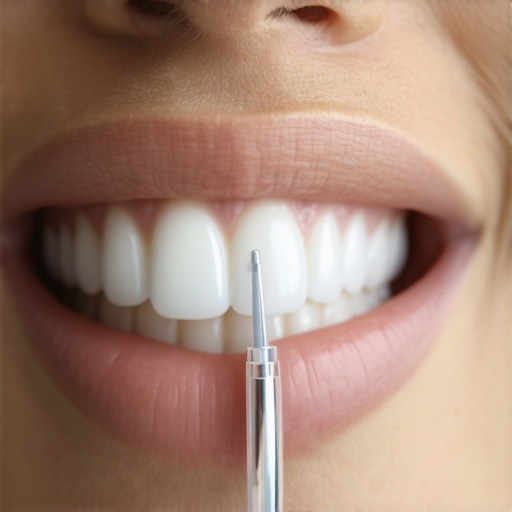
It was a typical Tuesday afternoon when I finally looked in the mirror and realized my smile wasn’t quite as bright as it used to be. I grabbed a box of sensitivity strips, hopeful they’d solve my dullness and sensitivity—but instead, I ended up with unexpected discomfort and doubts about their true effectiveness. That lightbulb moment made me question if I’d been lured into a quick fix that’s more hype than help. If you’ve ever felt the frustration of trying teeth whitening products only to face increased sensitivity or lackluster results, you’re not alone.
Why Sensitivity Strips Can Be a Game Changer—and a Jungle
Sensitivity strips promise easy whitening at home, but the reality is often messier. They seem like a quick, painless shortcut—who wouldn’t want that? Yet, many of us discover, sometimes too late, that these little strips can cause or worsen discomfort, especially if not used correctly. As someone who’s experimented with a few brands and read countless reviews, I’ve learned that not all strips are created equal.
Let’s face it: the marketing around these strips is compelling. They’re marketed as safe, effective, and effortless. But the real challenge is understanding their drawbacks, and whether they fit your unique dental needs. My early mistake was believing that more whitening power meant faster results—without considering the potential for sensitivity or damage.
There’s plenty of scientific backing that over-the-counter whitening products, including strips, can lead to increased tooth sensitivity if misused. According to the American Dental Association, improper use of whitening agents can cause enamel erosion and gum irritation (source: ADA). That’s why I want to help you navigate the truth about sensitivity strips, so you can decide if they’re right for you—and how to use them safely.
If you’ve experienced discomfort, or if you’re just overwhelmed by the endless whitening options, stick around. I’ve got practical insights and tips coming up that’ll help you make smarter choices and get that confident, brilliant smile without the setbacks. Ready to uncover what really works? Let’s dive into what you need to know to get the best results with the least hassle.
Start with a Dental Checkup
Before diving into whitening treatments, schedule a comprehensive dental exam. I remember rushing into whitening strips without a checkup, only to face unexpected sensitivity caused by underlying issues. A professional assessment identifies cavities, gum disease, or enamel erosion that might contraindicate whitening or require prior treatment. This step also helps detect if you need protective measures like sealants or fluoride applications for added safeguard.
Choose the Right Whitening Method
Not all whitening options are equal. Over-the-counter strips are convenient, but professional whitening done by a dentist delivers faster, safer, and more uniform results. Think of it like customizing a suit — off-the-rack may fit, but tailored services ensure comfort and precision. If you opt for at-home professional kits, use them exactly as directed, avoiding overuse that can cause sensitivity or damage. For example, a time I used a custom tray with a gentle gel, I achieved noticeable whitening after a couple of sessions without discomfort.
Implement Proper Application Techniques
Applying whitening agents properly is crucial. Use the provided applicators or trays, ensuring they’re fitted snugly but not too tight. Avoid saliva contamination by refraining from eating or drinking during treatment. I learned this the hard way when my tray slipped, leading to uneven whitening and increased sensitivity — a mistake I won’t repeat. Remember to clean your teeth thoroughly before application to remove plaque and residual stains, which helps the whitening agents work more effectively and evenly.
Manage Sensitivity Effectively
Sensitivity is a common hurdle. Use desensitizing toothpaste for a week before starting whitening to strengthen enamel. During treatment, limit the duration as recommended — overextending exposure can exacerbate discomfort. I experimented with reducing the time each day, which minimized pain while still improving my smile gradually. Also, consider using fluoride rinses afterward to reinforce enamel and soothe irritated tissues.
Maintain Your Results
Post-whitening care extends beyond treatments. Avoid dark-colored foods and beverages like coffee, red wine, and berries for at least 48 hours. Regular brushing with whitening toothpaste can help preserve brightness, though it’s important not to overuse it, as some formulations might be abrasive. Remember, your smile is a reflection of your overall dental health, so maintaining routine care with your family dentist ensures longevity. For insights on building a comprehensive dental routine, check [family dentistry tips](https://smilegumcare.com/family-dentistry-tips-creating-a-healthy-smile-for-your-kids-at-0915). To explore advanced cosmetic options, see [veneers](https://smilegumcare.com/veneers-made-simple-transform-your-tooth-aesthetics-in-2025-at-1822).Many people believe that visiting the dentist for basic treatments is straightforward, but in reality, there are subtle complexities that often go unnoticed. For instance, a widespread myth is that all whitening treatments are equally gentle, yet some over-the-counter options can cause irreversible enamel erosion if misused—a nuance highlighted in studies by the American Dental Association (source: ADA). Furthermore, many assume that veneers are a quick fix for uneven teeth, but improperly fitted veneers can lead to gum irritation or a greyish hue if the underlying tooth color isn’t correctly managed; more on this can be found in our detailed guide on [veneers](https://smilegumcare.com/veneers-made-simple-transform-your-tooth-aesthetics-in-2025-at-1822).
Another common misconception revolves around Invisalign; many think it’s just about invisible braces, but the real advantage lies in the meticulous control of tooth movement, which prevents issues such as root resorption or bone loss—advanced issues that only experienced practitioners can address properly. Curious about the details? Check out [Invisalign](https://smilegumcare.com/invisalign-innovation-invisible-braces-changing-smiles-in-2025-at-1537) for in-depth insights.
A frequent oversight in family dentistry is neglecting the importance of comprehensive care beyond mere tooth cleaning. Many overlook the significance of gum health, with issues like periodontal disease silently progressing until they cause tooth loss or systemic problems. Regular, nuanced assessments can identify early signs—like subtle gum recession—that are easily missed. For comprehensive tips, see [family dentistry tips](https://smilegumcare.com/family-dentistry-tips-creating-a-healthy-smile-for-your-kids-at-0915).
When it comes to teeth whitening, the advanced mistake many make is overestimating the safety of frequent bleaching. Excessive whitening can weaken enamel and increase sensitivity, especially if combined with poor oral hygiene practices. Scientific literature warns against doubling treatment frequency without professional guidance, as this may cause long-term harm (source: ADA). For the uninitiated, this is a trap worth avoiding.
Have you ever fallen into this trap? Let me know in the comments. Understanding these nuances empowers you to make informed decisions—whether it’s choosing the right family dentist, smarter cosmetic enhancements, or safe whitening routines. Remember, mastering these details ensures healthier teeth and more satisfying results in your dental journey.Maintaining your dental investments and treatments requires more than just visiting the dentist periodically; it involves using the right tools and adopting effective routines to ensure lasting results. I personally rely on a few specialized devices that have revolutionized my daily dental care routine, helping me preserve the brilliance of my teeth whitening, the integrity of my veneers, and the alignment achieved with Invisalign.
One tool I highly recommend is a model-specific electric toothbrush, like the Philips Sonicare DiamondClean. Its sonic technology delivers up to 62,000 brush strokes per minute, providing a thorough clean that manual brushes simply can’t match. I use this device twice daily, coupled with a soft-bristled brush head designed for veneers and crowns to prevent unnecessary damage. The built-in timer ensures I brush long enough—two minutes per session—ultimately reducing plaque buildup and maintaining whiteness.
For those with Invisalign, the importance of proper hygiene cannot be overstated. I opt for an ultrasonic cleaner, such as the Quick and Easy Ultrasonic Jewelry Cleaner, which I also use for my clear aligners. This device employs ultrasonic vibrations at high frequency, effectively dislodging bacteria and debris from trays without harsh scrubbing. Regular use of this kind of cleaner extends the lifespan of aligners and reduces the risk of gum irritation.
Regarding long-term maintenance, I invest in a high-quality water flosser like the Waterpik Water Flosser. This device simplifies flossing, especially around veneers, bridges, or implants where traditional string floss might be difficult to maneuver. Its pulsating water stream removes food particles and plaque effectively, which helps prevent gum disease and keeps my smile bright.
Software tools also play a role. I utilize dental tracking apps—such as Dental Monitoring—that sync with my dentist for remote check-ins and progress tracking. These platforms provide reminders for hygiene routines and flag any issues early, saving time and avoiding costly repairs.
Where do I see this technology heading? Advances in AI-powered dental diagnostics promise to personalize maintenance routines even more, alerting you to early signs of wear or decay before symptoms appear. This proactive approach could soon be accessible from your smartphone, making routine maintenance seamless and more effective.
**How do I maintain my dental work over time?** Regularly replace your toothbrush head every three months, clean aligners and retainers daily with ultrasonic devices, and schedule biannual checkups to catch issues early. For detailed tips on family dental care routines, visit [family dentistry tips](https://smilegumcare.com/family-dentistry-tips-creating-a-healthy-smile-for-your-kids-at-0915). To explore options for Veneers, see [Veneers Made Simple](https://smilegumcare.com/veneers-made-simple-transform-your-tooth-aesthetics-in-2025-at-1822). Additionally, consider investing in a quality water flosser—it’s a game changer in maintaining oral health around complex dental work.
The Hardest Lesson I Learned About Family Dentistry, Teeth Whitening, Veneers, and Invisalign
One of the most valuable lessons I’ve internalized is that no two smiles are the same—what works for one person may not suit another. Early on, I believed that over-the-counter whitening was enough, but I soon realized that underlying issues like enamel health deserve professional attention. Embracing personalized dental care taught me patience and the importance of listening to my unique needs rather than following generic advice.
Secondly, I discovered that rushing treatments—like teeth whitening or veneers—without proper preparation could lead to setbacks. Proper planning, including dental checkups and understanding your options, is fundamental. I wish I had prioritized this more; it saved me discomfort and costly corrections down the line.
Finally, I learned that the journey to a confident smile isn’t just about cosmetic fixes but maintaining oral health holistically. Good habits, regular visits, and staying informed make all the difference. Remember, your smile is a reflection of your overall health—invest in it wisely.
My Essential Toolkit for a Confident Smile
I trust the Philips Sonicare DiamondClean electric toothbrush for daily cleaning, as its sonic vibrations effectively reach hard-to-access areas—especially around veneers and crowns. For maintaining aligners, an ultrasonic jewelry cleaner like the Quick and Easy Ultrasonic cleaner has been a game changer, ensuring trays stay germ-free.
The Waterpik Water Flosser makes flossing around dental work effortless, reducing gum irritation and plaque buildup. I also rely on dental tracking apps like Dental Monitoring, which facilitate remote check-ins with my dentist, catching potential issues early. These tools have helped me keep my smile bright and healthy over the years, and I recommend them for anyone on a similar journey.
Be Your Own Smile Advocate: Take Action Today
Your smile is one of your most valuable assets—don’t wait for problems to become urgent. Regular checkups, personalized treatments, and smart routines can transform your dental experience from reactive to proactive. Remember, I started with simple steps, and now I enjoy the confidence that comes with knowing my oral health is well cared for. Ready to take the next step? Schedule a visit or explore resources like our family dentistry tips to start your journey toward a healthier, happier smile.